Types of Chowder Bowls
A chowder bowl is specifically designed to serve thick, hearty soups like clam chowder, corn chowder, or seafood bisque. Unlike standard soup bowls, chowder bowls are typically larger, deeper, and wider, allowing for generous portions and easy access to chunky ingredients. These bowls are engineered for both functionality and comfort, ensuring a satisfying dining experience. Below is a detailed breakdown of the most common types of chowder bowls available today.
Traditional Ceramic
Ceramic chowder bowls are among the most popular due to their elegant appearance, durability, and excellent heat retention.
Advantages
- Superior heat retention keeps chowder warm longer
- Available in a wide range of colors, patterns, and artistic designs
- Non-porous surface resists odors and stains
- Microwave and dishwasher safe (depending on glaze)
Limitations
- Can chip or crack if dropped
- Heavier than plastic or wood alternatives
- Potential for thermal shock with sudden temperature changes
Best for: Home dining, restaurants, gift sets, and formal occasions
Stoneware
A denser, more durable form of ceramic, stoneware is fired at high temperatures, resulting in a rugged, chip-resistant bowl ideal for everyday use.
Advantages
- Extremely durable and resistant to chipping and cracking
- Excellent thermal mass retains heat effectively
- Thick walls provide a substantial, premium feel
- Often glazed for easy cleaning and added protection
Limitations
- Heavier weight may not suit all users
- Limited design variety compared to decorative ceramics
- Higher cost than basic ceramic or plastic options
Best for: Family meals, casual dining, and commercial kitchens
Plastic
Lightweight and shatterproof, plastic chowder bowls are ideal for outdoor events, picnics, and children’s meals.
Advantages
- Extremely lightweight and portable
- Highly affordable and often disposable or reusable
- Available in bright colors and fun designs
- Resistant to breakage—perfect for outdoor use
Limitations
- Poor heat retention—chowder cools quickly
- May absorb odors or stain over time
- Not microwave-safe (unless specified)
- Less eco-friendly if not recycled properly
Best for: Outdoor gatherings, buffets, kids’ meals, and temporary use
Wooden
Crafted from hardwoods like maple, cherry, or walnut, wooden chowder bowls offer a rustic, natural aesthetic.
Advantages
- Unique, handcrafted appearance with natural grain patterns
- Biodegradable and environmentally sustainable
- Provides a warm, tactile feel
- Excellent for themed or traditional presentations
Limitations
- Requires regular oiling or waxing to prevent drying and cracking
- Not dishwasher safe—must be hand-washed
- Porous surface may absorb liquids and odors
- Higher cost and limited availability
Best for: Rustic dining, special events, decorative serving, and eco-conscious settings
Handled Chowder Bowls
Designed with one or two sturdy handles, these bowls enhance grip and comfort, especially when serving hot chowder.
Advantages
- Improved safety and ease of handling when hot
- Comfortable for all ages, including children and seniors
- Available in ceramic, stoneware, and some plastic variants
- Enhances both functionality and visual appeal
Limitations
- Handles may break if mishandled or poorly constructed
- Slightly more difficult to stack or store
- May not fit in standard bowl organizers
Best for: Family-style dining, buffets, elderly or young users, and restaurants
| Type | Durability | Heat Retention | Weight | Best Use Case |
|---|---|---|---|---|
| Traditional Ceramic | Good | Excellent | Medium | Everyday dining, restaurants, gifts |
| Stoneware | Excellent | Excellent | Heavy | Family meals, commercial use |
| Plastic | Fair | Poor | Light | Outdoor events, kids, casual use |
| Wooden | Good (with care) | Good | Medium | Rustic, eco-friendly, decorative |
| Handled Bowls | Varies by material | Varies by material | Varies by material | Safety-focused, family, elderly |
Expert Tip: For wooden chowder bowls, apply food-grade mineral oil every few months to maintain moisture resistance and prevent cracking. Avoid soaking in water to preserve longevity.
Designs of Chowder Bowls: A Comprehensive Guide
Chowder bowls are more than just functional tableware—they are an essential part of the dining experience, enhancing both presentation and practicality. While rooted in a classic culinary tradition, modern chowder bowls come in a wide variety of designs, ranging from timeless traditional styles to innovative contemporary forms. These variations cater to different settings, from formal dinners and rustic farmhouses to outdoor picnics and modern urban eateries.
Classic White Ceramic Bowls
Renowned for their clean, minimalist elegance, classic white ceramic bowls are a staple in both home kitchens and professional restaurants. Their smooth, glossy finish and neutral color allow the rich textures and colors of chowder—such as creamy New England clam chowder or vibrant tomato-based seafood chowders—to take center stage.
These bowls are typically oven-safe and highly durable, making them ideal for serving hot soups directly from the stove or warming in the oven. Their timeless design complements any table setting, whether formal dining or casual brunch, and they easily integrate into existing dishware collections.
Colorful, Hand-Painted Bowls
Hand-painted ceramic or stoneware bowls bring a vibrant, artistic flair to the table. Each piece is often uniquely decorated with intricate patterns, floral motifs, or coastal themes that reflect regional craftsmanship and cultural heritage.
These bowls are especially popular in seaside restaurants and family kitchens where a warm, inviting atmosphere is desired. The personal touch of hand-painting makes them excellent for gifting or special occasions. While they may require hand-washing to preserve their artwork, their aesthetic appeal adds charm and character to any meal.
Rustic Stoneware Bowls
Characterized by their earthy tones, matte finishes, and slightly irregular shapes, rustic stoneware bowls evoke a farmhouse or cottage-style ambiance. Typically glazed in warm browns, deep blues, or seafoam greens, these bowls are perfect for serving hearty, homemade chowders.
Stoneware is naturally durable and excellent at retaining heat, ensuring that your soup stays warm longer. The textured surface and organic look make these bowls ideal for country kitchens, harvest-themed dinners, or rustic wedding receptions. They pair beautifully with wooden serving trays and linen napkins for a cohesive aesthetic.
Bowls with Handles
Ergonomically designed with one or two sturdy handles, these chowder bowls offer enhanced comfort and safety when serving hot soups. The handles prevent direct contact with the heated surface, reducing the risk of burns and improving grip, especially for children or elderly diners.
Available in ceramic, stoneware, and even some modern composites, handled bowls are perfect for casual family meals, soup bars, and buffet-style events. Their user-friendly design also makes them a favorite in cafés and bistros where ease of service is a priority.
Modern Geometric Bowls
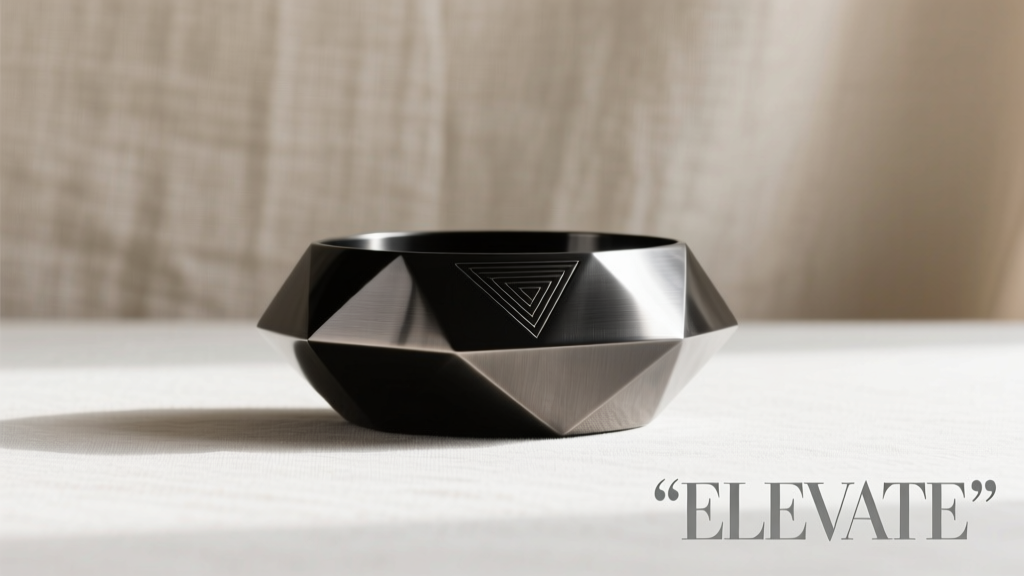
Breaking away from traditional round shapes, modern geometric chowder bowls feature angular silhouettes, asymmetrical rims, or oval profiles. Crafted from fine porcelain, matte ceramics, or even metal-accented composites, these bowls often come in monochromatic or metallic finishes like brushed copper, slate gray, or gunmetal black.
These avant-garde designs are ideal for contemporary dining spaces, upscale restaurants, and design-forward homes. They serve as both functional dishware and statement pieces, elevating the visual appeal of the meal. Their sleek lines and minimalist forms align perfectly with modernist and industrial interior styles.
Travel-Friendly Chowder Bowls
Designed for portability and convenience, travel-friendly chowder bowls are made from durable, lightweight materials such as BPA-free plastics, silicone, or insulated stainless steel. Many come with secure, leak-resistant lids and compact designs that fit easily into lunch bags or coolers.
These bowls are perfect for outdoor adventures, office lunches, camping trips, or food trucks. While they may lack the elegance of ceramic or stoneware, their functionality shines in on-the-go scenarios. Some advanced models even feature double-wall insulation to keep chowder hot for hours without external heating.
| Bowl Type | Best For | Durability | Care Instructions |
|---|---|---|---|
| Classic White Ceramic | Formal dining, restaurants, everyday use | High (oven & dishwasher safe) | Dishwasher safe; avoid thermal shock |
| Hand-Painted Ceramic | Casual gatherings, gifts, themed events | Medium (handle with care) | Hand wash recommended; avoid abrasives |
| Rustic Stoneware | Country kitchens, hearty meals, rustic decor | High (chip-resistant, heat-retaining) | Dishwasher safe; avoid extreme temperature changes |
| Handled Bowls | Families, buffets, cafés | High (depends on material) | Varies by material; check manufacturer guidelines |
| Geometric Modern | Contemporary homes, upscale dining | Medium to High | Often hand wash only; store carefully |
| Travel-Friendly | Outdoor use, commuting, picnics | High (impact-resistant) | Dishwasher safe (top rack); inspect seals regularly |
Tip: When selecting chowder bowls, consider not only aesthetics but also functionality—such as heat retention, ease of cleaning, and suitability for your serving environment. For formal events, opt for elegant ceramic or stoneware; for outdoor use, prioritize durability and portability. Matching your bowl choice to the occasion enhances both the dining experience and the longevity of your dishware.
How to Choose Chowder Bowls for Resale
Selecting the right chowder bowls for resale is a strategic decision that impacts customer satisfaction, brand image, and long-term profitability. Whether supplying restaurants, cafes, catering services, or retail stores, it's essential to evaluate chowder bowls based on material, design, durability, and cost-effectiveness. The ideal bowl balances practical performance with visual appeal to meet diverse client needs.
Material Selection
Chowder bowls are available in a range of materials, each suited to different environments and use cases. Understanding the strengths and limitations of each material helps match the product to the customer’s operational demands.
- Ceramic: Offers a classic, elegant appearance with excellent heat retention—ideal for upscale dining and indoor service. High-quality ceramic resists thermal shock and maintains its finish over time.
- Stoneware: Denser and more durable than standard ceramic, stoneware is chip-resistant and perfect for high-volume restaurants. Its rustic texture complements casual or coastal-themed eateries.
- Melamine: A lightweight, shatterproof plastic ideal for outdoor dining, buffets, or family-friendly venues. Resistant to breakage and dishwasher-safe, though not microwave-safe.
- Porcelain: Smooth, glossy, and highly durable, often used in fine dining. Resists staining and provides a premium presentation.
Key consideration: Match material to environment—stoneware for durability, melamine for safety, ceramic for aesthetics.
Size and Shape
Functionality begins with proper sizing and shape. Chowder bowls should accommodate hearty portions while minimizing spills and enhancing presentation.
- Standard capacity ranges from 12 to 16 ounces, ideal for thick soups like clam chowder or lobster bisque.
- Deep, rounded bowls with curved sides help contain creamy textures and reduce splashing during serving or transport.
- Wider rims allow for garnish placement (croutons, herbs, or bacon bits), improving visual appeal.
- Consider offering multiple shapes—traditional round, square, or boat-shaped—to suit modern plating trends and branding themes.
Pro tip: Test portioning with actual ladles to ensure optimal fill level without overflow.
Design and Aesthetic Appeal
The visual impact of a chowder bowl contributes significantly to the overall dining experience. Thoughtful design enhances both branding and customer perception.
- Neutral tones (white, cream, gray) offer versatility and pair well with any menu or table setting.
- Vibrant colors or hand-painted patterns suit themed restaurants, seaside cafes, or boutique eateries aiming for a distinctive identity.
- Textured finishes or matte glazes add a tactile, artisanal feel—popular in farm-to-table or rustic-chic establishments.
- Custom branding options (logos, monograms) increase perceived value for commercial clients.
Critical factor: Align design with the customer’s brand identity—minimalist for modern cafes, nautical motifs for coastal bistros.
Durability and Maintenance
In commercial settings, chowder bowls endure frequent washing, stacking, and handling. Longevity depends on resistance to wear, chipping, and thermal stress.
- Choose materials rated for commercial dishwasher use (up to 180°F) to ensure longevity.
- Look for reinforced rims and bases to prevent chipping during stacking or transport.
- Glazed surfaces resist staining from tomato-based or cream-heavy soups.
- Melamine should be labeled “high-pressure laminate” for better scratch resistance.
Smart choice: Prioritize bowls with warranties or manufacturer certifications for industrial use.
Cost and Budget Considerations
Pricing strategy should reflect both product quality and target market expectations. Offering tiered options allows you to serve a broader client base.
- Budget Tier: Melamine or basic ceramic—ideal for fast-casual chains, food trucks, or seasonal outdoor events. Lower upfront cost but may require more frequent replacement.
- Mid-Range: Quality stoneware or vitrified porcelain—perfect for family restaurants and mid-tier cafes. Balances durability, appearance, and value.
- Premium Tier: Artisan-crafted or hand-glazed bowls—suited for fine dining, resorts, or specialty gift shops. Higher price point justified by exclusivity and craftsmanship.
- Buying in bulk often reduces per-unit cost and improves profit margins for resellers.
Value insight: Emphasize total cost of ownership—premium bowls may cost more initially but last significantly longer.
Target Market & Usage Environment
Understanding the end-user environment is crucial for recommending the right chowder bowl.
- Restaurants & Cafes: Prioritize dishwasher-safe, stackable designs with professional aesthetics.
- Outdoor Events & Catering: Lightweight, unbreakable melamine is ideal for mobility and safety.
- Retail & Gift Shops: Focus on unique designs, artisan appeal, and packaging—these bowls double as keepsakes.
- Hotels & Resorts: Premium materials with elegant finishes enhance guest experience and brand image.
Time-saving tip: Curate pre-selected bundles (e.g., “Coastal Collection” or “Rustic Elegance”) to simplify customer decisions.
Professional Recommendation: For most resale scenarios, mid-tier stoneware or high-quality ceramic offers the best balance of durability, appearance, and cost. These materials appeal to a wide range of clients—from casual diners to boutique cafes—while withstanding daily commercial use. When in doubt, offer sample kits so customers can evaluate texture, weight, and presentation in person before committing to bulk orders.
| Customer Type | Recommended Material | Capacity (oz) | Key Features | Average Lifespan |
|---|---|---|---|---|
| Fast-Casual Restaurant | Melamine | 14–16 | Shatterproof, lightweight, stackable | 1–2 years |
| Coastal Café | Stoneware | 12–14 | Rustic finish, chip-resistant, heat-retaining | 3–5 years |
| Fine Dining Establishment | Premium Ceramic or Porcelain | 12 | Elegant glaze, thin rim, premium presentation | 4+ years |
| Event Caterer | High-Pressure Melamine | 16 | Dishwasher-safe, stain-resistant, durable | 2–3 years |
Additional Considerations
- Stackability: Efficient storage is critical—choose bowls with tapered sides or non-slip rims to prevent sticking.
- Eco-Friendliness: Biodegradable or recyclable options (e.g., bamboo fiber blends) appeal to environmentally conscious buyers.
- Brand Customization: Offer engraving, logo printing, or private labeling to increase perceived value for commercial clients.
- Heat Retention: Thicker walls in ceramic and stoneware keep chowder warm longer, enhancing customer satisfaction.
- Safety Standards: Ensure materials are FDA-approved for food contact and free from lead or cadmium, especially for imported products.
Scenarios for Chowder Bowls: Versatile Uses Across Dining Environments
Chowder bowls are far more than just vessels for serving traditional chowder—they are versatile, functional, and design-forward tableware items that adapt beautifully to a wide range of dining contexts. From elegant formal dinners to casual outdoor picnics, the right chowder bowl enhances both the presentation and practicality of meals. This guide explores how different types of chowder bowls can be effectively utilized across various settings, ensuring optimal style, durability, and user experience.
Pro Tip: Choosing the right chowder bowl isn't just about aesthetics—it's about matching material, size, and design to the dining environment, menu offerings, and customer expectations. A well-chosen bowl can elevate the perceived value of a dish and reinforce brand identity in restaurants.
Formal Dining Settings
In upscale restaurants or fine dining establishments, presentation is paramount. Classic white porcelain chowder bowls with subtle embossing or elegant rim detailing are ideal for these environments. Their clean, timeless appearance complements sophisticated table settings and fixed-course menus. These bowls are typically deeper and wider than standard soup bowls, making them perfect for serving rich, creamy soups such as lobster bisque, seafood chowder, or velvety mushroom stews.
Their high-gloss finish reflects light subtly, adding to the refined ambiance. Because formal service often involves multiple courses, these bowls are designed to maintain heat retention while fitting seamlessly into curated place settings. Pair them with silver spoon rests and linen napkins to complete the polished look.
Casual Family Meals
For everyday home dining, chowder bowls offer both comfort and convenience. Handle-equipped stoneware or ceramic bowls in cheerful colors or rustic patterns are popular choices for family-style meals. These bowls are easy to grip, resistant to chipping, and microwave-safe—ideal for reheating leftovers or serving hot meals directly from the kitchen.
Beyond chowder, they’re excellent for a variety of hearty dishes including tomato bisque, chicken noodle soup, beef stew, chili, and even oatmeal or grain bowls. Their generous capacity (typically 16–24 oz) accommodates larger portions, making them a practical staple in family kitchens. Opt for dishwasher-safe materials to simplify cleanup after busy weeknight dinners.
Outdoor Dining or Catering Events
When hosting outdoor gatherings, buffets, or catered events, plastic or compostable chowder bowls provide a practical and cost-effective solution. Designed to mimic the look and feel of ceramic, modern high-quality plastic bowls are durable, lightweight, and less prone to breakage—perfect for picnic tables, lawn seating, or food trucks.
These bowls are especially useful in self-serve stations where guests help themselves to soups, chilis, or bisques. Many are insulated or double-walled to help retain heat, improving the dining experience even without traditional tableware. For eco-conscious events, consider biodegradable options made from cornstarch or bamboo fiber that offer sustainability without sacrificing functionality.
Environmental Note: When using disposable chowder bowls for outdoor events, always provide clearly labeled recycling or compost bins to encourage responsible disposal and reduce environmental impact.
Rustic or Farm-Style Restaurants
Rustic eateries and farm-to-table establishments often embrace a "handcrafted" aesthetic, and thick, heavy stoneware chowder bowls align perfectly with this theme. These bowls feature matte glazes, earthy tones (like sage green, terracotta, or slate gray), and organic shapes that convey authenticity and warmth.
Built for durability, they withstand daily use in high-volume restaurants and pair well with wooden trays or metal serving stands. Their thermal mass helps keep soups warm longer, enhancing guest satisfaction. Ideal for serving chunky vegetable stews, bean soups, shepherd’s pie, or corn chowder, these bowls contribute to a cozy, homestyle dining experience that resonates with patrons seeking comfort and tradition.
Coastal or Seafood-Themed Restaurants
For restaurants specializing in seafood—especially those in coastal regions—custom-designed chowder bowls serve as both functional tableware and branding tools. Bowls featuring nautical motifs such as seashells, waves, anchors, or marine life not only enhance thematic consistency but also create memorable visual impressions.
These specialty bowls are often used to serve signature dishes like New England clam chowder, Manhattan seafood chowder, or roasted corn chowder. Some establishments even brand their bowls with logos or restaurant names, turning them into keepsakes that encourage customer loyalty and social media sharing. Available in ceramic, porcelain, or melamine (for outdoor patios), these bowls blend storytelling with practicality.
| Dining Setting | Recommended Bowl Type | Key Features | Ideal For |
|---|---|---|---|
| Formal Dining | Premium Porcelain | Smooth finish, heat retention, elegant design | Creamy soups, fine dining presentation |
| Casual Family Meals | Colored Stoneware with Handle | Durable, microwave/dishwasher safe, ergonomic | Stews, bisques, everyday comfort food |
| Outdoor/Catering | Heavy-Duty Plastic or Compostable | Lightweight, affordable, disposable | Buffets, picnics, food festivals |
| Rustic/Farm-Style | Thick Handcrafted Stoneware | Earthy textures, thermal retention, durable | Hearty stews, seasonal soups, artisanal menus |
| Coastal/Seafood Themed | Themed Ceramic or Melamine | Nautical designs, brandable, weather-resistant | Signature chowders, souvenirs, patio service |
Design Insight: In commercial settings, investing in consistent, high-quality chowder bowls can significantly boost brand perception. A unified bowl style across all tables creates visual harmony and reinforces the restaurant’s identity, whether it's luxury, nostalgia, or seaside charm.
Additional Usage Tips
- Pre-warm bowls before serving hot soups to enhance temperature retention and guest comfort.
- Use bowl stands or trivets when serving on wooden tables to prevent condensation rings.
- For takeout services, pair chowder bowls with secure, leak-resistant lids to maintain quality during transit.
- Rotate bowl inventory regularly in commercial kitchens to prevent wear-related safety hazards like cracks or sharp edges.
- Consider offering souvenir bowls for sale—especially in themed restaurants—to increase revenue and customer engagement.
Ultimately, chowder bowls are more than functional dishware—they're an integral part of the dining experience. By thoughtfully selecting the right style, material, and design for each setting, hosts and restaurateurs can elevate flavor, presentation, and overall satisfaction. Whether you're serving a five-star bisque or a backyard clam chowder, the perfect bowl makes all the difference.
Frequently Asked Questions About Chowder Bowls
Q1: Are chowder bowls dishwasher safe?Yes, most chowder bowls are dishwasher-safe, particularly those crafted from durable materials such as ceramic, stoneware, and tempered glass. These materials are designed to withstand the heat and moisture of standard dishwasher cycles. Plastic chowder bowls are also generally safe for dishwashers and are often the most resilient option for frequent machine washing.
However, it's important to check the manufacturer’s care instructions before placing any bowl in the dishwasher. Some high-end ceramics or hand-painted finishes may be sensitive to high temperatures, harsh detergents, or bleaching agents commonly found in dishwasher soaps. To extend the lifespan of delicate or decorative chowder bowls, hand washing is recommended.
- Ceramic & Stoneware: Usually dishwasher-safe unless specified otherwise by the manufacturer.
- Plastic: Nearly always dishwasher-safe; ideal for commercial or outdoor use.
- Handcrafted or Glazed Bowls: May require hand washing to preserve finish and color integrity.
Chowder bowls are specifically designed to accommodate thick, hearty, and chunky soups like clam chowder, seafood bisque, or potato stew. Unlike standard soup bowls, they feature several key design elements that enhance functionality and user experience:
- Size & Capacity: Chowder bowls typically hold 16–24 ounces, compared to 8–12 ounces for regular soup bowls, allowing for larger, more satisfying portions.
- Depth & Shape: With deeper sides and a wider base, chowder bowls reduce spillage and splatter when eating dense soups with large ingredients.
- Construction: Made from thicker, heavier materials to retain heat longer and provide a substantial feel in hand.
- Handles: Most chowder bowls include sturdy side handles for secure gripping, especially when serving hot meals.
This robust design makes them not only practical for chowders but also ideal for any meal requiring a deep, stable, and heat-retaining vessel.
Q3: Can chowder bowls be used for other dishes?Absolutely—chowder bowls are highly versatile and go far beyond their namesake dish. Their generous size, deep profile, and durable build make them perfect for a wide range of culinary applications:
- Soups & Stews: Ideal for chili, lentil soup, beef stew, and gumbo due to their capacity and heat retention.
- Pasta Dishes: Great for serving mac and cheese, lasagna, ravioli, or noodle bowls with sauce.
- Rice & Grain Bowls: Perfect for poke bowls, burrito bowls, bibimbap, or grain-based salads.
- Desserts: Can be used for ice cream sundaes, fruit parfaits, or bread pudding.
- Appetizers: Suitable for serving dips, nachos, or stuffed mushrooms at gatherings.
Because of their aesthetic appeal and functional design, chowder bowls are increasingly popular as all-purpose serving dishes in both home kitchens and restaurants.
Q4: What is the ideal material for a chowder bowl in a restaurant setting?The best material for chowder bowls in a restaurant depends on the dining style, service speed, and overall ambiance. Each material offers distinct advantages based on durability, appearance, and cost:
| Material | Best For | Key Benefits | Considerations |
|---|---|---|---|
| Stoneware | Casual dining, diners, seafood restaurants | Durable, chip-resistant, retains heat well, rustic appearance | Heavier than other options; may require careful handling |
| Ceramic (Glazed) | Bistros, farm-to-table, themed eateries | Elegant finish, customizable designs, good heat retention | Can be fragile; hand-painted versions may need hand washing |
| Porcelain | Fine dining, upscale seafood establishments | Smooth, refined look; lightweight yet strong; professional presentation | Higher cost; requires careful stacking to avoid chipping |
| Melamine or Plastic | Fast-casual, food trucks, outdoor events | Unbreakable, lightweight, affordable, dishwasher-safe | Not oven-safe; may scratch over time; less premium feel |
Restaurants often choose materials that align with their brand identity—rustic charm for coastal cafes, sleek porcelain for fine dining, or durable melamine for grab-and-go service.
Q5: Are there eco-friendly options available for chowder bowls?Yes, environmentally conscious alternatives to traditional plastic chowder bowls are increasingly available and widely used in sustainable food service operations. These eco-friendly options are especially popular for takeout, catering, and outdoor festivals where disposability is necessary but environmental impact is a concern.
- Bamboo Fiber Bowls: Made from natural bamboo and food-safe resins; biodegradable and compostable under industrial conditions.
- Palm Leaf Bowls: Crafted from fallen areca palm leaves; 100% natural, chemical-free, and fully compostable.
- Cornstarch-Based PLA Bowls: Derived from renewable corn resources; compostable in commercial facilities and resistant to moderate heat.
- Recycled Paper Pulp Bowls: Often lined with plant-based wax instead of plastic; recyclable and compostable in appropriate facilities.
These sustainable materials offer a responsible alternative to petroleum-based plastics while maintaining strength and leak resistance. Many eco-friendly chowder bowls are now designed to handle hot, wet, and oily foods without compromising structural integrity, making them viable for both indoor and outdoor service.









