Cavalier King Charles Spaniels are beloved for their affectionate nature, gentle demeanor, and elegant appearance. As a small breed with specific developmental needs, their early nutrition plays a critical role in long-term health. Choosing the right dog food for a Cavalier puppy isn’t just about filling a bowl—it’s about supporting healthy brain development, strong joints, a shiny coat, and a resilient immune system. With so many options on the market, from grain-free kibble to raw diets, making an informed decision can feel overwhelming. This guide breaks down the essentials of puppy nutrition tailored specifically to Cavaliers, helping you select a diet that promotes vitality from the first bite.
Nutritional Needs of Cavalier King Charles Spaniel Puppies
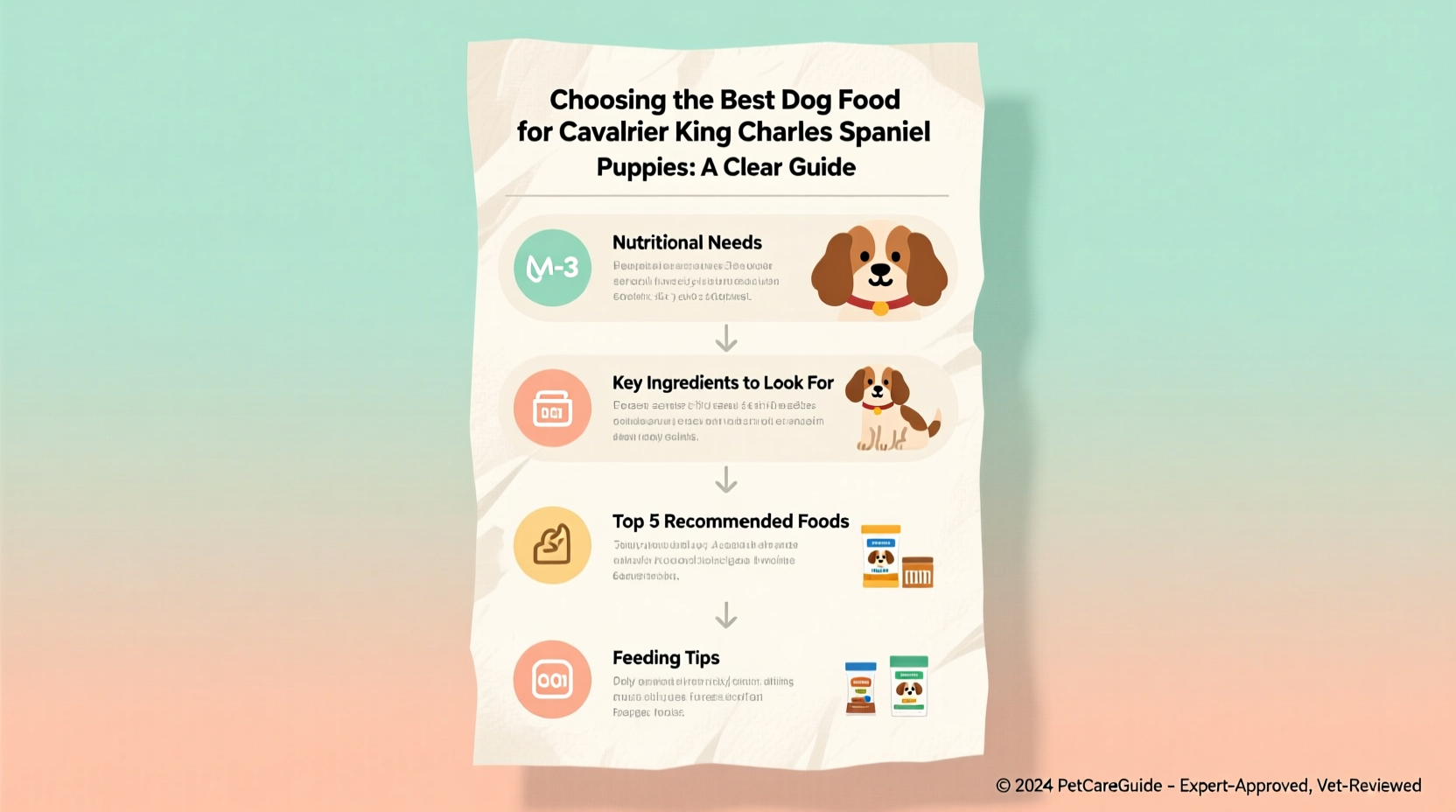
Cavaliers grow rapidly during their first six months, requiring a nutrient-dense diet that supports both physical and cognitive development. Unlike larger breeds that need controlled growth to prevent joint stress, Cavaliers benefit from steady, consistent nourishment due to their small size and predisposition to certain health issues such as mitral valve disease and syringomyelia. Proper nutrition can't prevent genetics, but it can strengthen overall resilience.
Puppy-specific formulas should include:
- High-quality animal protein (chicken, turkey, lamb, or fish) as the first ingredient to support muscle development.
- DHA and omega-3 fatty acids from sources like salmon oil or flaxseed, crucial for brain and vision development.
- Calcium and phosphorus in balanced ratios to promote strong bones without over-mineralization.
- Prebiotics and probiotics for digestive health, especially important in sensitive small breeds.
- Antioxidants such as vitamin E and beta-carotene to support immune function.
“Small-breed puppies like Cavaliers have higher metabolic rates and need more calories per pound than large breeds. Their food must be energy-dense yet easy to digest.” — Dr. Laura Bennett, DVM, Canine Nutrition Specialist
Key Ingredients to Look For (and Avoid)
Reading labels is one of the most effective ways to evaluate dog food quality. Marketing terms like “natural” or “premium” aren’t regulated, so ingredient scrutiny is essential.
Tip: Always check the first five ingredients—they make up the majority of the food. If they’re all fillers or by-products, keep looking.Do Include:
- Named animal proteins (e.g., deboned chicken, turkey meal)
- Fatty acid sources like fish oil or canola oil
- Whole grains like brown rice or barley (unless your puppy has a diagnosed sensitivity)
- Vegetables such as sweet potatoes, carrots, and peas for fiber and micronutrients
- Chelated minerals, which are more easily absorbed
Avoid:
- Artificial preservatives (BHA, BHT, ethoxyquin)
- Unspecified “meat meals” or “animal by-products”
- Excessive fillers like corn, soy, and wheat, which offer little nutritional value and may trigger allergies
- Sugar, artificial flavors, or colors
- High levels of plant-based proteins as primary ingredients
Top Dog Food Types Compared
Not all dog foods are created equal. Each type comes with trade-offs in convenience, cost, and nutritional integrity. Here’s how common options stack up for Cavalier puppies:
| Type | Pros | Cons | Best For |
|---|---|---|---|
| Dry Kibble | Affordable, shelf-stable, helps clean teeth | May contain fillers; lower moisture content | Owners seeking convenience and budget-friendly feeding |
| Wet/Canned Food | High moisture, palatable, often higher meat content | More expensive, perishable, less dental benefit | Puppies with picky appetites or hydration concerns |
| Raw or Fresh-Frozen | Bioavailable nutrients, mimics natural diet | Risk of bacterial contamination, requires careful handling | Owners committed to hands-on feeding and food safety |
| Freeze-Dried/Dehydrated | Lightweight, retains nutrients, rehydrates easily | Costly, still requires preparation | Those wanting raw benefits with less mess |
| Homemade Diets | Full ingredient control, fresh components | Time-consuming; risk of nutritional imbalance | Families willing to work with a veterinary nutritionist |
Step-by-Step Guide to Selecting the Right Food
Follow this timeline when introducing food to your Cavalier puppy:
- Weeks 8–10: Start with the same food the breeder was using. Sudden changes can cause digestive upset. Ask the breeder for brand and formula details.
- Week 10–12: Begin transitioning if needed. Mix 25% new food with 75% old food for three days, gradually increasing the new food over 7–10 days.
- Month 3–6: Feed a high-quality puppy formula designed for small breeds. These are typically higher in calories and nutrients per bite.
- Every 3 months: Reassess your puppy’s weight, coat condition, energy level, and stool quality. Adjust food type or portion if needed.
- Month 12: Transition to adult food formulated for small breeds, unless your vet recommends otherwise.
Real-Life Example: Bella’s Dietary Turnaround
Maria adopted a 9-week-old Cavalier named Bella who arrived with dull fur, low energy, and frequent soft stools. The breeder had been feeding a store-brand kibble with corn and poultry by-product meal as top ingredients. After consulting her veterinarian, Maria switched Bella to a small-breed puppy formula featuring deboned chicken, salmon oil, and prebiotics.
Within four weeks, Bella’s coat became noticeably shinier, her stools firmed up, and her playfulness increased. Blood work at six months showed excellent nutrient absorption and healthy red blood cell counts. Maria credits the change not to a trendy diet, but to focusing on ingredient quality and species-appropriate nutrition.
Checklist: How to Choose the Best Dog Food for Your Cavalier Puppy
Use this checklist before purchasing any dog food:
- ☑ Formula labeled “for puppies” or “growth,” not “all life stages” (which may lack sufficient nutrients)
- ☑ Animal protein is the first ingredient
- ☑ Contains DHA or omega-3s for brain development
- ☑ No artificial preservatives, colors, or flavors
- ☑ Appropriate calorie density for small breeds (typically 400+ kcal/cup)
- ☑ Recommended by veterinarians or backed by AAFCO feeding trials
- ☑ Positive reviews from other Cavalier owners regarding digestion and coat health
Frequently Asked Questions
Should I feed grain-free food to my Cavalier puppy?
Not necessarily. Unless your puppy has a diagnosed grain allergy—which is rare—grains like brown rice and oats provide valuable fiber and energy. Recent FDA investigations have linked some grain-free diets to canine dilated cardiomyopathy (DCM), particularly in breeds prone to heart issues like Cavaliers. Consult your vet before eliminating grains.
How much should I feed my Cavalier puppy?
Most small-breed puppy foods recommend 1/2 to 3/4 cup per day, split into three meals until six months, then two meals daily. Exact amounts depend on the food’s caloric content and your puppy’s weight. Always follow package guidelines and adjust based on body condition.
Can I mix wet and dry food?
Yes, combining wet and dry food can enhance palatability and hydration. Just ensure the total daily intake aligns with calorie needs and doesn’t exceed recommended portions.
Final Thoughts: Building a Foundation for Lifelong Health
The first year of a Cavalier King Charles Spaniel’s life sets the stage for their future well-being. While love and attention are priceless, so is the fuel you give them. Choosing the best dog food means going beyond branding and buzzwords to examine what truly goes into the bag. Prioritize whole ingredients, species-specific formulation, and veterinary guidance over trends.
Remember, there’s no universal “best” food—only the best food for your individual puppy. Monitor their response, stay flexible, and don’t hesitate to switch if something isn’t working. A glossy coat, bright eyes, and consistent energy are the truest signs you’ve made the right choice.
💬 Have a success story or question about feeding your Cavalier puppy? Share your experience below—your insight could help another owner make a confident decision.








