
Bringing a cat into your home is more than adopting a pet—it’s welcoming a new member of the family. The right feline companion can offer years of affection, emotional support, and quiet joy. However, not every cat suits every household. Choosing wisely ensures long-term compatibility, reduces stress for both pets and people, and fosters a peaceful, loving environment. This guide explores key considerations, from temperament and energy levels to health needs and lifestyle fit, so your family can make an informed decision that leads to lasting companionship.
Understanding Your Family’s Lifestyle Needs
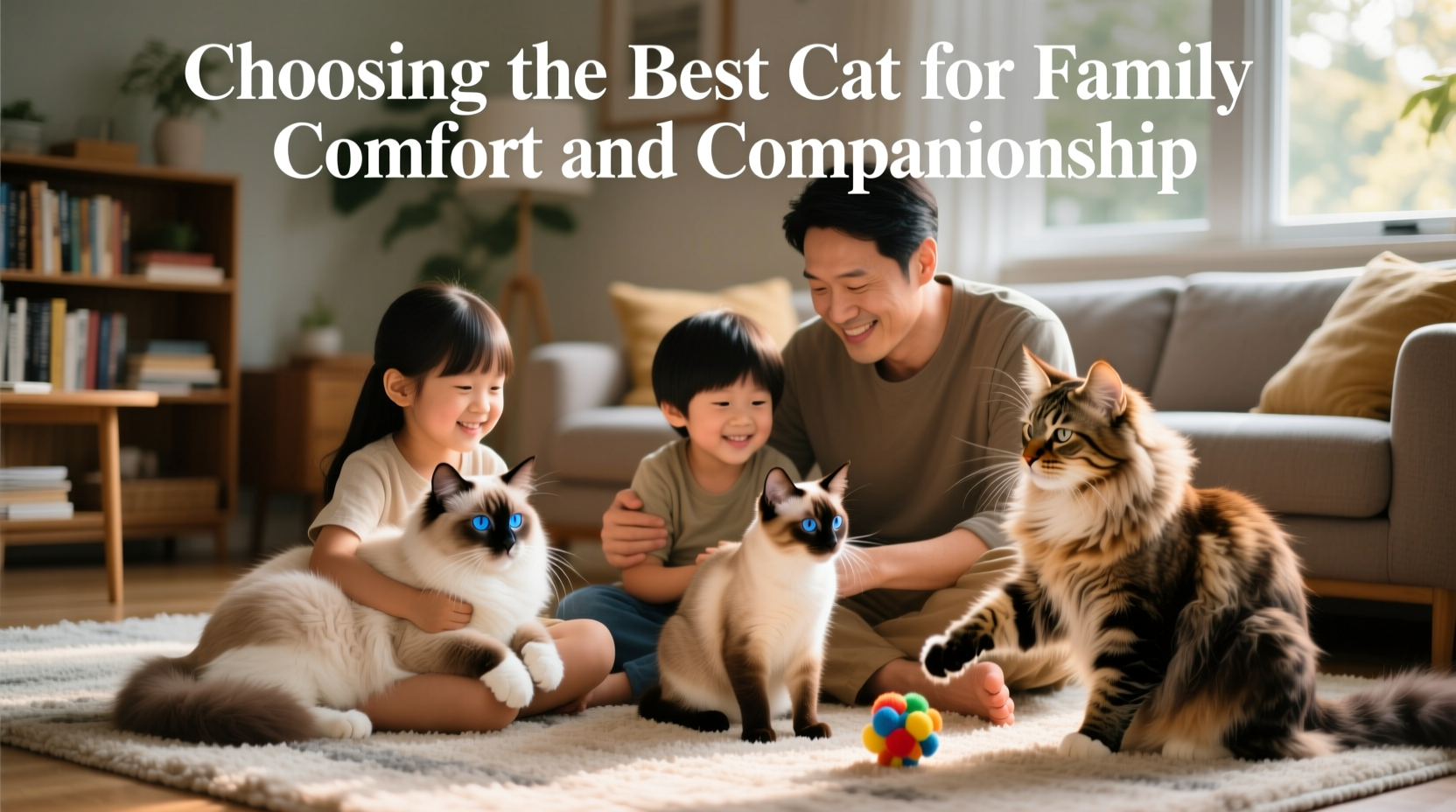
The first step in selecting the ideal cat isn’t researching breeds—it’s assessing your own home. Every family dynamic is unique: some thrive on activity and noise, while others value calm and routine. Children, work schedules, other pets, and available space all influence which cat will adapt best.
Families with young children may benefit from cats known for patience and resilience. Households with frequent guests or high activity might prefer sociable, outgoing cats. Conversely, retirees or quieter homes could find deep connection with a more reserved, lap-oriented breed.
Tip: Observe how your family spends time together—active play, quiet evenings, or outdoor adventures—and match those rhythms with a compatible cat personality.Breed Traits That Matter for Families
While individual personalities vary, certain breeds consistently exhibit traits ideal for family life. These include tolerance, affection, low aggression, and adaptability. Below is a comparison of popular family-friendly breeds based on key characteristics.
| Breed | Temperament | Kid-Friendly? | Grooming Needs | Lifespan |
|---|---|---|---|---|
| Maine Coon | Gentle, playful, intelligent | Yes – very tolerant | Moderate (daily brushing) | 12–15 years |
| Ragdoll | Calm, affectionate, docile | Excellent – loves cuddles | Moderate (tangles easily) | 12–17 years |
| British Shorthair | Easygoing, independent but loving | Yes – steady and patient | Low (weekly brushing) | 12–15 years |
| Devon Rex | Playful, curious, energetic | Yes – enjoys interaction | Low (short coat) | 9–15 years |
| Domestic Shorthair (Mixed) | Varies widely – often adaptable | Often excellent – resilient | Low to moderate | 12–18+ years |
Adopting a mixed-breed cat from a shelter often yields wonderful results. Many domestic shorthairs possess balanced temperaments and robust health due to genetic diversity. Shelter staff can often provide behavioral assessments to help match you with a cat suited to children and household dynamics.
“Cats are not small dogs—they bond differently. Look for subtle signs of trust: slow blinks, head bumps, following you from room to room. Those are the true markers of companionship.” — Dr. Lena Patel, Feline Behavior Specialist
Key Considerations When Selecting a Cat
Choosing the right cat involves more than liking a breed’s appearance. Consider these factors carefully before making a commitment.
Energy Level vs. Household Pace
A hyperactive kitten may overwhelm a quiet home, while a sedentary senior cat might struggle in a bustling household with kids and dogs. Match energy levels thoughtfully. For families seeking gentle companionship, adult or senior cats (2+ years) often offer more predictable behavior than kittens.
Allergies and Grooming
If anyone in the family has mild allergies, consider low-shedding or hypoallergenic breeds like the Siberian, Balinese, or Russian Blue. While no cat is truly allergen-free, these breeds produce lower levels of Fel d 1 protein, the primary allergen in cat saliva and skin.
Long-Term Health and Care Commitment
Some purebreds are prone to inherited conditions. Maine Coons, for example, can be susceptible to hypertrophic cardiomyopathy. Reputable breeders conduct health screenings, but adoption from shelters also requires vet checks. Factor in ongoing costs: food, litter, annual exams, vaccinations, and potential emergencies.
Tip: Always meet a cat in person before adopting. Spend 15–20 minutes interacting in a quiet setting to gauge comfort level and responsiveness.Step-by-Step Guide to Finding Your Family Cat
Follow this timeline to ensure a thoughtful, successful adoption process:
- Week 1: Assess family needs – Discuss expectations, allergies, budget, and time availability. Decide between kitten or adult, breeder or shelter.
- Week 2: Research options – Explore local shelters, rescue groups, and ethical breeders. Read about breed temperaments and care requirements.
- Week 3: Visit facilities or foster homes – Meet potential cats. Observe interactions with children or other pets if applicable.
- Week 4: Prepare your home – Set up a quiet room with litter box, food, water, bed, and toys. Plan for gradual introduction to the rest of the house.
- Adoption Day & Beyond: Bring your cat home, allow adjustment time (days to weeks), and establish routines. Schedule a vet visit within the first week.
Real-Life Example: The Thompson Family’s Journey
The Thompsons, a family of four with two children under 8, wanted a cat that would be gentle and enjoy playtime without being too fragile. After visiting their local shelter, they were introduced to Milo, a 3-year-old Domestic Shorthair mix. Staff noted his calm demeanor around children and love for interactive toys.
They followed a slow introduction process, keeping Milo in a spare bedroom for the first five days. The kids learned to approach slowly and offer treats. Within two weeks, Milo was curling up beside them during movie nights. Two years later, he remains a patient, affectionate presence—proof that matching personality and preparation matter more than pedigree.
Essential Checklist Before Adoption
- ✅ All family members agree on responsibilities (feeding, cleaning litter, grooming)
- ✅ Home is pet-proofed (secured cords, toxic plants removed, escape routes blocked)
- ✅ Budget includes $800–$1,200 annually for basic care (food, litter, vet visits)
- ✅ Plan for pet-sitting during vacations or emergencies
- ✅ Vet appointment scheduled within first week post-adoption
- ✅ Quiet space prepared for initial acclimation
- ✅ Children educated on respectful handling (no pulling tails or loud chasing)
Frequently Asked Questions
Are there cat breeds that don’t like being held?
Yes. Some breeds, like the Norwegian Forest Cat or certain Siamese lines, are affectionate but prefer to stay grounded. They may follow you around or sit nearby but resist being picked up. If you desire a lap cat, prioritize breeds like Ragdolls or Persians known for enjoying physical contact.
How do I know if my child and the cat are bonding safely?
Watch for mutual respect: the cat approaches willingly, the child uses gentle touches, and neither shows signs of stress (hissing, swatting, crying). Supervise all early interactions and teach kids to read cat body language—flattened ears or tail flicking mean “back off.”
Is it better to adopt one or two cats for family companionship?
Two cats can provide each other company, especially if family members are away during the day. However, introducing a second cat requires careful planning. Start with one to establish routines, then consider a companion later if desired. Many families find one well-matched cat fulfills all their emotional and social needs.
Final Thoughts: Building a Life Together
Choosing the best cat for your family isn’t about finding perfection—it’s about finding harmony. The ideal companion fits naturally into your daily rhythm, brings comfort during quiet moments, and responds to affection with quiet trust. Whether you adopt a playful Devon Rex or a serene British Shorthair, the bond you build over time becomes a source of enduring warmth and stability.
💬 Have questions about your next steps? Share your family’s story or ask for personalized advice in the comments below—we’re here to help you welcome the perfect feline friend.








