Types of China Long Ear Rabbit
A China long ear rabbit typically refers to breeds with notably long ears that may have originated or gained popularity in China, though many "long ear" breeds have European origins and are now globally bred. These rabbits are admired for their elegant appearance, gentle temperament, and unique physical traits—especially their elongated ears, which can range from 15 to over 30 centimeters in length.
Long-eared rabbits are categorized not only by ear length but also by size, coat color, temperament, and purpose (pet, show, or meat production). Below is a detailed overview of the most notable long-eared rabbit breeds often associated with or commonly found in China.
Chinese Lop Rhinelander
A compact, visually striking breed with long ears and a distinctive piebald (spotted) coat pattern.
Advantages
- Compact size ideal for apartments
- Friendly and affectionate temperament
- Unique, eye-catching coat pattern
- Good for first-time rabbit owners
Considerations
- Rare breed, may be harder to find
- Requires regular grooming for coat health
- Needs social interaction to prevent boredom
Best for: Families, small living spaces, rabbit enthusiasts seeking unique breeds
French Lop
One of the largest long-eared breeds, known for its massive, drooping ears and sturdy, muscular build.
Advantages
- Extremely docile and gentle nature
- Excellent for handling and children
- Popular in breeding and shows
- Strong and resilient constitution
Considerations
- Requires ample space due to large size
- Higher food and care costs
- Prone to dental and weight issues if not monitored
Best for: Experienced owners, farms, families with space, breeding programs
English Lop
Recognized as one of the oldest long-eared breeds, famous for having the longest ears of any rabbit—often exceeding 30 cm (12 inches).
Advantages
- Record-holding ear length (show favorite)
- Calm and adaptable personality
- Excellent for exhibitions and competitions
- Strong bond with owners
Considerations
- Ears require special care and protection
- Needs a clean, safe environment to prevent injury
- Less active; requires encouragement for exercise
Best for: Show breeders, rabbit fanciers, indoor pet owners
New Zealand Red
A medium-sized breed with long ears and a vibrant red or chestnut-colored coat, originally bred for meat production.
Advantages
- Fast-growing and efficient meat producer
- Resilient in various climates
- Sociable and easy to manage in groups
- Dense, low-maintenance coat
Considerations
- Not primarily bred as pets
- May be more skittish than lop breeds
- Limited color variation
Best for: Farming, meat production, group housing, rural environments
Dutch Lop
A popular hybrid breed developed from the English Lop and Dutch rabbit, featuring medium-long ears and a compact, rounded body.
Advantages
- Playful and outgoing personality
- Available in multiple color patterns (black, blue, chocolate, etc.)
- Great with children and other pets
- Highly trainable and interactive
Considerations
- Prone to overeating—requires diet management
- Needs mental stimulation and toys
- May chew on furniture if not supervised
Best for: Families, active households, pet lovers seeking companionship
| Breed | Ear Length | Size | Temperament | Primary Use |
|---|---|---|---|---|
| Chinese Lop Rhinelander | Long (15–20 cm) | Small | Friendly, affectionate | Pet, show |
| French Lop | Very Long (up to 35 cm) | Large | Docile, calm | Pet, breeding, show |
| English Lop | Extremely Long (up to 30+ cm) | Medium | Gentle, adaptable | Show, pet |
| New Zealand Red | Medium-Long | Medium | Sociable, energetic | Meat production, farming |
| Dutch Lop | Medium-Long | Medium | Playful, outgoing | Pet, family companion |
Expert Tip: When selecting a long-eared rabbit breed, consider your living space, lifestyle, and care commitment. Breeds like the Dutch Lop and Chinese Lop Rhinelander are ideal for apartments, while larger breeds like the French Lop need more room and resources. Always inspect ear health regularly—long ears are prone to injuries and infections if not properly maintained.
Designs of the Chinese Long-Ear Rabbit in Ceramics and Culture
The Chinese long-ear rabbit is a beloved symbol in Chinese art and folklore, frequently depicted in ceramic form. These designs are not only decorative but also rich in cultural meaning, reflecting values such as longevity, prosperity, and harmony. From imperial motifs to modern interpretations, the long-ear rabbit has evolved across centuries, adapting to changing artistic trends while maintaining its symbolic roots.
Traditional Chinese Long-Ear Rabbit Design
The traditional design features a plump, rounded body and elongated ears—symbolizing alertness and wisdom. This classic style is often hand-painted with delicate motifs such as peonies (symbolizing wealth), chrysanthemums (longevity), waves (eternal flow), and cloud patterns (heavenly blessings). Soft pastel hues like sky blue, blush pink, sage green, and sunflower yellow dominate the palette, creating a serene and auspicious aesthetic.
Deeply rooted in Chinese symbolism, this design is associated with good fortune and long life. It frequently appears in household altars, wedding gifts, and ancestral celebrations, serving as both a decorative object and a cultural talisman passed down through generations.
Imperial Chinese Long-Ear Rabbit Design
This luxurious variant incorporates gold leaf accents and rich enamel work, elevating the rabbit to a symbol of nobility and divine favor. Often crafted for imperial courts or temple offerings, these pieces feature regal embellishments such as coiled dragons (emblems of imperial power) and phoenixes (representations of grace and feminine virtue).
The use of gold reflects the rabbit’s association with the moon in Chinese mythology—where the Jade Rabbit is said to pound elixirs of immortality for the Moon Goddess, Chang’e. As such, imperial rabbit ceramics were not merely decorative; they carried spiritual significance and were often displayed during Mid-Autumn Festival celebrations. Today, these designs are prized as collector’s items and museum-quality artworks.
Festive Chinese Zodiac Long-Ear Rabbit Design
Every 12 years, the Year of the Rabbit brings renewed popularity to this iconic figure. During Lunar New Year and other festive occasions, the long-ear rabbit appears in vibrant decorations such as paper cutouts, lanterns, and porcelain figurines. These designs emphasize brightness and joy, with red as the dominant color—believed to repel negative energy and invite prosperity.
Common elements include floral wreaths (symbolizing fertility and renewal), hopping poses (representing agility and vitality), and paired rabbits (denoting harmony and family unity). These festive versions are widely used in public displays, home décor, and gift sets, making them accessible symbols of cultural pride and seasonal celebration.
Modern Minimalist Chinese Long-Ear Rabbit Design
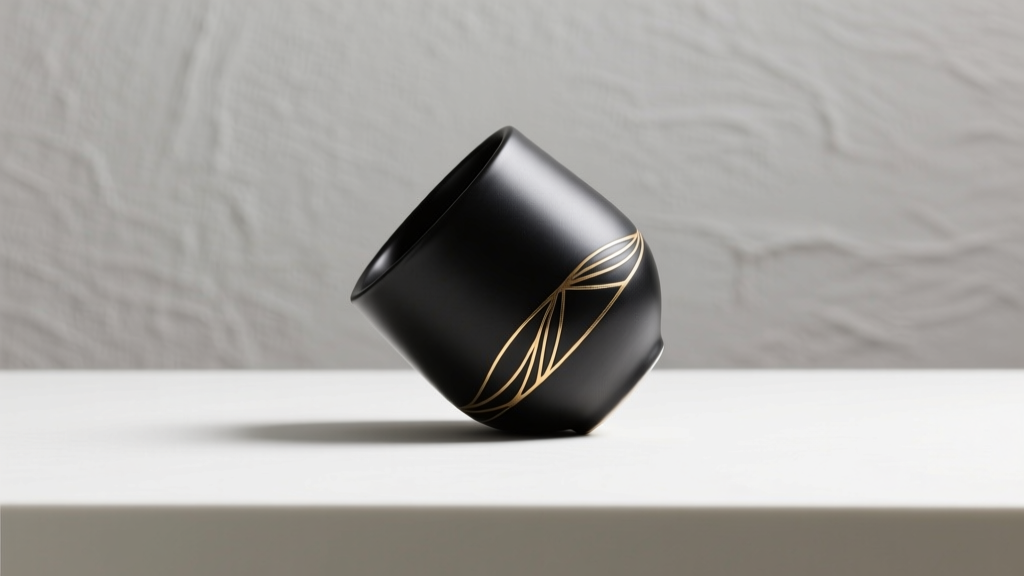
In response to contemporary design trends, artisans have reimagined the long-ear rabbit with clean lines, abstract forms, and neutral tones. This minimalist approach strips away ornate detailing, focusing instead on the essence of the rabbit’s silhouette—particularly the graceful curve of its ears.
These pieces often use matte glazes in earthy tones like charcoal gray, ivory white, and moss green, aligning with modern interior aesthetics that value simplicity and mindfulness. Found in urban homes, offices, and studios, minimalist rabbit ceramics serve as subtle nods to heritage while promoting a philosophy of balance, calm, and intentional living.
Chinese Long-Ear Rabbit in Children’s Products
The playful and gentle nature of the long-ear rabbit makes it an ideal character for children’s products. From ceramic toys and storybook illustrations to backpacks and night lights, this design is stylized with exaggerated eyes, cheerful expressions, and bright, engaging colors.
Beyond aesthetics, these items often carry educational value—teaching children about the Chinese zodiac, traditional festivals like the Mid-Autumn Festival, and moral tales such as the selfless Jade Rabbit who sacrificed himself to feed a hungry traveler (a Buddhist parable). Parents appreciate these designs for blending entertainment with cultural literacy, helping young minds connect with their heritage in a fun and meaningful way.
| Design Style | Cultural Significance | Common Uses |
|---|---|---|
| Traditional | Longevity, good luck, harmony | Home décor, wedding gifts, ancestral offerings |
| Imperial | Nobility, immortality, celestial connection | Collector’s items, temple art, luxury décor |
| Festive Zodiac | Prosperity, renewal, family unity | Lunar New Year decor, lanterns, ornaments |
| Minimalist | Balance, simplicity, modern heritage | Contemporary interiors, office décor, gifts |
| Children’s Theme | Education, playfulness, cultural identity | Toys, books, school materials, nursery décor |
Note: While the Chinese long-ear rabbit is often associated with ceramics, its influence extends into textiles, paper art, digital media, and fashion. When selecting or collecting these designs, consider the craftsmanship, cultural authenticity, and historical context to fully appreciate their artistic and symbolic value.
Fashion Suggestions for Chinese Long-Ear Rabbit
Dressing up a Chinese Long-Ear Rabbit can be a delightful way to celebrate special occasions, showcase their elegance, or simply enjoy creative bonding with your pet. However, comfort, safety, and the rabbit’s natural behavior must always come first. These gentle animals are sensitive to stress, heat, and restrictive clothing, so any fashion choice should prioritize their well-being. Below are thoughtful, safe, and stylish suggestions tailored specifically to the unique appearance and needs of the Chinese Long-Ear Rabbit.
Clothing: Lightweight & Breathable
While rabbits are not typically clothed, light garments can be used for photo shoots or mild weather protection. For Chinese Long-Ear Rabbits, whose long ears and slender build require extra care, choose soft, breathable fabrics like cotton or bamboo.
- Warm Weather: Opt for a sleeveless vest or lightweight hoodie with an open-back design to prevent overheating and allow freedom of movement.
- Cold Weather: A thin wool-blend sweater or a fleece-lined bunny coat can help in chilly environments, but only for short durations and under supervision.
- Fitting Tip: Garments should never restrict the ears, legs, or hopping motion. Avoid neck closures—use side snaps or Velcro for easy on/off.
Safety Note: Never leave a rabbit unattended in clothing, and limit wear time to 10–15 minutes to avoid stress or overheating.
Accessories: Style with Sensitivity
Accessories can add charm without compromising comfort. The key is lightweight, soft materials and minimal attachment.
- Collars: Only use if necessary (e.g., for identification), and choose ultra-soft, breakaway styles made from padded fabric or silk ribbon.
- Bow Ties & Bows: Attach to collars or headbands for weddings, birthdays, or photo sessions. Choose adjustable, non-binding designs in festive colors or patterns.
- Crowns & Headpieces: Ideal for events like Easter or Chinese New Year. Use flexible wire frames covered in fabric and secure gently with a soft band—never over the ears.
Pro Tip: Always monitor your rabbit for signs of distress—flattened ears, freezing, or attempts to remove the accessory mean it’s time to take it off.
Footwear: Minimal & Temporary
Rabbits do not need shoes, and their feet are designed for natural traction. However, for themed photos or indoor events, soft booties can be used sparingly.
- Choose breathable, non-slip pet booties made from cotton or mesh.
- Ensure a snug but not tight fit—test by gently tugging; it should stay on without pressure.
- Never use adhesive, straps, or enclosed shoes that restrict paw movement.
- Limit use to indoor, short-term settings—never for outdoor walks or extended periods.
Important: Footwear should never replace proper flooring or nail care. If your rabbit slips on smooth surfaces, consider non-slip mats instead.
Capes & Cloaks: Elegant for Events
The graceful silhouette of the Chinese Long-Ear Rabbit makes capes and cloaks a stunning choice for formal occasions.
- Daily Wear: A simple cotton cape with a soft neckband adds subtle flair without discomfort.
- Special Events: Satin, organza, or embroidered cloaks in red, gold, or pastel tones enhance wedding or festival looks.
- Design: Choose open-back styles with adjustable closures at the shoulders or chest—never around the neck or under the belly.
Styling Tip: Pair a red silk cloak with a small jade pendant for a traditional Chinese New Year look.
Thematic Costumes: Celebrate with Care
Seasonal and cultural events offer fun opportunities for creative costumes, but simplicity and safety are crucial.
- Halloween: A mini dragon robe, bunny magician hat, or pumpkin-themed bandana—avoid masks or heavy fabrics.
- Chinese New Year: Dress your rabbit in a miniature qipao or tang suit made from lightweight silk, featuring auspicious symbols like peonies or dragons.
- Easter: A pastel-colored tutu or floral wreath adds charm without restriction.
- Weddings: A white lace capelet or floral crown makes a sweet addition to ceremony photos.
Golden Rule: If the costume requires more than 30 seconds to put on or causes any resistance, it’s too complex.
Material & Fit Guidelines
Selecting the right materials and ensuring proper fit are essential for your rabbit’s comfort and safety.
- Fabrics: Cotton, bamboo, silk, and soft fleece are ideal—avoid wool (can irritate skin) and synthetics (trap heat).
- Seams & Tags: Ensure smooth, flat seams and remove all tags to prevent scratching.
- Weight: Accessories should feel nearly weightless—never exceed 5% of the rabbit’s body weight.
- Fit Test: You should be able to slide two fingers comfortably under any band or strap.
Expert Advice: Always introduce clothing gradually—start with 2–3 minutes and increase slowly if the rabbit shows no stress.
Professional Recommendation: For most owners, a simple bow tie or seasonal cape is sufficient to enhance your Chinese Long-Ear Rabbit’s natural beauty without risk. Reserve full costumes for brief, supervised photo sessions. Always prioritize your pet’s comfort over aesthetics—happy rabbits make the best models!
| Occasion | Recommended Outfit | Material | Wear Time Limit |
|---|---|---|---|
| Photo Shoot | Lightweight hoodie or vest | Cotton or bamboo | 10–15 minutes |
| Chinese New Year | Mini silk qipao or tang suit | Silk with embroidery | 15 minutes (supervised) |
| Wedding | Lace capelet + floral crown | Cotton lace + soft wire | 20 minutes |
| Halloween | Dragon robe or bandana | Light polyester blend | 10 minutes |
| Daily Wear (optional) | Simple bow tie or collar | Satin or padded fabric | 30 minutes max |
Additional Considerations
- Age & Health: Young, senior, or ill rabbits should not wear clothing—stick to gentle accessories if desired.
- Temperature Regulation: Rabbits cannot sweat; avoid any outfit that traps heat, especially in summer.
- Behavioral Cues: Signs of discomfort include thumping, hiding, rapid breathing, or trying to remove the item.
- Hygiene: Wash all clothing and accessories regularly with pet-safe detergent to prevent skin irritation.
- DIY vs. Store-Bought: Handmade items allow customization but ensure secure stitching; commercial products often meet safety standards.
How to Choose China Long Ear Rabbit for Business Success
Selecting the right China Long Ear Rabbit—commonly known as the Chinese Lop or sometimes confused with breeds like the Mini Lop or Flemish Giant with lop ears—is a strategic decision for entrepreneurs entering the pet, breeding, or wholesale rabbit market. Whether you're building a breeding program, supplying pet stores, or launching an online pet sales business, making informed choices ensures animal welfare, customer satisfaction, and long-term profitability. This guide outlines key considerations when sourcing and stocking China Long Ear Rabbits for commercial purposes.
Important Note: The term "China Long Ear Rabbit" is not an officially recognized breed by major rabbit associations like the American Rabbit Breeders Association (ARBA). It often refers to lop-eared rabbits bred or sourced in China, which may include crossbreeds or regional variants. Always verify breed authenticity and health standards with reliable suppliers.
Key Factors in Selecting China Long Ear Rabbits for Business
- Breed Type and Characteristics
Rabbits with long, drooping ears—commonly called lop rabbits—are popular for their gentle appearance and docile nature. While there is no standardized “China Long Ear Rabbit” breed, many suppliers use this term for lop-eared rabbits bred in Asia. It's crucial to identify the actual breed or lineage you're purchasing.
- Common lop-type breeds include the Mini Lop, American Fuzzy Lop, and Flemish Giant Lop, each varying in size, coat type, and temperament.
- Choose breeds that match your target market: Mini Lops are ideal for families and first-time owners due to their small size and friendly nature.
- Ensure the rabbits are well-adapted to your local climate—thick-coated breeds may overheat in warm regions, while short-coated ones need warmth in colder areas.
- For low-maintenance appeal, select breeds known for calm behavior and minimal grooming needs, especially if targeting casual pet owners.
- Age and Social Compatibility
Rabbits are highly social animals and thrive in pairs or small groups. Understanding age dynamics is essential for resale success and animal well-being.
- Young rabbits (8–12 weeks old) are ideal for socialization and bonding with new owners.
- Consider purchasing kits in bonded pairs of the same sex or neutered/spayed individuals to reduce stress and promote companionship.
- Offer a variety of ages: younger rabbits attract families, while older, calmer rabbits may appeal to seniors or experienced owners.
- Develop a niche—such as “pre-bonded pairs” or “show-quality lops”—to differentiate your business and build brand loyalty.
- Compliance with Local Laws and Regulations
Before launching your rabbit business, ensure full compliance with local, state, and national regulations.
- Verify whether keeping or breeding rabbits is permitted in your area—some urban zones have restrictions on pet ownership or breeding activities.
- Check if permits or licenses are required for animal sales, breeding operations, or interstate transportation.
- Be aware that certain jurisdictions may ban specific breeds deemed “exotic” or non-native, even if they’re commonly available.
- Partner with local breeders or farms that follow ethical practices and comply with animal welfare laws to enhance credibility and reduce legal risks.
- Health, Quality, and Genetic Consistency
High-quality, healthy rabbits are the foundation of a reputable business. Customers expect animals that are active, well-cared-for, and true to breed standards.
- Inspect for signs of good health: bright, clear eyes; clean nose and ears; shiny coat; firm droppings; and active, alert behavior.
- Reject rabbits showing signs of respiratory issues (sneezing, nasal discharge), mites, or ear infections—common in poorly managed litters.
- Ensure structural soundness: ears should hang naturally, limbs should be strong, and posture should be balanced.
- Prioritize breeders who maintain genetic consistency in ear length, body size, coat color, and facial structure to ensure uniformity in your stock.
- Ask for veterinary health records, vaccination history, and deworming schedules when available.
- Transportation, Handling, and Customer Education
Safe and humane transportation is critical to maintaining animal health and customer trust, especially in online or long-distance sales.
- Choose suppliers who use secure, ventilated carriers with soft bedding, proper temperature control, and access to water during transit.
- Avoid suppliers who ship via unmonitored cargo services—opt for direct delivery or trusted pet transport networks.
- Train your team (or yourself) in gentle handling techniques to minimize stress during pickup, quarantine, and display.
- Educate buyers on proper rabbit care: housing, diet (hay-based), social needs, and safe transportation from your facility to their home.
- Provide care guides and post-purchase support to build trust and reduce returns or complaints.
| Selection Factor | Business Impact | Best Practices | Risks of Neglect |
|---|---|---|---|
| Breed Type | Determines market appeal and care requirements | Verify breed standards; choose low-maintenance, family-friendly types | Selling mislabeled or high-maintenance breeds leads to customer dissatisfaction |
| Age & Social Needs | Affects bonding success and resale value | Offer bonded pairs; stock varied age groups | Lonely or stressed rabbits may develop behavioral issues |
| Legal Compliance | Ensures operational legality and sustainability | Obtain permits; research local pet laws | Fines, shutdowns, or confiscation of animals |
| Health & Quality | Directly impacts reputation and repeat sales | Inspect thoroughly; source from ethical breeders | Disease outbreaks, returns, and loss of credibility |
| Transport & Handling | Influences animal welfare and customer experience | Use humane carriers; provide care instructions | Stress, injury, or death during transit damages brand image |
Pro Tip: Build relationships with reputable breeders who specialize in lop-eared rabbits. Visit farms in person if possible, or request video calls and health documentation. A reliable supply chain ensures consistent quality and gives you a competitive edge in the pet market.
Additional Business Recommendations
- Maintain detailed records of each rabbit’s origin, health history, and sale date for traceability and customer service.
- Consider offering microchipping or neutering services as value-added options.
- Partner with local veterinarians for health checks and emergency care referrals.
- Use high-quality photos and accurate descriptions in marketing to set realistic customer expectations.
- Stay updated on rabbit welfare trends and consumer preferences—such as ethical breeding and sustainable pet ownership.
Choosing the right China Long Ear Rabbits for your business goes beyond appearance—it involves careful planning, ethical sourcing, and a commitment to animal welfare. By focusing on breed authenticity, health, legal compliance, and customer education, you can build a trusted brand in the growing pet industry. When in doubt, consult experienced rabbit breeders or join rabbit enthusiast associations to gain insights and stay informed.
Frequently Asked Questions About China Long Ear Rabbits
Q1: Are there special care and maintenance guidelines for the China Long Ear Rabbit?Yes, the China Long Ear Rabbit—like all domestic rabbits—requires attentive and consistent care to thrive as a healthy, happy pet. While they are gentle and intelligent animals, their needs differ from more common pets like cats or dogs. Key aspects of their care include:
- Diet: A balanced diet is essential. Provide unlimited access to high-quality hay (such as timothy hay), which supports digestive health and dental wear. Supplement this with fresh leafy greens (e.g., romaine lettuce, cilantro, kale) daily and a small portion (about 1/4 cup per 5 lbs body weight) of high-fiber rabbit pellets.
- Hydration: Fresh, clean water should be available at all times, preferably in a spill-proof water bottle or heavy ceramic bowl.
- Exercise: These rabbits need at least 3–4 hours of supervised playtime outside their enclosure each day to stretch, hop, and explore. This helps prevent obesity and behavioral issues.
- Grooming: Due to their long ears and potentially dense fur, regular brushing is important to prevent matting and reduce the risk of hairballs, especially during shedding seasons.
- Environment: Keep their living space clean, dry, and draft-free. Use safe bedding like paper-based litter or aspen shavings, and avoid cedar or pine, which can be harmful to their respiratory system.
Proper care ensures your China Long Ear Rabbit remains active, sociable, and in good health throughout its life.
Q2: What is the normal lifespan of China Long Ear Rabbits?China Long Ear Rabbits typically live between 8 to 12 years, with some individuals reaching up to 14 years when provided with excellent care. Their longevity is highly influenced by several key factors:
- Nutrition: A diet rich in fiber and low in sugars prevents obesity and gastrointestinal stasis—a leading cause of premature death in rabbits.
- Veterinary Care: Regular check-ups with an exotic veterinarian (at least once a year) help detect dental issues, infections, or other health concerns early. Rabbits are experts at hiding illness, so proactive care is vital.
- Lifestyle: Mental stimulation, social interaction, and daily exercise contribute significantly to emotional and physical well-being.
- Spaying/Neutering: This not only prevents unwanted litters but also reduces the risk of reproductive cancers and aggressive behaviors, improving both lifespan and quality of life.
With a nurturing environment and responsible ownership, your rabbit can enjoy a long, vibrant life as a beloved companion.
Q3: Do rabbits have to be trained like dogs?Rabbits are not trained in the same way as dogs, but they are intelligent and capable of learning behaviors through patience and positive reinforcement. While they won’t sit or fetch on command, you can teach them useful habits:
- Litter Training: Most rabbits naturally prefer to use one area for elimination. Place a litter box with rabbit-safe litter (like paper-based or hay-based) in that spot and reward them with a small treat when they use it correctly.
- Coming When Called: Use a consistent name or sound (like a click or whistle) paired with a favorite treat. Over time, your rabbit may learn to associate the cue with a reward and come running.
- Basic Commands: Some rabbits can learn simple tricks like jumping through hoops or nudging objects using clicker training techniques.
- Boundaries: You can discourage unwanted chewing or digging by redirecting them to appropriate toys and rewarding good behavior.
Success depends on consistency, timing, and understanding rabbit psychology—they respond best to rewards, not punishment. Training strengthens the bond between you and your pet while promoting mental stimulation.
Q4: How often should a China Long Ear Rabbit be groomed?Grooming frequency depends on your rabbit’s coat type, but due to their long ears and potential for medium to long fur, regular grooming is crucial. Here's a breakdown:
| Rabbit Coat Type | Recommended Grooming Frequency | Notes |
|---|---|---|
| Short-Haired | Once a week | Helps remove loose fur and reduces shedding around the home. |
| Long-Haired / Fluffy | Daily brushing | Prevents painful matting, especially behind ears and under the legs. |
| All Rabbits (Shedding Season) | Every 1–2 days | Rabbits molt 2–3 times per year; increased grooming prevents hairballs. |
In addition to brushing, check your rabbit’s ears weekly for dirt, wax buildup, or signs of mites. Trim nails every 4–6 weeks and monitor for any skin irritation. Regular grooming sessions also provide an excellent opportunity to inspect your rabbit for lumps, sores, or changes in body condition.
Q5: What is the ideal cage size for a China Long Ear Rabbit?The minimum recommended cage size for a China Long Ear Rabbit is 4 feet long, 2 feet wide, and 2 feet high, but bigger is always better. The cage should allow your rabbit to:
- Take at least 3–4 full hops without turning.
- Lie down completely stretched out.
- Stand up on its hind legs without hitting the top.
- Turn around easily in all directions.
Inside the cage, include:
- A litter box filled with safe, non-toxic litter
- A hay rack or feeder to keep food clean
- A water bottle or heavy bowl
- Chew toys and hiding places for enrichment
- Soft bedding or a padded resting mat
It’s important to note that the cage should not be the rabbit’s entire world. Even with a spacious enclosure, your rabbit needs daily supervised time in a rabbit-proofed room or secure pen to exercise, explore, and interact. Think of the cage as a safe sleeping area, not a full-time living space.









