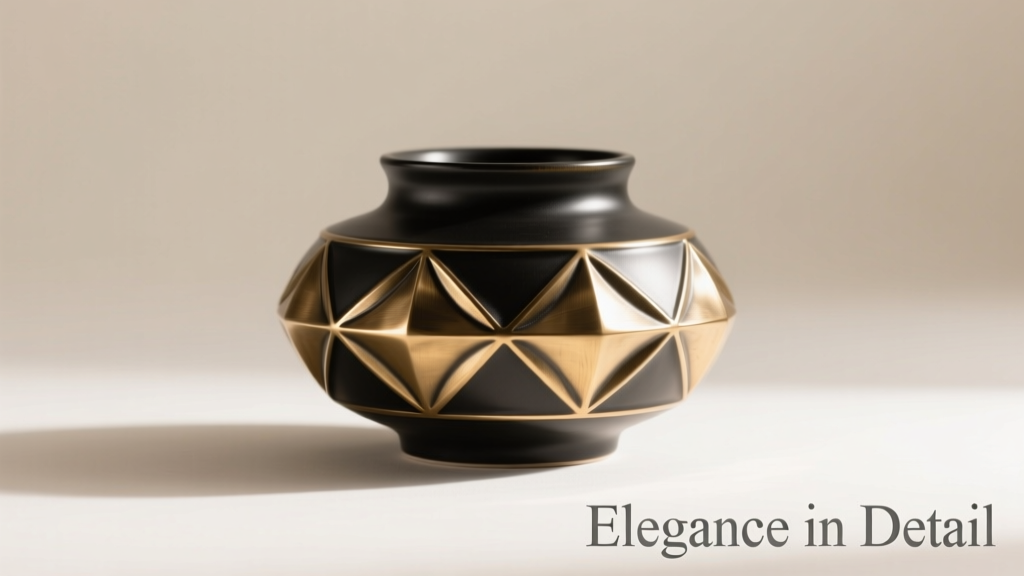
Types of China Dog Feeding Bowls
A china dog feeding bowl combines elegance, durability, and functionality, making it a popular choice among pet owners who value both aesthetics and practicality. Crafted from high-fired ceramic, these bowls are non-porous, resistant to odors, and easy to clean. With a wide variety of styles and specialized designs available, choosing the right china dog bowl can significantly enhance your pet’s dining experience while complementing your home decor.
This guide explores the different types of china dog feeding bowls, highlighting their unique features, benefits, and ideal use cases to help you make an informed decision based on your dog’s size, eating habits, and health needs.
Standard China Bowls
The classic and most widely used option, standard china bowls offer a timeless design suitable for daily feeding and hydration.
Advantages
- Smooth, non-porous surface resists bacteria and odors
- Easy to clean and dishwasher safe
- Available in a wide range of colors, patterns, and sizes
- Heavy enough to resist tipping for most dogs
- Ideal for both food and water
Limitations
- Can break if dropped on hard surfaces
- May be too heavy for small dogs to move
- Limited ergonomic design for large or giant breeds
Best for: Most dogs, especially medium to large breeds; ideal for everyday indoor use
Elevated China Bowls
Designed with a raised stand or integrated pedestal, these bowls promote better posture during meals, particularly beneficial for larger dogs.
Advantages
- Reduces neck and back strain during eating
- May help prevent bloat (gastric dilatation-volvulus) in deep-chested breeds
- Supports dogs with arthritis, hip dysplasia, or spinal issues
- Often comes with non-slip bases or stands
- Enhances dining ergonomics and comfort
Limitations
- Bulkier and less portable than standard bowls
- Higher cost due to stand or frame
- Requires more space and careful placement
Best for: Large and giant breeds (e.g., Great Danes, German Shepherds), senior dogs, or pets with mobility issues
Non-Slip China Bowls
These bowls feature a rubberized or silicone base ring that keeps the bowl securely in place during enthusiastic meals.
Advantages
- Prevents sliding and tipping on smooth floors
- Ideal for energetic or food-motivated dogs
- Maintains cleanliness by reducing food spillage
- Combines the elegance of china with practical grip
- Easy to clean—rubber base is typically removable or integrated
Limitations
- Rubber base may degrade over time with frequent washing
- May not be fully dishwasher safe if base is glued
- Slight difference in texture between base and bowl
Best for: Active dogs, puppies, or pets that push their bowls while eating; homes with hardwood or tile flooring
Travel-Friendly China Bowls
While less common, some manufacturers offer compact, durable china bowls designed for portability and outdoor use.
Advantages
- Lightweight yet sturdy compared to plastic alternatives
- Odor-resistant and hygienic for on-the-go feeding
- More elegant than silicone or metal travel bowls
- Some models come with protective carrying cases
Limitations
- More fragile than collapsible silicone bowls
- Less compact due to rigidity
- Limited availability in the market
Best for: Owners who prioritize style and hygiene during travel; weekend trips or outdoor dining
Automatic & Portion-Control China Bowls
Advanced feeding solutions that incorporate china bowls into automated or slow-feed systems to regulate food intake.
Advantages
- Helps manage portion sizes and prevent overeating
- Supports weight management and digestive health
- Some models feature programmable timers for scheduled feeding
- Combines the benefits of ceramic with smart feeding technology
- Reduces food waste and promotes mindful eating
Limitations
- Higher price point due to electronic components
- Requires power source or batteries
- May require more maintenance and cleaning
- Not all models use pure china—often hybrid designs
Best for: Overweight dogs, pets with food aggression, or owners with busy schedules needing scheduled feeding
| Type | Durability | Hygiene | Ease of Use | Best For |
|---|---|---|---|---|
| Standard China Bowls | High | Excellent | Excellent | Everyday use, all dog sizes |
| Elevated Bowls | High | Excellent | Good | Large breeds, seniors, joint issues |
| Non-Slip Bowls | High | Excellent | Excellent | Active dogs, slippery floors |
| Travel Bowls | Medium | Excellent | Good | Outdoor use, stylish portability |
| Automatic/Portion Control | Medium-High | Very Good | Good | Weight management, scheduled feeding |
Expert Tip: To extend the life of your china dog bowl, avoid sudden temperature changes (like placing a cold bowl into hot water) which can cause thermal shock and cracking. Hand washing with mild detergent is recommended for bowls with rubber bases or decorative glazes.
Design Tip: Match your china bowl to your kitchen or living space décor—many brands offer coordinating patterns or neutral tones that blend seamlessly into modern homes while still meeting your pet’s functional needs.
Materials & Designs for China Dog Feeding Bowls
Choosing the right dog feeding bowl made from china involves more than just aesthetics—it's about balancing durability, safety, ease of cleaning, and functionality. The material and design of a feeding bowl significantly influence its longevity, hygiene, and suitability for your pet’s eating habits and lifestyle. Whether you're looking for a stylish addition to your home or a rugged option for an active dog, understanding the different materials and design features is essential for making an informed decision.
Porcelain
Premium porcelain dog feeding bowls are crafted from refined clay and fired at high temperatures, resulting in a smooth, non-porous surface that resists stains, odors, and bacterial buildup. Often mistaken for ceramic, porcelain is denser and more durable, offering a sleek, elegant finish that complements modern home decor.
These bowls are typically chip-resistant and retain their glossy appearance over time. Most porcelain bowls are microwave-safe and dishwasher-safe, making them exceptionally convenient for daily use. Their weight provides stability, reducing the chance of tipping during meals. However, like all glazed china, they can break if dropped on hard surfaces, so placement on a stable mat or stand is recommended.
Stoneware
Stoneware bowls are a popular choice for dog owners seeking durability and a rustic aesthetic. Made from natural clay and fired at even higher temperatures than porcelain, stoneware is exceptionally strong and highly resistant to chipping and thermal shock.
The thick walls give stoneware bowls a substantial, heavy feel—ideal for preventing enthusiastic dogs from pushing or flipping them during meals. They are naturally non-porous when properly glazed, which helps prevent food residue and odor absorption. Most stoneware feeding bowls are dishwasher-safe and easy to clean, though hand washing is recommended to preserve the finish over time.
Plastic
While not technically "china," plastic feeding bowls are sometimes grouped with ceramic or porcelain options due to similar appearances. Lightweight and affordable, plastic bowls are a practical choice for travel, outdoor use, or temporary feeding setups.
However, they are less durable than china-based materials. Dogs may chew or scratch the surface, creating crevices where bacteria can accumulate. Lower-quality plastics can also leach chemicals over time, especially when exposed to heat or detergents. For safety, choose BPA-free, food-grade plastic if opting for this material. While easy to clean, plastic bowls often discolor and wear faster than porcelain or stoneware.
Design Features of China Dog Feeding Bowls
The design of a dog feeding bowl plays a crucial role in both functionality and pet comfort. Modern china feeding bowls come in a wide range of shapes, sizes, and styles tailored to different breeds, eating behaviors, and home environments.
Shape & Ergonomics
Bowls are available in classic round shapes, oval profiles, and contemporary geometric designs. Rounded edges prevent food from getting trapped in corners, making cleaning easier. Some bowls feature raised bases or angled interiors to promote better posture, especially for larger dogs or those with joint issues. Elevated feeders made with porcelain or stoneware help reduce neck strain and improve digestion.
Aesthetic Appeal
China dog bowls are prized for their visual elegance. Options include hand-painted patterns, minimalist solid colors, rustic textures, and artistic illustrations. High-end models may include stainless steel rims, bamboo bases, or engraved personalization for a custom touch. These bowls double as decorative pieces, seamlessly blending pet accessories into home interiors.
Functional Add-Ons
Many modern china feeding systems include non-slip rubber bottoms or silicone sleeves to prevent sliding. Some double or triple bowl sets are designed for portion control, holding food, water, and supplements separately. Integrated stands or wooden trays enhance stability and elevate hygiene by keeping bowls off the floor.
Size & Capacity
Bowls range from small 8 oz. sizes for puppies to large 32 oz. models for giant breeds. The depth and diameter should match your dog’s muzzle size to prevent whisker fatigue. Wide, shallow bowls are ideal for brachycephalic (short-nosed) breeds like Bulldogs or Pugs, while deeper bowls suit dogs with longer snouts.
| Material | Durability | Care & Maintenance | Best For |
|---|---|---|---|
| Porcelain | High (chip-resistant, but fragile if dropped) | Dishwasher & microwave safe; avoid sudden temperature changes | Indoor use, stylish homes, medium to large dogs |
| Stoneware | Very High (thermal shock and chip resistant) | Dishwasher safe; hand wash recommended for longevity | Active dogs, outdoor use, heavy chewers |
| Plastic | Low to Medium (prone to scratches and wear) | Easy to clean but may discolor; not microwave-safe | Travel, temporary use, small dogs |
Important: Avoid bowls with lead-based glazes or toxic paints, especially for pets that lick or chew their dishes. Always check for food-safe certifications. While china bowls are elegant and functional, supervise pets during meals to prevent accidents if the bowl breaks. Regular inspection for cracks or chips is essential—replace damaged bowls immediately to prevent injury.
Dog Bowl Sizes for Different Breeds
Choosing the right dog bowl size is essential for your pet’s comfort, health, and feeding efficiency. A properly sized china dog bowl ensures your dog can eat and drink comfortably without straining their neck or experiencing spillage. The ideal bowl should be proportionate to your dog’s breed, weight, and eating habits. Below is a comprehensive guide to standard dog bowl sizes based on breed and capacity.
Small Size
Ideal for toy and small breeds such as Chihuahuas, Miniature Poodles, French Bulldogs, and Pomeranians, small dog bowls typically hold 1 to 2 cups of dry food or 0.5 to 1 cup of water. These compact bowls are designed to prevent overwhelming small dogs during mealtime and promote proper posture.
- Capacity: 1–2 cups (food), 0.5–1 cup (water)
- Dimensions: Up to 6 inches in diameter, 3 inches in height
- Suitable Breeds: Chihuahua, Toy Poodle, Shih Tzu, Cavalier King Charles Spaniel
- Material Tip: Lightweight ceramic or stainless steel for easy handling
Best for: Puppies and small dogs under 20 lbs who require portion-controlled meals.
Medium Size
Perfect for medium-sized breeds like Beagles, Cocker Spaniels, Border Collies, and Bulldogs, medium bowls offer a balanced capacity that supports healthy eating without being too large or too shallow.
- Capacity: 2–4 cups (food), 1–2 cups (water)
- Dimensions: 6–9 inches in diameter, 3–4 inches in height
- Suitable Breeds: Beagle, Cocker Spaniel, Whippet, Basenji
- Design Note: Wider base for stability; ideal for both kibble and wet food
Functional benefit: Encourages natural head positioning and reduces neck strain during feeding.
Large Size
Tailored for large breeds such as Labrador Retrievers, Golden Retrievers, Boxers, and Doberman Pinschers, large dog bowls accommodate substantial meal portions while maintaining ergonomic design.
- Capacity: 4–8 cups (food), 2–4 cups (water)
- Dimensions: 9–12 inches in diameter, approximately 4 inches in height
- Suitable Breeds: Labrador, Golden Retriever, German Shepherd, Boxer
- Health Consideration: Consider elevated feeders to reduce bloat risk in deep-chested dogs
Important note: Deep bowls may encourage rapid eating—opt for slow-feed designs if needed.
X-Large Size
Designed for giant breeds including Great Danes, St. Bernards, Mastiffs, and Newfoundlands, extra-large bowls provide ample space for high-volume feeding and hydration.
- Capacity: 8–12 cups (food), 4–8 cups (water)
- Dimensions: Over 12 inches in diameter, 4+ inches in height
- Suitable Breeds: Great Dane, St. Bernard, English Mastiff, Irish Wolfhound
- Material Recommendation: Heavy-duty stainless steel or reinforced ceramic to prevent tipping
Pro tip: Use weighted or non-slip bases to prevent sliding during enthusiastic meals.
Expert Advice: Always consider your dog’s age, activity level, and specific health conditions (like bloat susceptibility in large breeds) when selecting a bowl. For puppies, choose adjustable or growth-stage-appropriate bowls to avoid frequent replacements. Elevated feeders can improve digestion and posture, especially for large and giant breeds.
| Breed Size | Recommended Bowl Size | Food Capacity (Cups) | Water Capacity (Cups) | Common Breeds |
|---|---|---|---|---|
| Small (under 20 lbs) | Small | 1–2 | 0.5–1 | Chihuahua, Poodle (Toy), Pug |
| Medium (20–50 lbs) | Medium | 2–4 | 1–2 | Beagle, Cocker Spaniel, Bulldog |
| Large (50–100 lbs) | Large | 4–8 | 2–4 | Labrador, Golden Retriever, Boxer |
| Giant (100+ lbs) | X-Large | 8–12 | 4–8 | Great Dane, St. Bernard, Mastiff |
Additional Considerations When Choosing a Dog Bowl
- Bowl Material: Ceramic (like china) is stylish and stable but can chip; stainless steel is durable and hygienic; plastic may cause allergies and wear over time.
- Elevated Feeders: Recommended for large and giant breeds to reduce strain on joints and lower the risk of gastric torsion (bloat).
- Non-Slip Base: Prevents sliding during meals, especially important for enthusiastic eaters.
- Dishwasher Safety: Choose dishwasher-safe bowls for easy cleaning and better hygiene.
- Aesthetic Match: China bowls offer elegance and can complement home decor, but ensure they are lead-free and pet-safe.
How To Choose The Perfect Dog Bowl: A Complete Buyer’s Guide
Selecting the right dog bowl is more than just a matter of convenience—it directly impacts your pet's health, comfort, and hygiene. With countless styles, materials, and designs available, making an informed decision is essential. Factors such as your dog’s breed, size, eating behavior, and even age play a crucial role in determining the ideal feeding solution. This comprehensive guide explores the most important considerations when choosing a dog bowl to ensure your furry friend enjoys safe, comfortable, and mess-free meals.
Important Note: Poorly chosen dog bowls can lead to digestive issues, dental problems, or even anxiety during mealtime. Always prioritize function and safety over aesthetics when selecting feeding equipment for your pet.
1. Material: Durability, Safety, and Hygiene Compared
The material of the dog bowl significantly affects its longevity, ease of cleaning, and safety. Each type has distinct advantages and drawbacks depending on your dog's behavior and needs.
- Ceramic Bowls: These offer a stylish, heavy-duty option that resists tipping and chewing. High-quality ceramic is non-porous and easy to clean, but it can be fragile—if dropped, it may crack or shatter. Ensure the glaze is lead-free and food-safe to prevent chemical leaching.
- Stainless Steel Bowls: Highly durable, rust-resistant, and hygienic, stainless steel is the top choice for most veterinarians. These bowls are lightweight, dishwasher-safe, and resistant to bacteria buildup. Ideal for dogs that chew or scratch their bowls aggressively.
- Stoneware Bowls: Denser and more durable than standard ceramic, stoneware is less prone to chipping and often features elegant designs. Like ceramic, it should be glazed with non-toxic materials. Best for calm eaters who don’t knock over their dishes.
- Plastic Bowls: Affordable and lightweight, but generally the least recommended option. They can harbor bacteria in scratches, absorb odors, and may contain harmful chemicals like BPA. Prone to chewing damage, which increases the risk of ingestion and skin irritation (especially in dogs with "chin acne").
Expert Tip: For dogs with sensitive skin or allergies, stainless steel or certified food-grade ceramic bowls are the safest choices due to their non-reactive surfaces.
2. Size and Height: Matching the Bowl to Your Dog’s Needs
Choosing the correct size and height ensures your dog eats comfortably and reduces the risk of health complications.
- Small Dogs (Under 20 lbs): Require shallow, small-capacity bowls to avoid whisker stress and food spillage. Raised bowls are often unnecessary unless advised by a vet for medical reasons.
- Large and Giant Breeds (Over 50 lbs): Benefit from larger capacity bowls and elevated feeders. Eating from ground-level bowls can strain their neck, spine, and joints. Elevated bowls promote better posture and digestion.
- Giant Breeds at Risk for Bloat (e.g., Great Danes, German Shepherds): While elevated feeders were once widely recommended, recent studies suggest they may increase the risk of gastric dilatation-volvulus (GDV or bloat) in deep-chested dogs. Consult your veterinarian before using a raised bowl.
| Dog Size | Bowl Diameter | Recommended Height | Best Bowl Type |
|---|---|---|---|
| Toy (e.g., Chihuahua, Pomeranian) | 4–6 inches | Ground level | Small stainless steel or ceramic |
| Medium (e.g., Beagle, Cocker Spaniel) | 6–8 inches | 6–9 inches elevated | Medium stainless steel or stoneware |
| Large (e.g., Labrador, Golden Retriever) | 8–10 inches | 10–14 inches elevated | Large stainless steel or double bowl set |
| Giant (e.g., Mastiff, Saint Bernard) | 10+ inches | Vet-recommended height | Custom-height feeder with stainless steel insert |
3. Non-Slip Base: Preventing Mess and Anxiety
Dogs that eat quickly or are enthusiastic eaters often push their bowls across the floor, creating noise, mess, and frustration. A non-slip base enhances stability and improves mealtime experience.
- Rubber or silicone bases grip countertops, tile, and hardwood floors effectively.
- Some bowls feature integrated rubber rings or weighted bottoms for added security.
- Non-slip design is especially beneficial for puppies, senior dogs, and breeds with mobility issues.
4. Easy to Clean: Maintaining Optimal Hygiene
Regular cleaning prevents bacterial growth, mold, and unpleasant odors. The ease of cleaning varies significantly by material.
- Stainless Steel & Ceramic: Typically dishwasher-safe and resistant to staining and odor absorption. Smooth surfaces inhibit biofilm formation.
- Plastic: Often requires hand washing and may degrade over time, developing micro-scratches where bacteria thrive. Not recommended for long-term use.
- Frequency Tip: Wash your dog’s bowl daily with hot, soapy water. Deep clean weekly with a pet-safe disinfectant or vinegar solution.
Hygiene Alert: Milk film, slime, and biofilm can form within hours on improperly cleaned bowls. Always dry the bowl thoroughly after washing to prevent microbial growth.
5. Aesthetic Appeal: Style Meets Function
While aesthetics shouldn't override safety, many modern dog bowls blend functionality with design to complement your home decor.
- Available in a wide range of colors, patterns, and finishes—from minimalist stainless steel to hand-painted ceramic.
- Popular styles include bohemian, rustic, modern, and personalized engraved options.
- Consider matching the bowl to your pet’s feeding station or kitchen theme, but never sacrifice quality for appearance.
Additional Considerations
- Slow-Feeder Bowls: Ideal for dogs that gulp food too quickly, which can cause choking or bloat. These feature ridges or mazes that encourage slower eating.
- Double Bowls: Great for simultaneous food and water access or pets on special diets. Look for spill-resistant designs with non-slip bases.
- Portability: For travel or outdoor use, collapsible silicone bowls are lightweight and easy to carry.
- Allergies and Sensitivities: If your dog has skin rashes or chronic ear infections, consider switching from plastic to stainless steel or ceramic to rule out material-related irritation.
Final Recommendation: Invest in high-quality, vet-recommended bowls made from stainless steel or food-safe ceramic. Replace worn or damaged bowls immediately. Your dog’s bowl should be as thoughtfully chosen as their food—because both contribute directly to their well-being.
Choosing the right dog bowl is a simple change that can make a big difference in your pet’s daily life. By considering material, size, height, stability, and cleanliness, you can provide a safer, more comfortable feeding experience. Always observe your dog’s eating habits and adjust accordingly—because when it comes to pet care, the little details matter most.
Frequently Asked Questions About China Dog Feeding Bowls
Q1: Are china dog feeding bowls safe for dogs?Yes, high-quality china dog feeding bowls are generally safe for dogs when manufactured using non-toxic, food-safe materials such as ceramic or stoneware. The key factor in ensuring safety lies in the materials and manufacturing process:
- Lead-Free Glaze: Some decorative glazes may contain lead or other heavy metals that can leach into food or water over time. Always choose bowls labeled as "lead-free" and "food-safe" to protect your pet’s long-term health.
- Glaze Quality: Fully vitrified (glass-like) glazes are more resistant to chipping and bacterial growth, making them safer and easier to clean.
- Certifications: Look for products that meet FDA or EU food contact safety standards, which indicate rigorous testing for chemical safety.
- Smooth Interior: A smooth, non-porous surface prevents bacteria buildup and makes cleaning more effective.
It's also important to avoid painted bowls with chipped or cracked finishes, as these can expose harmful substances. When in doubt, opt for plain, high-fired ceramic bowls from reputable brands.
Q2: How to maintain a china dog feeding bowl?Proper maintenance is essential to ensure hygiene, longevity, and safety of china dog feeding bowls. Follow these best practices for optimal care:
- Daily Cleaning: Wash the bowl daily with warm water and mild dish soap to remove food residue and prevent bacterial growth. A soft sponge or brush works well without scratching the surface.
- Dishwasher Safety: Most high-quality ceramic bowls are dishwasher-safe, but always check the manufacturer’s label. Place the bowl on the top rack to reduce impact risk and use a gentle cycle.
- Avoid Sudden Temperature Changes: Do not expose a hot bowl to cold water or vice versa, as thermal shock can cause cracking.
- Regular Inspection: Check the bowl weekly for signs of wear—such as chips, cracks, or rough edges—that could harm your dog’s mouth or harbor bacteria.
- Replacement Guidelines: Replace the bowl immediately if any damage is detected, even if minor, to prevent ingestion of sharp fragments or exposure to underlying contaminants.
Storing the bowl in a dry, safe place when not in use also helps prevent accidental drops or contamination.
Q3: How to choose the right size china dog feeding bowl?Selecting the correct size ensures your dog can eat comfortably and reduces mess during meals. Consider these factors based on your dog’s breed, size, and eating habits:
- Small Breeds (e.g., Chihuahua, Pomeranian): Choose a shallow, compact bowl (4–6 inches in diameter) with low sides to allow easy access without straining the neck.
- Medium Breeds (e.g., Beagle, Bulldog): Opt for a medium-depth bowl (6–8 inches) with moderate capacity to hold enough food and water without tipping.
- Large & Giant Breeds (e.g., Labrador, Great Dane): Use a wider, deeper bowl (8–12 inches) that accommodates larger portions and supports natural head positioning during feeding.
- Elevated Feeders: For larger dogs, consider placing the china bowl on an elevated stand to promote better posture and digestion, especially for breeds prone to bloat.
- Separate Bowls: It's recommended to use separate bowls for food and water to maintain freshness and prevent cross-contamination. Some owners prefer matching sets for aesthetic appeal.
Always observe your dog’s eating behavior—if they’re knocking the bowl over or struggling to reach the food, it may be time to adjust the size or height.
Q4: Are there stylish design options available for china dog feeding bowls?Absolutely! Modern china dog feeding bowls go beyond functionality to serve as stylish home accessories. With a wide range of designs, colors, and finishes, they blend seamlessly into contemporary interiors:
- Decorative Patterns: From floral motifs and geometric shapes to paw prints and custom pet names, many bowls feature artistic detailing that reflects personal taste.
- Color Variety: Available in minimalist neutrals (white, gray, beige), bold hues (navy, red, teal), or pastel shades to match home décor themes.
- Modern Shapes: Contemporary designs include sleek oval bases, minimalist rims, and stackable configurations ideal for small spaces.
- Customization: Some brands offer personalized engraving or hand-painted options, making the bowl a unique keepsake.
- Matching Sets: Coordinated food and water bowl pairs, or even full pet dining sets with placemats, enhance visual harmony in living areas.
These aesthetic features make china bowls a favorite among design-conscious pet owners who want both elegance and practicality in their pet supplies.
Q5: Are china dog feeding bowls durable?Yes, china dog feeding bowls can be highly durable—especially those made from premium stoneware or high-fired ceramic. However, durability depends on several key factors:
| Factor | Impact on Durability |
|---|---|
| Material Quality | High-fired stoneware is denser and more chip-resistant than low-grade ceramic, offering superior strength and longevity. |
| Firing Temperature | Bowls fired at higher temperatures (above 1200°C) are harder, less porous, and more resistant to thermal stress and wear. |
| Design & Shape | Thicker rims, weighted bases, and rounded edges improve stability and reduce breakage from tipping or chewing. |
| Usage Environment | Indoor use on carpeted or padded surfaces extends lifespan. Outdoor or high-traffic areas increase the risk of drops and impacts. |
| Dog Behavior | Dogs that paw at or move their bowls frequently may cause faster wear. Consider rubber non-slip bases for added stability. |
While not as rugged as stainless steel, a well-made china bowl can last for years with proper care. To maximize durability, avoid placing it in areas where it might be knocked over and supervise playful pets during mealtime.









