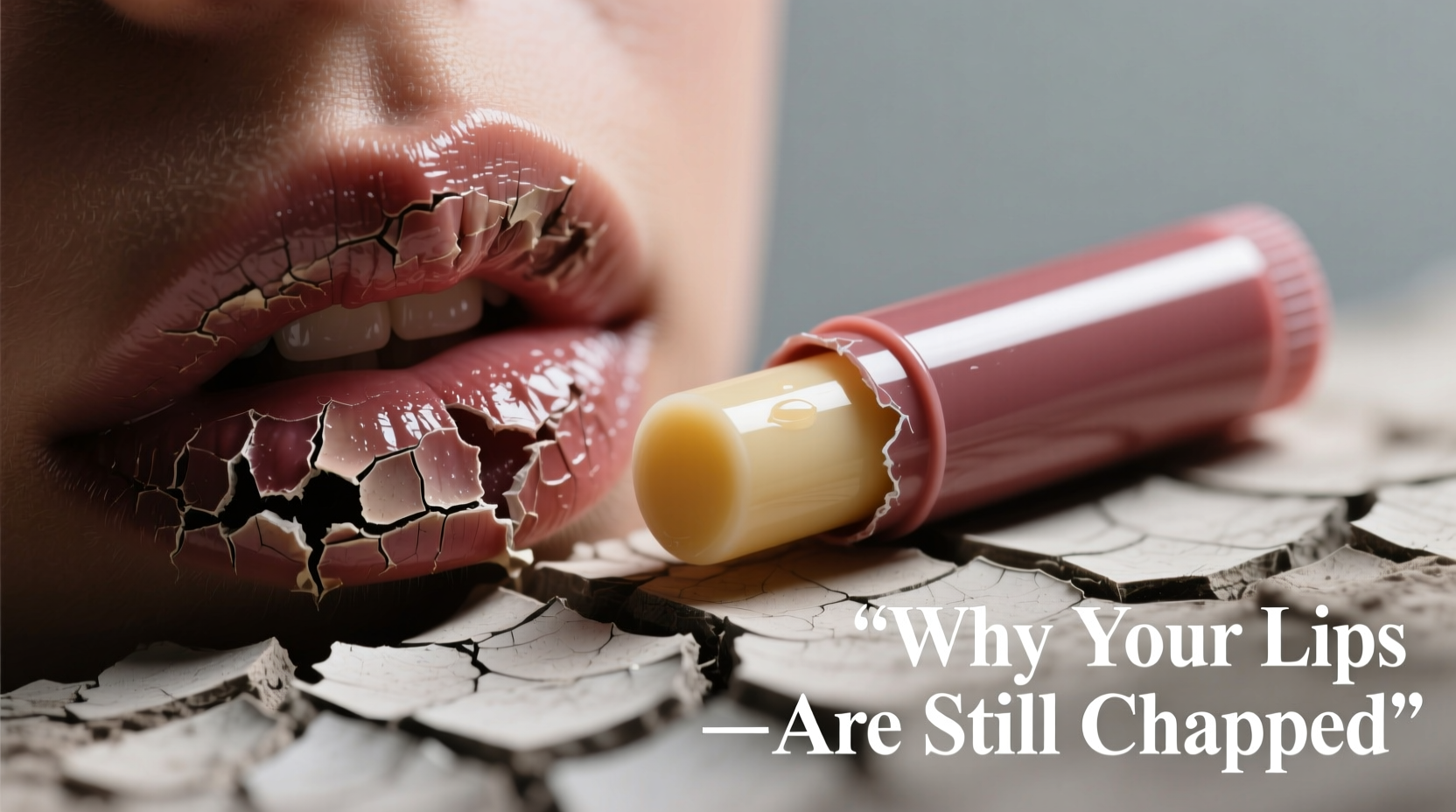
You apply chapstick multiple times a day—morning, afternoon, before bed—yet your lips remain dry, flaky, and sometimes painfully cracked. It’s frustrating when a product designed to heal seems to do nothing at all. The truth is, chapstick isn’t always the solution it’s marketed to be. In fact, overreliance on certain lip balms can make chapping worse. Understanding why your lips aren’t healing requires looking beyond the tube and into habits, ingredients, and underlying causes.
The Cycle of Dependence: Why Chapstick Can Make Things Worse
Many people fall into what dermatologists call the “lip balm addiction” cycle. You feel dryness, apply balm, get temporary relief, then soon after feel dry again. This prompts reapplication, often dozens of times a day. While this seems harmless, some ingredients in popular chapsticks actually contribute to chronic dryness.
Common culprits include menthol, camphor, phenol, and alcohol-based fragrances. These create a cooling or tingling sensation that feels therapeutic but can be mildly irritating. Over time, they strip natural oils and trigger inflammation, making lips more vulnerable to moisture loss. As irritation increases, you apply more balm, perpetuating the cycle.
Tip: If your lip balm stings or tingles upon application, it may contain irritants that worsen chapping over time.Ingredients That Help—And Those That Harm
Not all lip products are created equal. The key to effective lip care lies in understanding ingredient labels. Some compounds lock in moisture; others evaporate quickly or invite irritation.
| Beneficial Ingredients | Harmful Ingredients |
|---|---|
| Beeswax – Forms a protective barrier without clogging pores. | Menthol/Camphor – Cause tingling that masks irritation but damages sensitive skin. |
| Shea Butter – Deeply moisturizing with fatty acids. | Phenol – Exfoliates too aggressively for delicate lip tissue. |
| Squalane – Mimics natural skin oils for long-lasting hydration. | Alcohol (SD Alcohol, Ethanol) – Drying and sensitizing. |
| Petroleum Jelly (Vaseline) – Excellent occlusive agent. | Synthetic Fragrances/Flavors – Common allergens linked to contact dermatitis. |
Choose products labeled “fragrance-free” and “hypoallergenic,” and avoid anything marketed as “tinted,” “plumping,” or “tingling”—these almost always contain irritants.
Underlying Causes of Persistent Chapping
If you’ve switched to a clean, non-irritating balm and still struggle with dry lips, the issue likely extends beyond topical treatment. Several internal and environmental factors contribute to chronic chapping:
- Dehydration: Even mild dehydration affects mucous membranes first—lips being among the most visible indicators.
- Nutritional Deficiencies: Low levels of B vitamins (especially B2, B3, B6), iron, and zinc impair skin repair.
- Allergic Contact Cheilitis: An allergic reaction to ingredients in toothpaste, lipstick, or even food dyes.
- Medications: Retinoids, antihistamines, acne treatments, and certain blood pressure drugs list dry lips as a side effect.
- Lip Licking: A common habit that provides momentary relief but evaporates moisture and introduces enzymes from saliva that break down lip tissue.
“Patients often don’t realize their toothpaste contains sodium lauryl sulfate—a known irritant that contributes significantly to persistent lip inflammation.” — Dr. Lena Torres, Board-Certified Dermatologist
Real Example: Sarah’s Story
Sarah, a 34-year-old teacher, used a popular medicated lip balm six to eight times daily. Despite this, her lower lip remained cracked and raw for months. After visiting a dermatologist, she discovered two issues: her toothpaste contained SLS (sodium lauryl sulfate), and she was mildly deficient in vitamin B2. By switching to an SLS-free toothpaste and increasing her intake of dairy and eggs, her symptoms resolved within three weeks—without changing her lip balm.
Step-by-Step Guide to Healing Chronically Chapped Lips
Breaking the cycle requires a strategic approach. Follow this timeline to restore healthy lip function:
- Day 1–3: Eliminate Irritants
Stop using any lip product with fragrance, flavor, menthol, or phenol. Switch to plain petroleum jelly or a minimalist balm with beeswax and shea butter. - Day 4–7: Support Hydration & Nutrition
Increase water intake to at least 2 liters per day. Add foods rich in B vitamins (whole grains, eggs, leafy greens) and zinc (nuts, seeds, legumes). Consider a daily multivitamin if diet is inconsistent. - Day 8–14: Night Repair Routine
Apply a thick layer of ointment (like Vaseline) before bed. Use a humidifier in your bedroom to prevent overnight drying. - Ongoing: Prevent Relapse
Avoid licking lips. Reapply balm only when necessary—no more than 3–4 times daily. Protect lips outdoors with a wide-brimmed hat or SPF-rated balm during daylight hours.
When to See a Doctor
Most cases of chapped lips resolve within two to three weeks with proper care. However, persistent cracking, bleeding, or pain lasting longer than a month warrants medical evaluation. Conditions like angular cheilitis (infection at the corners of the mouth), eczematous cheilitis, or early signs of actinic cheilitis (sun damage that can precede skin cancer) require professional diagnosis.
Red flags include:
- Cracks that won’t heal or bleed frequently
- Swelling, blistering, or peeling
- White patches or thickened areas on the lips
- Pain extending into the surrounding facial skin
Frequently Asked Questions
Can I be allergic to my lip balm?
Yes. Allergic contact cheilitis is a delayed hypersensitivity reaction. Symptoms include itching, redness, swelling, and scaling after using a product. Patch testing by a dermatologist can identify specific allergens.
Is it bad to exfoliate chapped lips?
Only when done gently and sparingly. Aggressive scrubbing worsens micro-tears. If needed, use a soft toothbrush or damp washcloth once weekly, followed immediately by an occlusive ointment.
Why do my lips chap only in winter?
Cold air holds less moisture, and indoor heating further dries the environment. Combine this with increased indoor breathing through the mouth and reduced fluid intake, and lips become especially vulnerable.
Final Checklist for Healthier Lips
- Switch to a fragrance-free, irritant-free lip balm or ointment
- Replace toothpaste containing sodium lauryl sulfate (SLS)
- Drink more water throughout the day
- Boost intake of B vitamins and zinc
- Use a humidifier at night
- Avoid lip licking and biting
- Protect lips from wind and sun with physical barriers or SPF
- See a dermatologist if no improvement in 3 weeks









