If you've scrolled through TikTok, Instagram, or even walked into a pop-up gift shop recently, you’ve likely seen them: small, wide-eyed plush toys of cats dramatically confronting pickles. The “Cats vs Pickles” plush phenomenon has exploded seemingly overnight, appearing in unboxing videos, influencer hauls, and children’s bedrooms across the globe. But how did this absurdly specific toy concept become a global sensation? And more importantly, what does its sudden ubiquity say about modern consumer culture, nostalgia, and digital virality?
The answer lies at the intersection of internet humor, emotional design, and strategic marketing. What appears to be a simple novelty item is actually the result of carefully orchestrated trends, psychological appeal, and timing that aligns perfectly with current online behaviors.
The Origins of the Trend
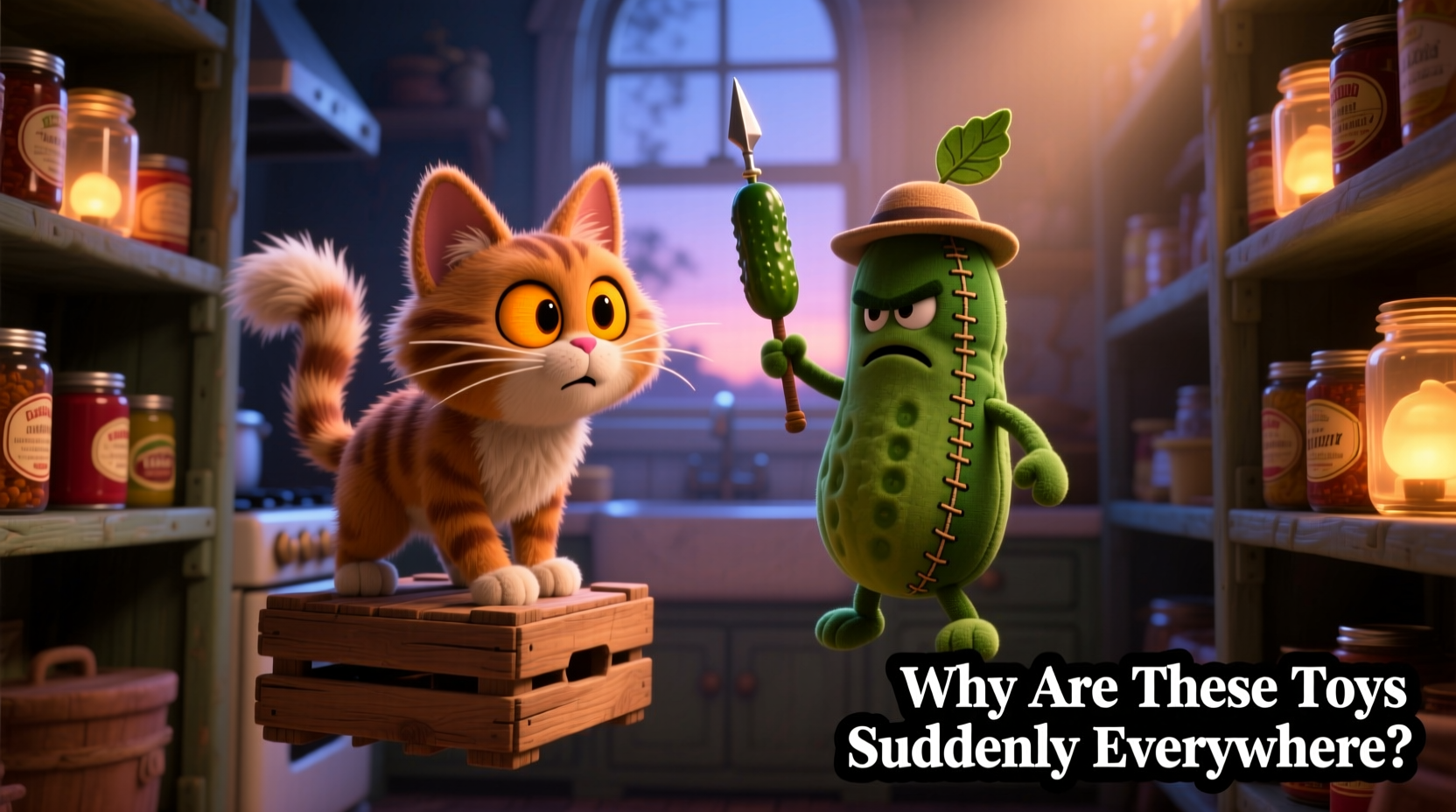
The first known appearance of a cat-versus-pickle plush was on a now-deleted Etsy listing in early 2022. A small independent designer uploaded a handmade plush depicting a cartoonish tabby cat hissing at a bright green pickle with exaggerated facial expressions. The product description read: “For when your pet senses danger… even if it’s just lunch.” It gained minor traction in niche meme communities but didn’t go mainstream until late 2023.
The real breakthrough came when a TikTok user named @OddToysDaily posted a 15-second video titled “My cat is terrified of pickles???” showing their actual cat recoiling from a Cats vs Pickles plush. The video, clearly staged for comedic effect, went viral with over 4 million views. Within weeks, dozens of creators began replicating the joke—posting fake “pickle phobia” reactions, creating stop-motion animations, and even launching parody ASMR videos featuring pickle confrontations.
By Q1 2024, major retailers like Hot Topic, BoxLunch, and Amazon had picked up licensed versions of the plush. Chinese manufacturers on Alibaba began mass-producing knockoffs, and by mid-2024, the phrase “cats vs pickles plush” was searched over 270,000 times per month globally.
Tip: If you're considering buying one, check for safety tags and stitching quality—many unofficial versions use low-grade polyester filling.Why These Toys Resonate So Strongly
On the surface, the concept is ridiculous. Cats don’t fear pickles. There’s no biological basis for such a rivalry. Yet the emotional resonance is undeniable. Several psychological and cultural factors explain its popularity:
- Absurdist Humor: In an age of information overload, audiences crave unpredictability. The juxtaposition of two unrelated items—a feline and a fermented cucumber—creates cognitive surprise, which the brain interprets as humor.
- Nostalgic Design: The plush toys often feature oversized heads, soft pastel colors, and large glassy eyes reminiscent of 90s Japanese kawaii culture and early Webkinz-style toys, triggering nostalgic feelings in millennials and Gen Z.
- Emotional Projection: Pet owners frequently anthropomorphize their animals. The idea that a cat might have irrational fears (like hating pickles) mirrors human anxieties, making the toy relatable on a deeper level.
- Shareability: The visual contrast between cat and pickle is instantly recognizable and highly photogenic, ideal for social media thumbnails and reaction videos.
“Virality today isn’t about quality—it’s about emotional hooks wrapped in absurdity. Cats vs Pickles taps into both.” — Dr. Lena Torres, Digital Culture Researcher at NYU
Manufacturing and Marketing Behind the Hype
The rapid scaling of the Cats vs Pickles plush reveals a textbook case of trend exploitation. Once influencers demonstrated demand, suppliers moved quickly. Most official plushes are produced in Fujian Province, China, where factories specialize in fast-turnaround novelty items. Production cycles dropped from six weeks to under ten days during peak demand.
Marketing strategies focused heavily on scarcity and collectibility. Limited-edition variants were released weekly—glow-in-the-dark pickles, “spicy chili” editions, and even “cat wins” or “pickle triumphs” storylines. Some brands introduced blind boxes, encouraging repeat purchases.
Brands also leveraged cross-promotions. One notable collaboration with a vegan snack company included a free plush with every $30 purchase of plant-based dill pickles—an ironic twist that further fueled online discussion.
Comparison of Major Cats vs Pickles Plush Brands
| Brand | Price Range | Material Quality | Unique Features |
|---|---|---|---|
| Kawaii Clash (Official) | $14.99–$24.99 | High (OEKO-Tex certified fabric) | LED eyes, limited editions |
| Fuzzy Feud (Amazon) | $8.99–$12.99 | Medium (polyester blend) | Dual-pack options |
| Chaos Critters (Etsy) | $18.00–$35.00 | Premium (hand-stitched, organic cotton) | Customizable expressions |
| Budget Brine Bros (AliExpress) | $2.50–$5.00 | Low (non-certified fill) | Mass bundles (10+ units) |
Real-World Impact: A Mini Case Study
In Portland, Oregon, local toy boutique “Odd Socks & Co.” reported a 300% increase in foot traffic after dedicating a display wall to Cats vs Pickles plushes. Owner Maya Tran initially ordered five units as a joke. “I thought it would be a funny conversation starter,” she said. “But within a week, people were asking for specific variants. We sold out in three days.”
Tran responded by hosting a “Pickle Panic Party”—a weekend event with pickle-tasting samples, DIY plush customization stations, and a photo booth with oversized props. Social media posts from the event reached over 50,000 accounts. More surprisingly, sales of other quirky plushes increased by 40%, suggesting that the Cats vs Pickles trend acted as a gateway to broader novelty toy interest.
“It wasn’t just about the toy,” Tran observed. “It was about participation in a shared joke. People wanted to be part of the absurdity.”
How to Navigate the Trend: A Practical Checklist
Whether you’re a collector, parent, or curious observer, here’s how to engage wisely with the Cats vs Pickles phenomenon:
- Verify authenticity—look for brand labels and secure stitching.
- Check age recommendations; some versions contain small parts.
- Support small creators on Etsy or Shopify for unique designs.
- Use the plush as a conversation starter or icebreaker in social settings.
- Store in a dry place away from direct sunlight to prevent fading.
- Consider gifting in themed sets (e.g., “The Great Cucumber Uprising” series).
Frequently Asked Questions
Are cats really afraid of pickles?
No, there is no scientific evidence that cats have a natural fear of pickles. Any reaction is likely due to the strong vinegar smell or sudden movement when the pickle is presented. The “fear” is largely a humorous internet myth amplified by staged videos.
Is the Cats vs Pickles plush safe for young children?
Most official versions are labeled for ages 3+, but cheaper imports may have loose eyes or substandard filling. Always inspect seams and attachments before giving to toddlers.
Will this trend last beyond 2025?
While the peak hype may fade, experts believe the design will persist in niche markets. Similar to how “Unicorn Wars” or “Avocado Toast” memes evolved into lasting merchandise lines, Cats vs Pickles has enough cultural footprint to survive as a retro novelty item.
Conclusion: Embracing the Absurd
The rise of the Cats vs Pickles plush isn’t just a flash-in-the-pan meme. It reflects a larger shift in how we consume entertainment, connect emotionally with objects, and participate in collective digital storytelling. In a world increasingly dominated by algorithms and polished content, the charm of something deliberately silly and illogical offers a refreshing escape.
These plush toys are more than fabric and stuffing—they’re symbols of joy, irony, and the power of shared imagination. Whether you collect them, gift them, or simply enjoy the humor, embracing the absurd can be a surprisingly meaningful act.
🚀 Love the chaos? Share your own Cats vs Pickles moment online and tag #CatsVsPicklesChallenge. Who knows—your post might spark the next big trend.








