Cats are notoriously selective about their drinking habits. Many owners notice their pets sipping from sinks, bathtubs, or even puddles—anywhere but the water bowl. This behavior isn't just quirky; it reflects a deeper instinct. In the wild, cats avoid stagnant water, preferring flowing sources that signal freshness and safety. As responsible pet owners, understanding how to encourage consistent hydration is crucial. Dehydration in cats can lead to urinary tract issues, kidney disease, and other chronic conditions. The debate between using a traditional water bowl versus a cat water fountain centers on one key question: which option supports better long-term hydration? The answer involves behavioral science, veterinary insight, and practical observation.
The Hydration Challenge in Domestic Cats
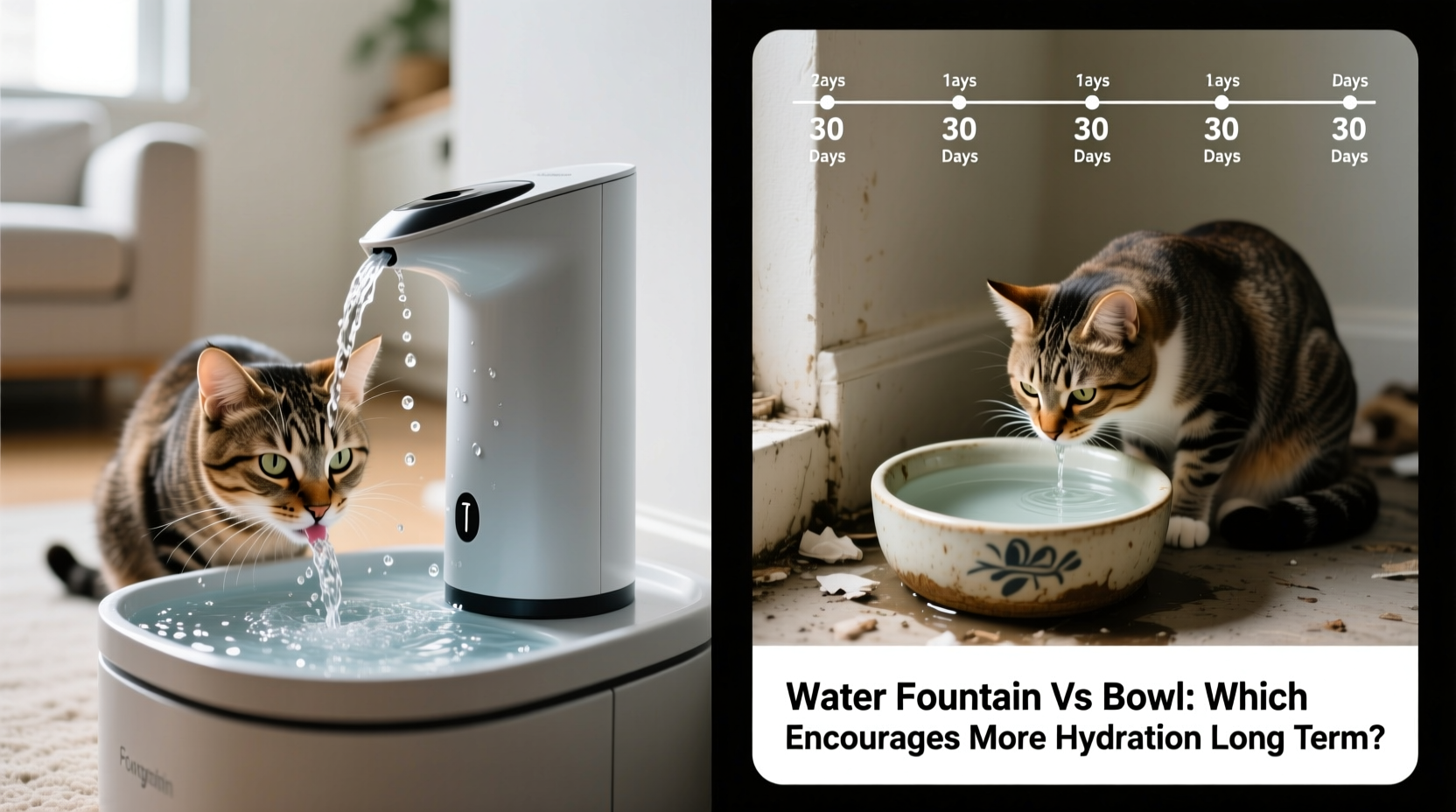
Unlike dogs, cats have a naturally low thirst drive. This stems from their evolutionary background as desert animals, where they obtained most of their moisture from prey. Today’s domestic cats still rely heavily on this adaptation, often consuming insufficient water when fed dry kibble. According to the American Veterinary Medical Association (AVMA), cats eating exclusively dry food may intake only half the water they need daily. Chronic mild dehydration increases the risk of feline lower urinary tract disease (FLUTD), one of the most common reasons for vet visits.
Encouraging increased water consumption isn’t just about availability—it’s about appeal. Water must be clean, cool, and moving to trigger a cat’s interest. Stagnant water in a standard bowl quickly loses oxygen, develops biofilm, and absorbs ambient odors, all of which deter sensitive felines. This is where the design of the water container becomes a critical factor in long-term hydration success.
How Water Fountains Encourage Drinking Behavior
Cat water fountains simulate natural flowing water by continuously circulating and filtering the supply. Most models use a pump to create a gentle stream or bubbling effect, mimicking a brook or spring. This movement captures a cat’s attention through sight and sound, triggering curiosity and encouraging exploration. Once a cat investigates and tastes the water, the improved freshness often leads to repeated visits.
The filtration systems in quality fountains remove impurities such as hair, dust, and chlorine byproducts. Some models include activated carbon filters that reduce odors, making the water more palatable. Because the water is constantly aerated, it stays cooler and more oxygen-rich than in a static bowl, further enhancing its appeal.
Tip: Place the fountain in a quiet area away from the litter box and food bowl—cats prefer separate zones for eating, drinking, and eliminating.A 2020 study published in the *Journal of Feline Medicine and Surgery* observed that cats with access to water fountains drank an average of 30% more per day than those using only bowls. Over time, this incremental increase can significantly reduce the risk of crystal formation and bladder inflammation.
Bowl Limitations and Common Pitfalls
While simple and inexpensive, traditional water bowls come with inherent drawbacks. Even when cleaned daily, water begins to degrade within hours. Dust particles, airborne contaminants, and saliva accumulate rapidly. Plastic bowls are especially problematic—they can harbor bacteria in microscopic scratches and may leach chemicals that alter taste. Stainless steel or ceramic options are better but don’t solve the core issue: stagnation.
Another concern is “whisker fatigue.” Cats have highly sensitive whiskers, and repeated contact with the sides of narrow or deep bowls can cause discomfort. This subtle stress may discourage frequent drinking, especially in cats already predisposed to avoidance behaviors.
Location also plays a role. If a bowl is placed next to the food dish, many cats will avoid it. In the wild, water sources are typically distant from feeding areas to prevent contamination. Respecting this instinct improves acceptance. Additionally, bowls require more frequent monitoring—owners must refill and scrub them multiple times a day to maintain hygiene, a commitment that often lapses in busy households.
“Cats are fastidious drinkers. If the water doesn’t meet their standards of freshness and flow, they simply won’t drink it—and owners may not even realize their cat is dehydrated until symptoms appear.” — Dr. Lena Torres, DVM, Feline Internal Medicine Specialist
Comparative Analysis: Fountain vs Bowl
| Feature | Cat Water Fountain | Traditional Water Bowl |
|---|---|---|
| Water Freshness | High – continuously filtered and aerated | Low – degrades within hours |
| Hydration Encouragement | Strong – movement attracts interest | Limited – relies on habit |
| Maintenance Frequency | Moderate – weekly cleaning, filter changes | High – daily scrubbing and refilling |
| Whisker Comfort | Good – wide surface area, shallow flow | Poor – if bowl is narrow or deep |
| Initial Cost | Higher ($30–$80) | Low ($5–$15) |
| Long-Term Value | High – promotes health, reduces vet costs | Low – higher risk of dehydration-related illness |
| Energy Use | Requires electricity | None |
Real-World Impact: A Mini Case Study
Sarah, a cat owner from Portland, noticed her 7-year-old tabby, Milo, was urinating frequently and seemed lethargic. A vet visit revealed early-stage kidney crystals. The veterinarian recommended increasing Milo’s water intake immediately. Sarah tried placing multiple bowls around the house, but Milo ignored them. On the vet’s suggestion, she purchased a stainless steel cat fountain with a triple filtration system.
Within two days, Milo began investigating the fountain. By the end of the first week, his water consumption had visibly increased—he was seen drinking several times a day, something he’d never done before. After three months, a follow-up ultrasound showed the crystals had dissolved. Sarah credits the fountain not just with improving hydration, but with changing Milo’s entire relationship with water. “He now runs to the fountain when it turns on,” she says. “It’s become part of his routine.”
This case illustrates a broader trend: while bowls are passive tools, fountains actively engage cats. The long-term benefit isn’t just measured in ounces of water consumed, but in reduced disease incidence and improved quality of life.
Step-by-Step Guide to Transitioning from Bowl to Fountain
Introducing a water fountain requires patience and strategy. Cats are creatures of habit and may initially distrust new objects. Follow these steps to ensure a smooth transition:
- Choose the Right Model: Opt for a quiet pump, BPA-free materials, and multiple flow settings. Ceramic or stainless steel units tend to be more durable and hygienic.
- Place It Strategically: Position the fountain in a low-traffic area, away from food and litter. Ensure it’s easily accessible but not in a drafty or noisy spot.
- Run It Before Introduction: Turn on the fountain and let it operate for a few hours so the cat becomes familiar with the sound before interaction.
- Keep the Old Bowl Nearby: Maintain the existing bowl during the transition phase. Gradually move it farther away over 7–10 days.
- Monitor and Clean: Clean the fountain weekly and replace filters as recommended. Cats notice changes in water quality quickly.
- Reinforce Positive Behavior: Praise or gently reward your cat when they approach or drink from the fountain.
Common Misconceptions About Cat Hydration
Several myths persist about how cats should drink. One is that “if they’re eating wet food, they don’t need extra water.” While wet food does contribute to fluid intake, it doesn’t eliminate the need for free-choice drinking water. Another myth is that “all cats hate running water.” In reality, many cats are drawn to it—their reluctance often stems from fear of noise or unfamiliarity.
Some owners worry that fountains waste water. However, most recirculate the same supply, using minimal electricity and no additional water beyond what would be lost to evaporation in a bowl. Others believe that once a cat adapts to a fountain, reverting to a bowl is impossible. While preference can develop, cats can readjust if necessary—especially if the alternative is fresh, clean water presented appropriately.
Frequently Asked Questions
Do all cats prefer water fountains?
No, not all cats do. Individual preferences vary. Some cats adapt quickly, while others may take weeks or never accept a fountain. Offering both options temporarily can help determine preference.
How often should I clean a cat water fountain?
Most manufacturers recommend a full disassembly and cleaning every 7–10 days. Filters should be replaced monthly or as indicated. Daily wiping of the water surface helps prevent biofilm buildup.
Can I use tap water in a cat fountain?
Yes, most tap water is safe. However, if your water is high in minerals or chlorine, consider using filtered water to improve taste and reduce scaling in the pump.
Action Plan: Maximizing Long-Term Hydration
- Evaluate your cat’s current drinking habits—are they avoiding the bowl?
- Assess whether environmental factors (noise, location, bowl material) might be discouraging use.
- Invest in a high-quality fountain with adjustable flow and quiet operation.
- Implement a gradual transition using positive reinforcement.
- Track water intake by refilling patterns or using smart tracking bowls (optional).
- Schedule biannual vet checkups to monitor kidney and urinary health.
“The right water delivery system isn’t a luxury—it’s preventive medicine. For cats prone to urinary issues, a fountain can be as important as diet.” — Dr. Rajiv Mehta, Board-Certified Feline Veterinarian
Conclusion
When comparing cat water fountains and bowls in terms of long-term hydration, the evidence strongly favors fountains. Their ability to provide fresh, flowing, aerated water aligns with a cat’s natural instincts and significantly increases voluntary drinking. While bowls remain a low-cost option, they require rigorous maintenance and often fail to engage cats effectively. Over months and years, the incremental benefits of consistent hydration—from reduced UTIs to healthier kidneys—make fountains a worthwhile investment in feline wellness.
🚀 Ready to improve your cat’s hydration? Start by researching quiet, easy-to-clean fountains today. Your cat’s long-term health may depend on the choice you make now.








