Cats are notorious for their picky drinking habits. Many owners notice their pets ignoring full water bowls, only to later sip from dripping faucets or puddles on the floor. This behavior has led to a surge in popularity for cat water fountains—devices designed to mimic the movement and freshness of running water. But is there real value in upgrading from a simple bowl to a flowing fountain? Or is it just another pet product trend with minimal benefit?
The answer lies in understanding feline instincts, hydration needs, and how water presentation influences consumption. While both bowls and fountains serve the same basic function—providing access to water—their design, maintenance, and appeal to cats differ significantly. Let’s explore whether flowing water truly encourages better hydration and what that means for your cat’s long-term health.
Why Hydration Matters for Cats
Cats have evolved from desert-dwelling ancestors, which means they naturally derive much of their moisture from prey rather than drinking large amounts of water. This biological trait makes them less inclined to drink frequently, even when living indoors with consistent food and water access. Unfortunately, this predisposition increases their risk of chronic dehydration—a condition linked to urinary tract issues, kidney disease, and bladder stones.
Veterinarians emphasize that proper hydration supports kidney function, aids digestion, regulates body temperature, and maintains healthy skin and coat. Yet studies suggest that up to 80% of domestic cats do not consume adequate daily water, especially those on dry food diets. Increasing water intake—even by small increments—can make a measurable difference in long-term wellness.
“Cats don’t have a strong thirst drive like dogs or humans. That’s why encouraging passive hydration through appealing water sources is critical.” — Dr. Lena Torres, DVM, Feline Health Specialist
The Psychology of Moving Water: Instinct vs. Preference
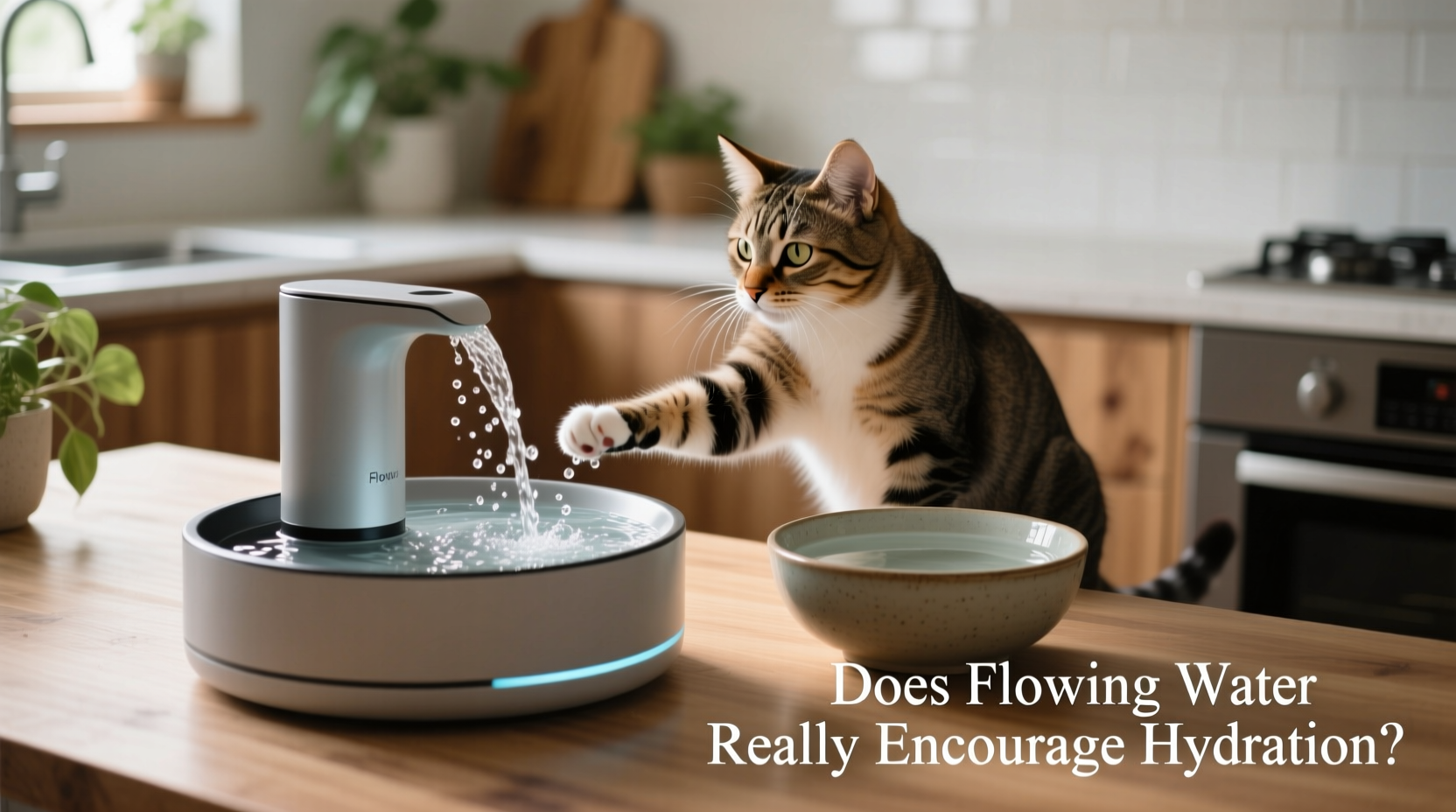
In the wild, cats avoid stagnant water sources due to potential contamination. Flowing water signals freshness and safety—an evolutionary advantage that persists in domesticated cats today. This instinct explains why many cats prefer drinking from sinks, showers, or outdoor puddles after rainfall. A water fountain replicates this natural preference by providing continuous motion, oxygenation, and filtration.
Unlike still water in a bowl, which can develop a film or absorb ambient odors, moving water remains aerated and visually stimulating. The gentle sound and ripple effect may also attract curious cats who are more likely to investigate and drink. Some owners report immediate interest from their pets upon introducing a fountain, while others observe gradual adoption over days or weeks.
Tip: Place the fountain in a quiet area away from food and litter boxes. Cats prefer clean, low-traffic zones for drinking.Comparing Cat Water Fountains and Bowls: A Detailed Breakdown
To assess which option better promotes hydration, consider key factors such as water quality, ease of cleaning, accessibility, and feline behavior. The table below outlines a side-by-side comparison based on practical use and veterinary recommendations.
| Feature | Cat Water Fountain | Traditional Water Bowl |
|---|---|---|
| Water Freshness | Continuously filtered and circulated; stays fresher longer | Stagnant; prone to dust, debris, and bacterial growth within hours |
| Hydration Encouragement | Flowing water appeals to instinct; often increases intake by 20–50% | Limited appeal; cats may ignore if water appears stale |
| Cleaning Frequency | Requires weekly disassembly and cleaning to prevent mold and mineral buildup | Should be washed daily; easier to clean but harder to keep consistently fresh |
| Maintenance Effort | Moderate (filter replacement, pump cleaning) | Low (rinse and refill) |
| Cost Over Time | Higher initial cost ($30–$80) + replacement filters ($10–$20 every 1–3 months) | Negligible (one-time purchase under $10) |
| Suitability for Multi-Cat Homes | Better for multiple cats due to larger capacity and constant flow | Risk of dominance-related blocking at shared bowls |
While fountains offer clear advantages in promoting consistent hydration, they are not universally ideal. Some cats remain indifferent or even fearful of the noise or vibration. Others may prefer wide, shallow bowls that accommodate their sensitive whiskers. The best choice ultimately depends on individual temperament, home environment, and owner commitment to upkeep.
Real-World Impact: A Mini Case Study
Sarah, a cat owner in Portland, noticed her 7-year-old tabby, Milo, was urinating frequently and seemed lethargic. A vet visit revealed early signs of chronic kidney disease, likely exacerbated by years of low water intake. Milo had always ignored his stainless steel bowl, even when refilled twice daily.
On her veterinarian’s recommendation, Sarah introduced a ceramic cat fountain with a whisper-quiet pump. She placed it near a windowsill where Milo liked to nap. Within two days, he began pawing at the water stream. By week three, his urine concentration improved significantly, and follow-up tests showed stabilized kidney values.
“I never realized how much the presentation mattered,” Sarah said. “He didn’t need more water—he needed water that looked alive.”
This case reflects a broader pattern observed in veterinary clinics: subtle environmental changes can yield outsized health benefits. For cats already at risk for urinary or renal conditions, switching to a fountain isn’t just convenient—it’s preventive medicine.
How to Maximize Hydration Regardless of Water Source
Whether you choose a fountain or a bowl, several strategies can enhance your cat’s water consumption. These apply across all feeding styles and household setups.
Step-by-Step Guide to Boosting Feline Hydration
- Provide Multiple Water Stations: Place water sources in different rooms, especially away from food and litter areas. Cats avoid drinking where they eat due to instinctive hygiene preferences.
- Use Wide, Shallow Containers: Deep bowls can cause \"whisker fatigue,\" where sensitive whiskers touch the sides, making drinking uncomfortable. Opt for broad, flat dishes.
- Add Wet Food to the Diet: Canned or raw diets contain 70–80% moisture, compared to 10% in dry kibble. Even supplementing one meal a day can dramatically increase total fluid intake.
- Flavor the Water Temporarily: Add a splash of tuna juice (without salt) or low-sodium chicken broth to entice reluctant drinkers. Phase it out once habits form.
- Monitor and Refill Daily: Stale, dusty, or algae-tinted water discourages drinking. Rinse containers every day and replace water completely.
- Try Different Materials: Stainless steel, glass, and ceramic are non-porous and resist biofilm. Avoid plastic, which can leach odors and harbor bacteria.
Common Myths About Cat Drinking Behavior
- Myth: Cats don’t need much water because they’re desert animals.
Truth: While they evolved to conserve water, modern diets (especially dry food) increase their need for external hydration.
- Myth: All cats will drink from any clean bowl.
Truth: Individual preferences vary widely. Some cats are highly selective about water location, depth, and movement.
- Myth: Fountains are high-maintenance and not worth the effort.
Truth: With a consistent cleaning routine, most fountains require only 10 minutes of maintenance per week—comparable to daily bowl washing.
FAQ: Your Top Questions Answered
Do cat water fountains actually increase water intake?
Yes, multiple observational studies and veterinary reports indicate that cats drink more when offered flowing water. One 2020 study published in the *Journal of Feline Medicine and Surgery* found an average 30% increase in daily water consumption among cats using fountains versus static bowls.
Can I use tap water in a cat fountain?
Yes, but if your tap water is high in minerals (hard water), it may lead to faster scaling on the pump and filter. Using filtered or bottled water can extend the life of the device and improve taste for sensitive cats.
Are cat fountains safe? Could my cat get shocked?
Reputable brands design fountains with low-voltage pumps and sealed units that meet electrical safety standards. As long as the device is used according to instructions and not damaged, the risk of shock is negligible.
Checklist: Choosing the Right Water Solution for Your Cat
- ☐ Assess your cat’s current drinking habits—do they avoid the bowl or seek running water?
- ☐ Measure available space and noise tolerance—some fountains hum softly, others are nearly silent.
- ☐ Decide on material: ceramic resists algae, stainless steel is durable, plastic is lightweight but less hygienic.
- ☐ Consider multi-cat dynamics—larger fountains with multiple streams reduce competition.
- ☐ Commit to a cleaning schedule—weekly disassembly is essential for hygiene.
- ☐ Try both options if possible—some cats adapt quickly, others need time or may prefer a hybrid approach (e.g., fountain plus supplemental bowls).
Conclusion: Does Flowing Water Make a Difference?
The evidence strongly supports that flowing water does encourage hydration in cats. It taps into deep-seated instincts, improves perceived freshness, and creates a dynamic drinking experience that still water simply can’t match. While traditional bowls remain functional and economical, they fall short in engaging cats who are naturally drawn to movement and clarity.
A cat water fountain isn’t a luxury—it’s a tool for proactive health management. Especially for indoor cats on dry diets, or those with a history of urinary issues, the investment in a quality fountain can pay dividends in vitality and longevity. However, success depends not just on the device, but on thoughtful placement, regular maintenance, and understanding your cat’s unique preferences.
💬 Have you switched from a bowl to a fountain? Share your experience—what worked, what didn’t, and how your cat responded. Your insights could help another owner make a life-changing decision.








