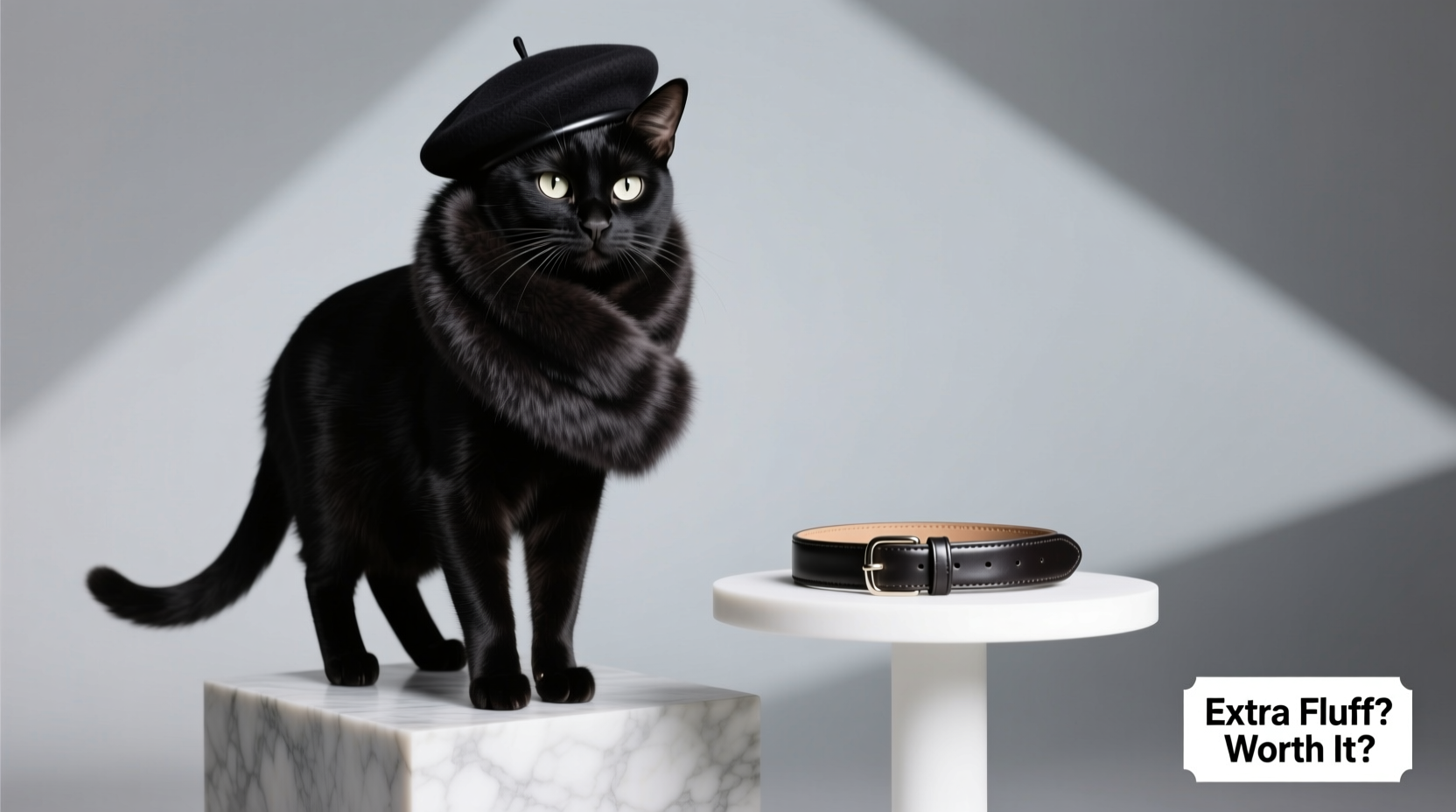
For many cat owners, dressing up their feline companions has become more than a trend—it's an expression of affection and personality. From tiny bow ties to knitted scarves and miniature berets, pet fashion has evolved rapidly. But when it comes to accessories like cat scarves, berets, and traditional collars, one question lingers: Is the extra flair worth the trade-offs in safety, comfort, and function?
While decorative items may turn heads on social media, they must never compromise a cat’s well-being. This article examines the real differences between stylish accessories and functional collars, offering practical insights into what truly matters for your cat.
Understanding the Basics: Function vs Fashion
A cat collar serves a primary purpose: identification and safety. Most standard collars are made from lightweight nylon or polyester, equipped with breakaway clasps that release under pressure—preventing choking if the collar snags on furniture or branches. Many also support ID tags or GPS trackers, making them essential for outdoor or escape-prone cats.
In contrast, cat scarves and berets fall squarely into the fashion category. These accessories are typically made from soft knit fabrics, ribbons, or fleece, designed to drape around the neck or sit atop the head like a human accessory. They lack structural support for tags and almost never include breakaway mechanisms. Their appeal lies purely in aesthetics, often used for photo shoots, holidays, or seasonal themes.
The core distinction is this: collars are built for utility; scarves and berets are built for charm.
Safety First: The Hidden Risks of Decorative Wear
Even the most adorable accessory can pose serious risks if not used responsibly. Cats are naturally agile and curious, often squeezing into tight spaces or brushing against objects. A scarf trailing behind or a beret slipping over the eyes can disorient or entangle a cat, leading to panic or injury.
Veterinarians consistently warn against leaving decorative items unattended on cats. Dr. Lena Patel, a feline behavior specialist, emphasizes:
“Cats don’t understand fashion. What looks cute to us might feel restrictive or frightening to them. Any non-essential accessory should only be worn under direct supervision and removed immediately after use.” — Dr. Lena Patel, DVM, Feline Wellness Clinic
Unlike breakaway collars, which are tested for tensile strength and release thresholds, scarves and berets are rarely engineered with feline safety in mind. Knots can tighten, fabric can fray, and elastic bands (if present) may trap paws or ears.
Tip: Never leave your cat unattended while wearing a scarf or beret. Limit wear time to 10–15 minutes during supervised interaction.Comfort and Behavior: How Cats React to Accessories
Cats are highly sensitive to changes in texture, weight, and fit. While some adapt quickly to collars—especially when introduced gradually—many resist anything that alters their natural movement or field of vision.
A lightweight collar, once acclimated, often becomes “invisible” to a cat within days. Scarves, however, add bulk around the neck, which can interfere with grooming, eating, or even lying down comfortably. Berets may shift during movement, covering the ears or obstructing sight, triggering defensive behaviors like pawing, head shaking, or attempts to flee.
Behavioral signs that an accessory isn’t working include:
- Excessive scratching at the neck or head
- Refusal to eat or groom
- Hiding or increased vocalization
- Attempts to remove the item by rubbing against furniture
If your cat shows any of these reactions, discontinue use immediately. No photo opportunity is worth distress.
When Fashion Meets Function: Hybrid Solutions
Some brands now offer “fashion collars”—stylish designs that still incorporate breakaway clasps and tag loops. These strike a balance between visual appeal and safety. For example, a floral-patterned collar with a secure clasp allows for personalization without sacrificing protection.
Alternatively, consider using decorative items as props rather than wearable gear. Drape a scarf loosely around your cat’s shoulders during a photoshoot (without tying it), or place a beret gently on their head just before snapping a picture—then remove it instantly.
This approach preserves the aesthetic while eliminating prolonged exposure to risk.
Comparison Table: Scarf/Beret vs. Regular Collar
| Feature | Scarf & Beret | Regular Cat Collar |
|---|---|---|
| Purpose | Fashion, photography | ID, safety, tracking |
| Breakaway Clasp | Rarely included | Standard feature |
| Tag Compatibility | No | Yes |
| Wear Time Recommendation | Supervised only, ≤15 mins | Can be worn continuously |
| Comfort Level | Low to moderate | Moderate to high (after acclimation) |
| Risk of Entanglement | High | Low (with breakaway) |
| Best For | Photos, special events | Daily wear, outdoor access |
Real Example: Luna the Siamese and Her Holiday Beret
Luna, a 3-year-old Siamese owned by Maria Thompson in Portland, wore a hand-knit red beret for a Christmas photoshoot. Maria secured it loosely with a soft elastic band behind the ears. Within two minutes, Luna began tilting her head aggressively and tried to back under the couch.
Upon closer inspection, Maria realized the band had shifted and was pressing against Luna’s left ear. She removed the beret immediately. “She acted normal again within seconds,” Maria said. “I thought she’d love it because she’s usually so calm. I learned that even gentle accessories can overwhelm them.”
Since then, Maria uses only breakaway collars for daily wear and reserves decorative items for handheld props during brief photo sessions.
Step-by-Step Guide: Safely Introducing Any Accessory
If you want to try a scarf or beret—even briefly—follow this method to minimize stress:
- Choose a quiet time when your cat is relaxed, ideally after a meal or nap.
- Let them sniff the item first and investigate at their own pace.
- Touch it to their fur gently without securing it, watching for signs of tension.
- Secure loosely—if at all—for no more than 30 seconds initially.
- Observe closely for any behavioral changes (pawing, fleeing, freezing).
- Remove immediately if discomfort is shown.
- Never force it. If the cat resists, accept that this accessory isn’t suitable.
Repeat only if the initial trial went smoothly, and always keep sessions short and positive.
Frequently Asked Questions
Can I leave a cat scarf on overnight?
No. Never leave any non-breakaway accessory on a cat unsupervised or during sleep. The risk of entanglement is too high, and cats may panic if restricted.
Are there safe decorative collars available?
Yes. Look for collars labeled “breakaway” with secure but quick-release buckles. Some brands offer festive prints or colors while maintaining safety standards. Always check for tag attachments and proper adjustability.
My cat hates all collars—will a scarf be better?
Unlikely. If your cat resists a lightweight, properly fitted collar, they will almost certainly dislike a scarf or beret, which tend to be bulkier and less predictable in movement. Focus on identification via microchipping if collars aren't tolerated.
Checklist: Before You Dress Up Your Cat
- ✅ Confirm the item does not restrict vision, hearing, or movement
- ✅ Ensure no loose strings, small detachable parts, or choking hazards
- ✅ Supervise continuously while worn
- ✅ Limit wear time to under 15 minutes
- ✅ Have scissors nearby in case of entanglement
- ✅ Prioritize breakaway collars for daily use
- ✅ Respect your cat’s reaction—no pushing past discomfort
Final Thoughts: Style Should Never Override Safety
The rise of pet fashion reflects how deeply we cherish our cats. Yet, their needs differ fundamentally from ours. While a scarf or beret might earn likes online, it cannot replace the vital role of a well-fitted, breakaway collar for identification and security.
The “extra fluff” has its place—in fleeting moments of shared joy, carefully staged photos, or holiday celebrations. But it should never become routine wear. When choosing between fashion and function, let safety lead the way.
💬 Have you tried dressing up your cat? What worked—or didn’t? Share your experience and help others find the right balance between cuteness and care.








