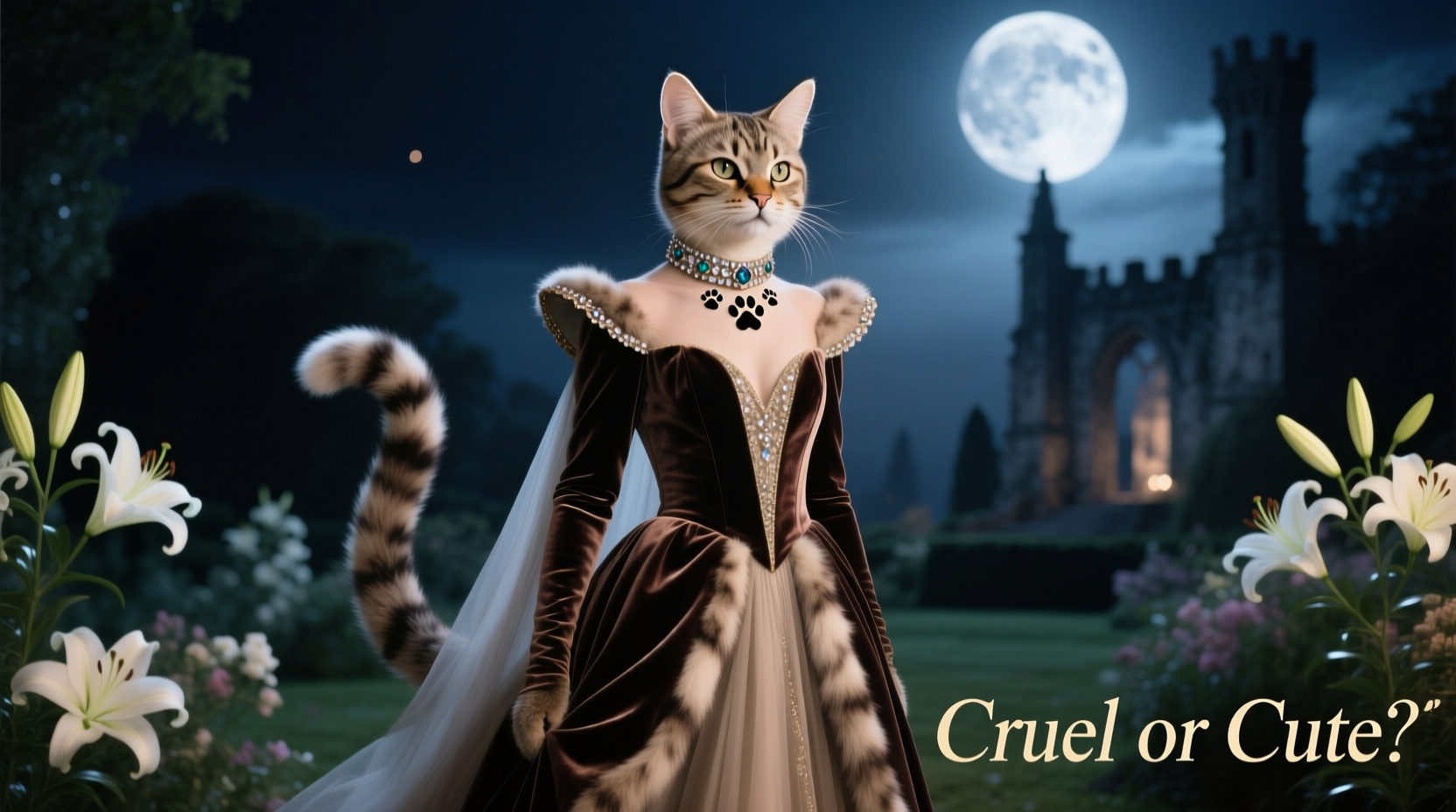
Cat fashion has exploded in popularity over the last decade. From tiny bow ties to elaborate princess gowns, pet owners increasingly dress their cats for photos, holidays, or social media. But as adorable as a frilly \"princess dress\" might look on your feline, questions about animal welfare persist. Is it harmless fun, or does it cross an ethical line? When compared to a simple cat collar—functional, lightweight, and widely accepted—how do these ornamental garments stack up in terms of safety, comfort, and respect for natural behavior?
This article explores the growing trend of dressing cats in elaborate outfits, focusing on the contrast between decorative clothing like \"cat princess dresses\" and utilitarian accessories such as collars. We’ll examine veterinary opinions, behavioral science, and real-world experiences to determine whether these fashions are simply cute or potentially cruel.
The Rise of Cat Fashion: From Collars to Couture
Cat collars have long served practical purposes: identification, flea prevention, and visibility at night. Modern versions often include breakaway clasps designed to prevent strangulation if snagged—a crucial safety feature endorsed by veterinarians.
In contrast, cat princess dresses belong to a newer category of pet apparel: decorative clothing. These garments typically feature lace, ruffles, tulle skirts, and satin ribbons. Marketed toward owners who enjoy anthropomorphizing their pets, they’re commonly used for photo shoots, special occasions, or viral content creation.
While collars are worn daily by millions of cats with minimal issues when properly fitted, princess dresses are generally short-term wear items. Yet even brief use raises concerns about stress, mobility restriction, and skin irritation—especially in cats unaccustomed to being dressed.
Comfort & Safety: A Direct Comparison
| Feature | Cat Princess Dress | Cat Collar |
|---|---|---|
| Purpose | Decorative / Photo use | Identification, safety, medical |
| Wearing Duration | Short-term (minutes to hours) | Daily, long-term |
| Mobility Impact | Moderate to high restriction | Negligible when properly fitted |
| Skin Irritation Risk | Higher (fabric friction, seams) | Low (if soft material used) |
| Choking/Entanglement Risk | High (ribbons, loose threads) | Low (with breakaway clasp) |
| Vet Recommendation | Rarely recommended | Strongly encouraged |
The data shows a clear divergence: collars serve essential functions with built-in safety mechanisms, while princess dresses prioritize aesthetics over utility—and sometimes, over well-being.
Tip: If you choose to dress your cat, limit wear time to under 15 minutes and supervise continuously.Behavioral Impact: What Cats Really Think
Cats are highly sensitive to changes in their environment and physical sensations. Their grooming habits, movement patterns, and territorial behaviors rely on freedom of motion and tactile feedback from their fur. Restrictive clothing can interfere with these instincts.
Dr. Lena Patel, a feline behaviorist at the American Veterinary Medical Association, explains:
“Cats communicate through body language and scent. Covering large portions of their body disrupts both. A dress may cause overheating, limit escape responses, and increase anxiety—especially during handling.”
Signs that a cat is stressed by clothing include:
- Panting or rapid breathing
- Attempts to remove the garment
- Freezing or hiding
- Excessive grooming once the item is removed
- Vocalizing distress (meowing, hissing)
Unlike dogs, which have been selectively bred for human companionship and obedience, cats retain strong independent instincts. Forcing them into roles they didn’t evolve for—such as modeling—can undermine trust and create negative associations.
A Real Example: Bella the Shy Tabby
One owner, Maria T., shared her experience dressing her rescue tabby, Bella, for a birthday photoshoot. She purchased a pink tulle dress with a satin sash, excited to capture “princess” moments. Within two minutes of putting it on, Bella flattened her ears, darted under the bed, and refused to come out for over an hour.
“I thought she’d adjust,” Maria said. “But she kept licking her legs raw afterward. My vet said it was stress-induced overgrooming. I felt awful. Now I only use a soft collar with her ID tag.”
This case reflects a common pattern: owners underestimate how deeply unfamiliar textures and constraints affect cats. What seems like a quick photo op can leave lasting emotional residue.
When Clothing Might Be Acceptable
Not all cat clothing is inherently problematic. In certain situations, garments serve legitimate needs:
- Medical recovery shirts – Used post-surgery to prevent licking incisions.
- Temperature regulation – Hairless breeds like Sphynx may need sweaters in cold climates.
- Allergy protection – Lightweight bodysuits can reduce dander exposure for sensitive humans.
The key distinction lies in necessity versus novelty. Functional clothing supports health; decorative fashion serves human desires. The princess dress falls squarely in the latter category.
Step-by-Step Guide: Assessing Whether to Dress Your Cat
- Evaluate the purpose: Is this for safety, health, or appearance?
- Choose breathable, stretchable fabric: Cotton or mesh, no zippers or hard embellishments.
- Check fit: Two fingers should fit comfortably around any opening.
- Supervise closely: Never leave a clothed cat unattended.
- Monitor behavior: Remove immediately if signs of stress appear.
- Limited duration: No more than 10–15 minutes per session.
- Respect refusal: If your cat resists once, don’t force repeat attempts.
Expert Consensus: Cute ≠ Cruel, But Caution Is Key
There’s no universal ban on cat clothing among veterinarians, but most urge caution. Dr. Rajiv Mehta, a board-certified feline specialist, notes:
“We don’t consider occasional, supervised use of soft garments inherently cruel—but calling them ‘cute’ shouldn’t override judgment. If your cat hates it, stop. Full stop. There’s no trophy worth compromising welfare.”
The consensus? A well-fitted collar with a breakaway clasp is not only safe but responsible pet ownership. A princess dress, meanwhile, walks a fine line between whimsy and discomfort. It becomes cruel not because of the fabric, but because of disregard for the animal’s autonomy.
Frequently Asked Questions
Can cats breathe properly in dresses?
Most princess dresses cover the torso but leave the neck and head exposed, so breathing isn’t physically restricted. However, anxiety can cause panting or hyperventilation, creating the impression of respiratory distress. Always monitor closely.
Are there any cat-safe fabrics for clothing?
Yes. Soft, breathable materials like organic cotton, bamboo jersey, or moisture-wicking knits are less likely to irritate skin. Avoid synthetics, lace, Velcro, or anything with dangling parts that could be chewed or caught.
Do collars hurt cats?
Properly fitted collars with breakaway clasps do not hurt cats. They should be snug enough to stay on but loose enough to fit two fingers beneath. Regular checks ensure hair doesn’t get trapped and skin stays healthy.
Final Thoughts: Prioritizing Comfort Over Cuteness
The debate between cat princess dresses and collars isn’t really about fashion—it’s about values. Collars represent care, responsibility, and preparedness. Dresses, especially those marketed purely for aesthetic appeal, reflect projection and entertainment.
There’s nothing wrong with wanting to celebrate your cat’s personality. But true affection means respecting their nature, not reshaping them for likes or laughs. If your cat tolerates a light garment briefly and shows no signs of stress, occasional use may be fine. But if they resist, retreat, or react negatively, the answer is clear.
🚀 Your cat doesn’t need a crown to be royal. Treat them with kindness, observe their cues, and let their dignity shine—dressed or not. Share your thoughts: Do you think cat fashion crosses a line, or is it all in good fun? Join the conversation below.








