Cat neck biting is a common sight among feline companions, yet it often leaves owners puzzled or alarmed. Whether you’ve seen two cats playfully tugging at each other’s napes or noticed one cat aggressively biting another’s neck, understanding the context is key. This behavior spans a spectrum—from natural instinct to social communication and even mating rituals. While many instances are harmless, some can signal underlying stress, dominance struggles, or health issues. Knowing the difference between normal and problematic neck biting ensures your cats remain safe, healthy, and socially balanced.
The Instinct Behind Neck Biting in Cats
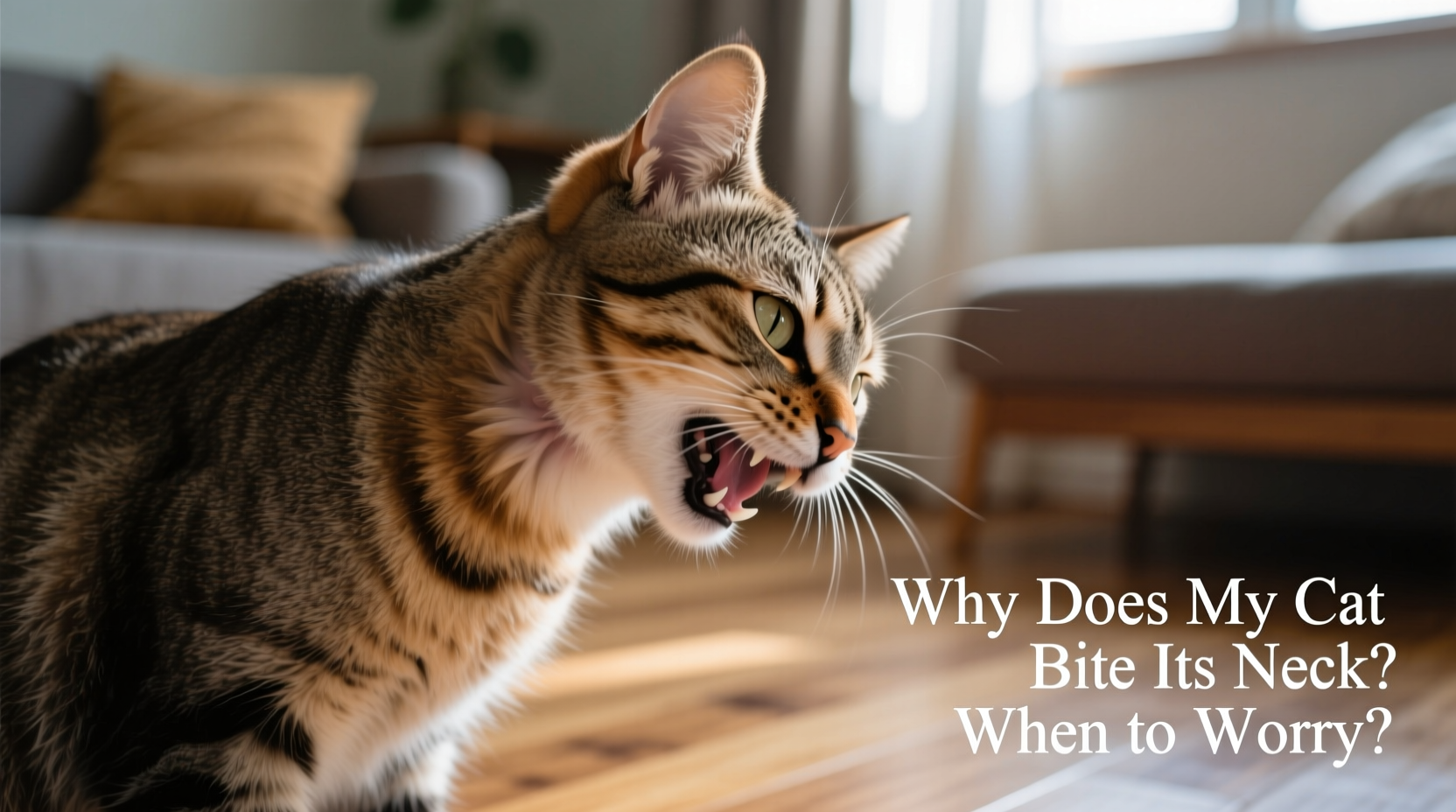
Neck biting is deeply rooted in feline biology. Mother cats routinely grasp their kittens by the scruff—the loose skin at the back of the neck—to carry them safely from one location to another. This action triggers a natural reflex in kittens: they go limp and passive, making transport easier. As cats mature, this early experience shapes how they interact with others throughout life.
In adulthood, scruffing or neck biting resurfaces during mating. Male cats bite the female’s neck during copulation to maintain control and reduce resistance. This is a natural, hormonally driven behavior, not aggression. However, outside of reproduction, neck biting typically serves social or communicative purposes rather than physical necessity.
Tip: Observe body language closely—neck biting accompanied by relaxed posture is usually non-threatening.Social Hierarchy and Play Behavior
Cats use subtle physical cues to establish boundaries and social order. Neck biting during play is common among kittens and young cats as they develop coordination, hunting skills, and social awareness. One cat may pounce, grab the other’s neck, wrestle, then switch roles. This mimics real predatory sequences but remains controlled and reciprocal.
In multi-cat households, dominant cats may gently bite the neck of a subordinate to assert status without causing harm. The bitten cat typically responds with submission—flattening ears, averting gaze, or walking away—rather than fighting back. When both cats appear calm and return to normal activity afterward, the interaction is likely part of healthy social dynamics.
“Playful neck grabbing in kittens is essential for learning bite inhibition and social limits.” — Dr. Sarah Thompson, Feline Behavior Specialist
When Neck Biting Becomes a Concern
Not all neck biting is benign. Aggressive or persistent biting that causes injury, fear, or distress should be taken seriously. Warning signs include hissing, growling, flattened ears, dilated pupils, swatting, or attempts to escape. If one cat consistently targets another’s neck with force, draws blood, or prevents access to food, litter, or resting areas, intervention is necessary.
Chronic aggression may stem from territorial insecurity, resource competition, or poor socialization. Unneutered males are more prone to aggressive dominance displays, including forceful neck bites. Similarly, a previously well-adjusted cat may become aggressive if stressed by environmental changes—new pets, moving, or illness.
Red Flags: Signs of Problematic Neck Biting
- Bleeding, hair loss, or skin wounds on the neck
- One cat avoiding the other consistently
- Vocalizations like shrieking or prolonged growling
- Attempts to flee or hide after interactions
- Obsessive targeting of the same cat
Do’s and Don’ts of Managing Neck Biting
| Do’s | Don’ts |
|---|---|
| Monitor interactions calmly – Watch for signs of stress or imbalance. | Intervene unnecessarily – Interrupting play too quickly can disrupt natural bonding. |
| Provide multiple resources – Separate food bowls, litter boxes, and sleeping areas reduce tension. | Punish the cats – Yelling or physical correction increases anxiety and worsens aggression. |
| Use distraction techniques – Redirect attention with toys or treats if play escalates. | Allow bullying to continue – Persistent aggression requires behavioral intervention. |
| Spay or neuter cats – Reduces hormone-driven aggression and mating-related biting. | Assume it’s just “play” – Always assess intensity and aftermath of interactions. |
A Real-Life Scenario: Managing Aggression Between Two Housemates
Jenna adopted Luna, a playful 1-year-old tabby, to keep her older cat Milo company. Initially, they seemed to get along—chasing, grooming, and napping together. But within weeks, Jenna noticed Luna frequently lunging at Milo’s neck, sometimes pinning him down. Milo began hiding under the bed and avoiding meals when Luna was nearby.
Concerned, Jenna consulted a veterinary behaviorist. The expert observed video footage and noted that while some neck grabbing resembled play, Luna’s persistence and Milo’s avoidance indicated escalating dominance. The solution involved separating the cats temporarily, reintroducing them slowly using scent swapping and supervised sessions, and enriching the environment with vertical spaces and puzzle feeders. Within six weeks, their interactions became more balanced, and the aggressive biting ceased.
This case illustrates how seemingly normal behaviors can escalate without proper management—and how timely intervention restores harmony.
Step-by-Step Guide to Addressing Problematic Neck Biting
- Observe and Document – Record frequency, duration, and outcome of biting incidents. Note body language and triggers.
- Rule Out Medical Causes – Schedule a vet visit to check for pain, infection, or neurological issues that could increase irritability.
- Neuter or Spay – Especially important for unaltered cats showing mating or territorial aggression.
- Separate and Reintroduce – Use gradual reintroduction techniques similar to introducing new cats, even if they’ve lived together.
- Enrich the Environment – Add climbing shelves, hiding spots, and interactive toys to reduce boredom and competition.
- Consult a Professional – A certified cat behaviorist can design a tailored modification plan if aggression persists.
Frequently Asked Questions
Is neck biting always a sign of aggression?
No. Neck biting during play or grooming is often normal, especially if both cats appear relaxed and take turns. Aggression is indicated by fear responses, vocalizations, or injuries.
Can cats hurt each other by biting the neck?
Yes. While light scruffing rarely causes harm, forceful bites can lead to puncture wounds, infections, or nerve damage. Any bleeding or swelling requires veterinary attention.
Should I stop my cats from neck biting altogether?
Not necessarily. Gentle, consensual neck grabbing during play doesn’t need intervention. Only step in if the behavior becomes one-sided, intense, or results in distress.
Conclusion: Promoting Healthy Feline Relationships
Understanding why cats bite each other’s necks empowers owners to distinguish between instinctual behavior and genuine conflict. From maternal care to mating rituals and social play, neck biting is woven into feline communication. But when it crosses into aggression, swift, informed action protects both physical and emotional well-being.
By observing body language, managing the environment, and seeking expert help when needed, you can foster peaceful coexistence among your cats. Healthy relationships aren’t about eliminating all physical contact—they’re about ensuring it remains respectful, balanced, and safe.
💬 Have questions about your cats’ behavior? Share your experiences or ask for advice in the comments—your story might help another cat owner find clarity.








