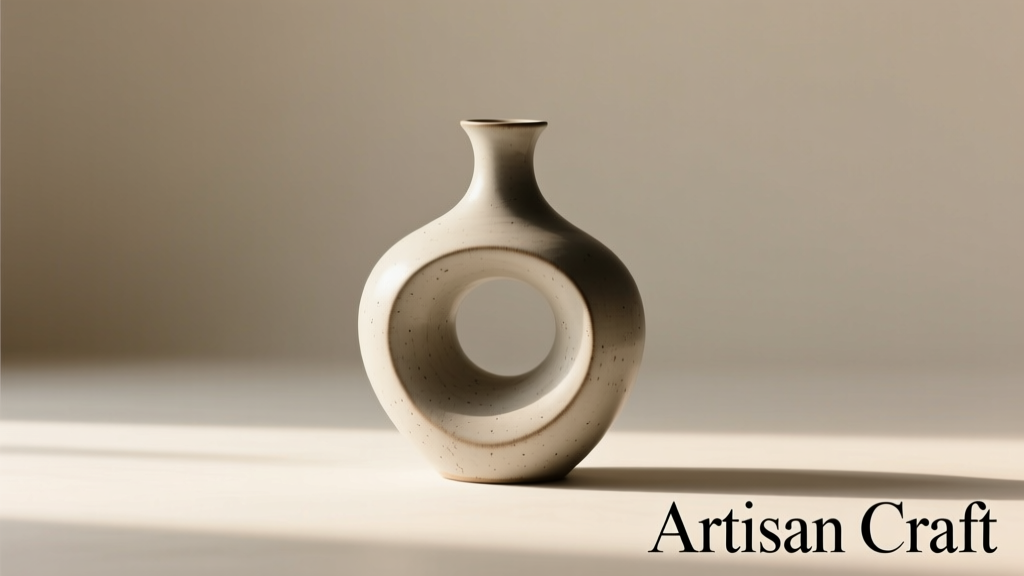
Types of Cat-Safe Hyacinths: Safe & Toxic Varieties for Pet Owners
Choosing the right hyacinth for your home is crucial when you have cats. While some varieties are non-toxic and safe for feline companions, others can pose health risks if ingested. This guide breaks down the key differences between non-toxic and toxic hyacinth types, helping you make informed decisions to keep your pets safe while enjoying beautiful indoor or outdoor greenery.
Non-Toxic Cat Hyacinth Varieties
Non-toxic hyacinths are ideal for homes with curious cats. These plants do not contain harmful compounds that could lead to poisoning if nibbled on. A popular example is Water Hyacinth (Eichhornia crassipes), known for its vibrant light purple or blue blooms and lush green foliage. Another safe option sometimes referred to as "Rejuvenation's Favorite" (a common name for certain non-toxic aquatic or ornamental lilies) thrives in pots or as floating plants in water features.
These non-toxic varieties offer a colorful, low-risk way to enhance your living space. They require minimal care—regular pruning, removal of dead leaves, and adequate sunlight help maintain their health and visual appeal. Because they pose no threat to cats, they’re an excellent choice for pet-friendly gardens, patios, or indoor plant displays.
Water Hyacinth
A floating aquatic plant with delicate lavender-blue flowers and glossy green leaves.
Benefits
- Fully non-toxic to cats and other pets
- Purifies water in ponds or aquariums
- Rapid growth adds visual fullness
- Thrives in natural sunlight and warm climates
Considerations
- Can become invasive in outdoor ponds
- Requires regular thinning
- Not suitable for dry soil environments
Best for: Indoor water gardens, outdoor ponds, pet-safe balconies
Ornamental Aquatic Lilies (e.g., "Rejuvenation's Favorite")
Often mistaken for true hyacinths, these are actually non-toxic water lilies bred for beauty and safety.
Benefits
- Harmless if chewed or ingested by cats
- Produces elegant, fragrant blooms
- Low maintenance in proper aquatic settings
- Improves air and water quality
Considerations
- Limited to water-based planting
- May require seasonal care
- Less cold-tolerant in temperate zones
Best for: Indoor fountains, pet-friendly water gardens, decorative planters
Toxic Hyacinth Varieties and Cat Safety
True hyacinths (genus Hyacinthus), particularly the Dutch bulb hyacinth, are toxic to cats. These popular spring-blooming plants feature dense clusters of deep blue, lavender, pink, or white flowers and are commonly grown in gardens or as indoor potted plants. All parts of the plant—especially the bulbs—contain calcium oxalate crystals and other irritant compounds that can cause poisoning if ingested by cats.
Symptoms of hyacinth toxicity in cats include:
- Vomiting and nausea
- Diarrhea or drooling
- Loss of appetite
- Skin irritation or pawing at the mouth
- Lethargy or depression
While rarely fatal, these symptoms can be distressing and may require veterinary attention. The severity depends on the amount consumed and the cat’s size and sensitivity.
Dutch Bulb Hyacinth
A classic garden favorite with tall spikes of fragrant, colorful blooms.
Advantages
- Highly fragrant and visually striking
- Cold-hardy and easy to grow outdoors
- Excellent for spring color displays
- Long-lasting blooms
Risks for Cats
- Contains toxic compounds in bulbs and foliage
- Can cause gastrointestinal and oral irritation
- Requires strict pet supervision
- Not safe for homes with free-roaming cats
Best for: Outdoor gardens, cut flower arrangements, cat-free zones
| Hyacinth Type | Toxicity to Cats | Common Symptoms if Ingested | Safe Placement Tips | Recommended Use |
|---|---|---|---|---|
| Water Hyacinth | Non-Toxic | None reported | Indoor/outdoor water features | Pet-friendly homes, water gardens |
| Ornamental Aquatic Lilies | Non-Toxic | No adverse effects | Indoor fountains, patios | Families with cats and dogs |
| Dutch Bulb Hyacinth | Toxic (Moderate) | Vomiting, drooling, diarrhea | Out of reach, outdoor-only areas | Decorative gardens, cat-free spaces |
Expert Tip: If you choose to grow toxic hyacinths, place them in elevated planters or enclosed areas inaccessible to cats. Consider using pet-safe deterrent sprays around the base to discourage digging or chewing. Always consult your veterinarian if you suspect your cat has ingested any part of a toxic plant.
Final Recommendations for Cat Owners
When decorating your home with plants, always prioritize feline safety. Opt for non-toxic hyacinth alternatives like Water Hyacinth or pet-safe aquatic lilies to enjoy floral beauty without risk. If you love traditional hyacinths, grow them outdoors in secure areas or as cut flowers away from pet access. Regular monitoring, proper plant placement, and awareness of poisoning symptoms ensure a harmonious balance between gardening and pet ownership.
Design of Cat Hyacinth: Aesthetic and Functional Plant Vessels
The term "cat hyacinth" likely refers to decorative vessels designed specifically for growing hyacinth plants, combining functionality with visual appeal. These specialized containers—such as pots, baskets, and vases—are crafted to support healthy plant development while enhancing interior and exterior spaces. Each vessel type offers unique advantages in terms of drainage, root development, and aesthetic integration. Understanding their design elements helps gardeners choose the best option for their environment and horticultural goals.
Note: While "cat hyacinth" is not a recognized botanical species, it appears to describe ornamental containers used for cultivating hyacinths—popular spring-blooming bulbs known for their vibrant colors and intense fragrance. This guide focuses on the design and utility of these decorative planters.
Pots and Containers
A well-designed cat hyacinth pot features a stable, wide base that provides excellent support for the plant, preventing tipping during growth or blooming. The structure allows ample space for bulb placement and encourages unrestricted root expansion, which is essential for strong, healthy development.
With a broad opening, these pots enable deep planting of hyacinth bulbs—critical for proper anchoring and temperature regulation during early growth stages. Integrated drainage holes at the bottom prevent water accumulation, reducing the risk of root rot and fungal diseases. Proper moisture management is especially important when growing hyacinths indoors or on patios.
Available in a wide range of styles—from sleek, modern glazed ceramics to textured, rustic terracotta—the visual design of these pots adds artistic value to any setting. As the hyacinth blooms in brilliant hues of pink, purple, white, or blue, the container becomes a living centerpiece, harmonizing natural beauty with crafted design. Whether displayed on a windowsill, dining table, or garden ledge, the cat hyacinth pot enhances both indoor and outdoor environments.
Baskets
Cat hyacinth baskets are ideal for surface-level or semi-aquatic plant varieties, such as certain water-tolerant hyacinth types (possibly referring to Eichhornia crassipes, commonly known as water hyacinth). Their elevated, woven construction supports plants that thrive in moist but not submerged conditions.
Constructed from natural materials like jute, rattan, or seagrass, these baskets offer a timeless, organic aesthetic. The open weave pattern not only adds visual texture but also promotes air circulation and efficient drainage, preventing the plant from sitting in excess water. This breathability is crucial for maintaining root health and preventing decay.
As the hyacinth grows, its foliage often cascades gracefully over the edges of the basket, creating a lush, flowing display. This makes baskets particularly effective for vertical gardening, hanging displays, or adding greenery to small urban spaces. Their lightweight nature allows for easy repositioning, making them perfect for patios, balconies, or shaded garden corners.
Vases
The cat hyacinth vase is specially engineered for hydroponic or semi-hydroponic cultivation, where the plant grows directly in water. Its narrow neck and flared base securely hold the bulb above the waterline while allowing the roots to extend downward and absorb moisture and nutrients.
This design prevents the bulb from becoming waterlogged—a common cause of rot—while still encouraging vigorous root development. Regular water changes and proper light exposure ensure the hyacinth remains vibrant and fragrant throughout its blooming cycle.
Vases come in diverse designs, ranging from elegant vintage-inspired glassware to contemporary geometric metal or acrylic forms. These vessels function as both planters and decorative art pieces, transforming the growing process into a visually engaging experience. When placed on a coffee table, entryway console, or kitchen counter, a blooming hyacinth in a stylish vase becomes a dynamic focal point, merging botany with interior design.
| Vessel Type | Best For | Key Benefits | Ideal Environment |
|---|---|---|---|
| Pots & Containers | Soil-based hyacinths, indoor/outdoor use | Stable base, deep planting, good drainage | Windowsills, patios, garden beds |
| Baskets | Semi-aquatic or trailing varieties | Airflow, drainage, vertical appeal | Balconies, hanging displays, shaded areas |
| Vases | Hydroponic or forced bulb growth | Root development, bulb protection, aesthetic display | Indoor spaces, tabletops, entryways |
Important: Always verify the specific needs of your hyacinth variety before planting. While "cat hyacinth" may be a stylized term, actual care depends on whether you're growing traditional soil-based hyacinths (Hyacinthus orientalis) or aquatic types like water hyacinth. Misidentification can lead to improper care and plant loss. When in doubt, consult a horticultural expert or nursery professional.
Fashion of Cat Hyacinth: Where Gardening Meets Style and Pet Love
Emerging at the intersection of horticultural passion and pet companionship, cat hyacinth fashion is redefining outdoor apparel for modern gardeners. This unique trend blends practical gardening wear with whimsical designs inspired by cats and the beloved hyacinth flower, creating garments that are as functional as they are expressive. Whether tending to blooming hyacinths or harvesting seasonal plants, enthusiasts can now do so in style—without compromising comfort, safety, or their love for feline friends.
Workwear Designed for Gardeners & Cat Lovers
Cat hyacinth pants are a standout in functional garden fashion, expertly crafted for pet-loving gardeners who value both practicality and aesthetic appeal. Made from durable, water-resistant, and often eco-friendly fabrics, these pants protect against mud, moisture, and plant debris during the active growing season.
- Available in vibrant colors and patterns featuring cat silhouettes, paw prints, and blooming hyacinths
- Equipped with multiple utility pockets for gardening tools, seed packets, and gloves
- Adjustable waistbands ensure a secure, customizable fit for all body types
- Breathable fabric technology prevents overheating during extended outdoor use
Perfect for: Gardeners who want to stay clean, organized, and stylish while working alongside their curious cats.
Functional Garden Apparel with a Creative Touch
A full cat hyacinth gardening outfit goes beyond pants—offering coordinated sets that include jackets, aprons, or overalls. These ensembles are made from lightweight, breathable, and water-resistant materials to keep wearers dry and comfortable, even in damp or unpredictable weather.
- Intricate prints merge feline motifs with floral elegance, celebrating the harmony between pets and nature
- Reinforced knee panels enhance durability during kneeling tasks
- Integrated tool loops and deep pockets improve accessibility and efficiency
- Reflective stitching options available for early morning or evening gardening
Style meets purpose: This attire allows gardeners to express their personality while maintaining high functionality.
Harvest-Ready Design for Safety and Comfort
When it's time to harvest hyacinths or other delicate plants, specialized cat hyacinth pants offer enhanced protection and mobility. Constructed from flexible, abrasion-resistant materials, these pants shield the wearer from irritants such as thorns, insects, or allergenic plant sap.
- Slim, secure waistbands prevent loose fabric from snagging on tools or branches
- Elastic gussets and reinforced stitching at stress points allow unrestricted movement during bending and squatting
- Earth-toned and nature-inspired color palettes blend seamlessly into garden environments
- Odor-resistant fabric treatments help minimize lingering scents that might disturb pets
Smart feature: Some models include detachable leg covers for easy transition from garden to home.
Why Cat Hyacinth Fashion is Gaining Popularity
This niche yet growing fashion trend speaks to a broader cultural shift—people want their clothing to reflect their lifestyle, passions, and values. Cat hyacinth apparel satisfies multiple needs: gardening performance, pet inclusivity, and personal expression.
- Rising interest in pet-inclusive outdoor activities drives demand for themed apparel
- Consumers increasingly seek sustainable, reusable alternatives to disposable garden gear
- Unique designs make excellent conversation starters at garden clubs or farmers' markets
- Gift-worthy for cat owners, plant lovers, or eco-conscious friends
Trend insight: Social media has amplified visibility, with influencers showcasing stylish garden sessions featuring their cats.
Pro Gardener Tip: Pair your cat hyacinth pants with non-slip gardening shoes and a sun-protective hat for a complete, coordinated outfit. For cat safety, consider a matching bandana or reflective collar so your pet remains visible while exploring nearby.
| Use Case | Key Features | Material Benefits | Style Highlights |
|---|---|---|---|
| Daily gardening | Adjustable waist, multiple pockets | Water-resistant, breathable fabric | Cat and floral prints, vibrant colors |
| Plant harvesting | Snag-free fit, reinforced knees | Durable, flexible, and easy to clean | Earthy tones with subtle cat motifs |
| Pet-inclusive outings | Odor-resistant, quick-dry fabric | Safe for close pet contact | Matching accessory options available |
| Garden events or photos | Stylish cut, photo-ready designs | Wrinkle-resistant, UV-protective | Limited-edition prints, brand collaborations |
Additional Considerations
- Sustainability: Look for brands using recycled materials or organic cotton blends to reduce environmental impact
- Washability: Machine-washable designs ensure easy maintenance after muddy gardening sessions
- Inclusivity: Unisex cuts and extended sizing promote accessibility for all gardening enthusiasts
- Seasonal Collections: Many brands release limited-edition prints for spring and fall gardening seasons
- Pet-Friendly Design: Avoid loose strings or dangling elements that could pose a risk to curious cats
Complete Care Guide for Cat Hyacinth: Specifications & Maintenance
The cat hyacinth (also known as Scilla peruviana or Drimia maritima, though often confused with true hyacinths) is a striking ornamental plant prized for its tall flower spikes and lush foliage. Whether grown indoors in a vase or outdoors in garden beds, proper care is essential for healthy growth and vibrant blooms. This comprehensive guide covers all key aspects of cat hyacinth maintenance, including watering, soil, sunlight, and fertilization, to help your plant thrive year after year.
Important Note: Despite the name, cat hyacinth is toxic to pets and humans if ingested. Keep plants out of reach of cats, dogs, and small children. Always wash hands after handling the bulbs or foliage.
Watering Requirements
Proper watering is crucial to maintaining the health and vitality of cat hyacinth plants. These plants prefer consistently moist conditions but are highly sensitive to overwatering, which can lead to bulb rot and fungal diseases.
- Indoor plants in water: If growing in a vase or glass container, ensure the water level touches only the very bottom of the bulb—never submerge it. Change the water every 2–3 days to prevent stagnation and bacterial growth.
- Potted indoor plants: Water when the top inch (2.5 cm) of soil feels dry to the touch. Avoid daily watering unless in extremely dry environments, as this can cause root saturation.
- Outdoor plants: Water regularly during active growth and flowering periods, especially in dry climates. Allow natural rainfall to supplement irrigation, but ensure the soil drains well to prevent water pooling.
- Dormancy period: After blooming, reduce watering gradually as the foliage dies back. During dormancy, keep the soil nearly dry, particularly for potted bulbs.
Pro Tip: Use room-temperature water to avoid shocking the roots or bulb. Cold water can stunt growth and delay flowering.
Soil Requirements
The right soil composition plays a vital role in the successful cultivation of cat hyacinth. These plants require a balance between moisture retention and excellent drainage to prevent bulb rot while supporting healthy root development.
- Potting mix: Use a high-quality, well-draining potting blend enriched with organic matter such as peat moss, compost, or coconut coir. A mix designed for bulbs or flowering perennials works well.
- Outdoor planting: Plant in nutrient-rich, loamy soil with good aeration. Amend heavy clay soils with sand or perlite to improve drainage.
- pH level: Cat hyacinths thrive in slightly acidic to neutral soil (pH 6.0–7.0). Test your soil if blooms are weak or growth is stunted.
- Drainage: Always use containers with drainage holes. Elevate pots slightly to prevent water from pooling underneath.
For long-term health, refresh the soil every 1–2 years, especially for potted plants, to replenish nutrients and prevent compaction.
Exposure to Sunlight
Light exposure directly influences the growth pattern, foliage quality, and flowering performance of cat hyacinth plants. They require bright, indirect light to flourish without suffering from sun scorch.
- Indoor placement: Position near an east- or west-facing window where the plant receives several hours of gentle morning or afternoon sunlight. Rotate the pot weekly to encourage even growth and prevent leaning.
- Outdoor growing: Choose a location with partial shade to full sun, ideally with protection from intense midday and afternoon sun. Dappled sunlight under trees or shaded patios works exceptionally well.
- Light intensity: Too little light results in weak, leggy stems and poor flowering. Excessive direct sun can scorch leaves and fade blooms prematurely.
- Seasonal adjustment: In summer, provide more shade; in spring and fall, increase exposure to promote blooming.
Monitor leaf color—deep green indicates proper lighting, while pale or yellowing leaves may signal too much or too little light.
Fertilizer Application
Nutrient supplementation is essential during the active growing season to support robust foliage and abundant flowering. Cat hyacinths are moderate feeders and respond best to balanced, targeted fertilization.
- Indoor potted plants: Apply a diluted liquid fertilizer formulated for bulbs or flowering plants every two weeks during active growth (spring to early summer). Use a fertilizer with a higher phosphorus content (e.g., 5-10-5 or 10-15-10) to encourage blooming.
- Outdoor plants: Top-dress the soil with compost or well-rotted manure in early spring. Alternatively, use a slow-release granular fertilizer according to package instructions.
- Nitrogen caution: Avoid high-nitrogen fertilizers, which promote excessive leaf growth at the expense of flowers.
- Fertilizing schedule: Begin feeding when shoots emerge and discontinue once flowering ends and foliage begins to die back.
Always water the soil before applying fertilizer to prevent root burn, especially in container-grown plants.
| Care Factor | Indoor Conditions | Outdoor Conditions | Key Tips |
|---|---|---|---|
| Watering | Change water every 2–3 days (vase); water when top inch of soil is dry (pot) | Regular watering during growth; reduce in dormancy | Avoid wetting the bulb directly |
| Soil Type | Well-draining potting mix with peat or compost | Loamy, nutrient-rich soil with added sand/perlite | Maintain pH 6.0–7.0 |
| Sunlight | Bright, indirect light near east/west window | Partial shade to full sun with midday protection | Rotate pots weekly for even growth |
| Fertilization | Diluted liquid bulb fertilizer every 2 weeks | Compost or slow-release fertilizer in spring | High phosphorus, low nitrogen |
| Dormancy Care | Reduce watering; store in cool, dark place | Mulch to protect bulbs; avoid overwatering | Allow foliage to die naturally before trimming |
Expert Tip: After blooming, allow the foliage to remain until it turns yellow and dies back naturally. This process helps the bulb store energy for next season’s flowers. Do not cut green leaves prematurely.
Additional Maintenance Recommendations
- Inspect plants regularly for signs of pests like aphids, spider mites, or mealybugs. Treat early with insecticidal soap or neem oil.
- Re-pot indoor plants every 2–3 years to refresh soil and provide more space for bulb offsets.
- Outdoor bulbs can be divided and re-planted every 3–4 years to prevent overcrowding.
- Label your bulbs during dormancy to avoid accidental disturbance.
- Protect outdoor plants in colder zones (below USDA 7) with a layer of mulch to insulate bulbs during winter.
With attentive care and proper cultural practices, cat hyacinth can become a stunning, long-lived addition to your indoor or outdoor garden. By maintaining the right balance of moisture, nutrients, and light, you’ll enjoy vibrant blooms and lush foliage season after season. Remember to handle the plant with care due to its toxicity, and always prioritize well-draining conditions to protect the bulb from rot.
Frequently Asked Questions About Cat Hyacinth
Q1: What is the cat hyacinth?A1: The term "cat hyacinth" commonly refers to Water Hyacinth (Eichhornia crassipes), a free-floating aquatic plant renowned for its lush, glossy green leaves and striking lavender to violet-blue flowers. Despite its name, it has no direct relation to cats but is often associated with them due to its safety around pets.
This fast-growing plant thrives in warm, shallow freshwater environments such as ponds, lakes, and slow-moving rivers, primarily in tropical and subtropical regions. It plays a beneficial role in water purification by absorbing excess nutrients and pollutants, though it can become invasive if not managed properly.
Its beauty and ease of growth make it a popular choice for ornamental water gardens and aquascaping projects.
Q2: Can cat hyacinth grow well in a pot?A2: Yes, cat hyacinth (water hyacinth) can grow successfully in containers, provided certain conditions are met. While naturally free-floating, this plant adapts well to semi-contained environments like aquatic planters, large pots, or tubs filled with water.
For optimal growth in a pot:
- Container Type: Use a wide, shallow container that holds at least 5–10 gallons of water to allow root development and leaf spread.
- Water Quality: Maintain clean, non-chlorinated water and top it off regularly due to evaporation.
- Lighting: Place the pot in a location receiving 6–8 hours of full sun daily. Insufficient light leads to weak growth and fewer blooms.
- Nutrients: Although water hyacinth absorbs nutrients from water, potted plants may benefit from occasional liquid fertilizer supplementation.
With proper care, potted cat hyacinths will flourish, producing vibrant foliage and delicate flowers throughout the warm months.
Q3: Is cat hyacinth safe for cats?A3: Yes, true cat hyacinth—referring to Water Hyacinth (Eichhornia crassipes)—is considered non-toxic and safe for cats. If your cat nibbles on the leaves or roots, it should not cause poisoning or serious health issues.
However, it's crucial to distinguish Water Hyacinth from other plants with similar names:
| Plant Name | Toxicity to Cats | Key Risks |
|---|---|---|
| Water Hyacinth (Cat Hyacinth) | Non-toxic | Safe for cats; may cause mild stomach upset if consumed in large quantities. |
| Dutch Hyacinth (Common Garden Hyacinth) | Poisonous | Contains alkaloids and glycosides that can cause vomiting, diarrhea, drooling, and abdominal pain. |
| Ornamental “Cat Tail” Plants | Varies | Some species may cause irritation; always verify plant identity. |
Always confirm the exact species of any plant in your home to ensure pet safety. When in doubt, consult your veterinarian or a reliable plant database like the ASPCA’s toxic plant list.
Q4: How to tell if a cat is eating a poisonous hyacinth?A4: If your cat ingests a toxic variety of hyacinth—such as the common garden (Dutch) hyacinth—it may exhibit signs of poisoning within a few hours. These symptoms arise due to the presence of allergenic lactones and other compounds in the bulbs and leaves.
Common signs of hyacinth poisoning in cats include:
- Gastrointestinal distress: Vomiting, diarrhea, and excessive drooling
- Oral irritation: Pawing at the mouth, difficulty swallowing, or swelling of the lips and tongue
- Lethargy or weakness: Reduced activity, trembling, or uncoordinated movement
- Abdominal pain: Hunched posture, vocalization when touched
If you suspect your cat has eaten a toxic plant:
- Remove any remaining plant material from their mouth.
- Contact your veterinarian or an emergency pet poison helpline immediately.
- Provide a photo or sample of the plant for identification.
- Follow professional advice—do not induce vomiting unless instructed.
Early intervention greatly improves recovery outcomes.
Q5: Do cat hyacinth flowers need fertilizer?A5: While Water Hyacinth (cat hyacinth) can absorb nutrients directly from water and grow vigorously without added fertilizer, supplemental feeding can enhance growth and flowering—especially in controlled environments like pots or nutrient-poor water.
Here’s how to fertilize cat hyacinth effectively:
- Fertilizer Type: Use a balanced, water-soluble fertilizer (e.g., 10-10-10 or 20-20-20 NPK) diluted to half or quarter strength.
- Application Frequency: Apply every 2–4 weeks during the active growing season (spring to early fall).
- Method: Add the diluted solution directly to the surrounding water. Avoid direct contact with leaves to prevent burn.
- Caution: Over-fertilizing can lead to algae blooms, root damage, or excessive, weak growth. Always follow label instructions carefully.
In natural ponds with organic debris or fish waste, additional fertilization is usually unnecessary. For potted plants, periodic nutrient boosts support larger blooms and denser foliage, enhancing the plant’s ornamental appeal.









