Indoor cats often surprise their owners by nibbling on houseplants, curtains, or even carpet fibers. This behavior isn't just quirky—it's rooted in instinct. Cats naturally seek out plant material, particularly grass, to aid digestion, expel hairballs, and fulfill a biological urge. But not all grass is created equal. For indoor cats, the choice between cat grass and regular outdoor grass can significantly impact their health and safety. Understanding the differences—and dangers—between the two is essential for responsible pet care.
Why Do Cats Eat Grass?
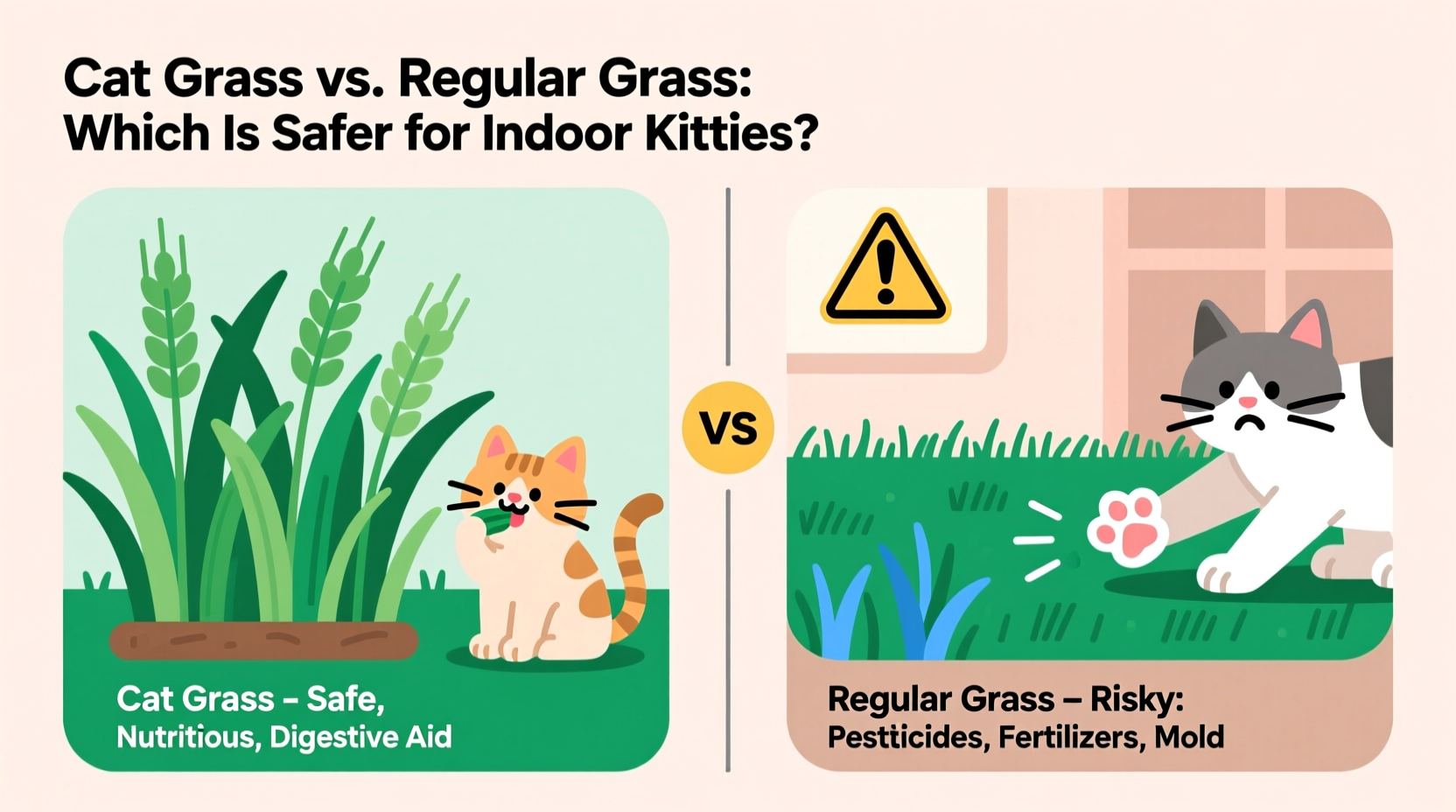
Cats are obligate carnivores, meaning their primary diet consists of meat. Yet, many regularly consume grass. This behavior is normal and often beneficial. Grass helps stimulate vomiting when cats have indigestible matter in their stomachs, such as fur or feathers from prey. It also provides trace nutrients like folic acid, which supports oxygen flow in the blood. Additionally, chewing on grass may satisfy a primal foraging instinct, especially in indoor cats with limited environmental stimulation.
However, while eating grass is natural, the source matters. Outdoor grass may be contaminated with pesticides, herbicides, or fecal matter from other animals. Indoor alternatives like cat grass offer a controlled, clean option that mimics the benefits without the risks.
What Is Cat Grass?
Cat grass is typically a blend of young cereal grasses such as wheatgrass, oat grass, barley, or rye. These are grown specifically for pets and are non-toxic, easy to digest, and rich in fiber and chlorophyll. Unlike ornamental lawns, cat grass is cultivated indoors in sterile soil or hydroponic trays, free from chemical treatments.
It’s important to note that \"cat grass\" is not a single species but a term used to describe safe, edible grasses suitable for feline consumption. Most commercial kits include seeds labeled as “cat-safe” and are designed for quick sprouting—usually within 5 to 7 days.
Tip: Rotate batches of cat grass every 10–14 days to ensure freshness and prevent mold growth.Risks of Regular Outdoor Grass for Indoor Cats
While outdoor grass might seem like a natural option, it poses several hazards for indoor cats, especially those brought outside briefly or exposed via shoes and clothing.
- Pesticides and Herbicides: Many lawns are treated with chemicals designed to kill weeds or insects. These substances can be toxic—even lethal—to cats in small doses.
- Fecal Contamination: Dog, bird, or wildlife droppings on grass can carry parasites like roundworms or toxoplasmosis, which are transmissible to cats and humans.
- Lawn Fertilizers: High in nitrogen and other compounds, fertilizers can cause gastrointestinal upset, tremors, or kidney damage if ingested.
- Unpredictable Plant Species: Not all grass-like plants are safe. Some look-alikes, such as lilies or certain sedges, are highly toxic to cats.
“Even small exposures to chemically treated grass can trigger vomiting, diarrhea, or neurological symptoms in sensitive cats.” — Dr. Lena Torres, DVM, Feline Nutrition Specialist
Comparing Cat Grass and Regular Grass: A Safety Breakdown
| Factor | Cat Grass | Regular Grass |
|---|---|---|
| Toxicity Risk | Very low (non-toxic species) | Moderate to high (unknown species, potential toxins) |
| Chemical Exposure | Negligible (grown indoors, untreated) | High (pesticides, fertilizers common) |
| Parasite Risk | None (controlled environment) | Possible (fecal contamination) |
| Digestive Benefits | High (soft, fibrous, aids in hairball control) | Variable (depends on age and type of grass) |
| Availability | Year-round (home-grown or purchased) | Seasonal and location-dependent |
| Cost | Low to moderate (one-time seed purchase) | Free, but risk mitigation adds indirect cost |
The data clearly favors cat grass as the safer, more reliable option for indoor cats. While regular grass isn’t inherently dangerous in all cases, the unpredictability of its environment makes it a risky choice for pets with no immunity to outdoor pathogens or chemicals.
How to Grow and Maintain Cat Grass at Home
Growing cat grass is simple, affordable, and rewarding. With minimal effort, you can provide your cat with a fresh, rotating supply of safe greens.
- Choose a Safe Seed Mix: Purchase certified cat grass seeds from a reputable pet supplier. Avoid garden soil that may contain fertilizer or weed killers.
- Select a Container: Use a shallow tray or pot with drainage holes. Line the bottom with paper towel if needed to retain soil.
- Plant the Seeds: Spread seeds evenly over moist potting mix. Cover lightly with soil and mist with water.
- Provide Light and Moisture: Place in indirect sunlight or under a grow light. Keep soil damp but not soggy.
- Harvest When Ready: Grass is ready in 7–10 days when it reaches 3–4 inches tall. Let your cat graze directly from the tray.
- Replace Regularly: Discard after 2 weeks or when discolored or moldy. Start a new batch weekly for continuous access.
Mini Case Study: Bella the Indoor Explorer
Bella, a 3-year-old domestic shorthair, lived in a high-rise apartment with no outdoor access. Her owner noticed her chewing on a spider plant, which began to wilt. Concerned about toxicity, she consulted her veterinarian. The vet explained that Bella was likely seeking fiber and suggested introducing cat grass.
The owner planted a small tray of wheatgrass on the windowsill. Within days, Bella showed interest, gently nibbling each morning. Over the next month, her occasional gagging decreased, and she stopped damaging houseplants. The owner rotated trays every 10 days and reported a calmer, more satisfied cat.
This case illustrates how a simple change—replacing risky chewing behaviors with a safe alternative—can improve both feline well-being and household harmony.
Common Myths About Cats and Grass
Misinformation often leads pet owners to make unsafe choices. Here are some myths debunked:
- Myth: All grass is safe if it’s green.
Truth: Appearance doesn’t indicate safety. Toxic plants like sedge grass or lilies can resemble edible varieties. - Myth: Cats only eat grass when they’re sick.
Truth: While grass can help with digestion, many healthy cats eat it preventively or for mental stimulation. - Myth: Lawn clippings are fine to feed.
Truth: Fresh clippings ferment quickly, causing bloating and digestive distress. Never feed cut grass to cats.
Checklist: Providing Safe Grass for Your Indoor Cat
- ☐ Purchase certified cat grass seeds (wheat, oat, barley, or rye)
- ☐ Use clean, chemical-free soil or a hydroponic growing kit
- ☐ Grow in a sunny spot away from toxic houseplants
- ☐ Monitor your cat’s consumption for excessive chewing or vomiting
- ☐ Replace old grass every 10–14 days
- ☐ Keep outdoor grass and lawn chemicals completely off-limits
- ☐ Consult your vet if your cat shows signs of illness after eating any plant
Frequently Asked Questions
Can kittens eat cat grass?
Yes, kittens over 8 weeks old can safely consume small amounts of cat grass. Introduce it gradually to monitor for digestive sensitivity. Ensure the grass is fresh and free from mold.
Is cat grass the same as catnip?
No. Cat grass and catnip are different plants with different effects. Cat grass (e.g., wheatgrass) supports digestion and is eaten. Catnip (Nepeta cataria) is a mint-family herb that triggers behavioral responses like rolling or hyperactivity when smelled, but it’s not meant for consumption in large quantities.
How much cat grass should my cat eat?
There’s no strict limit, but most cats self-regulate. A few nibbles per day is typical. Excessive consumption may indicate dietary deficiency or stress and should be evaluated by a veterinarian.
Conclusion: Prioritize Safety with Purpose-Grown Greens
For indoor cats, access to safe, digestible plant material is not a luxury—it’s a component of holistic care. While the instinct to eat grass is natural, the risks associated with regular outdoor grass make it an unsuitable option for pets living in controlled environments. Cat grass offers a clean, nutritious, and enriching alternative that supports digestive health and satisfies natural behaviors without exposing cats to toxins or pathogens.
By growing cat grass at home, you take a proactive step toward safer feline care. It’s a small investment of time and resources that pays off in peace of mind and improved well-being. Whether your cat is a curious nibbler or an enthusiastic grazer, giving them a designated, safe source of greens strengthens trust and enhances their quality of life.
💬 Have you tried growing cat grass at home? Share your experience, tips, or questions in the comments—your insights could help another cat parent make a safer choice today.








