In living rooms, school backpacks, and bedtime routines across the globe, one thing is clear: children love cat plush toys. But not all plush cats are created equal. Today’s market is split between two dominant styles—classic cartoon cat plushes and stylized anime cat plushes. Each has its own aesthetic, emotional appeal, and cultural footprint. So, which one are kids actually gravitating toward in 2024? The answer isn’t as simple as choosing a favorite color. It depends on age, media exposure, social trends, and even regional preferences.
This article dives into the world of feline plushies to explore what makes each type appealing, how they differ in design and storytelling, and where real-world demand currently stands. Whether you're a parent, gift-giver, or toy industry observer, understanding this shift can help you make informed choices—and maybe even predict the next big trend.
The Appeal of Cartoon Cat Plush Toys
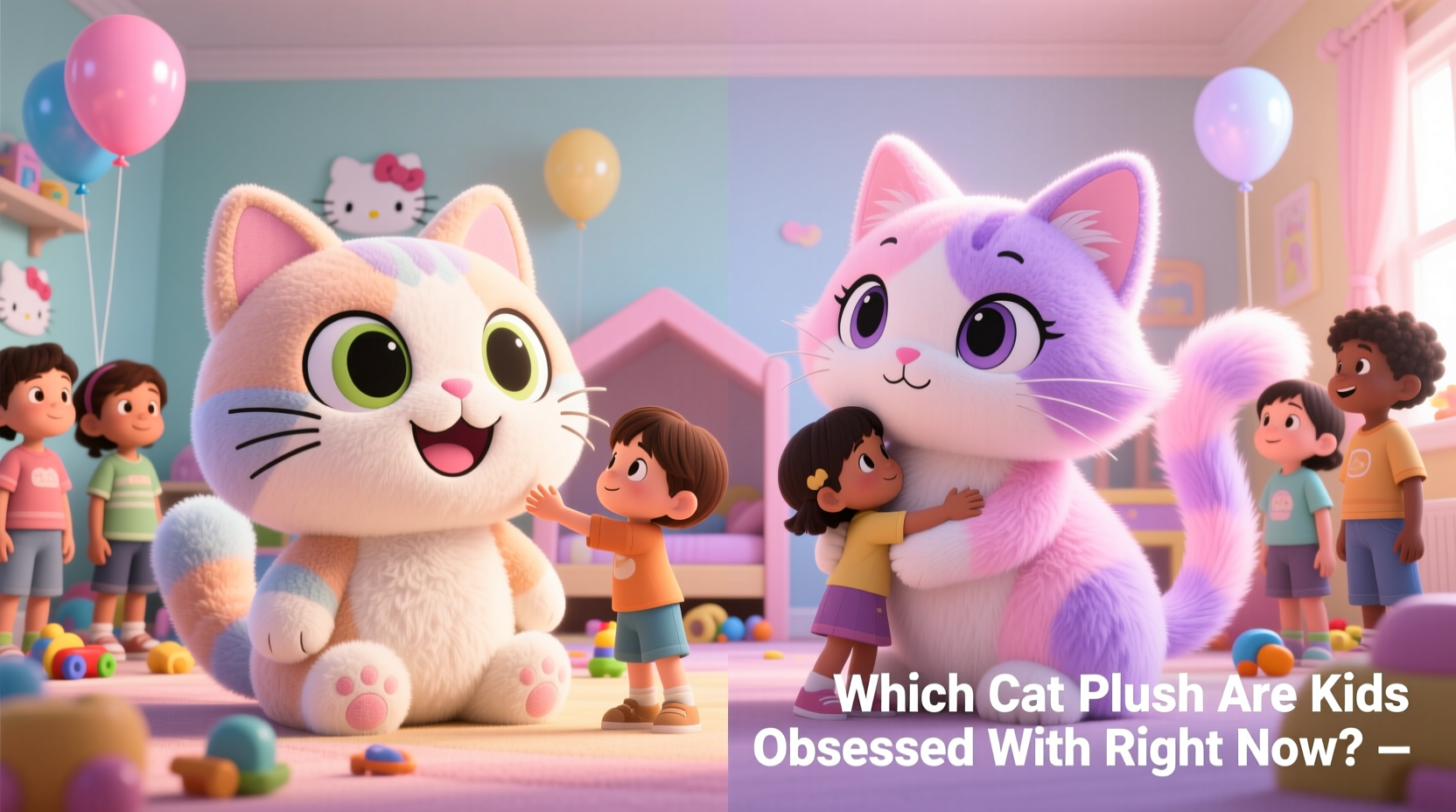
Cartoon cat plushes have long been staples in children’s playrooms. Think of characters like Garfield, Sylvester, or modern favorites such as Puss in Boots or even Hello Kitty (despite her debated species). These plushes are rooted in Western animation traditions—round faces, exaggerated expressions, and bold colors designed for broad recognition.
What makes them enduringly popular among younger children (ages 3–7) is their simplicity. They’re easy to identify, often tied to well-known TV shows or movies, and designed with safety and softness in mind. Their designs prioritize huggability over realism, making them ideal for naptime companions or imaginative play.
Manufacturers like Fisher-Price, Hasbro, and Disney dominate this space, ensuring wide availability in major retailers. Licensing also plays a crucial role—when a new animated film releases featuring a cat character, stores quickly stock themed plushes within weeks.
Tip: For toddlers and preschoolers, choose cartoon cat plushes with embroidered eyes instead of plastic ones to reduce choking hazards.The Rise of Anime Cat Plushes Among Older Kids
Anime cat plushes, by contrast, are gaining rapid traction—especially among children aged 8–13. These plushes often feature characters from Japanese pop culture, such as Jiji from *Kiki’s Delivery Service*, Luna from *Sailor Moon*, or newer icons like Nyatasha from *Hololive*. Some aren’t based on specific characters but adopt the anime aesthetic: large expressive eyes, sleek fur patterns, and delicate accessories like bows or tiny capes.
Their popularity is closely tied to the global surge in anime consumption. Platforms like Crunchyroll, Netflix, and YouTube have made anime more accessible than ever. Kids who watch series like *My Hero Academia* or *Demon Slayer* begin seeking out merchandise—including plush versions of cat-like characters or “kemonomimi” (anthropomorphic animal-human hybrids).
Unlike traditional cartoon plushes, anime cat toys often emphasize cuteness (“kawaii”) and collectibility. Limited-edition drops, fan-made creations, and collaborations with artists drive excitement. For many older kids, owning a rare anime cat plush becomes a status symbol among peers.
“Anime plushes tap into identity and fandom in a way classic toys don’t. They’re not just comfort objects—they’re part of a child’s self-expression.” — Dr. Lena Park, Child Psychologist & Media Researcher
Head-to-Head Comparison: Key Differences
| Feature | Cartoon Cat Plush | Anime Cat Plush |
|---|---|---|
| Aesthetic Style | Bold, simplified, exaggerated features | Delicate, stylized, emotive eyes and details |
| Target Age Group | 3–7 years old | 8–14 years old |
| Media Tie-Ins | Hollywood animations, Saturday morning cartoons | Anime series, VTubers, manga |
| Availability | Widespread (Walmart, Target, Amazon) | Limited; niche shops, online auctions, conventions |
| Price Range | $8–$25 | $20–$80+ (collector’s editions higher) |
| Social Value | Comfort, familiarity | Fandom, exclusivity, peer recognition |
Real-World Trends: What Sales and Surveys Reveal
Data from NPD Group’s 2023 Toy Report shows that plush sales tied to anime properties grew by 34% year-over-year in North America, while traditional licensed cartoon plushes saw only a 5% increase. This suggests a significant shift in interest, particularly among tweens.
A mini case study from a suburban elementary school in Portland, Oregon, illustrates this trend. A teacher conducted an informal survey of 60 students in grades 3–5 about their favorite plush animals. Of those who owned a cat plush:
- 68% chose an anime-style plush (e.g., Jiji, Cheshire from *Alice in Wonderland* reimagined in anime style)
- Only 32% preferred traditional cartoon cats
- Among anime plush owners, 44% reported trading or showing off their plush at school
One fifth-grader, Maya R., shared: “I got my Jiji plush after watching *Kiki* with my sister. I bring him to school sometimes because my friends think he’s cool. He looks like he’s from Japan, and that makes him special.”
This anecdote reflects a broader pattern: anime cat plushes are no longer niche. They’ve entered mainstream youth culture as symbols of both affection and cultural awareness.
How to Choose the Right Plush for Your Child
Selecting between a cartoon and anime cat plush shouldn't be arbitrary. Consider these factors to match the toy to your child’s personality and interests:
- Age and Development Stage: Younger kids respond better to familiar, friendly faces. Opt for soft, durable cartoon plushes with minimal small parts.
- Media Consumption Habits: Does your child watch anime or stream Japanese content? If so, an anime-style plush may resonate more deeply.
- Emotional Needs: Is the plush meant for bedtime comfort or social interaction? Cartoon cats soothe; anime cats often spark conversation.
- Budget and Availability: While basic anime plushes are increasingly available, rare editions can cost significantly more. Set expectations early.
- Cultural Exposure: Families embracing multicultural experiences may appreciate anime plushes as gateways to language and art appreciation.
Checklist: Picking the Perfect Cat Plush
- ☐ Determine the child’s age and developmental needs
- ☐ Observe what shows or characters they enjoy
- ☐ Decide if the plush is for comfort, decoration, or social sharing
- ☐ Verify material safety (non-toxic dyes, secure stitching)
- ☐ Research official licenses or reputable sellers
- ☐ Consider care instructions—machine washable is ideal for young kids
- ☐ Evaluate price vs. long-term value (will it be loved for months or just a phase?)
Frequently Asked Questions
Are anime cat plushes appropriate for young children?
Most anime cat plushes are safe for children, but some designs may reflect darker themes (e.g., demon cats from action series). Always check the source material. Stick to well-known, family-friendly franchises like Studio Ghibli for younger audiences.
Why are anime plushes more expensive than cartoon ones?
Higher production costs, limited runs, licensing fees from Japanese studios, and import logistics contribute to the price difference. Additionally, demand from collectors drives up resale values.
Can cartoon and anime plushes coexist in a child’s collection?
Absolutely. Many children enjoy both styles—one for snuggling, another for display. Diversity in plush collections often reflects diverse interests and emotional needs.
Conclusion: Following the Whiskers of Pop Culture
The debate between cartoon cat plush and anime cat plush isn’t about which is objectively better—it’s about understanding evolving childhood cultures. While younger kids still find comfort in the familiar smiles of cartoon cats, a growing number of older children are drawn to the expressive, story-rich world of anime-inspired plushes.
The truth is, anime cat plushes are currently leading the trend, especially among 8- to 13-year-olds. Their connection to global media, emphasis on individuality, and strong fan communities give them a unique edge. That said, cartoon cat plushes remain essential for early childhood development and universal appeal.
Ultimately, the best plush is the one that sparks joy, comfort, and imagination. Whether it’s a goofy orange tabby from a Saturday morning show or a wide-eyed black cat with a magical ribbon, what matters most is the bond a child forms with their furry friend.
💬 Have a favorite cat plush story or observation? Share your thoughts below—parents, educators, and collectors alike want to know what’s capturing kids’ hearts today.








