
Acne-prone skin often requires a targeted approach involving active ingredients like benzoyl peroxide, salicylic acid, or retinoids. But as skincare routines evolve, many people are incorporating facial serums—rich in antioxidants, hydrators, and brighteners—into their regimens. The real challenge arises when trying to use both effectively without triggering dryness, redness, or increased sensitivity. The short answer is yes, you can use facial serums with acne treatments—but only if you do it strategically.
The key lies not just in product selection but in understanding ingredient interactions, application order, and timing. Missteps can lead to compromised skin barriers, worsening breakouts, or even chemical burns in extreme cases. With the right knowledge, however, combining serums and acne treatments can enhance clarity, reduce post-inflammatory hyperpigmentation, and improve overall skin resilience.
Understanding Acne Treatments and Their Effects on Skin
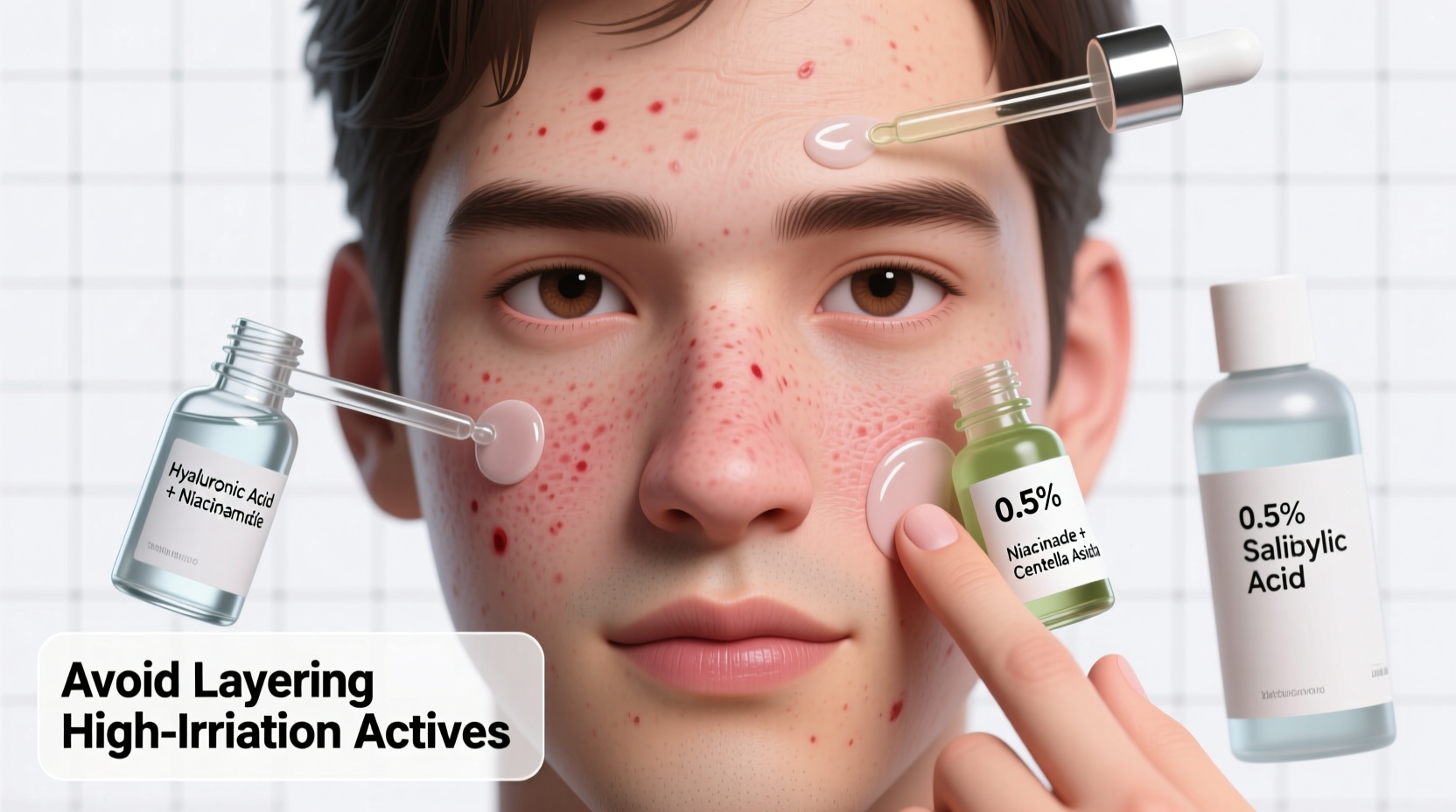
Most over-the-counter and prescription acne treatments rely on potent actives that exfoliate, unclog pores, or regulate oil production. Common ingredients include:
- Benzoyl Peroxide: Kills acne-causing bacteria and reduces inflammation but can be drying and bleaching to fabrics.
- Salicylic Acid: A beta-hydroxy acid (BHA) that penetrates oil to exfoliate inside pores; may cause flaking or tightness.
- Retinoids (e.g., tretinoin, adapalene): Accelerate cell turnover and prevent clogged pores but often induce \"retinization\"—a period of peeling, redness, and sensitivity.
- Niacinamide (often in treatment formulas): Reduces sebum production and calms inflammation; generally well-tolerated.
These ingredients work by disrupting the status quo of acne formation, but they also compromise the skin’s natural moisture barrier temporarily. This makes layering additional products—especially serums—risky if not done carefully.
Tip: Introduce one new product at a time and wait 7–10 days before adding another to monitor for adverse reactions.Choosing Compatible Facial Serums
Not all serums are created equal—and some can amplify irritation when paired with acne treatments. The goal is to select serums that support skin recovery rather than challenge it further.
Safe-to-Use Serums During Acne Treatment:
- Hyaluronic Acid: Provides lightweight hydration without clogging pores or interfering with actives.
- Niacinamide (5% or lower): Helps regulate oil, strengthen the barrier, and reduce redness. Avoid high concentrations if already using prescription-strength niacinamide.
- Centella Asiatica (Cica): Soothes inflammation and accelerates healing, ideal after applying harsh topicals.
- Peptides: Support collagen and repair without exfoliating or sensitizing.
Serums to Use with Caution or Avoid Initially:
- Vitamin C (L-ascorbic acid): Highly effective for brightening but acidic and potentially irritating when layered with retinoids or benzoyl peroxide.
- AHAs (glycolic, lactic acid): Exfoliating properties compound effects of acne treatments, increasing risk of over-exfoliation.
- Fragranced or Essential Oil-Based Serums: Can trigger contact dermatitis, especially on compromised skin.
“Layering incompatible actives is the most common reason patients experience severe irritation during acne therapy. Simplicity and sequencing matter more than ingredient count.” — Dr. Lena Patel, Board-Certified Dermatologist
Step-by-Step Guide to Layering Safely
Timing and order are critical when integrating serums into an acne-focused routine. Follow this timeline to minimize irritation while maximizing benefits.
- Cleanse Gently: Use a non-comedogenic, fragrance-free cleanser. Avoid scrubs or hot water, which strip lipids and worsen sensitivity.
- Tone (Optional): If using a hydrating toner (alcohol-free), apply now to prep skin for absorption.
- Apply Acne Treatment First: Allow it to absorb fully (3–5 minutes). This ensures direct contact with skin and prevents dilution by other layers.
- Wait Before Adding Serum: Let the treatment sink in completely. Rushing leads to pilling and interaction risks.
- Apply Serum: Focus on areas needing hydration or repair. Use fingertips for gentle patting—not rubbing.
- Mothurize: Seal everything with a lightweight, non-comedogenic moisturizer to reinforce the barrier.
- Sunscreen (AM Only): Non-negotiable. Many acne treatments increase photosensitivity.
For nighttime routines, consider alternating days: use retinoids on night one, and restorative serums (like hyaluronic acid + ceramides) on night two. This gives skin time to recover between active phases.
Do’s and Don’ts When Combining Products
| Do’s | Don’ts |
|---|---|
| Use pH-compatible products (e.g., avoid pairing low-pH vitamin C with high-pH retinol immediately) | Mix benzoyl peroxide directly with retinol—it can deactivate the retinoid |
| Layer hydrating serums under acne treatments if skin feels tight | Apply multiple exfoliating ingredients (AHA + BHA + retinoid) in the same session |
| Perform a patch test behind the ear or on the jawline before full-face use | Ignore signs of over-exfoliation: stinging, persistent redness, flaking |
| Store serums properly (away from light/heat) to maintain potency | Use expired or oxidized serums—they lose efficacy and may irritate |
| Adjust frequency based on tolerance (e.g., every other night instead of nightly) | Double up on strong ingredients “to get faster results”—this backfires |
Real-World Example: Managing Combination Skin with Sensitivity
Sophia, a 28-year-old graphic designer, struggled with hormonal breakouts along her jawline and chin. She started using adapalene gel (Differin) nightly as recommended. Within a week, her skin became extremely dry and reactive. She stopped all other products except cleanser and moisturizer but noticed dark marks from old breakouts weren't fading.
After consulting a dermatology nurse practitioner, she was advised to continue Differin but modify her routine. She introduced a simple regimen: cleanse → apply Differin → wait 10 minutes → use a niacinamide serum (10%) → follow with a ceramide moisturizer. She used this combo only three nights a week initially, gradually increasing to five.
Within six weeks, Sophia saw fewer breakouts, reduced redness around lesions, and noticeable improvement in post-acne pigmentation. Her skin adapted, and irritation subsided. The key was introducing the serum slowly and allowing buffer time between applications.
Tip: If your skin stings upon serum application, stop immediately—you may have a compromised barrier. Rebuild with plain moisturizers before reintroducing actives.Checklist: How to Safely Combine Serums and Acne Treatments
Before integrating any serum into your acne care routine, go through this checklist:
- ✅ Identify the active in your acne treatment (e.g., benzoyl peroxide, tretinoin).
- ✅ Check the serum’s ingredient list for known irritants (fragrance, alcohol denat, essential oils).
- ✅ Confirm compatibility: e.g., hyaluronic acid is safe; L-ascorbic acid needs caution.
- ✅ Perform a patch test on a small area for 48 hours.
- ✅ Start with 2–3 uses per week, not daily.
- ✅ Wait at least 5 minutes after applying acne treatment before layering serum.
- ✅ Always finish with moisturizer to lock in hydration and protect the barrier.
- ✅ Monitor for changes: increased dryness, burning, or breakouts may signal incompatibility.
Frequently Asked Questions
Can I use vitamin C serum in the morning if I use tretinoin at night?
Yes, this is generally safe and even beneficial. Vitamin C provides antioxidant protection during the day, while tretinoin works at night. Just ensure your skin isn’t irritated before introducing vitamin C. Start with a buffered form (like magnesium ascorbyl phosphate) if sensitive.
Will hyaluronic acid make my acne worse?
No—pure hyaluronic acid is non-comedogenic and does not feed acne bacteria. However, check the formula: some HA serums contain occlusive additives (like silicones or oils) that might clog pores in acne-prone individuals. Opt for minimalist formulations.
How long should I wait between applying acne treatment and serum?
Aim for a 3–5 minute wait time. This allows the treatment to absorb and lowers the chance of interaction or pilling. For stronger treatments like tretinoin or high-concentration benzoyl peroxide, extend to 10 minutes if needed.
Conclusion: Balance Efficacy with Skin Health
Using facial serums alongside acne treatments isn’t just possible—it can significantly improve outcomes when done correctly. The difference between success and sensitivity lies in thoughtful formulation choices, disciplined layering, and listening to your skin’s feedback. You don’t need a crowded shelf of products to achieve clear, healthy skin; you need a smart, sustainable routine.
Start slow, prioritize barrier support, and remember that consistency beats intensity. Whether you're managing occasional breakouts or chronic acne, integrating the right serum can help fade marks, reduce redness, and keep your complexion balanced. Don’t rush the process—your skin will thank you with clarity, comfort, and confidence.
💬 Have a serum-and-acne-treatment combo that worked for you? Share your experience in the comments and help others navigate their skincare journey with less trial and error.








