The skin on your hands is subjected to constant exposure—washing, sanitizing, weather changes, and physical work all take a toll. As a result, dryness, cracking, and irritation are common complaints. Many people reach for whatever moisturizer is nearby, often using body lotion on their hands without thinking twice. But is that truly effective—or could it even be counterproductive? While both products aim to hydrate, hand creams and body lotions differ in formulation, texture, and purpose. Understanding these distinctions helps determine whether swapping one for the other is a harmless shortcut or a skincare misstep.
Understanding the Skin on Your Hands vs. Body
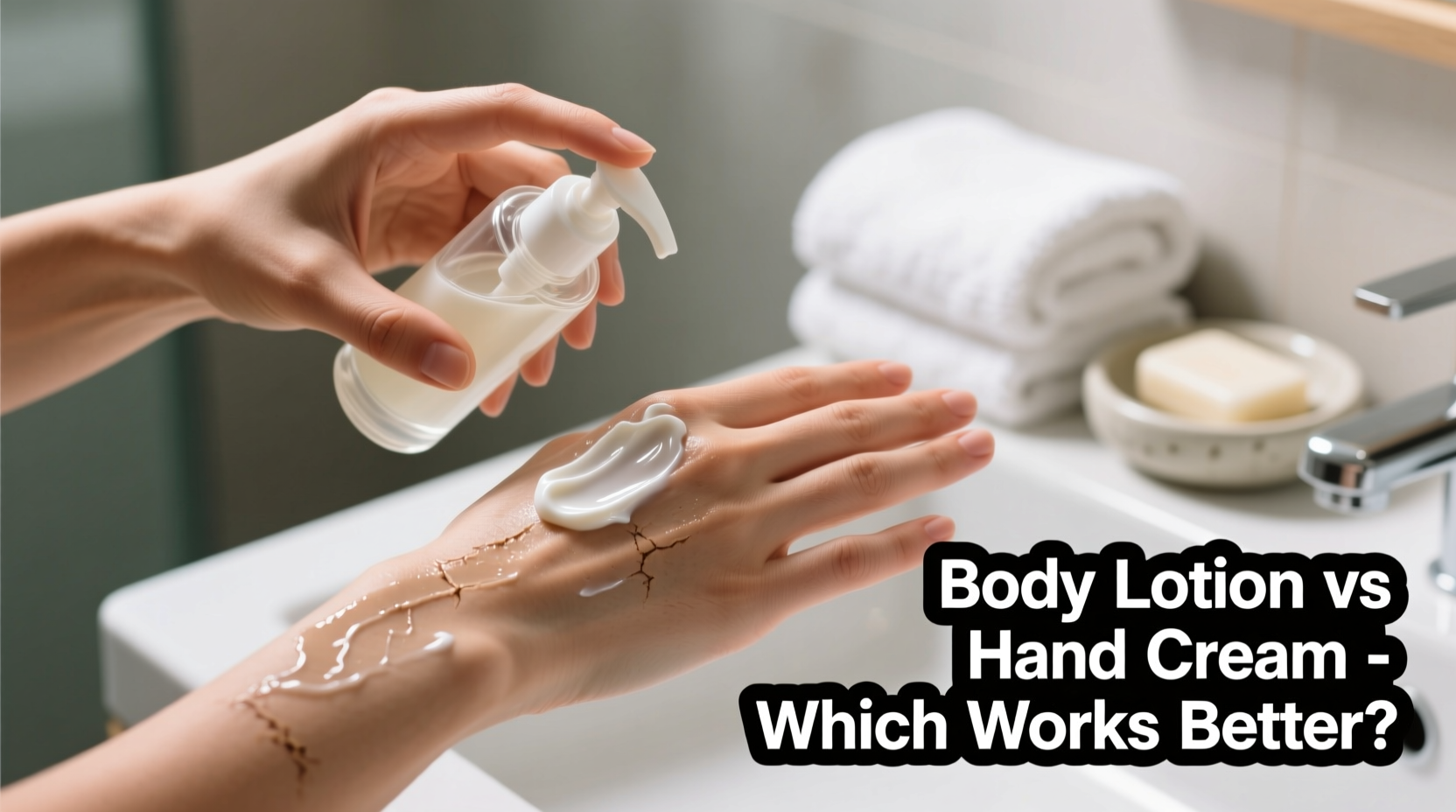
The skin across different parts of the body varies significantly in thickness, oil production, and exposure levels. The hands, particularly the backs and knuckles, have thinner skin than most areas of the body and contain fewer sebaceous (oil) glands. This makes them more prone to moisture loss. Additionally, frequent handwashing with soap strips away natural oils, leaving the skin vulnerable to dryness and environmental damage.
In contrast, the skin on the arms, legs, and torso is generally thicker and benefits from higher sebum production. Body lotions are designed with this in mind—formulated to absorb quickly and provide light hydration over large surface areas. However, they may not deliver the intense moisture barrier repair needed for stressed hand skin.
Tip: If your hands feel tight or look flaky after washing, they need deeper nourishment than typical body lotion can offer.Key Differences Between Hand Cream and Body Lotion
While both products moisturize, their ingredients, consistency, and performance differ based on intended use. Here’s a breakdown of what sets them apart:
| Feature | Hand Cream | Body Lotion |
|---|---|---|
| Texture | Thicker, richer, often greasier | Lightweight, fast-absorbing |
| Moisturizing Agents | Higher concentration of occlusives (e.g., petrolatum, shea butter) | More humectants (e.g., glycerin), fewer occlusive ingredients |
| Barrier Support | Designed to repair and protect damaged skin barriers | Focused on general hydration, not intensive repair |
| Frequency of Use | Multiples times daily, especially post-wash | Once or twice daily, typically after showering |
| Added Benefits | Often includes anti-aging peptides, SPF, or healing agents (like ceramides) | Rarely includes targeted actives; focuses on scent and spreadability |
Because hand creams are engineered for resilience and repair, they tend to remain on the skin longer, forming a protective layer that prevents transepidermal water loss. Body lotions, by comparison, are optimized for quick absorption and broad coverage—not durability through repeated hand contact with water or surfaces.
When It’s Safe to Use Body Lotion on Hands
In certain situations, using body lotion on your hands won’t cause harm and may even provide temporary relief. For example:
- You’re in a pinch: If you’ve run out of hand cream and your hands aren’t severely dry, a body lotion application is better than nothing.
- The formula is rich and non-irritating: Some body lotions contain high levels of shea butter or oils like jojoba and almond, making them suitable for occasional hand use.
- Your hands are only mildly dry: If you don’t frequently wash your hands or live in an extremely dry climate, lighter hydration may suffice.
However, relying on body lotion as a long-term replacement for hand cream—even a premium one—is not ideal. Over time, insufficient protection leads to cumulative damage, especially during winter months or for individuals with occupations requiring frequent hand hygiene (e.g., healthcare workers, food service employees).
“Hands age faster than any other part of the body due to sun exposure and chemical stress. Using under-formulated products accelerates visible aging.” — Dr. Lena Torres, Dermatologist & Skincare Researcher
When You Should Stick to Hand Cream
There are clear scenarios where hand cream is not just preferable but necessary:
- Chronic Dryness or Cracking: Deep fissures or persistent roughness require occlusive ingredients that lock in moisture and support healing. Body lotions lack the density to do this effectively.
- After Frequent Handwashing or Sanitizer Use: Alcohol-based sanitizers disrupt the skin barrier. A reparative hand cream with ceramides or panthenol helps restore balance.
- Cold Weather Protection: In low humidity environments, hands lose moisture rapidly. A thick hand cream applied at night—sometimes under cotton gloves—creates a restorative seal.
- Signs of Eczema or Dermatitis: If your hands show redness, itching, or scaling, medicated or dermatologist-recommended hand creams are essential. Substituting with body lotion can worsen symptoms.
- Occupational Exposure: People who work with cleaning agents, solvents, or mechanical tools need fortified protection. Look for hand creams labeled “barrier repair” or “industrial strength.”
A Real-World Example: The Nurse’s Dilemma
Sarah, a registered nurse working 12-hour shifts in a hospital ICU, began experiencing painful cracks at the base of her fingers within weeks of starting her job. She initially used the same lavender-scented body lotion she applied to her legs each night. Despite regular use, her condition worsened. After consulting the hospital’s occupational health advisor, she switched to a medical-grade hand cream containing lanolin, urea, and dimethicone. Within ten days of consistent use—especially after every handwash and before bed—her skin healed significantly. The thicker formula created a durable shield against antiseptic soaps and friction from glove use. Her experience underscores how environment and routine dictate product needs: what works for the body doesn’t always work for the hands.
How to Choose the Right Product for Your Needs
Selecting between hand cream and body lotion isn't just about preference—it's about matching the product to your lifestyle and skin condition. Consider the following checklist when deciding:
Hand Cream Checklist: When to Reach for One
- ✅ Do you wash your hands more than 10 times a day?
- ✅ Are your hands often exposed to cold, wind, or dry indoor heat?
- ✅ Have you noticed peeling, flaking, or discomfort on your knuckles or fingertips?
- ✅ Do you wear latex or nitrile gloves regularly?
- ✅ Are you concerned about premature aging on the back of your hands?
If you answered yes to two or more, a dedicated hand cream is advisable.
Body Lotion Use Case: Acceptable Hand Application
- ✅ The lotion contains emollients like shea butter, squalane, or plant oils.
- ✅ Your hands are only slightly dry and otherwise healthy.
- ✅ You're using it temporarily until proper hand cream is available.
- ✅ The product is fragrance-free and non-comedogenic.
Even then, avoid using body lotions with exfoliants (like AHAs) or heavy perfumes on your hands—they can irritate already-sensitive skin.
Step-by-Step Guide to Optimal Hand Care
Whether you choose hand cream or occasionally use body lotion, follow this routine to maintain soft, resilient hands:
- Wash Gently: Use lukewarm water and a mild, sulfate-free cleanser. Avoid hot water, which strips natural oils.
- Dry Thoroughly—but Not Aggressively: Pat hands dry with a soft towel; don’t rub, which can cause micro-tears.
- Apply Moisturizer Immediately: Within 30 seconds of drying, apply cream to trap moisture. Use enough to cover all surfaces, including cuticles and between fingers.
- Reapply Throughout the Day: Especially after washing, sanitizing, or coming in from cold weather.
- Night Treatment (2–3 times weekly): Slather on a thick hand cream and wear cotton gloves overnight for deep penetration.
- Use SPF Daily: UV rays accelerate aging on the hands. Choose a hand cream with SPF 15+ or apply sunscreen every morning.
Frequently Asked Questions
Can using body lotion on my hands cause damage?
Not immediately, but prolonged use may lead to inadequate moisture retention, increasing the risk of dryness, cracking, and irritation—especially if your hands are frequently exposed to harsh conditions. Body lotions often evaporate too quickly to provide lasting protection.
Are there body lotions that double as hand creams?
Yes—some multi-purpose formulas are rich enough for both uses. Look for lotions labeled “intensive,” “nourishing,” or “for very dry skin.” Ingredients like shea butter, glycerin, and hyaluronic acid indicate stronger hydrating potential. However, even these may fall short compared to a true hand-specific product.
Why do hand creams cost more than body lotions?
Hand creams typically contain higher concentrations of active, protective ingredients and are developed for targeted repair. They also come in smaller packaging due to lower usage volume per application. The specialized formulation justifies the price difference for those needing reliable hand protection.
Final Thoughts: Make the Right Choice for Long-Term Hand Health
Using body lotion on your hands isn’t inherently harmful, but it’s rarely the best choice. The hands endure unique stressors that demand specialized care. While body lotions offer convenience and light hydration, they lack the robust formulation required to combat dryness, prevent cracking, and slow aging signs on delicate hand skin.
For everyday maintenance, especially in demanding environments, a quality hand cream delivers superior results. Think of it as targeted skincare—just as you wouldn’t use facial serum on your feet, your hands deserve a product built for their specific challenges.
That said, flexibility has its place. In emergencies or for those with naturally resilient skin, a well-formulated body lotion can serve as a temporary solution. The key is knowing when to rely on it—and when to upgrade to something more effective.
💬 What’s your go-to hand care routine? Share your favorite product or tip in the comments—your insight might help someone finally solve their dry hand struggle!








