Many dog owners assume that once a dog reaches a certain age, their ability to learn new behaviors diminishes significantly. This belief often leads people to hesitate when considering introducing a pet door to an older dog. The truth is, age alone is not a barrier to learning. With patience, consistency, and the right approach, most older dogs can be successfully trained to use a pet door—even if they’ve never encountered one before.
The idea that “you can’t teach an old dog new tricks” is more myth than fact. While senior dogs may take longer to adapt and might face physical or cognitive challenges, they are still capable of forming new associations and responding to positive reinforcement. Training an older dog to use a pet door isn’t just possible—it can greatly improve their quality of life by giving them greater independence and reducing anxiety around elimination needs.
Why Pet Doors Benefit Older Dogs
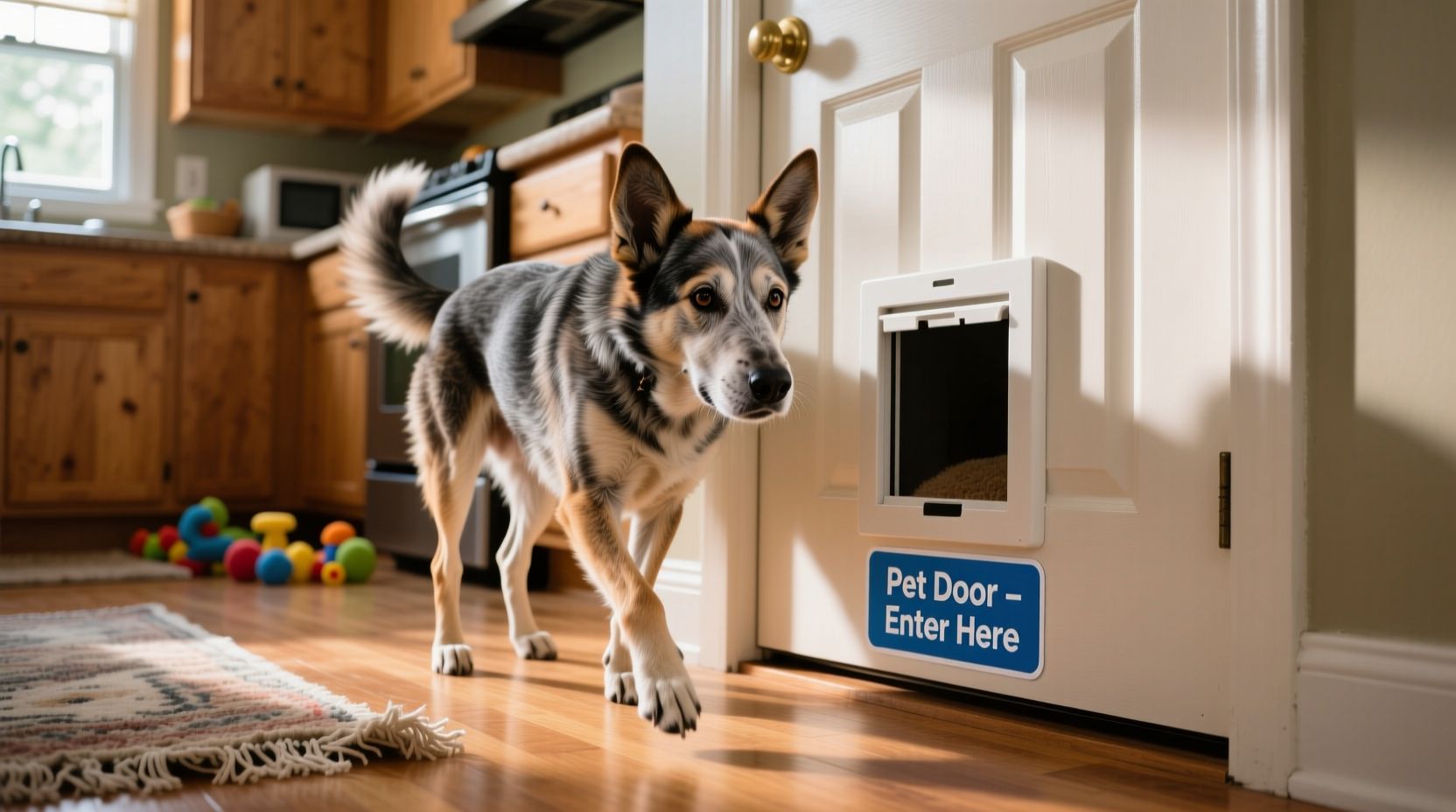
As dogs age, their bladder control may weaken, and they may need to go outside more frequently. Mobility issues can also make it harder for them to signal their need to go out, especially if stairs or long distances are involved. A pet door offers a practical solution by allowing them access to the yard whenever necessary, without relying on human assistance.
Beyond convenience, having a pet door can reduce indoor accidents, minimize stress during nighttime bathroom trips, and promote mental stimulation through safe outdoor exploration. For dogs with arthritis or joint pain, eliminating the need to wait by the door or pace anxiously can significantly improve comfort and well-being.
Tip: Introduce the pet door during daylight hours when your dog is alert and relaxed. Avoid forcing them through—it should be a positive experience.Understanding the Challenges of Training Senior Dogs
While older dogs can learn, there are several factors that may affect the speed and success of training:
- Reduced hearing or vision: Impaired senses can make it harder for dogs to notice cues or perceive the pet door as a passage.
- Mobility limitations: Arthritis or stiffness may make stepping over a threshold uncomfortable or intimidating.
- Cognitive decline: Some senior dogs develop canine cognitive dysfunction (similar to dementia), which affects memory and problem-solving.
- Habitual behavior: Long-established routines (like waiting at the door) can be deeply ingrained, requiring consistent retraining.
Despite these challenges, most older dogs respond well to structured, reward-based training. The key is adjusting expectations and adapting methods to suit the individual dog’s physical and mental condition.
“Dogs of any age can learn new behaviors if the training is tailored to their capabilities. Patience and repetition are far more important than youth.” — Dr. Karen Becker, Integrative Veterinarian and Canine Behavior Specialist
Step-by-Step Guide to Training an Older Dog to Use a Pet Door
Training an older dog requires a gradual, low-pressure approach. Rushing the process can lead to fear or resistance. Follow this timeline-based method to build confidence and reinforce positive associations.
- Introduce the Pet Door (Days 1–3): Leave the door flap propped open so your dog can see and walk through it freely. Place treats or toys on the other side to encourage exploration. Do not force them through.
- Create Positive Associations (Days 4–7): Reward your dog every time they approach or sniff the door. Toss treats through the opening so they must cross the threshold to retrieve them. Praise enthusiastically.
- Add Verbal Cues (Week 2): Begin using a consistent command like “Go out” or “Door!” each time you guide them through. Pair the word with immediate rewards.
- Encourage Independent Use (Week 3): Stand on one side of the door and call your dog through. If they hesitate, gently toss a treat ahead of them. Gradually phase out luring with food.
- Transition to Closed Flap (Week 4+): Once your dog walks through confidently, allow the flap to close. Help them push through gently at first, then let them do it independently. Continue rewarding successful attempts.
Progress may vary. Some dogs master the skill in two weeks; others may take six weeks or more. Consistency is critical—practice multiple short sessions daily rather than one long session.
Adapting for Physical Limitations
If your dog has mobility issues, consider these modifications:
- Install a low-threshold pet door to reduce stepping effort.
- Use ramps or non-slip mats to aid approach and exit.
- Choose lightweight, flexible flaps that require minimal pressure to open.
- Ensure the area around the door is well-lit and free of obstacles.
Common Mistakes to Avoid
Even with good intentions, owners sometimes hinder progress by making common errors. Recognizing these pitfalls can save time and prevent setbacks.
| Mistake | Why It’s Harmful | Better Approach |
|---|---|---|
| Forcing the dog through the door | Creates fear and negative association | Lure with treats and praise; let them choose to go |
| Using punishment for hesitation | Increases anxiety and shuts down learning | Be patient; break steps into smaller tasks |
| Expecting rapid results | Leads to frustration and inconsistent training | Set realistic goals; celebrate small wins |
| Training only when urgency is high | Dog associates door with stress (e.g., needing to pee) | Practice during calm moments, not just before potty breaks |
| Ignoring medical issues | Pain or confusion may be underlying causes of resistance | Consult a vet before starting behavioral training |
Real-Life Example: Training Max, a 10-Year-Old Labrador
Max, a 10-year-old Labrador Retriever, had lived his entire life with his owner letting him out for bathroom breaks. When his owner installed a pet door to accommodate Max’s frequent nighttime urination due to early-stage kidney disease, Max was initially terrified. He would bark at the moving flap but refused to go near it.
His owner began by propping the door open and placing Max’s favorite chew toy just outside. Over three days, Max started retrieving the toy with encouragement. By week two, he was walking through on cue for treats. The owner used the phrase “Time to go out!” consistently and rewarded every attempt. By day 25, Max was using the door independently—both day and night.
The turning point came when the owner placed a motion-activated light near the door, helping Max see better at night. They also added a rubber mat to prevent slipping. Today, Max uses the pet door confidently, and indoor accidents have decreased by 90%.
This case illustrates how environmental adjustments, timing, and empathy can overcome initial resistance—even in medically compromised senior dogs.
Checklist: How to Successfully Train Your Older Dog
Use this actionable checklist to ensure a smooth training process:
- ✅ Schedule a veterinary check-up to rule out pain or cognitive issues
- ✅ Choose a pet door suited to your dog’s size and mobility
- ✅ Propping the flap open initially to allow free access
- ✅ Use high-value treats (e.g., chicken, cheese) during training
- ✅ Practice multiple short sessions per day (3–5 minutes each)
- ✅ Reinforce with verbal praise and immediate rewards
- ✅ Monitor progress and adjust pace as needed
- ✅ Transition to independent use only after full confidence is built
- ✅ Maintain consistency even after mastery—occasional reinforcement helps
Frequently Asked Questions
Is it too late to train a 12-year-old dog?
No, it’s not too late. While learning may be slower, many 12-year-old dogs successfully learn to use pet doors. Success depends more on health and temperament than age. Always consult your vet first to ensure no underlying conditions are affecting behavior.
What if my dog is scared of the flap?
Fear of the swinging flap is common. Start by removing or taping it open so your dog can walk through freely. Gradually reintroduce movement by weighting the bottom lightly, then allowing slow swings. Let your dog observe another pet using it, if possible, as social learning can be powerful.
Can blind or deaf dogs use a pet door?
Yes, with adaptations. Blind dogs can learn the location through scent and touch cues—placing textured mats or familiar-smelling items nearby helps. Deaf dogs rely on visual signals and vibrations. Use hand signals or stomp lightly on the floor to get attention, then guide them using leash cues. Supervised practice is essential until reliability is established.
Final Thoughts and Encouragement
Believing it’s “too late” to train an older dog closes the door on opportunities for improvement—not just for the dog, but for the entire household. Teaching a senior dog to use a pet door is not merely about convenience; it’s about dignity, independence, and enhancing their golden years with autonomy and comfort.
Every dog learns at their own pace. Some will surprise you with quick adaptation; others will need weeks of gentle encouragement. What matters most is consistency, compassion, and recognizing small victories along the way. If you’ve been hesitant because of your dog’s age, reconsider. With the right strategy, most older dogs can—and do—master the pet door.
💬 Have you trained an older dog to use a pet door? Share your story or tips in the comments—your experience could inspire another pet owner to try!








