Parsley is a common herb found in many kitchens, often used as a garnish or flavor enhancer in human dishes. But for rabbit owners, the question isn't about culinary flair—it's about safety and nutrition. Can this vibrant green herb be part of a rabbit’s daily meal plan? The answer is yes, but with important caveats. When fed in moderation and as part of a balanced diet, parsley can offer valuable nutrients to rabbits. However, overfeeding or improper introduction can lead to digestive upset or more serious health complications due to its high calcium and oxalate content. Understanding how, when, and how much parsley to offer is essential for maintaining your rabbit’s long-term health.
Definition & Overview
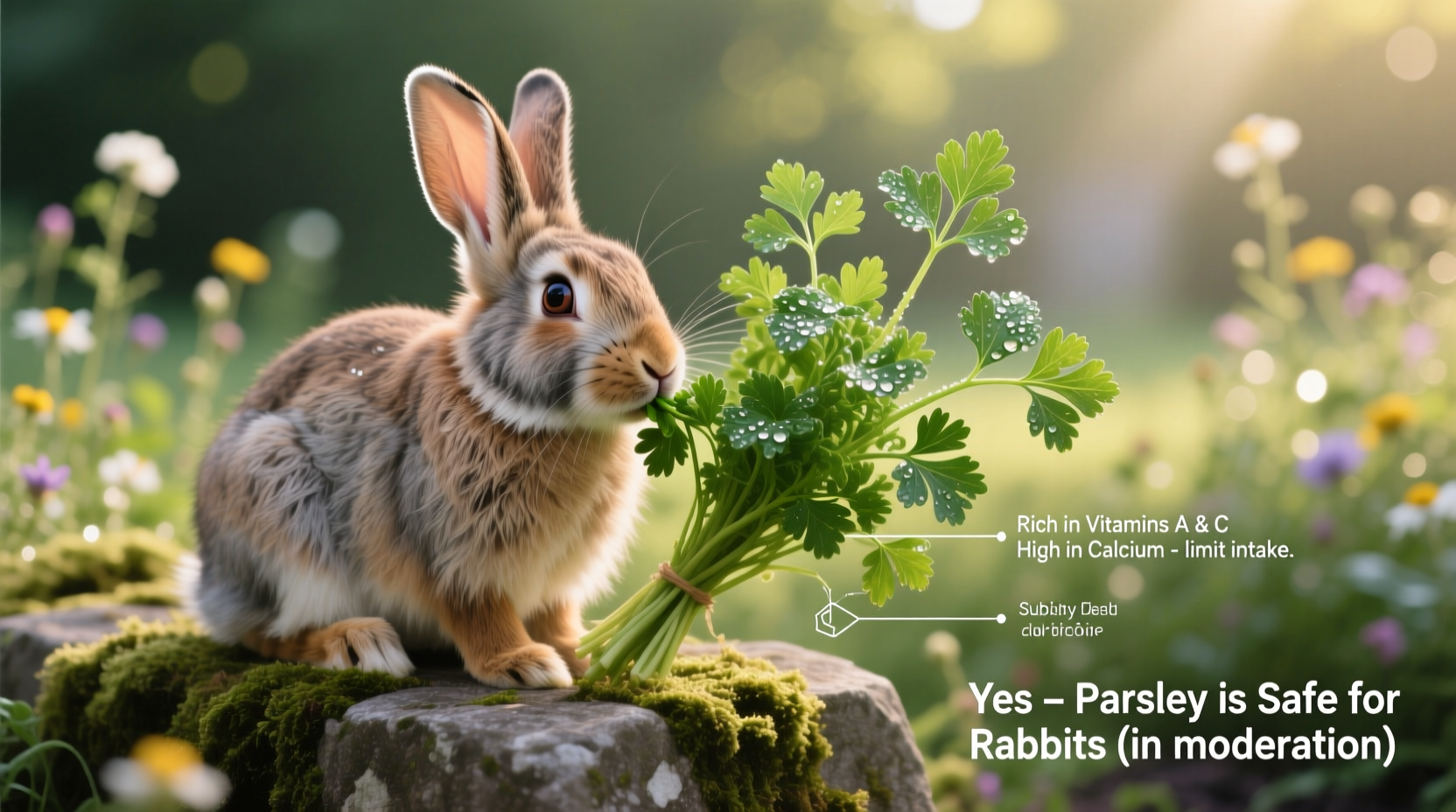
Parsley (Petroselinum crispum) is a biennial herb belonging to the Apiaceae family, which also includes carrots, celery, and cilantro. Native to the central Mediterranean region, it has been cultivated for thousands of years both as a culinary herb and for medicinal purposes. There are two primary varieties: curly leaf parsley and Italian (flat-leaf) parsley. Both are safe for rabbits in small amounts, though they differ slightly in flavor intensity and nutrient density.
In the context of rabbit nutrition, parsley is classified as a leafy green vegetable rather than a treat or snack. It is rich in vitamins A, C, and K, contains antioxidants, and provides dietary fiber—important components for supporting a rabbit’s immune system, vision, and digestive function. However, unlike humans, rabbits process certain minerals differently, making some otherwise healthy foods potentially problematic if consumed in excess.
Rabbits are strict herbivores with highly specialized digestive systems designed to extract nutrients from fibrous plant material. Their diet should primarily consist of unlimited hay (such as timothy or orchard grass), fresh water, and a limited amount of fresh vegetables. Leafy greens like parsley play a supportive role by introducing variety and micronutrients, but they must be carefully managed to avoid imbalances.
Key Characteristics of Parsley
- Flavor Profile: Bright, slightly peppery, with a clean herbal note; flat-leaf parsley tends to be more robust than curly.
- Aroma: Fresh, green, mildly aromatic with subtle earthy undertones.
- Color & Form: Deep green leaves on slender stems; available in curly or flat-leaf forms.
- Nutrient Density: High in vitamin K, vitamin A (as beta-carotene), vitamin C, folate, and iron.
- Calcium Content: Relatively high compared to other leafy greens—this is critical for rabbit diets.
- Oxalates: Contains moderate levels of oxalic acid, which can bind with calcium and contribute to urinary tract issues if overfed.
- Fiber Content: Moderate crude fiber, beneficial for gut motility but not a substitute for hay.
- Shelf Life: 5–7 days when stored properly in the refrigerator in a sealed container with a damp paper towel.
Tip: Always wash parsley thoroughly before feeding to remove pesticides, dirt, or chemical residues. Organic parsley is preferred when possible, especially since rabbits are sensitive to toxins.
Practical Usage: How to Feed Parsley to Rabbits
Introducing parsley into a rabbit’s diet requires careful planning and observation. It should never replace core dietary elements like hay or water. Instead, it functions as a supplemental vegetable that enhances nutritional intake when used appropriately.
To begin, introduce parsley slowly. Start with a single sprig (about 1–2 inches of stem with leaves) for an adult rabbit weighing 5–6 pounds. Observe your rabbit for 24 hours for any signs of digestive upset such as soft stools, bloating, reduced appetite, or lethargy. If no adverse reactions occur, you can gradually increase the amount over several days—but only up to recommended limits.
The general guideline is to feed no more than **¼ cup of mixed leafy greens per 5 pounds of body weight per day**, with parsley making up only a portion of that total. For most rabbits, this translates to **1–2 tablespoons of chopped parsley, 2–3 times per week**. It should be rotated with other low-calcium greens such as romaine lettuce, red or green leaf lettuce, cilantro, bok choy, or dandelion greens.
Step-by-Step Guide to Introducing Parsley
- Wash the parsley thoroughly under cool running water.
- Pat dry or allow to air-dry to prevent excess moisture ingestion.
- Cut off tough lower stems; offer only tender stems and leaves.
- Begin with one small sprig (approx. 1 inch).
- Monitor feces and behavior for 24 hours.
- If well-tolerated, repeat after 2–3 days, then gradually increase frequency—not quantity.
- Mix parsley with other safe greens to create variety and balance.
In professional rabbit care settings—such as shelters or breeding facilities—dietitians often use a rotating green schedule to prevent mineral buildup. For example, parsley might be offered on Mondays and Thursdays, alternating with escarole on Tuesdays and kale (sparingly) on Fridays. This rotation ensures nutrient diversity while minimizing risk.
Pairing parsley with lower-calcium vegetables helps maintain a balanced calcium-to-phosphorus ratio in the diet. For instance, combining a small amount of parsley with a larger portion of romaine lettuce dilutes the overall calcium load while still providing flavor and enrichment.
Variants & Types of Parsley
While all edible forms of parsley are technically safe for rabbits in moderation, understanding the differences between types can help optimize feeding strategies.
| Type | Description | Best Use for Rabbits |
|---|---|---|
| Curly Leaf Parsley | Mild flavor, ruffled appearance, commonly used as garnish. | Safer starting point due to milder taste and slightly lower nutrient concentration; ideal for picky eaters or first introductions. |
| Italian (Flat-Leaf) Parsley | Bolder flavor, flatter leaves, higher in essential oils and nutrients. | More potent; use in smaller quantities. Offers greater vitamin content but may be less palatable to some rabbits. |
| Root Parsley (Hamburg Parsley) | Grown for its edible taproot, similar to a parsnip. | Not recommended for regular feeding—higher in starch and sugars, which can disrupt cecal fermentation. |
| Chinese Parsley / Coriander | Often confused with true parsley but is actually cilantro (Coriandrum sativum). | Safe and often preferred by rabbits; lower in calcium than true parsley and excellent for rotation. |
When selecting parsley at the grocery store or farmers market, choose bunches with crisp, deep green leaves and avoid wilted, yellowing, or slimy specimens. Freshness directly impacts palatability and safety—spoiled greens can harbor harmful bacteria like *E. coli* or *Salmonella*, which rabbits are particularly vulnerable to.
Comparison with Similar Ingredients
Parsley is often grouped with other leafy greens, but its nutritional profile sets it apart in ways that matter for rabbit health. Below is a comparison with commonly fed herbs and vegetables:
| Vegetable/Herb | Calcium (mg per 100g) | Water Content | Suitable Frequency for Rabbits | Notes |
|---|---|---|---|---|
| Parsley | 138 mg | ~88% | 2–3 times/week (small portions) | High in vitamin K and oxalates; limit frequency. |
| Kale | 150 mg | ~85% | Once/week max | Even higher calcium; avoid regular use. |
| Cilantro (Coriander) | 67 mg | ~92% | 3–4 times/week | Lower calcium, well-liked; excellent alternative. |
| Romaine Lettuce | 35 mg | ~95% | Daily (in rotation) | Low calcium, hydrating, staple green. |
| Spinach | 99 mg | ~91% | Rarely (once/month) | Very high in oxalates; binds calcium and increases bladder stone risk. |
This comparison highlights why parsley cannot be treated like iceberg lettuce or other mild greens. Despite being “just a herb,” it carries significant mineral load. Feeding parsley daily—even in small amounts—can contribute to hypercalciuria (excess calcium in urine), leading to sludge or stones in the urinary tract, particularly in middle-aged or older rabbits.
Practical Tips & FAQs
Q: How much parsley can I feed my rabbit?
A: For a 5-pound rabbit, no more than 1–2 tablespoons of chopped parsley 2–3 times per week. Always include it as part of a mixed greens offering, not alone.
Q: Can baby rabbits eat parsley?
A: No. Kits should remain on mother’s milk and alfalfa hay until around 12 weeks of age. Introduce vegetables slowly after 12 weeks, starting with very mild options like romaine. Parsley should be among the last greens added due to its potency.
Q: Is curly parsley safer than flat-leaf?
A: Slightly. Curly parsley tends to be milder in flavor and marginally lower in nutrients, making it a better choice for initial trials. However, both types are high in calcium and should be fed sparingly.
Q: What are the signs of too much parsley?
A: Symptoms include cloudy or gritty urine, straining to urinate, decreased appetite, lethargy, or gastrointestinal stasis. Chronic overconsumption may lead to bladder stones, detectable via X-ray.
Q: Can I grow parsley for my rabbit at home?
A: Yes, and it’s encouraged. Homegrown parsley ensures freshness and avoids pesticide exposure. Grow in a container indoors or in a secure outdoor enclosure to prevent contamination. Avoid using fertilizers or garden chemicals.
Q: Are parsley stems safe?
A: Tender upper stems are safe and provide additional fiber. Avoid thick, woody lower stems, which can be difficult to chew and digest.
Q: Can parsley cause allergies in rabbits?
A: True allergies are rare, but sensitivities can occur. Watch for swelling, excessive scratching, or respiratory changes after introduction. Discontinue use if observed.
Expert Tip: “We see far too many cases of urolithiasis (bladder stones) linked to overfeeding calcium-rich greens like parsley and kale. Variety is key—rotate greens weekly and prioritize low-calcium options.” — Dr. Elena Torres, DVM, Exotic Animal Specialist
Storage Guidelines
- Store unwashed parsley in a perforated plastic bag with a dry paper towel in the refrigerator crisper drawer.
- Use within 5–7 days for optimal freshness and safety.
- Do not freeze parsley intended for rabbits—texture degrades and ice crystals can damage cell walls, increasing spoilage risk upon thawing.
Substitutions
If your rabbit enjoys parsley but needs to reduce calcium intake, consider these alternatives:
- Cilantro (coriander)
- Arugula (use sparingly—slightly peppery)
- Basil (low calcium, aromatic, well-accepted)
- Endive or escarole (excellent fiber, moderate hydration)
- Dandelion greens (naturally bitter, supports liver health)
Summary & Key Takeaways
Parsley can be a safe and nutritious addition to a rabbit’s diet when used correctly. It offers valuable vitamins and phytonutrients that support overall health, but its high calcium and oxalate content demand caution. Overfeeding—even by a small margin over time—can lead to serious urinary complications, including bladder sludge and stones.
Key points to remember:
- Parsley is safe for adult rabbits in small, controlled amounts.
- Limited to 1–2 tablespoons, 2–3 times per week as part of a mixed greens diet.
- Never feed to young rabbits under 12 weeks old.
- Always wash thoroughly and inspect for spoilage.
- Rotate with low-calcium greens like romaine, cilantro, and red leaf lettuce.
- Avoid daily feeding and never make it a dietary staple.
- Monitor urine output and consistency regularly—early detection prevents severe issues.
Responsible feeding means balancing enrichment with safety. While parsley adds flavor and variety to your rabbit’s plate, the foundation of their diet must remain high-fiber hay, fresh water, and measured portions of appropriate vegetables. By treating parsley as a supplement rather than a standard, you ensure your rabbit enjoys both taste and longevity.
Final Advice: Keep a simple feeding log tracking which greens your rabbit eats and how often. This record can prove invaluable during veterinary visits and helps you maintain consistency and balance in their nutrition plan.









