Rabbits are naturally curious herbivores with sensitive digestive systems that require a carefully balanced diet. While hay forms the foundation of their nutrition, fresh vegetables like broccoli can play a supportive role. Among the various parts of the broccoli plant, the stem is often overlooked—but it's edible and raises an important question: Can rabbits eat broccoli stems regularly, or should their intake be limited? The answer lies in understanding both the nutritional value and potential health risks associated with this fibrous vegetable.
Broccoli stems are less gassy than the florets and contain valuable fiber, vitamins, and hydration—benefits that seem ideal for rabbits. However, even healthy foods can become harmful when fed in excess. This article explores the science behind feeding broccoli stems to rabbits, outlines safe portion sizes, and provides practical guidance for integrating them into a balanced diet without risking gastrointestinal distress.
Nutritional Profile of Broccoli Stems
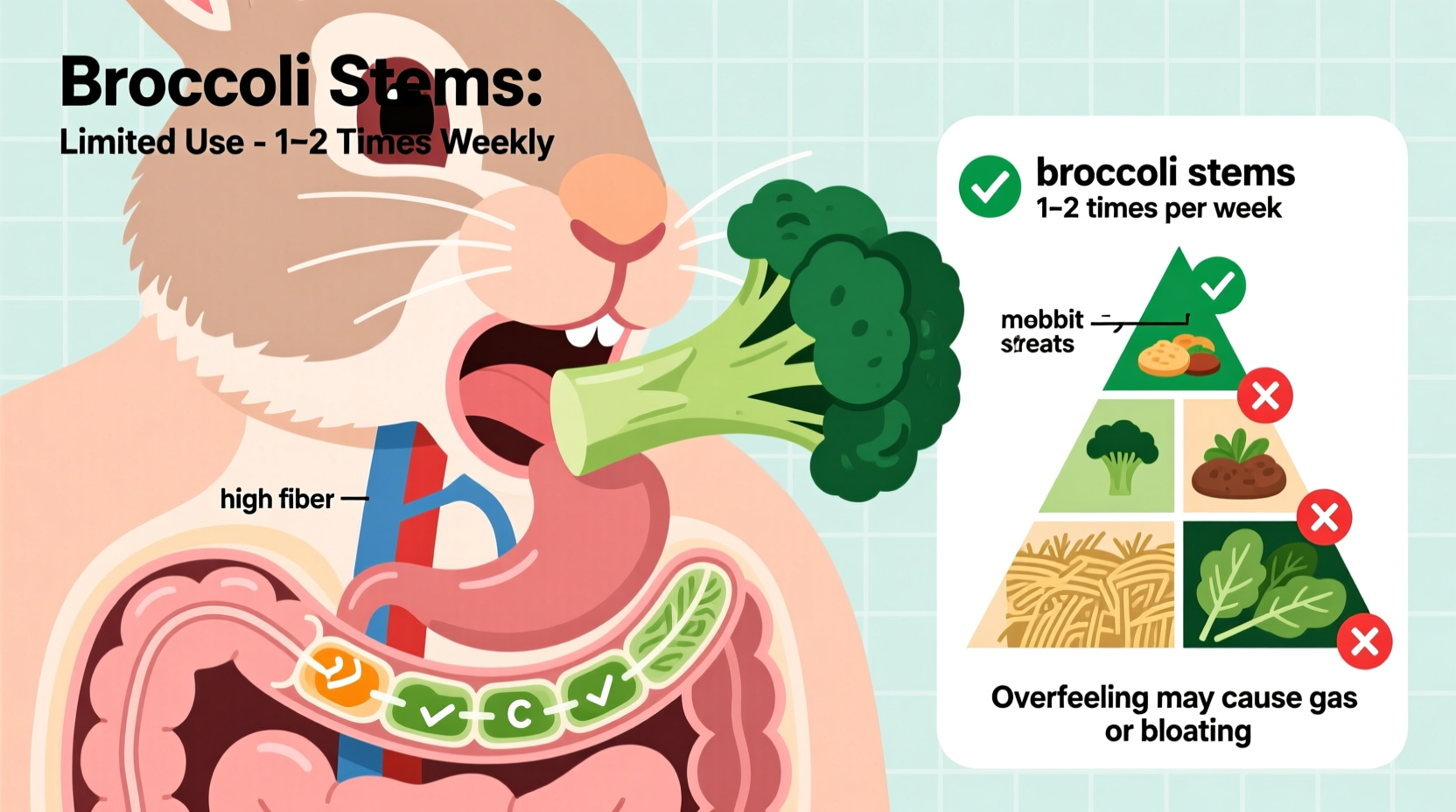
Broccoli stems are not just the \"leftover\" part of the vegetable—they’re packed with nutrients that can benefit your rabbit when offered appropriately. Compared to the florets, stems are lower in sugar and certain compounds that cause gas, making them a slightly safer option. Here’s a breakdown of what broccoli stems offer:
- Dietary Fiber: Essential for maintaining healthy gut motility in rabbits. A high-fiber diet prevents issues like gastrointestinal stasis, a potentially life-threatening condition.
- Vitamin C: Though rabbits produce their own vitamin C, additional sources may support immune function during times of stress or illness.
- Vitamin K: Important for blood clotting and bone health.
- Folate (B9): Supports cell function and tissue growth.
- Hydration: Broccoli stems have a high water content (about 90%), which helps keep rabbits hydrated, especially in warmer climates.
- Low in Fat and Sugar: Unlike many treats, broccoli stems do not contribute to obesity or dental problems when fed in moderation.
Despite these positives, broccoli—including the stem—contains glucosinolates, sulfur-containing compounds that break down into gases during digestion. In some rabbits, this leads to bloating, discomfort, and even painful gas buildup.
Tip: Always wash broccoli stems thoroughly to remove pesticides or residues before offering them to your rabbit.Are Broccoli Stems Safer Than Florets?
Many rabbit owners assume all parts of broccoli carry the same risk, but there are notable differences between stems and florets. Research and veterinary observations suggest that stems are generally better tolerated than the dense, flower-like heads.
The florets contain higher concentrations of raffinose, a complex sugar that ferments in the hindgut and produces gas. Stems, being more fibrous and less concentrated in these sugars, tend to ferment more slowly and cause fewer digestive upsets. This makes them a preferable choice if you decide to include broccoli in your rabbit’s diet.
“While broccoli isn’t toxic to rabbits, its gas-producing properties mean it should never be a staple. If you choose to feed it, the stem is the safest part due to its lower sugar and indigestible carbohydrate content.” — Dr. Laura Hamill, DVM, Exotic Animal Nutrition Specialist
Still, individual tolerance varies widely. Some rabbits handle small amounts of broccoli well, while others experience discomfort after just a bite. Introducing any new food gradually is critical to monitoring how your pet responds.
How Often Should You Feed Broccoli Stems?
Even though broccoli stems are safer than florets, they should not be fed daily. Regular consumption increases the risk of chronic gas buildup, appetite loss, and long-term digestive imbalance. Instead, broccoli stems should be treated as an occasional addition to a diverse vegetable rotation.
A safe feeding schedule includes:
- Offering broccoli stems no more than **1–2 times per week**.
- Limited to **1 tablespoon per 2 pounds of body weight** per serving.
- Never mixing broccoli with other gas-producing vegetables (e.g., cabbage, kale, cauliflower) on the same day.
For example, a 4-pound rabbit could safely receive about 2 tablespoons of chopped broccoli stem once or twice a week—provided no other cruciferous vegetables are served that day.
Step-by-Step Guide to Introducing Broccoli Stems
- Start Small: Offer a piece no larger than half a teaspoon to gauge your rabbit’s reaction.
- Wait 24 Hours: Monitor for signs of gas, such as bloating, reduced appetite, lethargy, or teeth grinding (a sign of pain).
- Gradually Increase: If no adverse effects occur, slowly increase the portion over several weeks to reach the recommended amount.
- Mix with Other Greens: Combine broccoli stem with leafy greens like romaine, cilantro, or dandelion leaves to dilute potential irritants.
- Observe Long-Term Patterns: Keep notes on behavior and stool quality to identify subtle sensitivities.
Common Risks of Overfeeding Broccoli Stems
While broccoli stems are nutritious, overfeeding—even this milder part of the plant—can lead to serious health complications. The most common issues include:
- Gastrointestinal Stasis: Caused by imbalanced gut flora, leading to slowed digestion, appetite loss, and potentially fatal blockages.
- Bloating and Gas Pain: Rabbits cannot pass gas easily, so trapped gas causes significant discomfort and may require veterinary intervention.
- Diarrhea or Soft Cecotropes: Disruption in cecal fermentation results in poorly formed droppings or uneaten cecotrophs.
- Reduced Hay Intake: If rabbits fill up on vegetables, they may eat less hay—the cornerstone of their diet—leading to dental and digestive problems.
In extreme cases, persistent gas pain can lead to ileus, where the intestines stop moving altogether. This condition requires immediate medical attention.
Do’s and Don’ts of Feeding Broccoli Stems
| Do’s | Don’ts |
|---|---|
| Wash stems thoroughly before cutting | Feed raw broccoli only—never cooked (alters digestion) |
| Chop into small, manageable pieces | Offer large chunks that could cause choking |
| Limit to 1–2 times weekly | Feed daily or as a regular staple |
| Pair with non-gassy greens like endive or radicchio | Mix with other cruciferous vegetables in one meal |
| Introduce slowly and monitor closely | Ignore signs of bloating or decreased fecal output |
Real-Life Example: Managing Digestive Sensitivity
Sophie, a 3-year-old dwarf rabbit, had always enjoyed a variety of vegetables. Her owner began adding broccoli florets twice a week, believing them to be healthy. Within two weeks, Sophie became less active, stopped eating her favorite hay, and produced fewer droppings. Concerned, her owner took her to a rabbit-savvy vet.
After examination, the vet suspected mild gastrointestinal stasis triggered by excessive gas from broccoli. Sophie was given simethicone to relieve gas and encouraged to drink more water. The vet advised eliminating all cruciferous vegetables and reintroducing only the stems—once every ten days—as part of a broader rotation.
Over the next month, Sophie’s digestion normalized. Her owner kept a food journal and discovered that even small amounts of kale combined with broccoli caused relapses. By switching to low-gas greens and using broccoli stems sparingly, Sophie regained her energy and maintained consistent bowel movements.
This case highlights how seemingly healthy foods can disrupt delicate digestive balances—and why moderation and observation are essential.
Alternative Vegetables for Daily Rabbit Diets
If you're looking to provide variety without the risks associated with broccoli, consider safer, low-gas alternatives that can be fed more regularly. These vegetables form the backbone of a healthy, diverse diet:
- Romaine lettuce
- Green leaf lettuce
- Cilantro
- Parsley (in moderation due to calcium content)
- Endive
- Arugula
- Dandelion greens (pesticide-free)
- Carrot tops (not the root, which is high in sugar)
- Radish leaves
- Watercress
These options provide similar nutrient profiles—fiber, hydration, and vitamins—without the gas-producing side effects. They can be rotated daily to keep meals interesting while minimizing digestive strain.
Frequently Asked Questions
Can baby rabbits eat broccoli stems?
No. Baby rabbits under 12 weeks should only consume mother’s milk, hay, and fresh water. Introduce vegetables gradually starting at 12 weeks, beginning with low-risk options like romaine or cilantro. Broccoli stems should be among the last vegetables added, if at all, due to their potential to cause gas in developing digestive systems.
What are the signs my rabbit is reacting badly to broccoli stems?
Watch for reduced appetite, smaller or fewer fecal pellets, bloating (a firm, tight abdomen), lethargy, teeth grinding (indicating pain), or hunched posture. If you notice these symptoms, remove all vegetables immediately and encourage hay and water intake. Contact your veterinarian if symptoms persist beyond 12 hours.
Is organic broccoli safer for rabbits?
Organic broccoli reduces exposure to pesticides, which is beneficial, but it does not change the gas-producing properties of the vegetable. Whether organic or conventional, broccoli stems should still be washed thoroughly and fed in strict moderation.
Checklist: Safe Vegetable Feeding Practices
- ✅ Wash all vegetables to remove chemicals and dirt
- ✅ Introduce one new vegetable at a time
- ✅ Start with small portions (pea-sized for first try)
- ✅ Wait 24–48 hours to assess tolerance
- ✅ Limit high-fiber, low-gas veggies to daily rotation
- ✅ Restrict cruciferous vegetables like broccoli to 1–2x/week
- ✅ Prioritize hay—vegetables should never replace it
- ✅ Remove uneaten vegetables after 2–4 hours to prevent spoilage
- ✅ Keep a simple food log noting reactions
- ✅ Consult a rabbit-experienced vet before major dietary changes
Conclusion: Balance Is Key
Broccoli stems can be a safe and nutritious treat for rabbits when fed in strict moderation. Their higher fiber and lower sugar content make them a better choice than florets, but they still carry risks due to gas-forming compounds. No rabbit should eat broccoli stems regularly—once or twice a week at most, and only as part of a varied, hay-based diet.
Every rabbit is different. What works for one may upset another. Pay close attention to your pet’s digestion, energy levels, and stool quality. When in doubt, opt for consistently safe greens and reserve broccoli stems as an occasional novelty rather than a routine offering.
💬 Have you introduced broccoli stems to your rabbit? Share your experience or ask questions in the comments—your insights could help fellow rabbit owners make safer feeding choices!