After a sun-dappled forest trail, a sandy shoreline romp, or a rain-slicked urban stroll, your dog’s paws, fur, and even face often carry more than just joy: pollen, burrs, road salt, chemical residues from treated lawns, and invisible microbes. Many pet owners reach instinctively for convenient wipes — especially those labeled “pet-safe” — assuming they’re harmless and effective. But here’s the reality: not all pet-safe wipes are created equal, and many marketed as “alcohol-free” still contain ingredients that irritate sensitive skin, disrupt the microbiome, or pose ingestion risks during self-grooming. This article cuts through the marketing noise with science-backed guidance, real-world scenarios, and actionable protocols — so you can clean thoughtfully, not hastily.
Why “Pet-Safe” Doesn’t Mean “Risk-Free”
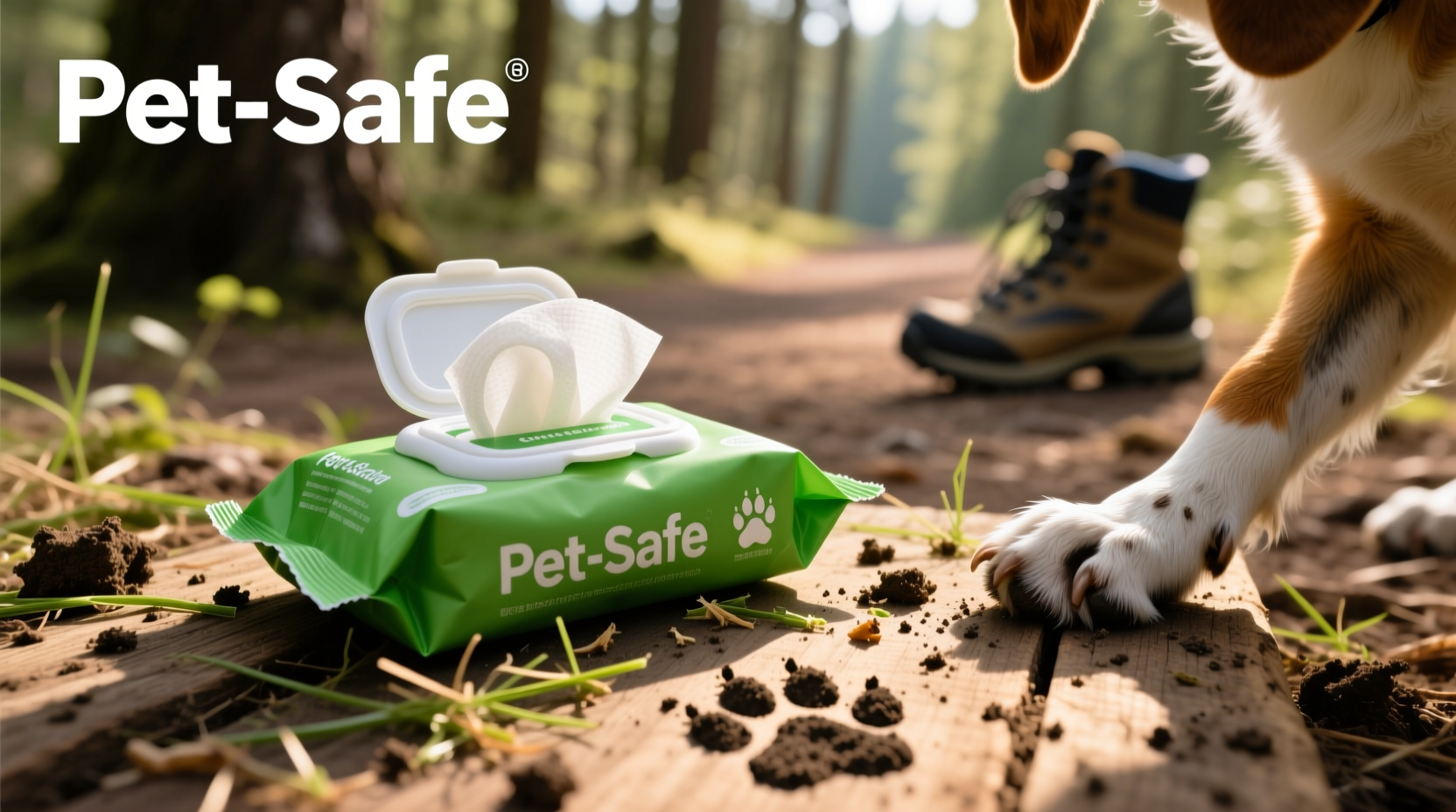
The term “pet-safe” is unregulated by the U.S. Food and Drug Administration (FDA) or the Environmental Protection Agency (EPA). It carries no standardized formulation requirements, safety thresholds, or testing mandates. A wipe labeled “pet-safe” may contain low concentrations of ethanol (up to 0.5%), denatured alcohol, or alternative solvents like propylene glycol — all of which can cause localized dryness, contact dermatitis, or gastrointestinal upset if licked repeatedly. Worse, some brands substitute alcohol with quaternary ammonium compounds (“quats”) like benzalkonium chloride, which are toxic to cats even in trace amounts and linked to respiratory irritation in dogs with asthma or brachycephalic anatomy.
A 2023 study published in Veterinary Dermatology analyzed 47 commercially available pet wipes and found that 62% contained at least one ingredient flagged by the ASPCA Animal Poison Control Center as potentially problematic for routine use — including fragrance allergens (e.g., limonene, linalool), methylisothiazolinone (a known skin sensitizer), and sodium benzoate (which forms benzene when combined with ascorbic acid in acidic environments like saliva).
“‘Pet-safe’ on the label is not a guarantee — it’s an invitation to read the full ingredient list. If you can’t pronounce three or more ingredients, pause before using it on your dog’s paw pads or around their eyes.”
— Dr. Lena Torres, DVM, Board-Certified Veterinary Dermatologist and Lead Researcher, UC Davis Veterinary Medical Teaching Hospital
What Actually Counts as “Safe” for Post-Adventure Use?
True safety hinges on four criteria: zero alcohol, pH balance (5.5–7.0), no synthetic fragrances or dyes, and non-toxicity upon incidental ingestion. The safest options are formulated specifically for canine skin — which has a thinner stratum corneum and higher pH than human skin — and tested for ocular and oral safety. Look for products certified by the National Animal Supplement Council (NASC) or independently verified by third-party labs for heavy metals, microbial load, and cytotoxicity.
Tip: Always perform a 48-hour patch test before full use: gently wipe a dime-sized area on your dog’s inner thigh and monitor for redness, swelling, or excessive licking.When and Where to Use Wipes — and When to Skip Them Entirely
Wipes have legitimate utility — but only in targeted, limited contexts. They are appropriate for quick decontamination of paws after exposure to de-icing salts, grass clippings, or visible mud; gentle cleaning around eyes and ears post-swim; or spot-cleaning minor plant sap or sap residue. They are not substitutes for bathing, nor are they safe for daily full-body use, repeated facial wiping, or application on broken skin, hotspots, or post-surgical sites.
Timing matters. Wiping immediately after returning home is ideal — before your dog begins grooming or tracking contaminants onto furniture or bedding. Avoid using wipes in high-heat conditions (above 85°F/29°C), as heat accelerates ingredient absorption and increases risk of thermal irritation.
| Situation | Appropriate Wipe Use? | Risk Notes |
|---|---|---|
| Paw cleaning after snow/salt exposure | ✅ Yes — critical for preventing chemical burns and ingestion | Use within 10 minutes of return; rinse with water if wipe feels drying |
| Full-body wipe-down after muddy hike | ❌ No — overuse strips natural oils, invites folliculitis | Opt for lukewarm rinse + oatmeal shampoo instead |
| Cleaning ear flaps after swimming | ✅ Yes — but only outer flap; never insert into canal | Avoid alcohol-based formulas; prefer witch hazel + aloe blends |
| Removing pollen from face/fur | ⚠️ Limited — only on non-irritated skin; avoid eyes/nose | Pollen triggers histamine release; wipe gently to avoid micro-tears |
| Post-vaccination site cleaning | ❌ No — sterile gauze + vet-approved antiseptic only | Wipes introduce unnecessary variables to immune response |
A Step-by-Step Protocol for Responsible Wipe Use
Follow this evidence-informed sequence every time — whether returning from a 10-minute backyard sprint or a 3-hour mountain loop. Consistency reduces cumulative risk and maximizes benefit.
- Assess first: Check paws for cuts, embedded thorns, cracked pads, or signs of interdigital cysts. If present, skip wipes and consult your veterinarian.
- Choose wisely: Select a wipe with ≤3 active ingredients (e.g., purified water, organic aloe vera juice, colloidal oatmeal) and no preservatives beyond potassium sorbate or sodium benzoate at ≤0.1%.
- Warm slightly: Hold sealed pack in your palm for 30 seconds. Cold wipes constrict capillaries and reduce efficacy; warm ones mimic natural skin temperature.
- Wipe directionally: Use one wipe per paw, moving from toe tips upward — never back-and-forth — to avoid pushing debris deeper into nail folds.
- Observe behavior: Watch for head-shaking, paw-licking, or rubbing within 5 minutes. Discontinue use immediately if any occur — these are early signals of irritation or taste aversion.
- Store properly: Reseal package tightly and keep in a cool, dark drawer (not bathroom cabinets, where humidity degrades preservatives).
Real-World Scenario: The Coastal Hike Incident
Last June, Maya brought her 4-year-old Australian Shepherd, Koa, on a coastal trail near Monterey. Tide pools left salt crust on his paws; sticky kelp strands clung to his chest fur; and he’d rolled enthusiastically in a patch of wild mustard — known for its potent pollen. Back at the car, she used a popular “veterinarian-recommended” wipe brand — advertised as “alcohol-free” and “hypoallergenic.” Within 20 minutes, Koa was licking his front paws obsessively. By evening, both paw pads were reddened and slightly fissured. A teleconsult with her vet revealed the wipe contained 0.3% denatured ethanol and methylchloroisothiazolinone — a preservative banned in EU pet cosmetics since 2021. Switching to a NASC-certified, fragrance-free wipe with chamomile extract resolved the irritation in 48 hours. More importantly, Maya began carrying a small insulated pouch with pre-moistened gauze pads soaked in saline solution — a safer, more controllable alternative for future outings.
What to Use Instead — Safer Alternatives by Scenario
Wipes aren’t the only tool — and often, they’re not the best. Here’s how to match your cleanup method to the contaminant:
- Salt, ice melt, or road grime: Rinse paws thoroughly with lukewarm water and a soft-bristle brush. Follow with a 1:10 dilution of apple cider vinegar and water (pH-balanced, antimicrobial, non-toxic if licked).
- Pollen or dust: Use a damp microfiber cloth — no additives — and wipe gently in the direction of hair growth. Follow with a handheld vacuum attachment on lowest setting to lift residual particles.
- Sticky sap or resin: Apply a pea-sized amount of coconut oil, wait 60 seconds, then wipe with a dry cotton pad. Oil dissolves sap without stripping lipids.
- Unknown chemical exposure (e.g., spilled fertilizer): Flush immediately with copious cool running water for 5+ minutes, then call ASPCA Animal Poison Control (888-426-4435) before using any topical product.
Frequently Asked Questions
Can I make my own pet-safe wipes at home?
Yes — but with strict caveats. A safe DIY formula uses distilled water, organic aloe vera gel (preservative-free), and colloidal oatmeal (finely ground, unscented). Never add essential oils (toxic to dogs), tea tree oil (neurotoxic), or vinegar at full strength (disrupts skin pH). Store homemade wipes refrigerated and discard after 48 hours — no preservatives means rapid bacterial growth.
Are baby wipes ever safe for dogs?
No. Even “fragrance-free” baby wipes contain propylene glycol, phenoxyethanol, and sodium lauryl sulfate — all linked to contact allergies and oral ulceration in canines. Human skin pH averages 5.5; canine skin pH ranges from 6.2–7.5. Formulations optimized for humans are inherently mismatched.
How often is too often to use wipes?
More than once daily on the same area significantly increases transepidermal water loss and microbiome disruption. Limit to 1–2 times per week per body zone unless directed otherwise by your veterinarian for a specific medical condition (e.g., recurrent pododermatitis).
Conclusion: Clean With Intention, Not Convenience
Outdoor adventures nourish your dog’s body and spirit — but they also expose them to environmental stressors that demand thoughtful, informed care. Relying on “pet-safe” wipes as a reflexive cleanup step undermines their purpose. True safety lies not in marketing claims, but in ingredient literacy, situational awareness, and respect for your dog’s unique physiology. Start today: pull out your current wipe pack, check the full ingredient list against the ASPCA’s Toxic Plant & Product Database, and replace anything with unpronounceable synthetics or vague terms like “proprietary blend.” Then, invest in a reusable silicone paw washer and a small bottle of veterinary-grade saline spray — tools that offer control, consistency, and zero chemical compromise. Your dog’s skin barrier, gut health, and long-term comfort depend on the choices you make in those first quiet minutes after coming home.
💬 Your experience matters. Have you switched wipes after a reaction? Found a truly gentle formula? Share your story in the comments — your insight could help another pet parent avoid preventable discomfort.








