Blueberries are widely celebrated for their antioxidant properties and nutritional value in human diets. As pet owners increasingly focus on natural, wholesome foods for their dogs, many wonder: can dogs eat blueberries too? The short answer is yes—blueberries are safe for most dogs when served in moderation. However, understanding the nuances of portion size, preparation, and individual health conditions is essential to avoid unintended consequences. This guide provides a comprehensive look at how and why blueberries can be a healthy treat for your dog, backed by veterinary insights and practical feeding strategies.
Nutritional Benefits of Blueberries for Dogs
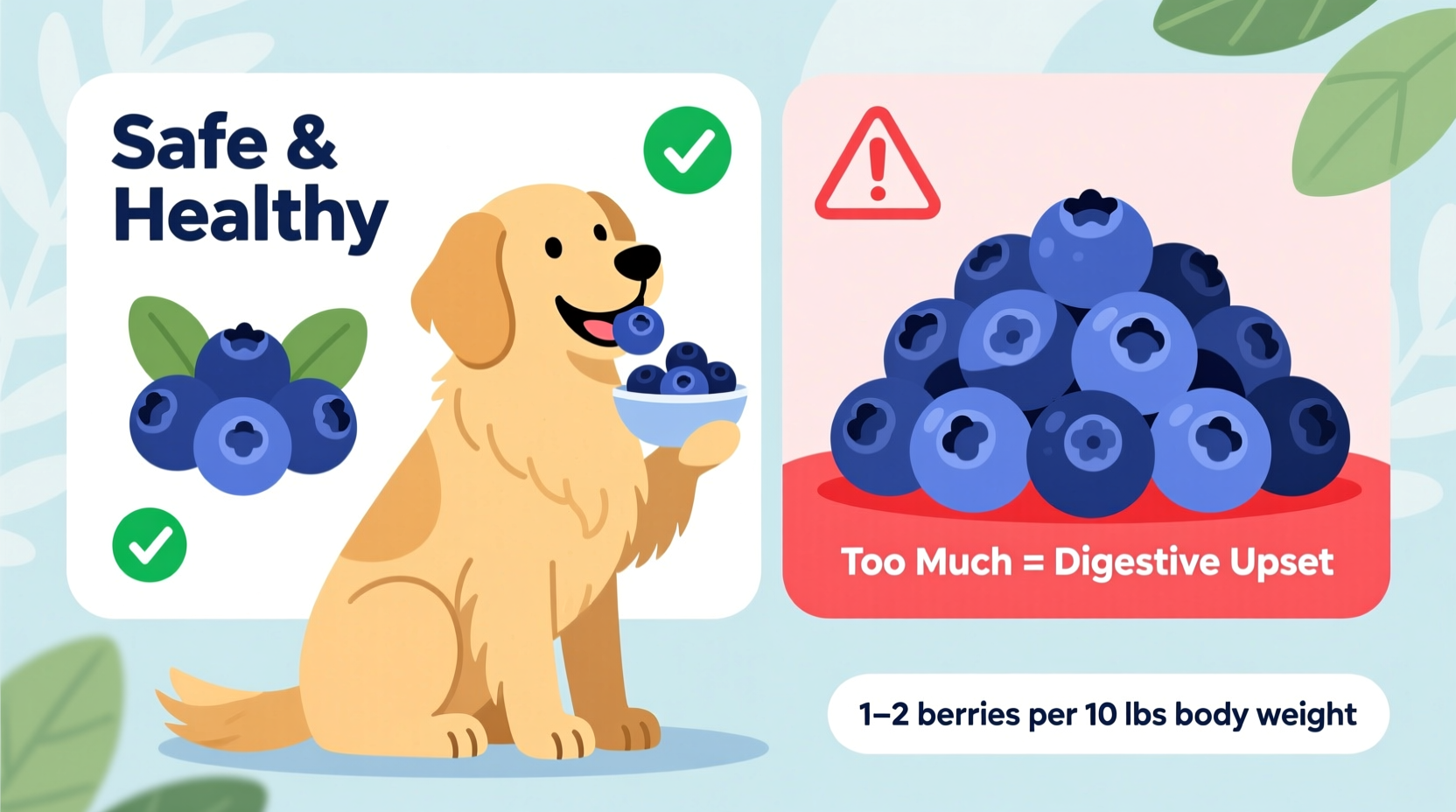
Blueberries are nutrient-dense fruits packed with vitamins, fiber, and antioxidants. While dogs have different dietary needs than humans, certain components in blueberries offer tangible health benefits when included as an occasional treat.
Vitamin C supports immune function and helps reduce inflammation, which is particularly beneficial for older dogs or those with joint issues. Vitamin K aids in blood clotting and bone metabolism. Manganese contributes to enzyme function and energy production. Additionally, blueberries are rich in phytochemicals like anthocyanins—the compounds responsible for their deep blue color—which possess strong antioxidant properties that help combat oxidative stress and support cellular health.
The high fiber content in blueberries can also aid digestion. Soluble fiber helps regulate bowel movements and may contribute to better gut health. However, excessive fiber can lead to loose stools or gastrointestinal upset, so balance is key.
Tip: Frozen blueberries make a refreshing summer treat—just ensure they’re unsweetened and thawed slightly for easier chewing.Safety Considerations and Potential Risks
While blueberries are not toxic to dogs, several factors must be considered before introducing them into your pet’s diet. The primary concern is portion control. Even healthy foods can cause problems when overfed. Because blueberries contain natural sugars, excessive consumption may lead to weight gain, dental issues, or digestive disturbances such as diarrhea or gas.
Dogs with diabetes or insulin resistance should consume blueberries only under veterinary supervision due to their sugar content. Although the glycemic load is relatively low compared to other fruits, it's still important to monitor intake closely in diabetic animals.
Another risk involves choking, especially in small breeds or dogs that gulp food without chewing. Whole blueberries, while small, can pose a minor obstruction hazard if swallowed quickly. To minimize this risk, consider mashing or chopping blueberries for smaller dogs or puppies.
Additionally, avoid flavored or processed blueberry products such as muffins, jams, or yogurt-covered berries, which often contain added sugars, xylitol (a highly toxic artificial sweetener), or other harmful ingredients. Stick to fresh, organic, and thoroughly washed blueberries whenever possible.
“Blueberries are one of the safest fruits you can give your dog, but remember—they're treats, not meals. Moderation prevents digestive upset and maintains balanced nutrition.” — Dr. Laura Bennett, DVM, Canine Nutrition Specialist
Portion Guidelines Based on Size and Weight
There is no universal serving size for blueberries across all dogs. Portion depends on your dog’s weight, age, activity level, and overall diet. As a general rule, treats—including fruits—should not exceed 10% of your dog’s daily caloric intake.
To help determine appropriate portions, refer to the following table based on average caloric needs:
| Dog Weight (lbs) | Daily Calorie Needs (approx.) | Max Treat Calories (10%) | Suggested Blueberry Portion |
|---|---|---|---|
| 5–10 | 200–300 kcal | 20–30 kcal | 2–4 blueberries per day |
| 11–25 | 300–500 kcal | 30–50 kcal | 5–8 blueberries per day |
| 26–50 | 500–900 kcal | 50–90 kcal | 10–15 blueberries per day |
| 51–90 | 900–1400 kcal | 90–140 kcal | 15–20 blueberries per day |
| 90+ | 1400+ kcal | 140+ kcal | Up to 25 blueberries per day |
Note that one average blueberry contains approximately 0.7 calories. Use this figure to fine-tune portions if your dog has strict dietary restrictions.
How to Safely Introduce Blueberries Into Your Dog’s Diet
Introducing any new food requires caution. Follow these steps to ensure your dog tolerates blueberries well:
- Start Small: Offer one or two blueberries and wait 24 hours to observe for adverse reactions such as vomiting, diarrhea, or itching.
- Wash Thoroughly: Rinse blueberries under cool running water to remove pesticides, wax, or contaminants—even organic ones should be cleaned.
- Serve Plain: Do not add sugar, honey, or seasonings. Avoid canned or syrup-packed blueberries entirely.
- Monitor Response: Watch for changes in stool consistency, energy levels, or appetite after feeding.
- Incorporate Gradually: If well-tolerated, slowly increase to the recommended portion over several days.
You can serve blueberries whole (for larger dogs), mashed (for small breeds or seniors), or frozen (as a cooling chewable treat). Some owners mix a few into their dog’s regular kibble to enhance palatability or use them during training sessions as low-calorie rewards.
Tip: Combine blueberries with plain, unsweetened Greek yogurt (if your dog tolerates dairy) for a brain-boosting snack rich in probiotics and antioxidants.Real-Life Example: Managing Joint Health with Blueberries
Milo, a 9-year-old Labrador Retriever, began showing signs of stiffness after walks. His owner, Sarah, consulted her veterinarian about natural ways to support joint health alongside prescribed supplements. The vet suggested incorporating antioxidant-rich foods, including blueberries, to help reduce inflammation.
Sarah started giving Milo six fresh blueberries each morning, mixed into his breakfast. Within three weeks, she noticed he was more eager to go on walks and had less difficulty standing up after resting. Blood work showed stable liver and kidney values, and Milo experienced no digestive side effects. His vet confirmed that the addition was likely contributing positively to his overall wellness, provided it remained within calorie limits.
This case illustrates how a simple dietary tweak—when done responsibly—can complement medical care and improve quality of life in aging dogs.
Common Mistakes to Avoid
- Overfeeding: Even healthy treats become problematic in excess. More than 10–15% of daily calories from treats can displace essential nutrients.
- Using Processed Varieties: Blueberry-flavored snacks often contain xylitol, which is deadly to dogs. Always read labels carefully.
- Ignoring Allergies: Though rare, some dogs may react to berries. Signs include hives, swelling, or gastrointestinal distress.
- Substituting Meals: Blueberries lack protein, fat, and other critical nutrients dogs need. They should never replace balanced dog food.
- Feeding Unwashed Berries: Pesticide residues can accumulate and potentially harm pets over time.
Checklist: Preparing Blueberries for Your Dog
Use this quick checklist every time you prepare blueberries for your canine companion:
- ☐ Choose fresh, ripe blueberries (organic preferred)
- ☐ Wash thoroughly under running water
- ☐ Remove stems and leaves
- ☐ Count out the correct portion based on your dog’s weight
- ☐ Chop or mash for small dogs if needed
- ☐ Discard uneaten berries after 2 hours to prevent spoilage
- ☐ Monitor your dog for 24 hours after first introduction
Frequently Asked Questions
Can puppies eat blueberries?
Yes, but in very small amounts. Puppies have sensitive digestive systems, so start with half a blueberry and watch for any reaction. Always chop them to prevent choking.
Are frozen blueberries safe for dogs?
Yes, frozen blueberries are safe and can be a fun, cooling treat in hot weather. Just avoid commercial frozen berry blends that may contain added sugars or syrups.
How often can I give my dog blueberries?
Blueberries can be given daily in appropriate portions, but rotating with other safe fruits like strawberries or apple slices (without seeds) ensures dietary variety and reduces the risk of overexposure to any single food.
Conclusion: Making Smart Choices for Your Dog’s Snacking Habits
Blueberries offer a safe, nutritious, and enjoyable treat option for most dogs when fed responsibly. Their blend of antioxidants, vitamins, and fiber makes them a standout among fruit choices, supporting everything from cognitive function to digestive health. But like all treats, they must be given with intention—considering portion size, frequency, and your dog’s unique health profile.
By following evidence-based guidelines, washing produce thoroughly, avoiding processed versions, and monitoring your dog’s response, you can confidently include blueberries as part of a balanced diet. Whether tossed as a training reward or blended into a homemade frozen snack, this tiny fruit can bring big benefits.
💬 Have you tried feeding blueberries to your dog? Share your experience, tips, or questions in the comments below—your insights could help fellow pet parents make safer, smarter choices!








