
Cinnamon is a beloved spice in kitchens around the world, prized for its warm aroma and sweet-spicy flavor. It enhances everything from morning oatmeal to holiday baked goods and even features in natural home remedies. But while humans enjoy its benefits safely, pet owners—especially those with cats—must exercise caution. Unlike dogs or humans, cats have highly sensitive metabolisms and are particularly vulnerable to certain compounds found in common household items, including essential oils and spices like cinnamon. The growing popularity of DIY cleaning solutions, air fresheners, and holistic pet treatments has increased the likelihood of feline exposure to concentrated forms of cinnamon, raising concerns among veterinarians and animal care experts.
The short answer is yes: cinnamon can pose significant health risks to cats, especially when ingested or applied topically in concentrated forms. While small environmental traces—such as a light dusting on a countertop—are unlikely to cause harm, direct ingestion, inhalation of powdered cinnamon, or exposure to cinnamon essential oil can lead to toxic reactions. This article provides a comprehensive examination of how cinnamon affects cats, which forms are most dangerous, clinical signs of toxicity, and practical steps pet owners can take to ensure their feline companions remain safe.
Definition & Overview: What Is Cinnamon?
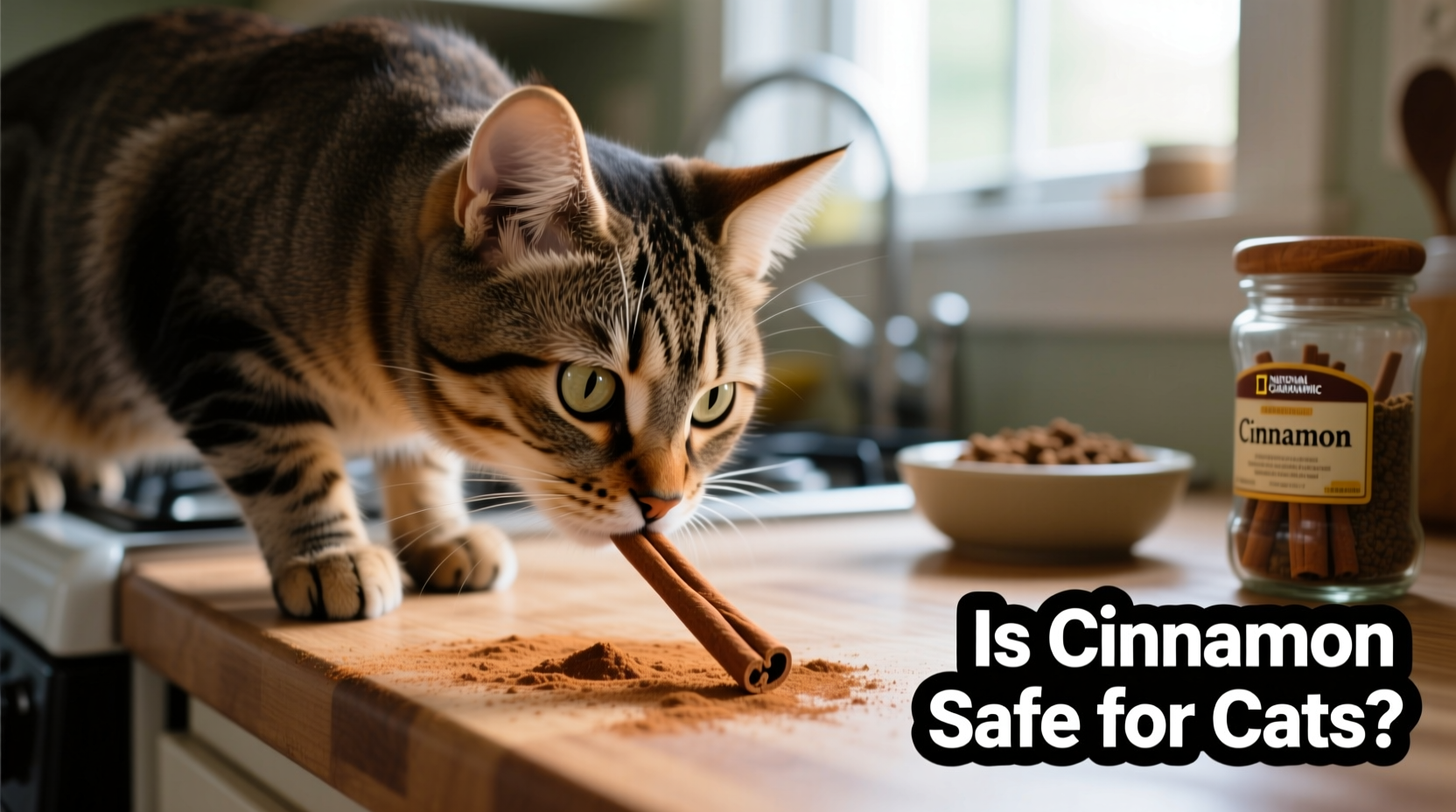
Cinnamon is a spice derived from the inner bark of several tree species from the genus Cinnamomum, primarily grown in Sri Lanka (Ceylon cinnamon) and parts of Southeast Asia (Cassia cinnamon). When harvested, the bark curls into rolls known as “quills,” which are dried and sold whole or ground into powder. Cinnamon contains a variety of volatile compounds, the most biologically active being cinnamaldehyde, eugenol, and coumarin. These substances contribute to its distinctive scent, flavor, and antimicrobial properties—but they also present potential hazards to cats.
In human nutrition, cinnamon is associated with antioxidant activity, blood sugar regulation, and anti-inflammatory effects. However, these biochemical properties do not translate safely to feline physiology. Cats lack certain liver enzymes—specifically glucuronyl transferase—that are necessary to metabolize phenolic compounds like those in cinnamon. As obligate carnivores with limited detoxification pathways, they are far more susceptible to chemical sensitivities than omnivorous species.
Key Characteristics of Cinnamon
Beyond its culinary appeal, understanding the physical and chemical traits of cinnamon helps explain why it poses a risk to cats. Below is a breakdown of its primary characteristics:
| Characteristic | Description |
|---|---|
| Flavor Profile | Warm, sweet, slightly spicy with woody undertones; Cassia tends to be stronger and more pungent than Ceylon. |
| Aroma | Potent, aromatic due to high levels of cinnamaldehyde and other essential oils. |
| Color & Form | Brown-red hue; available as ground powder, whole quills, liquid extract, or highly concentrated essential oil. |
| Heat Level / Irritancy | Not a capsaicin-based heat, but cinnamaldehyde acts as a mucous membrane irritant, especially in concentrated forms. |
| Culinary Function | Used to flavor desserts, beverages, marinades, and some savory dishes; also used in preservation due to antimicrobial effects. |
| Shelf Life | Ground cinnamon: 6–12 months; whole sticks: up to 3–4 years; essential oils: 2–5 years if stored properly. |
The same qualities that make cinnamon effective in food preservation and aromatherapy—its volatility and bioactive chemistry—also increase its potential to disrupt a cat’s delicate physiological balance.
How Cinnamon Affects Cats: Mechanisms of Toxicity
Cats process foreign substances differently than humans. Their livers are inefficient at breaking down many plant-derived chemicals, making them prone to toxin buildup. Cinnamon contains multiple compounds that can trigger adverse reactions:
- Cinnamaldehyde: The main component responsible for cinnamon’s flavor and scent. In high concentrations, it is corrosive and can cause irritation to the mouth, esophagus, stomach lining, and respiratory tract.
- Eugenol: Found in higher amounts in some cinnamon varieties, this compound has anesthetic and antiseptic properties but is hepatotoxic (liver-damaging) in cats.
- Coumarin: Particularly abundant in Cassia cinnamon, coumarin is linked to liver damage and coagulopathy (impaired blood clotting) in animals.
When a cat ingests or inhales cinnamon, especially in concentrated form, these compounds can rapidly enter the bloodstream. Because cats cannot efficiently conjugate and excrete such toxins, they accumulate, leading to cellular stress and organ dysfunction. Even dermal exposure—such as applying homemade flea repellents containing cinnamon oil—can result in systemic absorption through the skin or secondary ingestion during grooming.
Expert Insight: \"I’ve seen cases where well-meaning owners used ‘natural’ cinnamon-based sprays to deter cats from counters or repel fleas. Unfortunately, these products often contain essential oils at concentrations 50 to 100 times higher than what would be in culinary use. For cats, that level of exposure is equivalent to poisoning.\" — Dr. Lena Torres, DVM, Feline Internal Medicine Specialist
Variants & Types of Cinnamon: Which Are Most Dangerous?
Not all cinnamon is created equal. There are two primary types commonly available, each with different chemical profiles and risk levels for pets:
- Cassia Cinnamon (Cinnamomum cassia): The most widely sold type in supermarkets, especially in the U.S. It has a bold, spicy flavor and contains high levels of coumarin—up to 1% by weight. This makes it significantly more hazardous to cats, particularly regarding liver toxicity.
- Ceylon Cinnamon (Cinnamomum verum): Often labeled “true cinnamon,” it is lighter in color, more delicate in taste, and contains much lower levels of coumarin (less than 0.04%). While still unsafe for cats, it poses a reduced risk compared to Cassia.
Additionally, the form in which cinnamon is encountered dramatically influences danger level:
| Form | Risk Level to Cats | Notes |
|---|---|---|
| Ground Powder (Culinary Use) | Moderate | Ingestion of small amounts may cause mild gastrointestinal upset; larger doses or inhalation can be harmful. |
| Whole Sticks (Quills) | Low to Moderate | Less likely to be ingested, but broken pieces or dust can still pose risks if chewed or crushed. |
| Cinnamon Essential Oil | Very High | Extremely concentrated; even a few drops can cause severe toxicity via skin contact, inhalation, or ingestion. |
| Liquid Extracts / Tinctures | High | Alcohol-based and potent; accidental spills or open bottles near cats are dangerous. |
| Air Fresheners / Diffusers with Cinnamon Oil | High | Inhalation of aerosolized particles can cause respiratory distress and neurological symptoms. |
Cat owners should treat any product labeled “cinnamon oil” or “cassia oil” as a potential toxin and store it securely out of reach. Even indirect exposure—such as using a diffuser in a multi-cat household—can lead to chronic respiratory issues.
Practical Usage: When and How Cinnamon Enters the Home Environment
Cinnamon appears in more places than just the spice rack. Understanding common household uses helps identify hidden risks:
- Baking and Cooking: Used in pies, cookies, breads, curries, and spiced beverages like chai or mulled wine. Spills or accessible containers can tempt curious cats.
- Diy Cleaning Products: Mixed with vinegar or water for natural disinfecting. Sprayed surfaces may leave residues cats walk on or groom off their paws.
- Homemade Pest Repellents: Some suggest using cinnamon powder around baseboards to deter ants or spiders. Cats exploring these areas may inhale or ingest the dust.
- Aromatherapy and Scented Candles: Cinnamon-scented products often contain synthetic or natural essential oils. Diffused particles linger in the air and settle on fur.
- Beauty and Wellness Remedies: Used in toothpaste, mouthwash, or supplements promoted for blood sugar control. Open bottles or spilled capsules pose ingestion risks.
To minimize exposure, consider alternatives in shared living spaces. For example, use pet-safe cleaners instead of DIY blends, avoid plug-in air fresheners, and store all spices in sealed cabinets. Never apply any substance containing cinnamon directly to a cat, even with the intention of repelling insects.
Tip: If you suspect your cat has been exposed to cinnamon oil—especially via a diffuser—remove the animal immediately to fresh air, turn off the device, ventilate the room thoroughly, and monitor for signs of distress.
Comparison with Similar Ingredients
Cinnamon is sometimes confused with other warming spices, but its risks to cats differ significantly from related botanicals:
| Ingredient | Similarities to Cinnamon | Differences in Risk to Cats |
|---|---|---|
| Nutmeg | Warm, sweet-spicy flavor; often paired in baking blends. | Contains myristicin, which causes hallucinations and seizures in cats. Also toxic, but via neurotoxic rather than hepatotoxic mechanisms. |
| Ginger | Common in similar recipes; mild warmth and digestive support claims. | Generally safer in tiny amounts; rarely toxic unless consumed in large quantities. |
| Allspice | Combines notes of cinnamon, nutmeg, and clove; used in holiday dishes. | Contains eugenol (like cinnamon), so moderate toxicity risk; less studied but best avoided. |
| Clove | Shares eugenol content and antimicrobial use. | Even more toxic than cinnamon; clove oil is strongly linked to liver failure in cats. |
The takeaway: many spices marketed as “natural” or “safe” for human use are not safe for cats. Always verify pet safety before introducing new products into a feline-inclusive home.
Practical Tips & FAQs
What are the symptoms of cinnamon toxicity in cats?
Symptoms vary depending on the route and amount of exposure:
- Ingestion: Vomiting, diarrhea, drooling, decreased appetite, low blood sugar (hypoglycemia), rapid heart rate.
- Inhalation: Coughing, wheezing, labored breathing, nasal discharge, lethargy.
- Skin Contact: Redness, itching, hair loss, excessive grooming, chemical burns (especially with oils).
- Systemic Toxicity: Liver damage, tremors, seizures, collapse.
Is a small amount of cinnamon harmful?
A single lick or minimal contact with ground cinnamon is unlikely to cause serious harm, though mild stomach upset may occur. However, repeated exposure—even in small doses—can lead to cumulative toxicity, especially with coumarin-rich Cassia cinnamon.
Can I use cinnamon to stop my cat from scratching furniture?
No. While some sources recommend sprinkling cinnamon as a deterrent due to its strong smell, this practice is unsafe. Cats may inhale the fine powder, leading to respiratory irritation. Safer alternatives include double-sided tape, cardboard scratchers, or pheromone sprays.
What should I do if my cat ingests cinnamon?
Act quickly:
- Remove access to the substance.
- Note the form (powder, oil, etc.), estimated amount, and time of exposure.
- Contact your veterinarian or the ASPCA Animal Poison Control Center (888-426-4435).
- Do not induce vomiting unless instructed by a professional.
- Bring the product packaging if possible.
Are there safe essential oils for cats?
Most essential oils are unsafe for cats due to metabolic limitations. Exceptions exist only under veterinary supervision and extreme dilution. Peppermint, tea tree, citrus, and cinnamon oils are among the most dangerous. Avoid using any essential oil diffuser in homes with cats.
How can I prevent accidental exposure?
Follow these preventive measures:
- Store spices and essential oils in child-proof, closed cabinets.
- Avoid using scented candles, reed diffusers, or plug-ins in cat-accessible rooms.
- Read labels on cleaning products, shampoos, and supplements.
- Use pet-safe alternatives for pest control and odor removal.
- Supervise cooking activities where spices are loose or airborne.
\"Prevention is always better than treatment when it comes to spice toxicity in cats. Once liver or respiratory damage occurs, recovery can be lengthy and expensive. Pet owners should assume any essential oil or concentrated botanical is a hazard until proven otherwise.\" — Dr. Alan Prescott, Veterinary Toxicologist, Midwest Animal Health Institute
Summary & Key Takeaways
Cinnamon, while safe and beneficial for humans, presents real and potentially severe health risks to cats. Its active compounds—particularly cinnamaldehyde, eugenol, and coumarin—can overwhelm a cat’s limited detoxification systems, leading to gastrointestinal, respiratory, hepatic, and neurological complications. The greatest dangers come from concentrated forms such as essential oils, liquid extracts, and diffused aerosols, though even ground cinnamon should be kept out of reach.
Key points to remember:
- Cats lack the liver enzymes needed to process phenolic compounds in cinnamon.
- Cassia cinnamon is more toxic than Ceylon due to higher coumarin content.
- Essential oils and diffusers pose the highest risk—even brief inhalation can be harmful.
- Symptoms of toxicity include vomiting, difficulty breathing, drooling, and lethargy.
- Never use cinnamon as a behavioral deterrent or natural remedy on or around cats.
- Immediate veterinary consultation is crucial following suspected exposure.
Action Step: Review your home today for products containing cinnamon or related essential oils. Safely dispose of or secure any high-risk items. Share this information with family members or pet sitters to ensure consistent safety practices.
Responsible pet ownership includes recognizing that “natural” does not mean “safe.” By understanding the science behind feline metabolism and respecting their biological limits, we can create safer, healthier environments for our cats—one spice jar at a time.









