
Cats are obligate carnivores, meaning their biology is optimized for a diet primarily composed of animal-based proteins. Yet many pet owners, drawn by the human trend toward plant-forward eating or seeking natural alternatives for digestive health, wonder whether certain vegetables—like sweet potatoes—can be safely included in a cat’s diet. The short answer is: yes, but with important caveats. When prepared correctly and offered in strict moderation, cooked plain sweet potato is not toxic to cats and may offer limited digestive benefits. However, it should never replace meat as the foundation of feline nutrition. Understanding how, when, and why to use sweet potatoes around cats is essential to avoid gastrointestinal upset, nutritional imbalances, or long-term health complications.
Definition & Overview
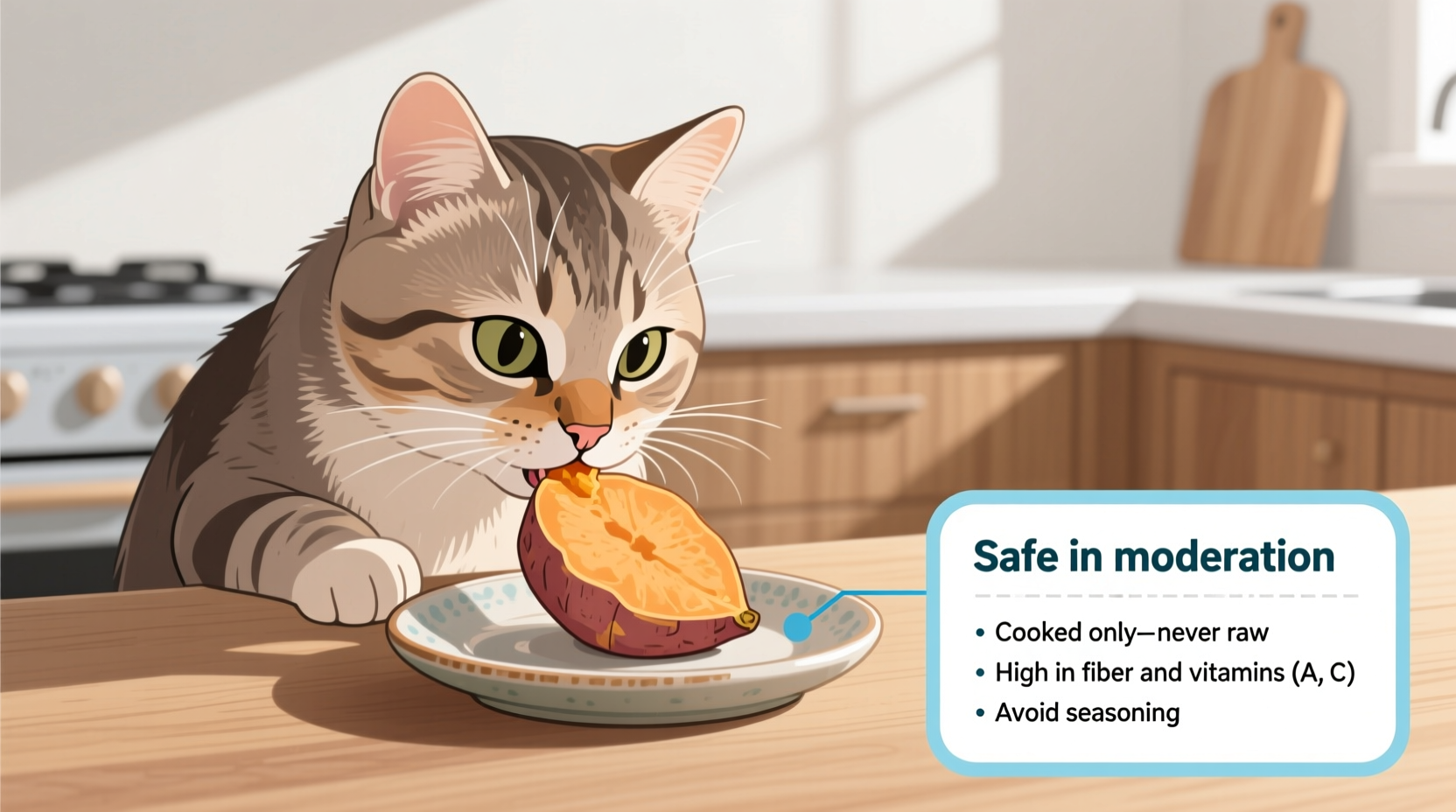
Sweet potatoes (Ipomoea batatas) are root vegetables belonging to the morning glory family. Unlike regular potatoes (which are part of the nightshade family and contain solanine, a toxic compound), sweet potatoes are botanically distinct and generally safer for animals when properly prepared. They are rich in complex carbohydrates, dietary fiber, beta-carotene (a precursor to vitamin A), and various antioxidants. While these nutrients benefit humans and some omnivorous pets like dogs, their role in a cat's diet is minimal due to fundamental metabolic differences.
In commercial pet food, particularly some grain-free formulations, dried sweet potato is sometimes used as a source of digestible fiber and binding agent. This has led to increased visibility of the ingredient in kibble and canned diets marketed for sensitive stomachs or weight management. However, its presence in processed food does not automatically mean that fresh sweet potato is an appropriate addition to a home-fed cat’s bowl.
Key Characteristics of Sweet Potatoes
| Attribute | Description |
|---|---|
| Flavor Profile | Sweet, earthy, mildly nutty when cooked |
| Color/Form | Orange, purple, or white flesh; tapered tuber shape |
| Nutritional Highlights | High in beta-carotene, fiber, vitamin C, manganese, potassium |
| Digestibility (in cats) | Low to moderate; requires cooking for breakdown |
| Toxicity Risk | None in raw form (unlike white potato), but raw is hard to digest |
| Shelf Life (raw) | 3–4 weeks at cool room temperature; longer if stored properly |
| Culinary Function | Bulk filler, fiber source, texture enhancer in pet foods |
Practical Usage: Can and How to Feed Sweet Potatoes to Cats
While sweet potatoes are not a necessary component of a cat’s diet, they can be given occasionally as a supplemental treat under specific conditions. Their primary utility lies in their soluble fiber content, which may help regulate bowel movements in cats experiencing mild constipation or irregularity. However, excessive fiber can lead to gas, bloating, or diarrhea, especially in small digestive systems.
If you choose to introduce sweet potato into your cat’s diet, follow these guidelines:
- Cook thoroughly: Raw sweet potatoes are difficult for cats to chew and digest. Always boil, steam, or bake until soft—no added fats, oils, butter, salt, sugar, or seasonings.
- Serve plain: Never include onions, garlic, cinnamon, brown sugar, marshmallows, or other common sweet potato dish ingredients—many of which are toxic to cats.
- Offer in tiny portions: Limit to no more than one teaspoon of mashed sweet potato once or twice per week for an average-sized adult cat (8–10 lbs).
- Mix with regular food or serve separately?: Introduce it mixed into their usual meal to monitor acceptance and digestion. Watch for vomiting, refusal to eat, or changes in stool over the next 24–48 hours.
- Do not use as a meal replacement: Sweet potatoes lack taurine, arginine, arachidonic acid, and preformed vitamin A—all critical nutrients found only in animal tissues.
TIP: If your cat suffers from chronic hairballs or mild constipation, consult your veterinarian before trying home remedies. In some cases, a high-fiber therapeutic diet may be recommended—but these are formulated specifically for cats and balanced accordingly. Do not attempt to replicate such diets using human foods without professional guidance.
Variants & Types of Sweet Potatoes
Sweet potatoes come in several varieties, differing mainly in skin color, flesh hue, texture, and sugar content. While all types are non-toxic when cooked plainly, some are more suitable than others for occasional feline consumption.
- Orange-fleshed (e.g., Beauregard, Jewel): Most common in supermarkets. High in beta-carotene, moderately sweet. Best choice due to wide availability and consistent texture when cooked.
- Purple-fleshed (e.g., Okinawan): Rich in anthocyanins (antioxidants), denser texture, slightly less sweet. Safe but may alter stool color temporarily—don’t mistake purple feces for blood.
- White/cream-fleshed: Lower sugar and moisture content, milder flavor. Less nutrient-dense than orange types but still acceptable in small amounts.
Processed forms—such as dehydrated chips, canned purees, or powdered supplements—are not recommended unless explicitly labeled as safe for cats and approved by a vet. Many store-bought versions contain preservatives, sulfites, or flavor enhancers unsuitable for felines.
Comparison with Similar Ingredients
Sweet potatoes are often confused with other starchy vegetables, especially by well-meaning owners looking for “healthy” additions to pet meals. Below is a comparison highlighting key distinctions relevant to cat safety.
| Ingredient | Toxic to Cats? | Fiber Content | Safe Preparation (if any) | Notes |
|---|---|---|---|---|
| Sweet Potato | No (when cooked plain) | High | Boiled or baked, unseasoned | Only safe starch on this list; limited benefit |
| White Potato | Yes (raw); risky even cooked | Moderate | Not recommended | Contains solanine, especially in green skins and sprouts |
| Yams (true yams) | Uncertain; generally avoided | Moderate | Not advised | Often mislabeled as sweet potatoes; harder to digest |
| Pumpkin (canned puree) | No | Very high (soluble fiber) | Plain canned pumpkin (not pie filling) | Superior option for digestive support in cats |
| Carrots | No (cooked) | Moderate | Steamed and finely chopped | Less beneficial than pumpkin; low palatability |
“Fiber supplementation in cats should be approached cautiously and ideally guided by veterinary diagnostics. While some plant materials like plain pumpkin are widely accepted, sweet potatoes offer fewer advantages and carry greater risk of caloric excess.” — Dr. Elena Torres, DVM, Board-Certified Veterinary Nutritionist
Practical Tips & FAQs
Is sweet potato good for cats with diarrhea?
No. While fiber can help with constipation, too much can worsen diarrhea. Moreover, sudden dietary changes—even adding something benign like sweet potato—can trigger loose stools. For acute diarrhea, withhold treats entirely and consult your vet. Therapeutic diets containing hydrolyzed protein or prebiotics are far more effective than home vegetable additions.
Can kittens eat sweet potatoes?
No. Kittens require maximum nutrient density from every bite. Their growing bodies need highly digestible animal proteins and fats. Introducing low-value carbohydrates like sweet potatoes displaces space in the stomach for essential nutrients and may impair development.
What about commercial cat foods that list sweet potato?
Many grain-free formulas use sweet potato as a carbohydrate source. While controversial among veterinary nutritionists due to potential links with dilated cardiomyopathy (DCM) in dogs (less established in cats), these products undergo formulation balancing to meet AAFCO standards. That said, just because an ingredient appears in kibble doesn’t mean it’s ideal—or that you should add extra via fresh food.
How should I store leftover cooked sweet potato for pets?
Refrigerate within two hours of cooking in an airtight container. Use within 3–4 days. Do not freeze unless making large batches intended for future thawing—though repeated freezing/thawing increases spoilage risk.
Are there any cats who should never eat sweet potatoes?
Yes. Diabetic cats should avoid sweet potatoes due to their high glycemic index, which can spike blood glucose levels. Overweight cats should also skip them, as the additional calories contribute to weight gain without providing meaningful satiety or nutrition.
Can sweet potatoes cause allergies in cats?
True food allergies in cats are rare and typically triggered by animal proteins (beef, dairy, fish). However, adverse food reactions—including intolerance—can occur with any novel ingredient. Signs include itching, ear infections, vomiting, or chronic gastrointestinal issues. Discontinue use immediately if symptoms appear.
Is yam the same as sweet potato for cats?
No. True yams (native to Africa and Asia) are larger, starchier, and drier than sweet potatoes. In U.S. grocery stores, what’s labeled “yam” is usually just a variety of sweet potato. But biologically, they differ—and true yams are not recommended for cats due to limited research on digestibility and safety.
When Sweet Potatoes Appear in Commercial Cat Food: What You Should Know
The inclusion of sweet potatoes in commercial cat food reflects broader trends in pet nutrition marketing—particularly the appeal of “natural,” “whole-food” ingredients. Manufacturers use sweet potato meal (dehydrated and ground) as a binder and fiber source, especially in grain-free recipes aiming to mimic ancestral diets while maintaining kibble structure.
However, critics argue that heavy reliance on plant-based ingredients in obligate carnivore diets may disrupt amino acid balance, reduce protein bioavailability, and increase antinutrient intake (like oxalates or phytates). While no definitive studies link sweet potatoes directly to heart disease in cats—as seen with legumes in some canine diets—the precaution remains valid.
If you feed a brand containing sweet potato, check the ingredient list:
- Is sweet potato near the top? That suggests it makes up a significant portion of the recipe—potentially displacing needed meat.
- Is it paired with named animal proteins (e.g., “chicken,” “turkey liver”) rather than vague terms like “meat meal”?
- Does the product meet AAFCO Cat Food Nutrient Profiles for life stage (kitten, adult, senior)?
A single ingredient isn’t inherently dangerous, but context matters. A formula where sweet potato plays a minor supporting role alongside high-quality animal ingredients is preferable to one where it dominates.
Summary & Key Takeaways
Sweet potatoes are not toxic to cats when cooked plainly and served in minute quantities. However, they provide negligible nutritional value compared to species-appropriate animal proteins and should never be considered a dietary staple or supplement without veterinary consultation.
The core principles for responsible use are:
- Sweet potatoes are optional, not essential.
- They must be cooked, unseasoned, and served sparingly.
- They are not superior to other fiber sources like canned pumpkin.
- Kittens, diabetic, and overweight cats should avoid them entirely.
- Commercial pet foods containing sweet potato are not a justification for adding fresh versions at home.
Before introducing any new food to your cat’s diet—even something seemingly harmless—talk to your veterinarian. Every cat is unique, and what works for one may harm another. Prioritize science-backed nutrition over trends.
In the end, the safest way to care for your cat’s diet is to stick to biologically appropriate foods: high-moisture, animal-protein-rich meals designed for obligate carnivores. Vegetables like sweet potatoes have no place outside of very specific, medically supervised circumstances. When in doubt, keep it simple, keep it meat-based, and keep your cat thriving.









