The snake plant (Sansevieria) is celebrated for its resilience, air-purifying qualities, and architectural beauty. Yet even this hardy houseplant can develop problems—most notably, brown leaf tips. While occasional browning may seem minor, persistent discoloration signals underlying stress. Understanding the root causes and implementing targeted solutions ensures your snake plant remains vibrant and strong.
Why Do Snake Plant Tips Turn Brown?
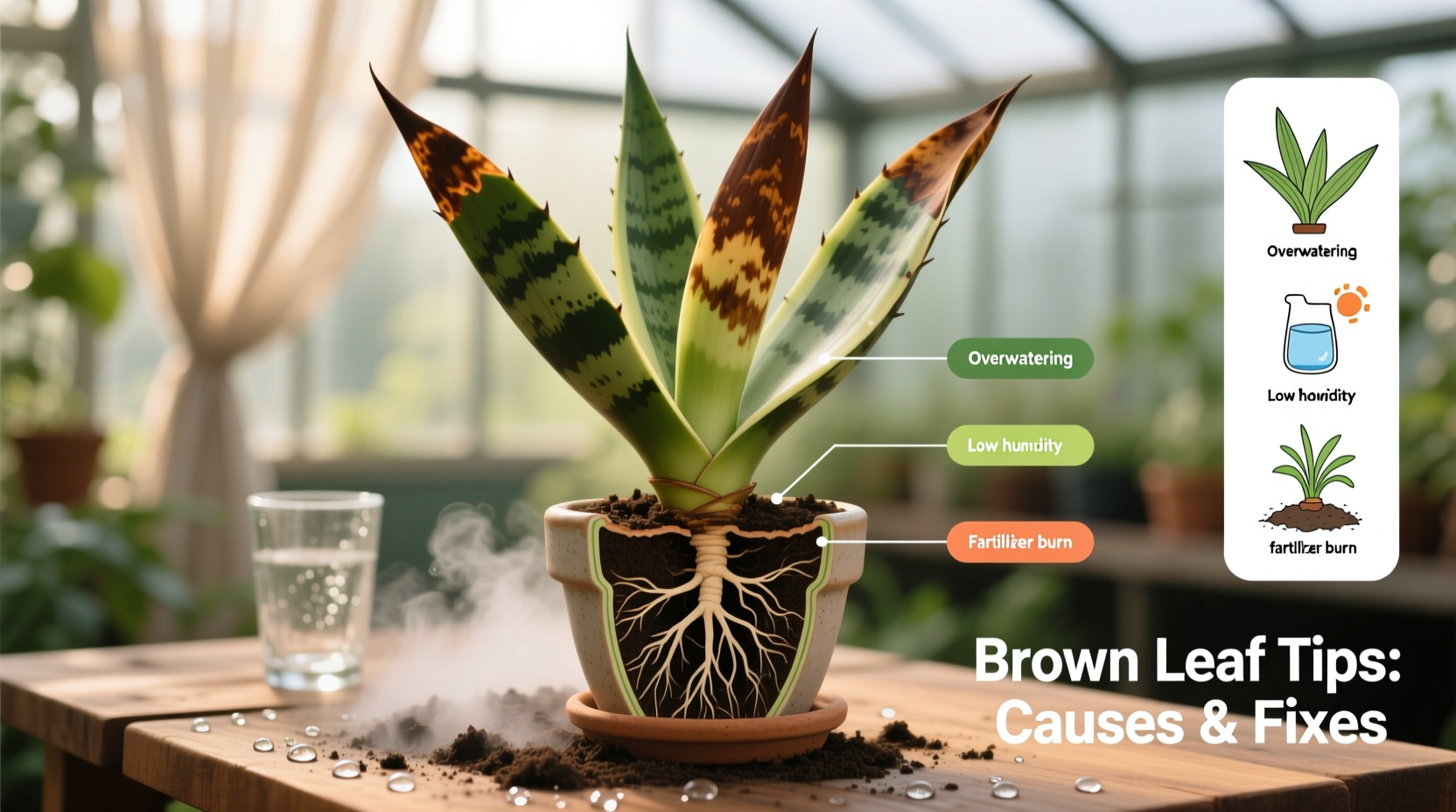
Brown tips on a snake plant are not normal growth but a sign of environmental or cultural imbalance. Unlike natural aging—which affects older leaves at the base—browning typically starts at the leaf margins or tips and spreads inward. The most common triggers include improper watering, low humidity, chemical buildup, excessive light, or temperature stress.
Snake plants originate from arid regions of West Africa, where they thrive in well-drained soils and fluctuating moisture levels. When grown indoors, their needs are often misunderstood. Overzealous care routines, such as frequent watering or misting, can do more harm than good. Recognizing the precise cause is the first step toward recovery.
Tip: Trim only fully brown tips—partial cuts can lead to further dieback. Use sterilized scissors at a slight angle to mimic natural leaf shape.Common Causes and How to Fix Them
1. Overwatering or Poor Drainage
Overwatering is the leading cause of brown tips in snake plants. These succulent-like plants store water in their leaves and rhizomes, making them highly susceptible to root rot when soil stays damp. Signs include mushy stems, yellowing leaves, and dark, spreading tips.
Solution: Allow the soil to dry completely between waterings. Water deeply but infrequently—every 2–6 weeks depending on climate and pot size. Always use a pot with drainage holes and a fast-draining mix (e.g., cactus soil blended with perlite).
2. Chemical Buildup from Tap Water
Chlorine, fluoride, and dissolved salts in tap water accumulate in the soil over time, damaging sensitive leaf tissues. This manifests as crispy, brown leaf tips, especially in younger growth.
Solution: Switch to filtered, distilled, or rainwater. If using tap water, let it sit uncovered for 24 hours to allow chlorine to evaporate (though fluoride will remain). Flush the soil every few months with clean water to leach out mineral deposits.
“Fluoride toxicity is a silent killer in many indoor plants. Snake plants show it first at the tips because that’s where transpiration concentrates minerals.” — Dr. Lena Reyes, Horticulturist & Indoor Plant Specialist
3. Low Humidity and Dry Air
While snake plants tolerate average humidity, prolonged exposure to dry indoor air—especially near heaters or AC units—can desiccate leaf edges. Central heating in winter is a frequent culprit.
Solution: Increase ambient humidity by grouping plants, placing a humidifier nearby, or using a pebble tray. Avoid misting; snake plants dislike moisture on their leaves and are prone to fungal issues.
4. Excessive Direct Sunlight
Despite their toughness, snake plants can suffer from sunburn. Intense midday sun, especially through south-facing windows, scorches leaves, causing pale patches and brown, crispy tips.
Solution: Provide bright, indirect light. An east-facing window or a spot a few feet back from a south window is ideal. If moving from shade to light, acclimate gradually over a week.
5. Temperature Stress and Drafts
Sudden temperature changes, cold drafts, or proximity to radiators disrupt cellular function in snake plants. Cold damage appears as soft, dark spots; heat stress leads to dry, brittle tips.
Solution: Maintain temperatures between 60–80°F (15–27°C). Keep plants away from drafty windows, vents, and exterior doors during winter.
Step-by-Step Guide to Reviving a Snake Plant with Brown Tips
- Assess the plant: Check for soft roots, mushy stems, and overall soil moisture. Gently remove from pot if root rot is suspected.
- Prune damaged foliage: Cut brown tips at a diagonal using sterilized scissors. Remove entire leaves if more than half is affected.
- Repot if necessary: Use a terracotta pot with drainage and fresh cactus mix. Trim any black or slimy roots before repotting.
- Adjust watering: Wait until the soil is completely dry 2 inches down before watering again. Reduce frequency in winter.
- Change water source: Begin using filtered or distilled water to prevent further chemical damage.
- Optimize environment: Move to a location with stable temperatures and indirect light. Add humidity if needed.
- Monitor progress: New growth should appear within 4–8 weeks. Healthy leaves will be firm and uniformly green.
Tips and Prevention Checklist
Tip: Rotate your snake plant monthly for even growth and to prevent leaning toward light sources.- Water only when soil is completely dry
- Use pots with drainage holes
- Choose a gritty, well-aerated soil mix
- Avoid cold drafts and sudden temperature shifts
- Keep away from direct hot sunlight
- Use filtered or rainwater when possible
- Flush soil every 3–4 months
- Dust leaves monthly to support photosynthesis
- Inspect regularly for pests like spider mites
Do’s and Don’ts: Quick Reference Table
| Do’s | Don’ts |
|---|---|
| Use well-draining soil with perlite or sand | Use standard potting soil that retains too much moisture |
| Water deeply but infrequently | Water on a fixed schedule regardless of soil moisture |
| Place in bright, indirect light | Expose to harsh afternoon sun |
| Wipe leaves with a damp cloth to remove dust | Mist leaves frequently |
| Repot every 2–3 years or when rootbound | Keep in a pot too large, which holds excess water |
Real Example: A Case of Tap Water Toxicity
Sarah, an apartment dweller in Denver, noticed her snake plant developing brown tips despite careful watering. She watered every three weeks and kept it near an east-facing window. After ruling out overwatering and light issues, she consulted a local nursery. The horticulturist suggested testing her water. Denver’s municipal supply is high in fluoride—a known toxin to Sansevieria. Sarah switched to filtered water and flushed the soil twice. Within six weeks, new growth emerged crisp and green. The existing brown tips didn’t reverse, but no new damage occurred.
This case highlights how invisible factors—like water chemistry—can silently impact plant health. Observation and systematic troubleshooting are key.
Frequently Asked Questions
Can brown tips on a snake plant heal or turn green again?
No. Once tissue turns brown, it cannot revert to green. However, removing the damaged portion prevents further spread and improves appearance. Focus on correcting the cause so new growth remains healthy.
How often should I fertilize my snake plant?
Fertilize sparingly—once in spring and once in early summer with a balanced, diluted houseplant fertilizer (e.g., 10-10-10 at half strength). Avoid feeding in fall and winter when growth slows. Over-fertilization contributes to salt buildup and browning.
Are brown tips contagious to other plants?
No, brown tips themselves are not contagious. However, if the cause is a pest infestation (like spider mites), those pests can spread. Inspect nearby plants if you notice webbing, stippling, or tiny insects.
Final Thoughts and Action Steps
Brown tips on a snake plant are a warning sign, not a death sentence. With attentive care and a few strategic adjustments, your plant can recover and continue thriving for years. The key is patience and precision: diagnose the issue, apply the correct fix, and maintain consistent conditions.
Start today by checking your watering habits and water source. Repot if needed, trim damaged foliage, and relocate your plant to a more suitable spot. Small changes yield big results with this forgiving species.
💬 Have a snake plant showing brown tips? Share your experience or solution in the comments—your insight could help another plant lover revive their green companion!








