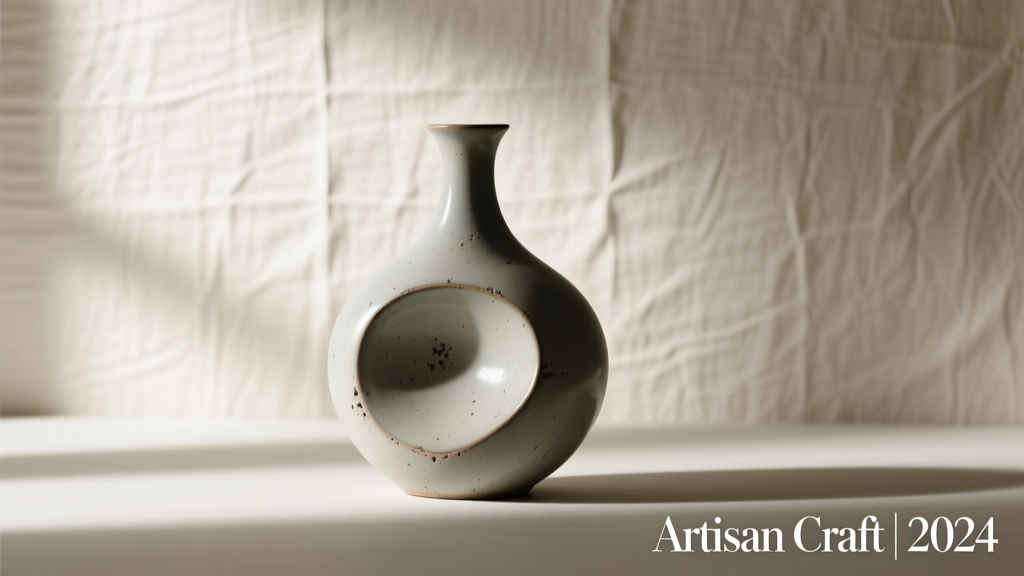
Types of Pearl Bowls
A pearl bowl is a stylish and elegant decorative item that blends timeless sophistication with modern design. These bowls are prized for their shimmering finishes, lustrous textures, and versatility in both home décor and functional use. Available in a range of materials, sizes, and designs, pearl bowls enhance the aesthetic of any space—from living rooms and dining tables to entryway displays.
The most popular types of pearl bowls are distinguished by their base material and the method used to incorporate the signature pearl-like finish. Below is a detailed breakdown of the six most common types, including their characteristics, advantages, and ideal uses.
Glass Pearl Bowls
Crafted from high-quality glass and enhanced with pearlized coatings, beads, or embedded crystals, these bowls reflect light beautifully, creating a dazzling, elegant effect.
Advantages
- Highly reflective and visually striking
- Perfect for modern and minimalist interiors
- Easy to clean and maintain
- Versatile for both decor and light-duty use
Limitations
- Fragile—can break if dropped or mishandled
- Limited weight capacity for heavy items
- May show fingerprints or dust easily
Best for: Centerpieces, decorative displays, holding small items like jewelry or candies
Ceramic Pearl Bowls
Made from molded clay and finished with a luminous pearl glaze, ceramic pearl bowls combine artisanal charm with a polished, elegant appearance.
Advantages
- Durable and chip-resistant (when high-fired)
- Available in a wide variety of handcrafted designs
- Warm, rustic, or vintage aesthetic
- Suitable for serving food and everyday use
Limitations
- Heavier than other materials
- Glaze may wear over time with frequent use
- Not all are dishwasher-safe
Best for: Table settings, rustic décor, functional art, and serving dishes
Resin Pearl Bowls
Created using synthetic resin infused with pearl pigments or real pearl fragments, these bowls offer customizable shapes and shimmering finishes at an affordable price.
Advantages
- Lightweight and shatterproof
- Highly versatile in design and color
- Cost-effective alternative to natural materials
- Resistant to moisture and fading
Limitations
- May appear less authentic than natural materials
- Can scratch or yellow over time with UV exposure
- Not suitable for hot foods or liquids
Best for: Trendy home décor, artistic displays, lightweight centerpieces
Metal Pearl Bowls
Constructed from metals like stainless steel, brass, or bronze and adorned with pearl inlays, plating, or enamel finishes, these bowls offer a sleek, contemporary, or vintage-luxury look.
Advantages
- Highly durable and long-lasting
- Stunning contrast between metal and pearl elements
- Ideal for modern, industrial, or opulent interiors
- Often doubles as a statement art piece
Limitations
- Pearl elements may loosen or detach over time
- Can be expensive, especially with precious metals
- Requires polishing to prevent tarnishing
Best for: Luxury décor, formal dining, artistic installations
Wooden Pearl Bowls
Hand-carved from natural wood and embellished with pearl inlays or mother-of-pearl mosaics, these bowls blend organic warmth with refined elegance.
Advantages
- Unique, artisanal craftsmanship
- Warm, inviting aesthetic perfect for cozy spaces
- Eco-friendly and sustainable (when responsibly sourced)
- Each piece is one-of-a-kind
Limitations
- Requires careful maintenance to prevent drying or cracking
- Not suitable for liquids or humid environments
- Pearl inlays may be delicate and prone to chipping
Best for: Natural-themed décor, heirloom pieces, meditation or zen spaces
Porcelain Pearl Bowls
Finely crafted from porcelain and finished with a smooth, pearlescent glaze, these bowls exude luxury and classic elegance, often in white, ivory, or soft pastel tones.
Advantages
- Exceptionally smooth and lustrous finish
- Perfect for formal dining and special occasions
- Resistant to staining and odors
- Timeless, sophisticated appearance
Limitations
- Brittle and prone to chipping or cracking
- Can be costly, especially hand-painted versions
- Requires gentle handling and hand washing
Best for: Serving fine dishes, wedding centerpieces, luxury gift items
| Type | Material Base | Durability | Aesthetic Style | Best Use |
|---|---|---|---|---|
| Glass Pearl | Glass with pearl finish | Moderate | Modern, elegant | Decorative displays, small item holders |
| Ceramic Pearl | Clay with pearl glaze | High | Rustic, handcrafted | Serving, functional décor |
| Resin Pearl | Synthetic resin with pigments | Moderate | Trendy, versatile | Artistic décor, lightweight centerpieces |
| Metal Pearl | Metal with pearl accents | Very High | Luxury, modern/vintage | Statement pieces, formal settings |
| Wooden Pearl | Natural wood with inlays | Medium | Warm, organic | Artisan décor, zen spaces |
| Porcelain Pearl | Fine porcelain with glaze | Medium-High | Classic, luxurious | Formal dining, gifts |
Expert Tip: When selecting a pearl bowl, consider both aesthetics and practicality. For high-traffic areas, opt for durable materials like ceramic or resin. For special occasions or luxury décor, porcelain or metal pearl bowls offer unmatched elegance. Always check care instructions to preserve the pearl finish and extend the bowl’s lifespan.
Design of Pearl-Inspired Bowls: Aesthetic, Material, and Functional Considerations
Pearl-inspired bowls are elegant decorative and functional pieces that blend natural beauty with refined craftsmanship. These designs draw inspiration from the lustrous qualities of real pearls—iridescence, soft sheen, and organic form—to create objects that enhance both modern and traditional interiors. Thoughtful integration of materials, color, shape, texture, and detailing ensures each bowl becomes a statement piece, balancing visual appeal with practical utility.
Key Design Elements of Pearl-Inspired Bowls
Material Choices
The selection of materials plays a foundational role in defining the character and functionality of pearl-inspired bowls. Designers often choose from glass, ceramics, metal, resin, and wood—each offering unique tactile and visual properties.
For instance, glass allows for transparency and a high-gloss finish that mimics the reflective surface of natural pearls. Ceramic provides a handcrafted, artisanal quality with excellent potential for glazing techniques that replicate pearlescent effects. Metals like brass or stainless steel can be polished or coated to achieve a luminous sheen, while resins offer versatility in molding complex organic shapes and embedding shimmering pigments.
Wooden bowls, though less common, bring warmth and contrast, especially when finished with glossy lacquers that enhance their natural grain while echoing a soft glow. The material choice must align with the intended use—whether decorative, ceremonial, or functional—while maintaining the essence of the pearl aesthetic.
Color Palette
The color scheme of pearl-inspired bowls is typically rooted in the natural hues of pearls: soft whites, creamy ivories, blush pinks, and subtle gray-silvers. These tones evoke elegance, purity, and sophistication, making them ideal for luxury interiors and high-end product design.
To modernize the look, designers often incorporate metallic accents such as gold leaf trims, silver inlays, or rose-gold plating. These elements enhance the bowl’s luminosity and create visual depth. Some contemporary designs experiment with gradient finishes—transitioning from white to silver or pink to gold—to simulate the way light plays across a real pearl’s surface.
When selecting colors, it's essential to consider the environment where the bowl will be displayed. Neutral palettes blend seamlessly into minimalist spaces, while bolder metallic or iridescent finishes stand out in opulent or eclectic settings.
Shape and Form
Pearl-inspired bowls come in a wide range of shapes, from classic round silhouettes to abstract, sculptural forms. The most traditional designs feature smooth, rounded bowls that echo the organic, symmetrical shape of a pearl, creating a calming and harmonious presence.
Modern interpretations may include angular cuts, asymmetrical rims, or layered structures that challenge conventional forms while still retaining a soft, flowing essence. These avant-garde designs cater to contemporary tastes and are often used as centerpieces in upscale homes or hospitality environments.
Size also influences function: large bowls serve as striking decorative centerpieces, ideal for displaying flowers, decorative stones, or candles. Smaller bowls are more utilitarian—perfect for holding jewelry, spices, or incense—and can be placed on vanity tables, kitchen counters, or entryway consoles.
Texture and Finish
Texture and finish are critical in capturing the signature luster of pearls. A high-gloss, smooth finish is commonly used on glass, porcelain, or resin bowls to achieve a mirror-like surface that reflects light elegantly—mimicking the nacreous glow of real pearls.
In contrast, matte or satin finishes are favored in ceramic and wooden designs to convey a more organic, understated elegance. These finishes reduce glare while preserving a soft radiance, enhancing the tactile experience and inviting touch.
Advanced finishing techniques such as pearlescent glazing, iridescent coatings, or hand-burnished surfaces add dimension and depth. Some bowls feature textured interiors or exteriors—like ribbed patterns or subtle dimples—that interact dynamically with light, further enhancing their visual interest.
Embellishments and Detailing
Embellishments elevate pearl-inspired bowls from simple vessels to works of art. Common decorative techniques include pearl inlays, where real or faux pearls are embedded into the rim or body of the bowl, reinforcing the theme.
Designers also use gold or silver leafing, metallic lusters, crystal accents, or engraved motifs inspired by marine life, waves, or moonlight—elements closely associated with the origin and mystique of pearls. These details not only enhance beauty but also communicate craftsmanship and exclusivity.
The level of ornamentation often depends on the target audience: minimalist designs appeal to modernists who value subtlety, while ornate versions attract collectors and those drawn to vintage or opulent aesthetics. Hand-painted details or limited-edition signatures can further increase the perceived value and uniqueness of the piece.
Functional Integration
While aesthetics are paramount, functionality should not be overlooked. A well-designed pearl bowl must balance beauty with practicality. For example, bowls intended for food service should be made from food-safe materials with easy-to-clean surfaces.
Those used in bathrooms or dressing areas benefit from water-resistant finishes and non-porous materials to prevent staining or bacterial growth. For outdoor or transitional spaces, UV-resistant coatings and durable composites ensure longevity without sacrificing appearance.
Designers increasingly focus on multi-functionality—a bowl that serves as both a fruit holder and a sculptural centerpiece, or one that doubles as a candle holder when paired with a glass insert. This versatility increases the bowl’s appeal across different lifestyles and interior design schemes.
| Design Element | Common Applications | Tips for Optimal Design |
|---|---|---|
| Material (Glass, Ceramic, Resin) | Decorative centerpieces, luxury interiors | Use tempered glass or high-fire ceramics for durability; apply iridescent glazes for authentic pearl effect |
| Color (White, Cream, Metallic Accents) | Vanity trays, dining tables, gift items | Pair with ambient lighting to enhance shimmer; avoid clashing with dominant room tones |
| Shape (Round, Organic, Sculptural) | Living rooms, lobbies, art displays | Ensure stability for asymmetrical forms; consider scale relative to surrounding furniture |
| Finish (Glossy, Matte, Pearlescent) | All environments, depending on style | Match finish to room lighting—glossy in well-lit areas, matte in soft-lit spaces |
| Embellishments (Pearl Inlays, Gold Leaf) | Special occasion decor, luxury gifting | Use sparingly to avoid visual clutter; ensure secure adhesion of added elements |
Design Best Practices
Important: Avoid over-decorating or using materials that compromise structural integrity. A poorly balanced or fragile bowl may detract from its beauty and safety. Always conduct durability testing, especially for larger or heavily embellished pieces. When in doubt, consult with material specialists or artisans experienced in luxury object design to ensure both aesthetic excellence and long-term performance.
Scenarios of Pearl Bowls: Elegance in Every Setting
Pearl bowls are more than just decorative accessories—they are versatile symbols of sophistication, luxury, and timeless beauty. Crafted to reflect elegance and refinement, these bowls transcend mere aesthetics and find meaningful applications across diverse environments. From home interiors to sacred ceremonies, pearl bowls enhance ambiance, elevate experiences, and serve both functional and symbolic purposes.
Interior Decoration
Pearl bowls are cherished as premium decor elements that bring a refined touch to residential and commercial interiors. Their lustrous finish and graceful form make them ideal centerpieces for dining tables, coffee tables, or console tables in living rooms and entryways.
- Used as standalone art pieces to create visual interest and focal points in minimalist or traditional spaces
- Paired with fresh flowers, scented candles, decorative stones, or seasonal fruit to enhance ambiance and style
- Placed in foyers or mantels to welcome guests with a sense of opulence and thoughtfulness
Design Tip: Match the bowl’s finish (white, silver, rose gold) with existing metallic accents in the room for a cohesive look.
Weddings & Special Events
Symbolizing purity, love, and prosperity, pearl bowls are a natural fit for weddings, anniversaries, and formal celebrations. Their romantic aesthetic complements bridal themes and upscale event designs.
- Serve as elegant serving dishes for salads, pasta, or fruit platters at reception tables
- Hold wedding favors such as personalized candies, mints, or small keepsakes for guests to take home
- Used in ceremony setups—such as unity rituals or guest book displays—for a polished, cohesive theme
Pro Insight: Incorporate pearl bowls into tablescapes with lace, crystal, or satin elements for a luxurious wedding aesthetic.
Retail & Visual Merchandising
In retail environments, pearl bowls are powerful tools for enhancing product presentation and customer engagement. Their upscale appearance subtly influences perception, making products appear more premium and desirable.
- Display accessories like jewelry, scarves, or handbags in fashion boutiques to add a touch of class
- Hold sample foods or gourmet treats in high-end grocery stores, cafes, or wine shops
- Used in window displays or seasonal setups to create layered, eye-catching arrangements
Retail Strategy: Rotate bowl contents seasonally (e.g., pinecones in winter, seashells in summer) to maintain visual freshness.
Gift Giving
A pearl bowl is a thoughtful and enduring gift that combines beauty with practicality. It appeals to recipients who appreciate fine home accents and meaningful gestures.
- Perfect for housewarming gifts, symbolizing prosperity and a beautifully adorned home
- Ideal for anniversaries—especially milestone years where pearls mark the 30th anniversary
- Great for birthdays, Mother’s Day, or hostess gifts when paired with candles or gourmet treats
Gifting Tip: Personalize with an engraved note or pair with a silk ribbon for added sentiment.
Spas & Luxury Hotels
In wellness and hospitality industries, pearl bowls contribute to an atmosphere of serenity, indulgence, and five-star elegance. Their presence signals attention to detail and a commitment to guest comfort.
- Placed in lobbies or relaxation lounges with rose petals, essential oils, or citrus slices to engage the senses
- Used in treatment rooms to hold bath salts, crystals, or herbal blends during spa services
- Enhance guest room decor when filled with aromatic diffusers or decorative stones
Ambiance Secret: Combine with soft lighting and natural materials to amplify a calming, luxurious vibe.
Religious & Cultural Ceremonies
Across various traditions, pearl bowls hold symbolic significance and are used in rituals that honor heritage, spirituality, and community.
- In Asian cultures, used to hold offerings such as rice, incense, or tea during ancestral worship
- In weddings or blessings, filled with sacred water, flowers, or grains to represent abundance and purity
- Featured in meditation spaces or altars to symbolize clarity, peace, and spiritual receptivity
Cultural Note: The pearl’s association with wisdom and enlightenment makes it a meaningful ritual object.
Expert Insight: When selecting pearl bowls for any application, consider size, material (ceramic, resin, or real pearl inlay), and finish. Larger bowls make bolder statements in open spaces, while smaller ones suit intimate settings. Opt for durable, easy-to-clean materials in high-traffic areas like retail or hospitality.
| Application | Common Uses | Recommended Style | Emotional Impact |
|---|---|---|---|
| Home Interiors | Centerpieces, accent decor | Lustrous white or soft gold | Elegance, warmth, sophistication |
| Weddings | Favors, serving, décor | Matching bridal theme tones | Romance, joy, celebration |
| Retail | Product display, sampling | Sleek, modern, neutral | Premium, trust, allure |
| Hospitality | Lobby decor, guest amenities | Soft curves, calming tones | Comfort, luxury, welcome |
| Ceremonial | Offerings, rituals, altars | Traditional, symbolic design | Reverence, peace, tradition |
Additional Considerations
- Durability: Choose scratch-resistant finishes for high-use areas like retail or hospitality
- Size Variety: Offer a range of sizes to suit different spaces and functions
- Eco-Friendly Options: Look for sustainably sourced or recyclable materials for environmentally conscious clients
- Maintenance: Most pearl bowls can be cleaned with a soft cloth; avoid harsh chemicals to preserve luster
- Customization: Engraving or monogramming adds personal value for gifts and corporate events
Specification & Maintenance Guide for Pearl Bowls
Pearl bowls are elegant and versatile pieces often used for both decorative and functional purposes. Whether displayed as art, used for serving food, or incorporated into home décor, understanding their specifications and proper maintenance is essential to preserve their beauty and longevity. This comprehensive guide covers key aspects such as size, material properties, care, and safety considerations to help you make informed decisions when selecting and maintaining your pearl bowls.
Important Note: The term "pearl bowls" may refer to ornamental bowls made with or inspired by natural pearls, mother-of-pearl inlays, or materials that mimic the lustrous appearance of pearls. Always verify the actual material composition with the manufacturer, as care requirements vary significantly between natural, synthetic, and composite materials.
Key Specifications and Functional Considerations
- Size and Capacity
Pearl bowls come in a wide range of sizes, from small 3–5 inch decorative pieces to large 12+ inch serving bowls. The intended use should guide your selection:
- Small bowls (3–6 inches): Ideal for jewelry storage, trinkets, or as accent décor on shelves or vanities.
- Medium bowls (7–9 inches): Suitable for serving snacks, fruits, or condiments at gatherings.
- Large bowls (10+ inches): Perfect for buffet-style food presentation, salads, or as centerpieces.
When choosing a bowl, consider both visual proportion in your space and practical utility. Larger bowls enhance tablescapes but require more careful handling due to weight and fragility.
- Heat Resistance
Not all pearl bowls are suitable for hot foods or oven use. Heat tolerance depends entirely on the base material:
- Ceramic or stoneware with pearl finish: Often oven-safe up to 350°F–450°F; always check manufacturer labels.
- Tempered glass with iridescent coating: May withstand moderate heat but can crack under thermal shock.
- Resin, acrylic, or polymer-based bowls: Typically not heat-resistant—avoid hot foods, dishwashers, and direct sunlight.
- Natural mother-of-pearl inlays: Sensitive to high temperatures; prolonged exposure can cause cracking or delamination.
Never place non-oven-safe bowls in microwaves or ovens. For hot serving, confirm heat ratings before use.
- Water Resistance
Water resistance is crucial for bowls used in kitchens, bathrooms, or for plant arrangements:
- Glazed ceramic or glass: Highly water-resistant and ideal for holding liquids or damp items.
- Metal bowls with pearl plating: Should be dried immediately after washing to prevent tarnishing or corrosion.
- Wooden bowls with pearl inlay: Not fully waterproof—moisture can warp wood or loosen adhesive over time.
- Synthetic resins: Generally water-resistant but may degrade with prolonged soaking.
For plant use, ensure the bowl has proper drainage or use an inner liner to protect the material from constant moisture exposure.
- Food Safety
Only use pearl bowls for food if explicitly labeled as food-safe:
- Check for FDA-compliant glazes, non-toxic resins, or food-grade finishes.
- Avoid bowls with metallic paints or unknown coatings that may leach into acidic foods (e.g., citrus, vinegar).
- Natural pearl and mother-of-pearl are generally safe but should be sealed properly to prevent bacterial growth in porous areas.
When in doubt, use a glass or stainless steel liner inside the bowl to separate food from the decorative surface.
Comprehensive Care and Maintenance Tips
- Cleaning Guidelines by Material
Material Type Cleaning Method Avoid Special Notes Ceramic/Glass Warm water, mild soap, soft cloth Harsh abrasives, steel wool Dishwasher safe if labeled; hand wash recommended for longevity Metal (Brass, Silver, Alloy) Polishing cloth, gentle cleaner Chlorine, salt, vinegar Wipe dry immediately to prevent tarnish Resin/Acrylic Damp cloth, mild detergent Alcohol, solvents, UV light Can yellow over time; store away from sunlight Wood with Pearl Inlay Damp cloth, quick dry Soaking, dishwasher Apply food-safe mineral oil every 3–6 months - Storage Tips
Proper storage prevents scratches, chips, and environmental damage:
- Store bowls upright or nested with soft padding (felt, cloth, or foam) between them.
- Use individual dust bags or padded containers for delicate or inlaid pieces.
- Keep in a cool, dry place away from direct sunlight, humidity, and temperature fluctuations.
- For long-term storage, wrap bowls in acid-free tissue paper and place in a sturdy box.
Stacking without protection can cause micro-scratches on pearl surfaces, diminishing their luster over time.
Pro Tip: To restore shine to dull pearl-finished bowls, gently buff with a microfiber cloth. For deeper cleaning, use a 50/50 mixture of distilled water and white vinegar (only on non-porous, sealed surfaces), then rinse and dry immediately. Always test on a small area first.
Long-Term Preservation Recommendations
- Inspect bowls regularly for signs of cracking, lifting inlays, or fading finishes.
- Rotate usage of decorative bowls to minimize wear and UV exposure.
- Keep away from high-traffic areas where they might be knocked over.
- For antique or valuable pieces, consider professional conservation every few years.
- Document the origin, material, and care instructions for heirloom-quality bowls.
By understanding the specific characteristics of your pearl bowl’s material and following appropriate care practices, you can enjoy its beauty and functionality for years to come. Whether used daily or displayed as a cherished keepsake, proper maintenance ensures your bowl remains a stunning addition to your home or collection.
Frequently Asked Questions About Pearl Bowls
Q1: What are pearl bowls used for?Pearl bowls are versatile decorative and functional pieces that blend elegance with practicality. While they are often associated with luxury and sophistication due to their lustrous appearance, their uses extend beyond mere aesthetics:
- Decorative Display: Their shimmering surfaces make them ideal centerpieces on coffee tables, dining tables, or entryway consoles, enhancing the ambiance of living rooms, dining areas, or bedrooms.
- Functional Storage: They can hold small items such as keys, jewelry, coins, or perfumes, combining utility with style.
- Serving & Dining: When made from food-safe materials like ceramic, glass, or certain resins, pearl bowls are perfect for serving snacks, fruits, desserts, or appetizers at gatherings.
- Event Styling: Frequently used in weddings, parties, or photo shoots as elegant props for floral arrangements, candles, or candy displays.
Whether used daily or on special occasions, pearl bowls strike a balance between form and function, making them a popular choice in modern and classic interior designs alike.
Q2: How are pearl bowls cleaned and maintained?Proper cleaning and maintenance of pearl bowls depend heavily on the base material and the type of finish applied to achieve the "pearl" effect. Improper care can lead to dullness, chipping, or irreversible damage. Here’s a breakdown by material:
| Material | Cleaning Method | Maintenance Tips |
|---|---|---|
| Glass | Wash with warm water and mild dish soap using a soft cloth or sponge. | Avoid abrasive scrubbers; dry with a lint-free cloth to prevent water spots. |
| Metal (e.g., aluminum, brass) | Clean with a soft cloth and non-abrasive metal cleaner; avoid soaking. | Polish occasionally to maintain shine; store separately to avoid scratches. |
| Ceramic | Hand wash with gentle soap; avoid sudden temperature changes. | Do not microwave if decorated with metallic finishes; store carefully to prevent chipping. |
| Wood (with pearl finish) | Dust regularly; wipe with a slightly damp cloth, then dry immediately. | Avoid water immersion and direct sunlight to prevent warping or finish peeling. |
In general, avoid dishwashers, harsh chemicals, and prolonged exposure to moisture or heat. Always refer to the manufacturer’s care instructions for best results.
Q3: Are pearl bowls safe for food use?Not all pearl bowls are safe for food contact—safety depends on the materials and finishes used in their construction:
- Food-Safe Options: Ceramic and tempered glass pearl bowls with non-toxic, lead-free glazes or coatings are generally safe for serving food. Look for labels indicating compliance with FDA or EU food safety standards.
- Non-Food-Safe Variants: Bowls with metallic paints, resin coatings, or lacquers that aren’t certified for food use may leach harmful substances when in contact with acidic or oily foods.
- Decorative-Only Bowls: Many pearl-finish bowls are designed solely for display and should not be used for eating or food storage.
To ensure safety, always check the product description or packaging for a “food-safe” designation. When in doubt, use a liner (like a small plate or parchment paper) to separate food from the bowl’s surface.
Q4: Do pearl bowls make good gifts?Absolutely—pearl bowls are thoughtful, elegant, and universally appealing gifts suitable for a wide range of occasions:
- Housewarming Gifts: Symbolize beauty and prosperity in a new home; pair with candles or gourmet treats for a luxurious welcome gift.
- Weddings & Anniversaries: Represent elegance and timelessness—ideal as part of a registry or as a keepsake gift.
- Birthday & Holiday Presents: Perfect for anyone who loves refined home decor, minimalistic design, or collecting unique tableware.
- Corporate Gifting: High-end pearl bowls can be personalized with engravings or logos for executive clients or employee appreciation.
Their dual nature as both decorative art and functional objects makes them more memorable than purely ornamental items. Consider packaging them in gift boxes with satin finishes to enhance the luxurious feel.
Q5: Where can pearl bowls be used in interior design?Pearl bowls are highly versatile in interior design, adding a touch of sophistication and visual interest to various spaces:
- Living Room: Place on a coffee table with scented stones or decorative balls, or use as a centerpiece with fresh flowers or greenery.
- Dining Area: Serve fruit, nuts, or bread rolls during meals; their reflective surface enhances lighting and creates a welcoming atmosphere.
- Bedroom: Use on nightstands or dressers to hold jewelry, perfumes, or essential oils—adding both function and glamour.
- Bathroom: Style with cotton balls, bath salts, or decorative soaps for a spa-like aesthetic.
- Entryway: Position near the door to hold keys or small accessories while instantly elevating the home’s first impression.
Available in a variety of shapes, sizes, and hues—from iridescent white to soft rose gold—pearl bowls can complement themes ranging from coastal chic to modern glam. Their reflective quality also helps brighten dim areas by catching and scattering ambient light.









