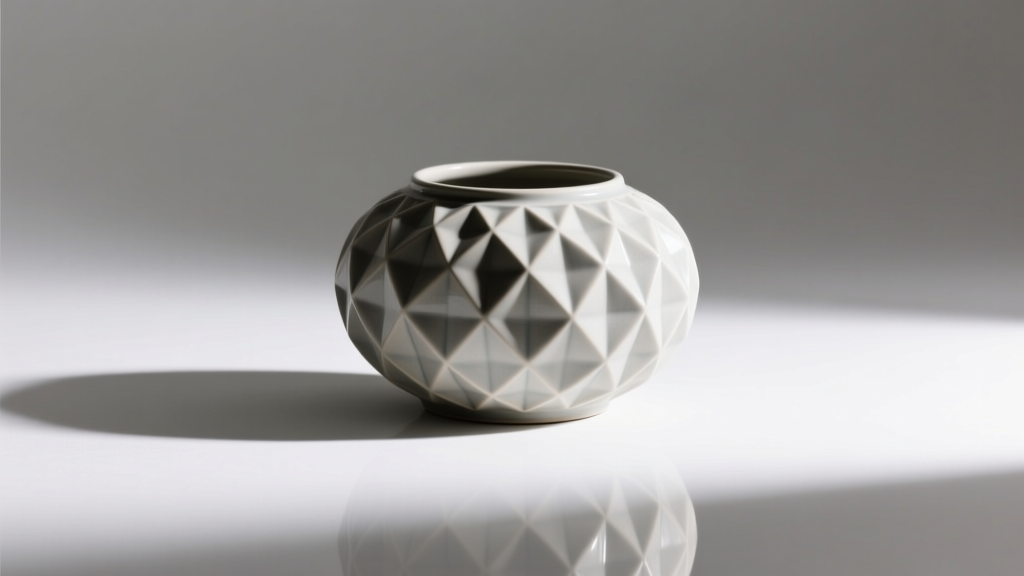
Types of White Round 6" Salad Bowls
A white round 6-inch salad bowl is a timeless and versatile piece of tableware that blends functionality with minimalist elegance. Its classic design makes it a staple in both home kitchens and professional dining settings. Whether used for serving salads, fruits, snacks, or as a decorative centerpiece, this size offers the perfect balance between portion control and visual appeal. Below is a detailed breakdown of the most common types of white round 6" salad bowls, each suited to different culinary and aesthetic needs.
Traditional & Decorative Bowl Sets
These often feature a pedestal design with a raised round bowl mounted on a wider base. Ideal for formal dining, buffets, or as a centerpiece.
Advantages
- Elegant presentation for entertaining
- Versatile for salads, fruits, or appetizers
- Enhances table aesthetics
- Doubles as a decorative object
Limitations
- Less practical for mixing or tossing
- Pedestal can be unstable on uneven surfaces
- Not always dishwasher-safe (especially with glued bases)
Best for: Formal dinners, holiday gatherings, restaurant presentations
Deep Salad Bowls
With higher sides and greater depth, these bowls are designed to contain liquids and prevent spills during mixing or serving.
Advantages
- Prevents splashing when tossing salads
- Ideal for dressings, soups, or saucy dishes
- Great for meal prep and storage
- Stackable and space-efficient
Limitations
- Less elegant for formal settings
- May appear bulky on small tables
- Limited decorative use
Best for: Everyday meals, kitchen prep, saucy salads, family-style dining
Individual Serving Bowls
Compact 6" bowls designed for single portions, perfect for controlled servings and personalized presentation.
Advantages
- Promotes portion control
- Hygienic for shared meals
- Ideal for buffets and plated service
- Easy to store and stack
Limitations
- Requires multiple bowls for groups
- Less communal dining experience
- Can increase dishwashing load
Best for: Dinner parties, weddings, restaurants, portioned meal plans
Salad Bowl & Fork/Spoon Sets
Complete serving sets that include matching utensils, often made of wood, stainless steel, or ceramic.
Advantages
- Convenient for serving and tossing
- Coordinated aesthetic enhances presentation
- Makes a thoughtful gift (e.g., wedding, housewarming)
- Social media-friendly and Instagram-worthy
Limitations
- Utensils may not be dishwasher-safe
- Potential mismatch over time if pieces are lost
- Higher cost than standalone bowls
Best for: Gifting, modern kitchens, social media content, themed dinners
Rustic & Handcrafted Bowls
Made from stoneware, ceramic, or wood with unique textures, glazes, or carvings that add character and warmth.
Advantages
- Unique, artisanal appeal
- Adds natural, organic charm to tables
- Often microwave and dishwasher safe (stoneware)
- Becomes a conversation piece
Limitations
- May have slight imperfections
- Heavier than standard ceramic
- Wooden versions require hand-washing
Best for: Farmhouse decor, rustic weddings, artisanal dining, eco-conscious homes
| Type | Best Use Case | Material Commonly Used | Dishwasher Safe | Style Fit |
|---|---|---|---|---|
| Traditional & Decorative | Centerpieces, formal events | Ceramic, porcelain, glass | Usually yes (check base) | Elegant, classic, minimalist |
| Deep Salad Bowl | Mixing, saucy salads, prep | Stoneware, tempered glass | Yes | Functional, modern |
| Individual Serving | Portioned meals, buffets | Ceramic, melamine | Yes | Practical, clean |
| Bowl & Utensil Set | Serving, gifting | Ceramic + wood/stainless | Varies (check utensils) | Modern, trendy |
| Rustic/Handcrafted | Artisanal dining, decor | Stoneware, wood, clay | Mostly yes (wood hand-wash) | Rustic, bohemian, farmhouse |
Expert Tip: When selecting a white 6" salad bowl, consider the rim thickness and weight—thicker rims offer durability and a premium feel, while lightweight bowls are ideal for everyday use and easy handling.
Design and Features of White Round 6-Quart Salad Bowls
White round 6-quart salad bowls are a staple in both home kitchens and professional catering environments. Their popularity stems from a balanced combination of practicality, elegance, and versatility. Designed to accommodate large salads, these bowls are ideal for mixing, serving, and even short-term storage. Understanding their design elements—from materials to aesthetics—helps consumers make informed choices that align with both functional needs and stylistic preferences.
Key Design Elements of 6-Quart Salad Bowls
Material Composition
Salad bowls are crafted from a variety of materials, each offering unique benefits. Glass provides a sleek, modern appearance and is non-porous, making it ideal for preserving food freshness and resisting stains. Ceramic and bone china offer a refined, elegant look, often favored for formal dining settings. Bone china, in particular, is prized for its durability, lightweight feel, and chip resistance, while remaining food-safe and microwave-friendly.
Stainless steel bowls are highly durable and resistant to corrosion, making them excellent for outdoor use or commercial kitchens. Wooden bowls bring a warm, rustic charm and are naturally gentle on salad greens, though they require more maintenance to prevent drying or cracking. Plastic options are lightweight and shatterproof, ideal for casual or family-friendly settings, but may retain odors over time if not properly cleaned.
Capacity & Shape: The 6-Quart Standard
The "Round 6" designation refers to a salad bowl with a circular shape and a 6-quart (approximately 5.7-liter) capacity—large enough to serve 6–8 people comfortably. This size is optimal for tossing salads without spillage, allowing ingredients to be mixed thoroughly using tongs or hands. The rounded interior promotes even mixing, while the wide opening facilitates easy access.
While dimensions can vary slightly between manufacturers, a typical 6-quart round bowl measures around 12–14 inches in diameter and 5–6 inches in depth. This standardized size ensures compatibility with serving utensils, storage lids, and most dishwasher racks, enhancing both functionality and convenience.
Color and Aesthetic Design
White remains the most popular color for salad bowls due to its timeless elegance and ability to highlight the vibrant colors of fresh ingredients. A neutral white background ensures that the food takes center stage, making greens, vegetables, and dressings visually pop during presentation.
Modern designs, however, embrace a broader spectrum. Bowls now come in a range of hues and finishes—from matte pastels to glossy metallics. Decorative elements such as hand-painted patterns, embossed textures, ribbed exteriors, or glazed accents add artistic flair. Some feature curtain-like draping effects or minimalist etchings, blending functionality with decorative artistry to match contemporary kitchen aesthetics.
Functionality and Practical Use
In today’s fast-paced kitchens, ease of use is paramount. A well-designed 6-quart salad bowl should be easy to clean, dishwasher-safe, and resistant to staining or odor absorption. Smooth interior surfaces prevent food from sticking, while polished rims ensure comfortable handling.
Stackability is another critical feature, especially for households or catering services with limited storage space. Many white round bowls are designed with slightly tapered edges or non-slip rims, allowing secure stacking without scratching. Lightweight materials like bone china or high-grade plastic enhance portability, while heavier materials like ceramic provide stability during vigorous tossing.
Stylistic and Artistic Features
Beyond utility, salad bowls have evolved into statement pieces. Design details such as scalloped edges, pedestal bases, or fluted exteriors elevate the bowl from a simple container to a centerpiece. Some feature delicate footed stands that add height and sophistication to the dining table.
The interior may include subtle texturing or contrasting glazes that catch the light, enhancing visual appeal. Even in a plain white finish, craftsmanship—such as hand-thrown pottery or precision molding—can convey artistry. These aesthetic touches allow the bowl to transition seamlessly from kitchen prep to table presentation, serving both functional and decorative roles.
Hygiene and Food Safety
Given their direct contact with food, salad bowls must meet high hygiene standards. Non-porous materials like glass, ceramic, and stainless steel are naturally resistant to bacteria and do not absorb liquids or odors. Glazed finishes further enhance this protection by sealing the surface.
Bone china and high-fired ceramics are particularly safe, as they are lead- and cadmium-free when manufactured to food-grade standards. Always verify that the bowl is labeled as food-safe and, if applicable, microwave- and oven-safe for added versatility in meal preparation.
| Feature | Best Materials | Recommended Use |
|---|---|---|
| Durability | Stainless steel, bone china, tempered glass | Daily use, outdoor events, commercial kitchens |
| Elegance | Ceramic, bone china, hand-glazed pottery | Formal dining, dinner parties, gifting |
| Lightweight & Stackable | Bone china, high-density plastic | Small kitchens, storage efficiency |
| Natural Aesthetic | Wood, stoneware | Rustic themes, farmhouse decor |
Top Tips for Choosing the Ideal 6-Quart Salad Bowl
Important: Avoid using abrasive cleaners or metal scrubbers on delicate surfaces like ceramic or bone china, as they can cause scratches or glaze damage. Always dry wooden bowls immediately after washing to prevent warping. Regular care extends the life of your salad bowl and maintains its appearance and hygiene over time.
Scenarios of White Round 6-Salad Bowl Usage
The white round 6-salad bowl is more than just a serving dish—it's a versatile, timeless piece that enhances both everyday meals and special occasions. Its classic design, neutral color, and functional size make it a staple across households, restaurants, and events. Below are the key scenarios where this elegant bowl shines, demonstrating its adaptability and enduring appeal.
Family Daily Use
A white round 6-salad bowl is an essential addition to any household kitchen. Its generous size makes it perfect for serving fresh greens, fruits, pasta salads, popcorn, or snacks to multiple family members during daily meals. The neutral white finish complements any table setting, whether casual or formal, and blends seamlessly with various kitchen decors.
- Ideal for portioning out salads, side dishes, or mixed ingredients before serving
- Promotes shared dining—family members can serve themselves or enjoy food directly from the bowl
- Perfect for meal prepping or storing ready-to-eat dishes in the fridge
- Easy to clean and maintain, especially when made from durable materials like bone china or ceramic
Practical benefit: Encourages healthy eating habits by making salads and vegetables more accessible at mealtimes.
Formal Dining Settings
In upscale or formal dining environments, presentation is everything. The white round 6-salad bowl elevates the visual appeal of food, allowing the vibrant colors of fresh ingredients—like tomatoes, cucumbers, leafy greens, or fruit medleys—to stand out beautifully against the clean white background.
- Commonly used at wedding receptions, holiday dinners, and anniversary celebrations
- Enhances table aesthetics while maintaining a minimalist, elegant look
- Suitable for plated or family-style service, depending on the event format
- Complements fine dinnerware sets and linen table settings
Design advantage: The bowl’s symmetry and simplicity align with modern and traditional tablescapes alike.
Catering and Restaurants
Professional kitchens and catering services rely on functional, attractive serveware. The white round 6-salad bowl meets both aesthetic and practical demands, making it a go-to choice for restaurants, banquet halls, and event caterers.
- Perfect for tossing and presenting large salads before serving guests
- Neutral color enhances the appearance of diverse cuisines—from Mediterranean to Asian fusion
- Durable construction withstands frequent washing and commercial use
- Stackable design saves storage space in busy kitchens
- Bone china or high-fired ceramic versions offer elegance without sacrificing strength
Pro tip: Use under glass cloches or garnished trays for added visual impact at buffets.
Special Events & Celebrations
From Thanksgiving feasts to Christmas gatherings and milestone birthdays, the white 6-salad bowl plays a central role in festive dining. Its versatility allows it to transition effortlessly from holiday tables to ceremonial events like baby showers or engagement parties.
- Perfect for serving seasonal specialties like cranberry salads, fruit platters, or cold pasta dishes
- Looks elegant when garnished with herbs, edible flowers, or citrus slices
- One bowl can serve multiple courses or be part of a coordinated set
- Often used as a centerpiece when filled with decorative elements between meals
Event favorite: Frequently seen at weddings as part of the reception’s dining setup or as a gift registry item.
Gift Giving
The white round 6-salad bowl is a popular and thoughtful gift choice for a variety of occasions. Its universal design and practical function make it a welcome addition to any home, whether given alone or as part of a curated gift set.
- Commonly gifted at weddings, housewarmings, bridal showers, and anniversaries
- Often paired with matching dinnerware, napkin rings, or serving utensils
- Available in premium packaging for a luxurious unboxing experience
- Timeless appearance ensures it won’t go out of style, even years after gifting
- Symbolizes hospitality, nourishment, and shared meals—values cherished across cultures
Gifting insight: Engraved or monogrammed versions add a personalized touch for memorable presents.
Material & Design Advantages
Most white round 6-salad bowls are crafted from high-quality materials like bone china, porcelain, or tempered ceramic, combining durability with elegance. These materials resist chipping, staining, and thermal shock, making them suitable for both oven and refrigerator use.
- Bone china offers a refined, translucent look with exceptional strength
- Glazed surfaces prevent absorption of odors and stains
- Microwave- and dishwasher-safe options enhance convenience
- Rounded edges ensure safe handling and easy mixing of ingredients
- Uniform shape allows for consistent stacking and storage
Long-term value: A well-made bowl can last decades, becoming a family heirloom.
Expert Recommendation: When selecting a white round 6-salad bowl, prioritize quality craftsmanship and material integrity. Opt for brands that offer chip-resistant glazes and reinforced rims, especially if intended for frequent use. For gifting, consider sets that include matching serving spoons or covers to enhance utility and presentation.
| Usage Scenario | Key Benefits | Recommended Material | Ideal For |
|---|---|---|---|
| Family Meals | Everyday durability, easy cleaning | Ceramic or stoneware | Daily vegetable or fruit servings |
| Formal Dining | Elegant presentation, color contrast | Bone china or porcelain | Weddings, holiday dinners |
| Restaurants & Catering | High capacity, professional look | Tempered ceramic or vitrified porcelain | Banquets, buffets, fine dining |
| Gifts | Timeless design, universal appeal | Bone china with gift packaging | Housewarmings, weddings, holidays |
Why the White Round 6-Salad Bowl Endures
The enduring popularity of the white round 6-salad bowl stems from its perfect balance of form and function. It transcends trends, serving as a reliable workhorse in kitchens while maintaining an air of sophistication. Whether used for tossing a simple garden salad or presenting a gourmet fruit medley at a gala, this bowl adapts to the moment with grace. Its neutral palette invites creativity in food styling, and its capacity suits both intimate dinners and large gatherings. In a world of fleeting kitchen gadgets, the white salad bowl remains a symbol of timeless dining elegance.
Specification & Features of White Round 6-Quart Salad Bowls
A white round 6-quart salad bowl is a versatile and essential kitchen staple, ideal for preparing, mixing, and serving salads, fruits, snacks, and more. Designed for both functionality and elegance, this size and style of bowl strikes the perfect balance between capacity and practicality, making it suitable for everyday meals, family dinners, or entertaining guests. Below is a detailed breakdown of its specifications and standout features to help you make an informed choice when selecting the right salad bowl for your needs.
Note: While most 6-quart white salad bowls share common characteristics, exact dimensions, weight, and features may vary slightly by brand and material. Always refer to the manufacturer’s guidelines for care, safety, and compatibility with dishwashers or microwaves.
Specifications
- Capacity & Dimensions:
The 6-quart (approximately 5.7-liter) capacity makes this bowl ideal for serving 6–8 people, perfect for family meals or small gatherings. The average diameter ranges from 13 to 14 inches (33–35.5 cm), with a depth of around 4 to 5 inches (10–12.5 cm). This generous size allows ample room for tossing salads without spillage, ensuring ingredients are evenly mixed.
- Materials:
Available in a range of high-quality materials including:
- Stoneware/Ceramic: Offers a classic, elegant look; retains temperature well; typically microwave and dishwasher safe.
- Porcelain/Bone China: Lightweight yet durable with a refined finish, ideal for formal dining settings.
- Tempered Glass: Non-porous, stain-resistant, and highly durable; excellent for visibility and presentation.
- Melamine: Shatterproof and lightweight, making it perfect for outdoor use or casual dining; however, not microwave-safe.
Material choice affects weight, durability, and maintenance—consider your intended use when selecting.
- Shape:
The round design with a wide, gently curved interior promotes efficient mixing and tossing of ingredients. The smooth, rounded base prevents food from getting trapped in corners, making it easier to serve and clean compared to angular or square bowls.
- Color & Finish:
Featuring a clean, bright white color, this bowl complements any tableware or kitchen decor. Finishes vary from high-gloss polish to soft matte, with some models including subtle embossing, engraved patterns, or hand-painted accents for added elegance. The neutral tone enhances the visual appeal of colorful salads, fruits, and appetizers.
- Weight:
Typically weighs between 1 kg (2.2 lbs) and 3 kg (6.6 lbs), depending on the material. Heavier ceramic or glass bowls offer greater stability during mixing, reducing the risk of tipping. Lighter melamine or porcelain options are easier to carry and serve with, especially when full.
- Handles & Serving Features:
Many 6-quart salad bowls include dual side handles or a pour spout for controlled serving. Handles provide a secure grip, especially when the bowl is full or cold (e.g., after refrigeration). Some models come with matching serving spoons or tongs to complete the set.
Key Features
- Large, Practical Capacity:
The 6-quart size is spacious enough to mix large salads, pasta dishes, or fruit platters without overcrowding. It eliminates the need for multiple batches, saving time during meal prep and entertaining.
- Versatile Functionality:
Beyond salads, this bowl is perfect for marinating meats, serving snacks, tossing pasta, displaying fruit, or even as a decorative centerpiece. Its multi-use nature makes it a smart investment for any kitchen.
- Timeless Aesthetic:
The classic white finish and symmetrical round shape ensure the bowl blends seamlessly with modern, traditional, or minimalist table settings. It’s equally at home on a casual weeknight dinner table or a holiday banquet spread.
- Easy Maintenance:
Most white round salad bowls are dishwasher safe, making cleanup quick and hassle-free. Glass and ceramic options resist staining and odors, while melamine is wipe-clean and durable for outdoor use.
- Multipurpose & Gift-Ready:
Due to its elegant design and utility, this bowl is frequently used in both everyday and formal dining. It also makes a thoughtful housewarming, wedding, or hostess gift—practical yet stylish. Its neutral appearance ensures it fits into any recipient’s kitchen collection.
| Feature | Description | Best For | Care Tips |
|---|---|---|---|
| 6-Quart Capacity | Holds 6–8 servings; ideal for families or entertaining | Meal prep, dinner parties, potlucks | Avoid overfilling to prevent spillage during mixing |
| Round Shape | Facilitates easy tossing and even mixing | Green salads, pasta, fruit mixes | Use a large spoon or tongs for efficient serving |
| White Finish | Neutral color enhances food presentation | All table settings, photography, gifting | Use non-abrasive cleaners to maintain brightness |
| Dishwasher Safe | Most models are safe for dishwasher cleaning | Busy households, frequent use | Place on bottom rack to avoid chipping |
| Handle or Spout | Improves grip and serving control | Buffets, outdoor events, large portions | Check handle attachment for durability over time |
Pro Tip: For best results when tossing salads, use tongs or two large spoons and lift ingredients from the bottom to the top, ensuring even dressing distribution. Chilling the bowl briefly before serving can help keep salads crisp and fresh longer, especially in warm environments.
Care & Usage Recommendations
- Always hand-wash melamine bowls to preserve their finish and avoid warping.
- Avoid sudden temperature changes with ceramic or glass bowls (e.g., moving directly from fridge to oven) to prevent cracking.
- Store with a soft cloth between stacked bowls to prevent scratches.
- Inspect for chips or cracks regularly, especially around handles or rims, to ensure long-term safety and performance.
- Consider purchasing a matching lid or cover for storage versatility in the fridge.
In summary, the white round 6-quart salad bowl combines practical capacity, elegant design, and durable construction to become a cornerstone of modern kitchenware. Whether you're hosting a dinner party or simply preparing a weekday meal, this bowl delivers both performance and style. By understanding its specifications and features, you can choose the perfect model that suits your culinary habits and aesthetic preferences.
Frequently Asked Questions About Salad Bowls
Q1: What is a salad bowl, and what is its purpose?A salad bowl is a large, typically wide and rounded serving dish specifically designed for preparing, mixing, and presenting salads. Its spacious, curved interior allows for easy tossing of ingredients—such as greens, vegetables, fruits, proteins, and dressings—without spilling over the edges. This makes it an essential tool in both home and professional kitchens.
Beyond functionality, salad bowls also serve an aesthetic role. A well-presented salad in an attractive bowl enhances the dining experience, making meals more inviting. Whether used for Caesar salad, fruit medleys, grain bowls, or pasta salads, these versatile dishes bridge the gap between food preparation and elegant presentation.
Q2: How big is a salad bowl?The size of a salad bowl varies depending on its intended use, ranging from individual portions to large family-style servings:
- Individual Bowls: Typically hold 1 to 2 cups (8–16 oz), perfect for single servings of side salads or meal-prep containers.
- Medium Bowls: Around 2 to 3 quarts, ideal for small gatherings or daily family use.
- Large Serving Bowls: Range from 3 to 5 quarts (or even larger), designed to mix and serve salads for 4–8 people or more. These are commonly used during holidays, parties, or buffet-style meals.
When selecting a size, consider both your typical portion needs and storage space. A 4-quart bowl often strikes the best balance between capacity and practicality for most households.
Q3: What are the most common materials used to make salad bowls?Salad bowls are crafted from a variety of materials, each offering unique benefits in terms of durability, appearance, and functionality:
| Material | Pros | Cons |
|---|---|---|
| Wood | Warm, natural look; gentle on ingredients; excellent for tossing | Requires hand washing; needs occasional oiling; not suitable for liquids long-term |
| Stainless Steel | Durable, non-reactive, lightweight, and rust-resistant | Can dent; doesn’t insulate well; may not be ideal for presentation |
| Plastic | Affordable, lightweight, unbreakable; great for outdoor use | Can stain or absorb odors; may scratch easily; less eco-friendly |
| Glass | Non-porous, easy to clean, microwave-safe, visually appealing | Heavy and fragile; risk of breaking if dropped |
| Ceramic | Elegant appearance; retains temperature; scratch-resistant surface | Can be heavy and brittle; may chip or crack with impact |
| Bone China / Porcelain | Refined, restaurant-quality look; durable when high-fired | Expensive; delicate handling required; not ideal for tossing |
Your choice should align with your cooking habits, aesthetic preferences, and maintenance willingness. For example, wooden bowls are prized by chefs for their gentle mixing action, while glass and ceramic are popular for formal dining.
Q4: How can one keep a salad bowl in good condition for a long time?Proper care and maintenance significantly extend the lifespan of any salad bowl, regardless of material:
- Washing: Always clean your bowl promptly after use. Use mild dish soap and warm water. Avoid harsh detergents or abrasive scrubbers that can damage surfaces.
- Drying: Hand dry immediately to prevent water spots (especially on wood or metal) and reduce the risk of bacterial growth.
- Wooden Bowl Care: Never soak in water. Periodically apply food-safe mineral oil or beeswax to prevent drying and cracking—about every few months or when the wood looks dull.
- Temperature: Avoid sudden temperature changes. Do not transfer a cold glass or ceramic bowl directly into a hot oven or microwave unless labeled as safe.
- Storage: Store in a cool, dry place. Stack carefully with protective padding (like cloth liners) to avoid chipping or scratching.
- Stain Prevention: For plastic or porous materials, rinse immediately after using acidic or pigmented ingredients (like tomatoes, beets, or vinegar-based dressings).
Following manufacturer guidelines and treating your bowl with care ensures it remains both functional and beautiful for years.
Q5: Why is a white salad bowl preferred over others?White salad bowls are a popular choice among home cooks and professional chefs alike, and for several compelling reasons:
- Visual Appeal: The neutral white background makes colorful ingredients—like vibrant greens, red tomatoes, yellow peppers, and dark dressings—stand out more vividly, enhancing the overall presentation.
- Versatility: White complements any table setting, whether casual, formal, rustic, or modern. It pairs effortlessly with patterned plates, colored napkins, or seasonal décor.
- Photography-Friendly: In food photography and social media, white bowls provide clean contrast, making dishes look fresher and more appetizing.
- Timeless Design: Unlike trend-driven colors, white maintains a classic, elegant look that never goes out of style.
- Hygiene Indicator: Stains or residue are more visible on white surfaces, encouraging thorough cleaning and promoting better food safety practices.
While colored or patterned bowls add personality, white remains a go-to option for its simplicity, elegance, and ability to let the food take center stage.









