
The bird’s eye chili packs a fiery punch that commands respect in kitchens across Southeast Asia, Africa, and beyond. For home cooks and professional chefs alike, understanding its heat level—measured in Scoville Heat Units (SHU)—is essential for balancing flavor without overwhelming a dish. With a reputation for intense heat relative to its small size, this pepper often surprises uninitiated palates. More than just a source of spice, it contributes bright, grassy, and slightly fruity notes that elevate curries, sambals, stir-fries, and marinades. Knowing exactly where it falls on the Scoville scale allows for precise seasoning, substitution, and heat management in cooking.
Definition & Overview
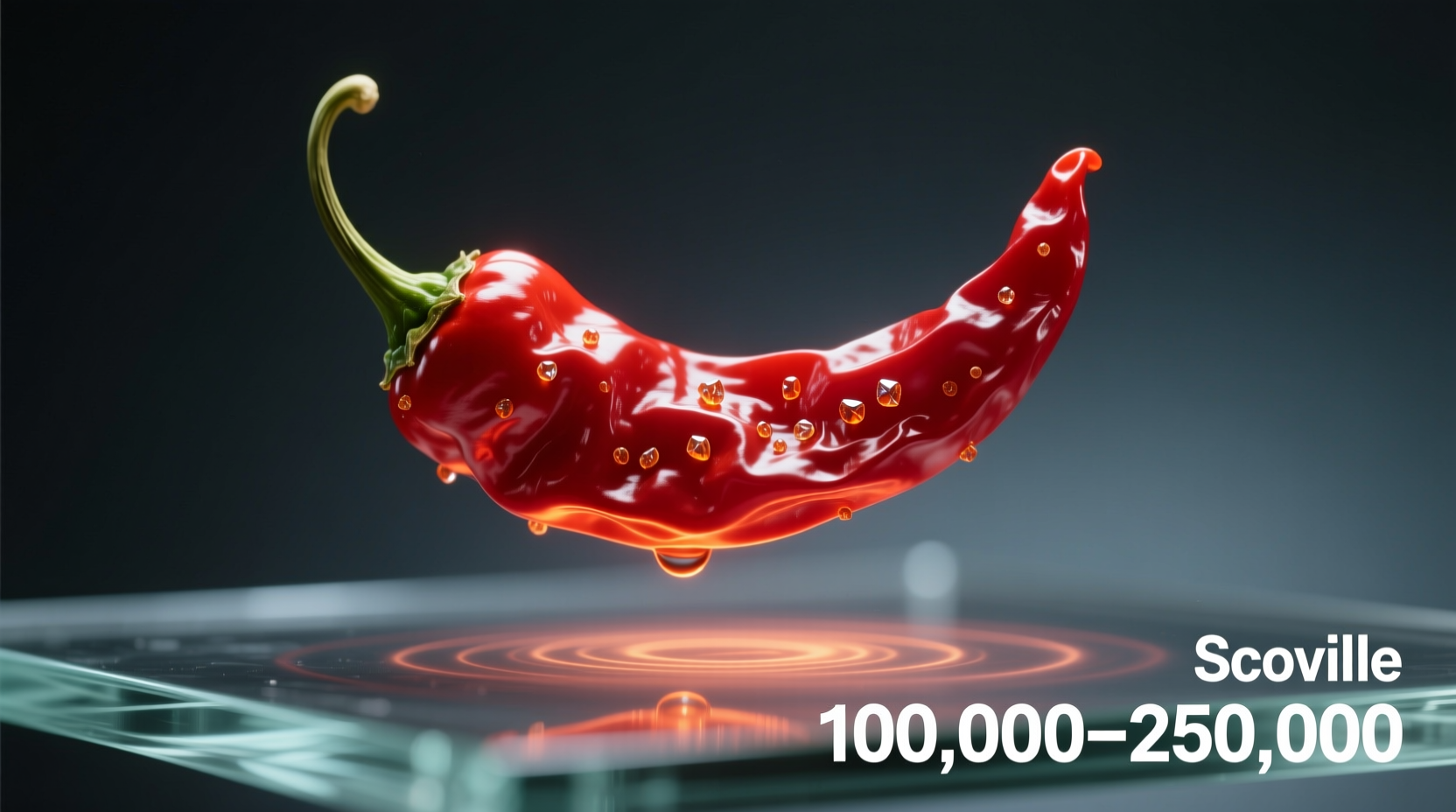
The bird’s eye chili (Capsicum frutescens) is a small, slender chili pepper known for its potent heat and vibrant flavor. It typically measures between 1 to 2 inches (2.5 to 5 cm) in length, with a conical shape that tapers to a sharp point. Commonly red when mature, it can also be found in green, yellow, orange, or purple stages, depending on ripeness. The name “bird’s eye” likely refers to its size and shape, suggesting something small enough to fit in a bird’s beak—or perhaps because birds naturally disperse its seeds without feeling the burn.
Originating in tropical regions of Africa and widely cultivated in Thailand, Vietnam, Malaysia, Indonesia, and East Africa, the bird’s eye chili is a staple in many regional cuisines. In Thai cooking, it’s known as prik kee noo (“mouse droppings chili”), a nod to its diminutive size. In Swahili-speaking regions, it’s called pilipili hoho, while in the Philippines, it’s referred to as siling labuyo. Despite regional variations in name and appearance, all share a common trait: significant heat.
Unlike larger chili varieties bred for bulk or sweetness, the bird’s eye chili is prized almost exclusively for its pungency and aromatic intensity. It plays both a functional and cultural role in traditional dishes, where its presence signals authenticity and boldness.
Key Characteristics
| Characteristic | Description |
|---|---|
| Scientific Name | Capsicum frutescens |
| Size | 1–2 inches (2.5–5 cm), thin and conical |
| Color (Mature) | Bright red; immature forms are green, yellow, or orange |
| Heat Level (SHU) | 50,000–100,000 Scoville Heat Units |
| Flavor Profile | Sharp, grassy, slightly sweet, with a quick-onset heat |
| Aroma | Pungent, fresh, vegetal, with floral undertones when raw |
| Culinary Function | Primary heat source, flavor enhancer, condiment base |
| Shelf Life (Fresh) | 1–2 weeks refrigerated; up to 6 months frozen |
| Active Compound | Capsaicin (primary), dihydrocapsaicin |
The bird’s eye chili ranks significantly hotter than jalapeños (2,500–8,000 SHU) and approaches the lower end of habanero territory (100,000–350,000 SHU). Its heat builds rapidly but tends to peak quickly and fade faster than longer-lasting super-hots like the ghost pepper. This makes it ideal for dishes where immediate fire is desired without prolonged mouth burn.
Pro Tip: Always handle bird’s eye chilies with care. Wear gloves when cutting them, and avoid touching your face, especially eyes. Capsaicin oil transfers easily and can cause severe irritation.
Practical Usage in Cooking
The bird’s eye chili excels in applications where concentrated heat and bright flavor are needed without adding bulk. Because of its high capsaicin content, only one or two peppers may suffice to season an entire dish. Chefs often use them whole, sliced, minced, or blended into pastes and sauces.
Home Cooking Applications
- Sambals and Relishes: In Indonesian and Malaysian cuisine, bird’s eye chilies form the backbone of fresh sambal oelek, often combined with garlic, lime juice, and shrimp paste. A simple sambal made by pounding 5 chilies with 1 clove garlic and a squeeze of calamansi delivers instant depth to grilled fish or rice bowls.
- Stir-Fries: Add sliced chilies at the beginning of cooking for infused heat, or toss in near the end for a fresher, sharper bite. In Thai basil stir-fry (pad krapow), two finely chopped bird’s eye chilies provide the standard heat level, though adventurous eaters may double or triple the amount.
- Curries and Soups: Whole or crushed chilies are simmered in coconut-based curries (like Thai green curry) or sour broths (such as Vietnamese canh chua) to infuse subtle heat throughout the liquid.
- Marinades and Pickles: Infuse vinegar with bird’s eye chilies for spicy pickling brine, or blend into marinades for chicken, pork, or tofu to add both heat and complexity.
Professional Kitchen Techniques
- Controlled Infusion: Restaurants often create chili oils by gently heating dried bird’s eye chilies in neutral oil, then straining. This captures heat and flavor without particulate matter, allowing precise dosing.
- Flash Charring: Briefly blistering chilies over an open flame or dry pan enhances smokiness while preserving structural integrity for garnish.
- Emulsified Sauces: High-speed blending with water, salt, and stabilizers creates smooth, pourable hot sauces with consistent heat distribution.
- Layered Heat Profiles: Combining bird’s eye chilies with milder peppers (like banana peppers) allows chefs to build complex heat gradients rather than a single spike.
Pairing Suggestions
This chili pairs exceptionally well with ingredients that balance or contrast its heat:
- Fat: Coconut milk, cream, or peanut butter mellow the burn while carrying flavor.
- Acidity: Lime juice, tamarind, or vinegar brighten and cut through spiciness.
- Sweetness: Palm sugar, ripe mango, or pineapple offer counterbalance.
- Umami: Fish sauce, soy sauce, or fermented shrimp paste deepen savory notes.
A classic example: Thai green papaya salad (som tum) combines shredded unripe papaya, cherry tomatoes, green beans, peanuts, lime juice, fish sauce, garlic, and two to three bird’s eye chilies pounded in a mortar. The result is a harmonious interplay of sour, salty, sweet, crunchy—and searingly hot.
Variants & Types
While all bird’s eye chilies share core traits, several regional variants exist, differing slightly in heat, color, and usage:
| Type | Region | Heat Level (SHU) | Notes |
|---|---|---|---|
| Thai Bird’s Eye Chili | Thailand | 75,000–100,000 | Bright red, extremely potent; used fresh or dried in curries and dips. |
| Siling Labuyo | Philippines | 50,000–100,000 | Small, upright-growing plant; commonly used in vinegar-based silimansi. |
| African Bird’s Eye (Piri Piri) | Mozambique, Angola, Portugal | 50,000–75,000 | Slightly fruitier; basis for piri piri sauce used on grilled chicken. |
| Dried Bird’s Eye | Global | Same as fresh | Concentrated flavor; rehydrate or grind into powder for long-term storage. |
Dried versions retain most of their heat and are often used in spice blends or infused oils. Ground bird’s eye chili powder appears in some commercial curry mixes, though purity varies—always check labels for fillers like cornstarch.
Comparison with Similar Ingredients
The bird’s eye chili is frequently confused with other small, hot peppers. Understanding the differences ensures accurate substitution and heat control.
| Pepper | Scoville Range | Flavor Notes | Best Used For |
|---|---|---|---|
| Bird’s Eye Chili | 50,000–100,000 | Grassy, sharp, fast heat | Asian curries, sambals, stir-fries |
| Habanero | 100,000–350,000 | Fruity, floral, slow-building burn | Caribbean sauces, hot sauces |
| Serrano | 10,000–23,000 | Crisp, vegetal, moderate heat | Salsas, guacamole, Mexican stews |
| Jalapeño | 2,500–8,000 | Earthy, mild to medium heat | Tacos, nachos, poppers |
| Pequin Pepper | 40,000–60,000 | Nutty, smoky, seedy texture | Yucatecan cuisine, recados |
| Fresno Chili | 2,500–8,000 | Sweet, bell-like, mild warmth | Garnishes, roasting, salads |
Notably, while the pequin pepper is similar in size and region to the bird’s eye, it belongs to Capsicum annuum, not frutescens, giving it a distinct flavor profile. True bird’s eye chilies have more persistent heat and a cleaner, sharper finish.
“In Thai cuisine, we don’t cook with bird’s eye chilies to make food unbearably hot—we use them to awaken the palate. The goal is balance, not punishment.” — Chef Nongnuch Sriprapha, Bangkok-based culinary instructor
Practical Tips & FAQs
How hot is a bird’s eye chili compared to a jalapeño?
A bird’s eye chili is roughly 10 to 30 times hotter than a typical jalapeño. Where a jalapeño might register 5,000 SHU, a bird’s eye starts at 50,000. This means even a small amount dramatically increases heat.
Can I substitute serrano peppers for bird’s eye chilies?
Yes, but expect about half the heat. Use two serranos for every one bird’s eye chili if you want to approximate the spiciness. Serranos lack the grassy top notes, so consider adding a touch of lemon zest or cilantro to mimic freshness.
What’s the best way to reduce the heat when using bird’s eye chilies?
Remove the seeds and white placental tissue inside the pepper—the primary source of capsaicin. Soaking sliced chilies in cold milk or yogurt before use can also temper their intensity.
How should I store bird’s eye chilies?
Refrigerate fresh chilies in a paper bag within the crisper drawer for up to two weeks. For longer storage, freeze whole or slice and freeze on a tray before transferring to a sealed container. Drying is another effective method: string them together and hang in a warm, ventilated area, or use a dehydrator.
Are there non-spicy alternatives?
If heat is undesirable but visual similarity matters, consider using small red wax peppers or mini bell peppers. However, these lack both flavor and heat entirely. For mild heat with similar shape, Hungarian wax peppers (5,000–15,000 SHU) offer a middle ground.
Can bird’s eye chilies be eaten raw?
Yes, and they often are—in sambals, salads, or as a condiment. Raw use maximizes their bright, vegetal flavor, though the heat hits fastest this way. Start with a quarter of a pepper to assess tolerance.
Does cooking reduce the heat?
Only slightly. Capsaicin is stable under heat, so prolonged cooking doesn’t eliminate spiciness. However, distributing the pepper evenly throughout a dish can make the heat feel less intense per bite.
Storage & Handling Checklist
- Wear gloves when handling large quantities
- Wash hands thoroughly after contact—even after glove removal
- Label containers clearly if freezing or drying
- Store dried chilies in airtight jars away from light and moisture
- Check regularly for mold, especially in humid climates
Summary & Key Takeaways
The bird’s eye chili registers between 50,000 and 100,000 Scoville Heat Units, placing it among the hotter edible peppers commonly used in global cuisine. Its compact size belies a powerful punch, making it a go-to for cooks seeking intense heat and vibrant flavor without volume. Native to tropical regions and central to Southeast Asian and African cooking, it brings a sharp, grassy note that complements fatty, acidic, and umami-rich ingredients.
Understanding its heat level enables smarter substitutions and better dish balance. Whether used fresh in a sambal, dried in a curry blend, or infused into oil, the bird’s eye chili demands respect—but rewards those who wield it skillfully. When handling, always prioritize safety: protect skin and eyes, measure carefully, and remember that less is often more.
Next time you reach for a bird’s eye chili, pause to consider not just the heat, but the depth it adds. Experiment with ripeness—green for vegetal bite, red for sweetness—and explore regional preparations to unlock its full potential in your kitchen.









