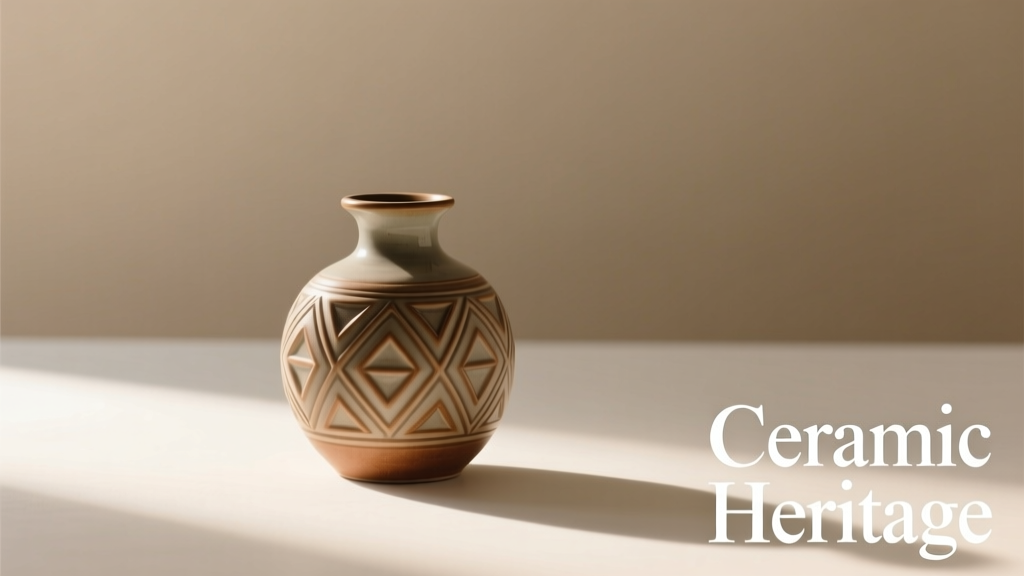
Types of Bird Nest Jars
A bird nest jar is more than just a container—it’s a functional and decorative piece that blends nature-inspired design with practical storage. Whether used for culinary purposes, home décor, or ethical alternatives to natural collections, bird nest jars come in a variety of styles, materials, and functionalities. Below is a comprehensive guide to the most popular types available today.
Traditional Glass Bird Nest Jars
Clear glass jars that highlight the intricate beauty of real or artificial bird nests, offering both visual appeal and preservation.
Advantages
- Transparent design showcases nest details
- Airtight seal preserves freshness and integrity
- Versatile for display or food storage
- Available in multiple shapes and sizes
Limitations
- Prone to breakage if dropped
- Requires careful handling and cleaning
- May show fingerprints or smudges easily
Best for: Displaying natural nests, storing edible bird's nest soup, kitchen organization
Metal Bird Nest Jars
Durable metal-bodied jars with glass or plastic lids, combining strength with modern aesthetics.
Advantages
- Highly durable and impact-resistant
- Ideal for high-traffic environments
- Customizable with colors and finishes
- Excellent for branding and retail use
Limitations
- Limited visibility of contents (unless lid is transparent)
- Heavier than glass or plastic alternatives
- Potential for rust if not properly coated
Best for: Commercial storage, branded retail products, industrial or outdoor use
Bird Nest Canister Jars
Wide-mouthed jars designed for easy access and long-term freshness, ideal for culinary applications.
Advantages
- Wide opening allows easy scooping and refilling
- Airtight rubber-sealed lids maintain freshness
- Made from tough glass or ceramic for longevity
- Perfect for kitchen use and ingredient storage
Limitations
- Larger footprint takes up more counter space
- May not be ideal for delicate decorative displays
- Can be heavier when filled
Best for: Storing edible bird nests, soup ingredients, spices, or dry goods
Decorative Bird Nest Jars
Artistically designed jars focused on visual appeal, often used as centerpieces or home décor accents.
Advantages
- Enhances interior aesthetics with unique designs
- Available in colorful patterns and embellishments
- Can include twigs, feathers, flowers, or faux birds
- Versatile for seasonal or thematic decoration
Limitations
- Less functional for long-term storage
- May not be airtight or food-safe
- More fragile due to added decorative elements
Best for: Home décor, wedding centerpieces, spring displays, gift items
Bird Nest Dupe Jars
Ethical replicas made from resin, plastic, or glass that mimic the look of real nests without using natural materials.
Advantages
- Ethically sourced and animal-friendly
- More affordable than authentic nest jars
- Available in diverse styles and finishes
- Ideal for eco-conscious consumers
Limitations
- Lacks the authenticity of real nests
- May feel less organic or natural in texture
- Lower perceived value in luxury markets
Best for: Ethical décor, budget-friendly gifting, educational displays, vegan or sustainable homes
| Type | Material | Primary Use | Durability | Aesthetic Appeal |
|---|---|---|---|---|
| Traditional Glass | Clear glass | Display & food storage | Medium | High |
| Metal | Metal body + glass/plastic lid | Commercial storage | Very High | Modern/industrial |
| Canister | Thick glass or ceramic | Kitchen storage | High | Functional |
| Decorative | Varied (glass, resin, natural elements) | Home décor | Low to Medium | Very High |
| Dupe Jars | Resin, plastic, glass | Ethical display | Medium | High (stylized) |
Pro Tip: When using decorative or dupe jars for gifting, consider pairing them with a handwritten note or themed packaging to enhance their emotional and visual impact. For food-safe applications, always verify that the jar and seal are non-toxic and airtight to preserve freshness.
Designs of Bird Nest Jars: Functionality Meets Elegance
Bird nest jars, also known as Buddhist jars, are more than just containers—they are functional art pieces that blend tradition, hygiene, and aesthetic appeal. Widely used in restaurants, wellness centers, and homes, these jars come in various designs tailored to specific applications, from culinary service to ceremonial display. Understanding the different designs helps businesses and individuals choose the right jar for their needs, whether for serving premium bird’s nest soup or preserving delicate ingredients with reverence.
Bird Nest Jars with Spoons
Designed for convenience and hygiene, bird nest jars with integrated spoons are ideal for commercial kitchens and high-end restaurants. These jars allow for precise portioning of bird’s nest soup, minimizing contamination and spillage during service. The spoon is typically crafted from food-safe materials such as tempered glass or stainless steel and may be permanently attached to the lid or stored inside the jar for easy access.
This design enhances operational efficiency by eliminating the need for external utensils, reducing cross-contamination risks, and streamlining the serving process. It's especially valuable in fine dining settings where presentation and sanitation are paramount. Some models feature ergonomic spoon handles and anti-drip edges for a cleaner experience.
Bird Nest Canister Jars
These wide-mouth canister-style jars are engineered for practical food storage and kitchen readiness. Commonly found on restaurant countertops or in prep areas, they offer easy access for scooping or ladling ingredients. Their airtight seals preserve freshness, prevent moisture loss, and protect contents from external contaminants—critical for maintaining the quality of delicate bird’s nest products.
The transparent glass or crystal construction allows staff to quickly assess inventory levels and product condition without opening the container. This visibility supports better stock management and reduces waste. Durable and easy to clean, these jars are often used for storing pre-soaked nests, soups, or supplementary ingredients like rock sugar or goji berries.
Decorative Bird Nest Jars with Lid and Base
Elevating functionality into artistry, decorative bird nest jars with matching lids and bases are designed for ceremonial, religious, or display purposes. These jars often house intact bird’s nests as symbolic offerings in Buddhist practices or as luxury gifts. The secure lid and supportive base ensure the nest remains undisturbed, preserving its spiritual and aesthetic integrity.
Crafted from high-quality glass, crystal, or artisanal ceramics, these jars feature intricate engravings, gold accents, or traditional motifs that reflect cultural heritage. The elevated design makes them perfect for altars, exhibitions, or premium gifting. Beyond symbolism, the sealed environment also protects the nest from dust and degradation, maintaining its pristine condition over time.
Dual Compartment Bird Nest Jars
Innovative and highly functional, dual compartment bird nest jars are designed to separate different ingredients or varieties within a single unit. This is particularly useful in professional kitchens where multiple types of bird’s nests—such as white, red, or blood nests—must be stored separately to maintain purity, flavor, and value.
Restaurants preparing multi-flavored soups or combining nests with different additives (e.g., ginseng, snow fungus) benefit from this design by avoiding cross-mixing while optimizing space. Some models feature removable dividers or stackable chambers for customizable configurations. Additionally, this design supports compliance with food safety regulations by isolating allergens or premium-grade ingredients.
| Design Type | Primary Use | Key Benefits |
|---|---|---|
| Bird Nest Jar with Spoon | Serving & Portion Control | Hygienic serving, reduced spillage, efficient service in restaurants |
| Canister Jar (Wide Mouth) | Storage & Preparation | Airtight seal, visibility, easy access, long-term freshness |
| Decorative Jar with Lid & Base | Ceremonial & Display | Preservation of integrity, aesthetic appeal, cultural significance |
| Dual Compartment Jar | Segregated Storage | Prevents cross-contamination, ideal for multiple varieties, regulatory compliance |
Important: When selecting a bird nest jar design, consider both functional requirements and contextual use. For commercial kitchens, prioritize hygiene and ease of access. For ceremonial or gifting purposes, emphasize craftsmanship and visual elegance. Always ensure materials are food-grade and safe for long-term contact with consumable products. Proper cleaning and storage will extend the lifespan and maintain the integrity of both the jar and its contents.
Specification and Maintenance of Bird Nest Jars
When purchasing bird nest jars—used for storing edible bird's nests or other delicate food items—consumers prioritize clear product specifications and reliable maintenance guidance. Understanding both ensures optimal preservation of contents, longevity of the container, and overall user satisfaction. Below is a comprehensive breakdown of key specifications and essential care practices.
Materials
Bird nest jars are crafted from a variety of materials, each offering unique benefits in terms of durability, visibility, and aesthetic appeal.
- Glass: Offers full transparency, allowing easy inspection of contents. Resistant to staining and odor absorption, making it ideal for long-term food storage.
- Ceramic: Provides an elegant, traditional appearance with partial or no visibility. Often glazed for food safety and moisture resistance.
- Metal (stainless steel): Extremely durable and secure, though non-transparent. Best suited for environments where physical protection is more important than visual access.
- Plastic (food-grade): Lightweight and shatter-resistant, but may degrade over time with repeated use or exposure to heat.
Key insight: Glass remains the most popular choice due to its inert nature and clarity, which helps monitor the condition of preserved bird nests.
Sizes & Capacities
Jars are available in a range of sizes tailored to different usage scenarios—from personal consumption to commercial distribution.
- Small (100–250 ml): Ideal for individual servings or home use; compact and easy to store.
- Medium (300–500 ml): Suitable for family use or small-scale retail; balances capacity and portability.
- Large (600–1000 ml): Designed for restaurants, hotels, or bulk storage; reduces packaging frequency but requires more space.
Pro tip: Choose size based on turnover rate—frequent users benefit from larger jars, while occasional users should opt for smaller ones to maintain freshness.
Seal Types & Airtightness
An effective seal is crucial for preserving the moisture, aroma, and quality of bird nest contents by preventing contamination and oxidation.
- Rubber/Silicone Gaskets: Provide superior airtight sealing; commonly used in glass and ceramic jars. Should be inspected regularly for wear.
- Screw-Top Lids: Offer strong closure and are leak-resistant; ideal for transport and long-term storage.
- Snap-On Lids: Convenient for quick access but may not provide the same level of hermetic seal unless reinforced with inner liners.
Critical note: Always ensure the sealing surface is clean before closing to prevent air leakage and microbial growth.
Design & Functional Features
Beyond basic storage, modern bird nest jars often include added features that enhance usability and presentation.
- Integrated Spoons or Tongs: Made from food-safe materials (e.g., bamboo or stainless steel), these simplify portioning without cross-contamination.
- Ergonomic Handles: Improve grip and ease of pouring, especially in larger models.
- Decorative Lids and Engravings: Enhance visual appeal for gifting or premium branding in hospitality settings.
- Stackable Design: Saves shelf space and improves organization in storage areas.
Design tip: For commercial use, prioritize functionality and hygiene; for retail or gift packaging, emphasize aesthetics and brand identity.
Maintenance Guidelines for Longevity and Hygiene
Proper care ensures that bird nest jars remain safe, functional, and visually appealing over time. Follow these best practices to maximize performance and prevent spoilage of stored contents.
Regular Cleaning Procedures
Cleanliness is essential to prevent bacterial growth and preserve the integrity of stored food.
- Wash glass and ceramic jars with warm, soapy water after each use. Use a soft brush to reach corners and under lids.
- Dry thoroughly before refilling to avoid moisture buildup, which can lead to mold.
- Polish metal components (lids, handles) with a non-abrasive cloth to prevent tarnishing caused by oxidation.
- Never mix cleaning tools between raw and food-grade containers to avoid cross-contamination.
Best practice: Disinfect monthly with a diluted vinegar solution (1:3 ratio with water) or mild food-safe sanitizer.
Avoiding Extreme Temperatures
Thermal stress can compromise structural integrity, especially in sensitive materials.
- Do not expose glass jars to sudden temperature changes (e.g., moving from refrigerator to boiling water), as this can cause cracking due to thermal shock.
- Keep plastic jars away from direct sunlight or hot surfaces (e.g., stoves, radiators), which can warp or degrade the material.
- Store in a cool, dry pantry or cupboard with stable ambient temperature (15–25°C recommended).
Warning: Never freeze bird nest jars unless explicitly labeled as freezer-safe—expansion can break seals or crack containers.
Handling with Care
Many bird nest jars feature intricate designs or delicate construction that requires gentle handling.
- Always hold the jar by the base or body, not the lid or handle, to avoid loosening parts or causing breakage.
- Avoid dropping or knocking the jar against hard surfaces, particularly those made of thin glass or glazed ceramic.
- When transporting, use padded containers or wrap in soft cloth to absorb impact.
Safety note: Ornate jars with protruding decorations should be placed on stable shelves out of high-traffic areas.
Regular Seal Inspection
The condition of the sealing mechanism directly affects the jar’s ability to protect its contents.
- Inspect rubber or silicone gaskets monthly for signs of cracking, brittleness, or deformation.
- Replace worn seals immediately to maintain airtight integrity and prevent spoilage.
- Clean seals separately using mild detergent and allow them to air-dry completely before reinstallation.
- Ensure the groove housing the seal is free from food residue or mold.
Maintenance reminder: Most manufacturers recommend replacing seals every 6–12 months with regular use.
Expert Recommendation: For home users, a medium-sized glass jar with a screw-top lid and silicone seal offers the best balance of visibility, durability, and ease of maintenance. In commercial settings, consider stainless steel or stackable ceramic models with tamper-evident closures for enhanced safety and professional presentation. Always pair high-quality containers with proper hygiene routines to ensure the purity and potency of stored bird nests.
| Material | Best For | Lifespan (with care) | Maintenance Level |
|---|---|---|---|
| Glass | Home storage, visual inspection | 5+ years | Low |
| Ceramic | Premium/gift packaging | 3–7 years | Moderate |
| Stainless Steel | Commercial kitchens, transport | 7+ years | Low |
| Food-Grade Plastic | Temporary or travel use | 1–2 years | Moderate |
Additional Considerations
- Hygiene Standards: Ensure all jars meet food-contact safety regulations (e.g., FDA, LFGB) to guarantee non-toxicity and chemical stability.
- Labeling: Use waterproof labels to track contents and expiration dates, especially in bulk storage.
- Light Exposure: Store jars in dark cabinets to prevent UV degradation, particularly important for nutrient-sensitive items like bird nests.
- Humidity Control: In humid climates, include desiccant packs inside storage cabinets (not inside food jars) to reduce ambient moisture.
- Sustainability: Opt for reusable, recyclable materials like glass or stainless steel to support eco-friendly practices.
Scenarios for Bird Nest Jars: Practical Applications Across Industries
Bird nest jars—named for their delicate, woven appearance reminiscent of natural bird nests—are more than just decorative containers. These elegant vessels combine aesthetic charm with functional design, making them ideal for a wide range of uses across culinary, retail, wellness, and hospitality sectors. Their unique blend of visual appeal, practicality, and versatility has led to increasing popularity in both commercial and residential environments. Below is a comprehensive exploration of the most effective and meaningful applications of bird nest jars.
Did You Know? The term "bird nest jar" often refers not only to the shape and design but also to the premium perception it conveys—symbolizing care, craftsmanship, and luxury. This psychological association enhances customer experience in high-end settings.
Gourmet Restaurants Specializing in Asian Cuisine
One of the most prominent and traditional uses of bird nest jars is in upscale Asian restaurants that serve bird's nest soup—a delicacy made from edible swiftlet nests, prized for its health benefits and rarity. These jars are specifically designed to preserve the integrity and freshness of the soup while elevating the dining experience through refined presentation.
- Premium Presentation: Serving the soup in ornate, transparent jars allows guests to appreciate the texture and clarity of the broth, enhancing perceived value.
- Functional Design: Many bird nest jars come with built-in spoons or lids that double as serving tools, streamlining service and minimizing handling.
- Hygienic Sealing: Airtight or vacuum-sealed lids help maintain freshness during storage and transport, ensuring optimal quality when served.
- Branding Opportunity: Custom-engraved or labeled jars can feature the restaurant’s logo or a brief story about the dish’s origins, adding an educational and memorable touch.
This application not only supports culinary excellence but also reinforces the exclusivity and authenticity of the dining experience.
Upscale Retail Environments
In luxury retail stores—from boutique gift shops to high-end department stores—bird nest jars are used as stylish display containers for a variety of premium products. Their natural elegance makes them ideal for showcasing items that emphasize craftsmanship, wellness, or sensory appeal.
- Versatile Display Solutions: Single or dual-compartment jars can organize and highlight products such as scented candles, essential oils, potpourri, bath salts, or artisanal confections.
- Visual Merchandising: Transparent or lightly tinted jars allow customers to see the contents clearly, while the intricate nest-like design draws attention and encourages interaction.
- Space Optimization: Stackable or modular bird nest jars help maximize shelf space while maintaining an uncluttered, curated aesthetic.
- Gift-Ready Packaging: When pre-filled, these jars serve as ready-to-sell gift sets, often paired with ribbons, tags, or custom inserts for special occasions.
By integrating bird nest jars into their visual strategy, retailers create a cohesive, luxurious atmosphere that enhances product desirability and brand image.
Home Use in Culinary Contexts
In modern kitchens, bird nest jars have become a favorite among home chefs and design-conscious individuals who value both form and function. Used as elegant canisters, they offer a practical way to store dry goods while contributing to kitchen décor.
- Airtight Storage: Jars with silicone seals or locking lids preserve the freshness of spices, herbs, grains, sugar, coffee, or tea, extending shelf life and preventing moisture exposure.
- Decorative Appeal: Their intricate designs blend seamlessly with farmhouse, minimalist, or contemporary kitchen styles, turning everyday storage into a design statement.
- Organization: Uniform sets of bird nest jars help declutter countertops and pantries, offering a clean, organized look.
- Personalization: Homeowners often label jars with chalkboard stickers or engraved tags, adding a personalized touch to their culinary space.
These jars are especially popular in open-kitchen layouts where storage is visible, making them both functional tools and decorative accents.
Spas and Wellness Centers
Wellness environments prioritize ambiance, cleanliness, and sensory experience—all of which are enhanced by the use of bird nest jars. They are commonly used to store and display natural ingredients used in treatments, such as sea salts, sugar scrubs, essential oils, clay masks, or floral petals.
- Luxurious Aesthetic: The organic, handcrafted appearance of the jars complements the natural and tranquil themes of spa interiors.
- Hygienic Design: Easy-to-clean glass or ceramic materials, combined with airtight seals, ensure product safety and prevent contamination.
- Client Engagement: Staff can explain the origin of ingredients stored in the jars—such as Himalayan salt or Moroccan ghassoul—deepening the client’s connection to the treatment.
- Therapeutic Storytelling: Placing jars in treatment rooms or reception areas invites curiosity and conversation, enriching the overall guest experience.
In this setting, bird nest jars do more than store—they contribute to a holistic, immersive wellness journey.
Souvenirs and Cultural Keepsakes
In regions where bird's nest harvesting is culturally or ecologically significant—such as parts of Southeast Asia—bird nest jars are transformed into meaningful souvenirs. These mementos often incorporate local materials, traditional craftsmanship, and symbolic designs.
- Cultural Representation: Jars may feature regional motifs, native scripts, or depictions of local wildlife, reflecting the heritage of the area.
- Ethical Sourcing: When paired with sustainably harvested nests or symbolic replicas, these jars promote eco-conscious tourism and respect for natural resources.
- Travel Memorabilia: Tourists appreciate these jars as unique, portable tokens that capture the essence of their journey.
- Gift Potential: Their beauty and story make them ideal gifts for friends and family, often used in home décor or as conversation pieces.
As souvenirs, bird nest jars bridge tourism, culture, and sustainability, offering travelers a tangible connection to the places they visit.
| Application | Primary Benefits | Ideal Jar Features | Common Materials |
|---|---|---|---|
| Gourmet Dining | Premium presentation, freshness retention, portion control | Built-in spoons, airtight lids, heat-resistant glass | Borosilicate glass, ceramic |
| Luxury Retail | Visual appeal, brand enhancement, space efficiency | Transparent design, stackable form, dual compartments | Crystal glass, porcelain |
| Residential Kitchens | Organization, aesthetic upgrade, food preservation | Airtight seals, uniform sets, labeling options | Tempered glass, stoneware |
| Spas & Wellness | Sensory appeal, hygiene, client engagement | Easy-clean surfaces, wide mouths, decorative lids | Glazed ceramic, recycled glass |
| Tourism & Souvenirs | Cultural significance, memorability, gifting value | Handcrafted details, local artwork, compact size | Clay, bamboo accents, mixed media |
Pro Tip: When selecting bird nest jars for commercial use, consider custom branding options such as laser engraving, embossed logos, or eco-friendly packaging. This not only strengthens brand identity but also increases perceived value and customer loyalty.
Conclusion
Bird nest jars transcend their role as mere containers by blending artistry, functionality, and storytelling across diverse settings. Whether used in a five-star restaurant, a tranquil spa, a modern kitchen, or as a cherished travel keepsake, these jars elevate the user experience through thoughtful design and emotional resonance. As consumers increasingly value authenticity and aesthetic quality, the demand for bird nest jars is expected to grow across industries—making them a smart investment for businesses and individuals alike.
Frequently Asked Questions About Bird Nest Jars
Q1: What are bird nest jars (also known as "Buddha jars")?Bird nest jars, formerly referred to as "Buddha jars," are elegant storage containers traditionally crafted from glass, though modern variations may also be made from metal or ceramic materials. Originally designed in Asian culinary traditions for storing edible bird's nests—a delicacy used in soups and tonics—these jars have evolved into multifunctional vessels prized for both utility and visual appeal.
Today, bird nest jars are widely used beyond their original purpose. Their airtight or tightly sealed designs help preserve the freshness and purity of contents, making them ideal for storing gourmet ingredients, dried herbs, spices, candies, or even small decorative objects. Thanks to their sleek, minimalist design and transparent construction, they serve as attractive display pieces in homes, high-end restaurants, retail spaces, and wellness centers. Some are even used in spiritual or ceremonial settings due to their association with purity and mindfulness—hence the historical reference to "Buddha" in earlier naming conventions.
Q2: What role do built-in spoons or spouts play in bird nest jars?Built-in spoons or serving spouts significantly enhance the functionality of bird nest jars, especially in commercial kitchens, buffets, and food service environments. These integrated tools allow users to dispense contents hygienically without direct hand contact, minimizing contamination risks and maintaining food safety standards.
Restaurants and caterers particularly favor bird nest jars with built-in spoons because they streamline service, reduce cross-contamination, and keep ingredients fresh for longer. Without such features, patrons or staff might use unclean utensils or hands to retrieve food, compromising both quality and hygiene. Additionally, the spoon often doubles as a design element, contributing to the jar’s overall aesthetic—especially when crafted from polished stainless steel or wood to complement the container.
Q3: What are the best maintenance tips for bird nest jars?To ensure longevity and continued performance, proper care and maintenance of bird nest jars are essential. Here are key recommendations:
- Regular Cleaning: Wash the jar with mild dish soap and warm water after each use. For stubborn residues, soak the jar before scrubbing gently with a non-abrasive sponge.
- Avoid Thermal Shock: Do not expose glass jars to sudden temperature changes (e.g., moving from freezer to boiling water), as this can cause cracking or shattering.
- Limit Sun Exposure: Prolonged exposure to direct sunlight can degrade certain contents (like oils or herbs) and may weaken seals or discolor labels over time.
- Careful Handling: Always handle glass jars with care. Place them on stable surfaces and avoid stacking heavy items on top to prevent breakage.
- Seal Maintenance: Inspect rubber gaskets or silicone seals regularly for wear, warping, or mold buildup. Replace them as needed to maintain an airtight seal, which is crucial for preserving freshness and preventing spoilage.
For metal or ceramic versions, follow manufacturer guidelines regarding moisture resistance and cleaning agents to avoid corrosion or glaze damage.
Q4: What are the benefits of using decorative bird nest jars with lids and bases?Decorative bird nest jars equipped with lids and matching bases offer both functional and aesthetic advantages that elevate their usability across various settings:
- Enhanced Protection: Lids create a barrier against dust, moisture, insects, and airborne contaminants, ensuring contents remain clean and safe for consumption or display.
- Improved Aesthetics: A well-designed lid and base add a polished, finished look to the jar, transforming it into a centerpiece suitable for dining tables, retail displays, or altars.
- Structural Support: The base provides stability, reducing the risk of tipping—especially important when the jar is filled with heavier ingredients or placed on uneven surfaces.
- Versatility: With a complete set (jar, lid, base), these containers can transition seamlessly between practical storage and decorative use. They’re often used to display religious artifacts, wedding favors, incense, or seasonal treats, blending cultural significance with everyday utility.
This combination of form and function makes lidded bird nest jars with bases a popular choice in hospitality, gift packaging, and home organization.
Q5: How do dual-compartment bird nest jars function, and where are they most useful?Dual-compartment bird nest jars are specially engineered to store two separate items within a single unit, maintaining isolation while offering convenient access. This innovative design is particularly valuable in contexts requiring organization, hygiene, or regulatory compliance.
In culinary applications, these jars allow chefs to store different types of edible bird’s nests, premium spices, or paired ingredients (e.g., sugar and cinnamon) without mixing. This is especially beneficial in high-volume kitchens, tasting menus, or gourmet retail, where ingredient integrity and presentation matter.
Beyond food, dual chambers can be used for separating medications, ceremonial offerings, or cosmetic products. In legal or medical environments, they support secure storage of samples or controlled substances, ensuring traceability and preventing cross-contact.
Their practicality lies in maximizing space efficiency while preserving the quality, safety, and distinction of each component—making them ideal for professional settings, events, and discerning home users alike.









