Choosing the right dog leash isn’t just about style or comfort—it’s a decision that impacts safety, reliability, and long-term value. For pet owners who frequently walk their dogs in wet weather or muddy terrain, material durability becomes a critical factor. Two popular options—biothane and leather—each bring distinct advantages to the table, but when exposed to moisture, muck, and constant use, one clearly outperforms the other in longevity. This article examines how biothane and leather hold up under harsh outdoor conditions, with a focus on resistance to water, mud, UV exposure, and wear over time.
Understanding Biothane: The Modern Alternative
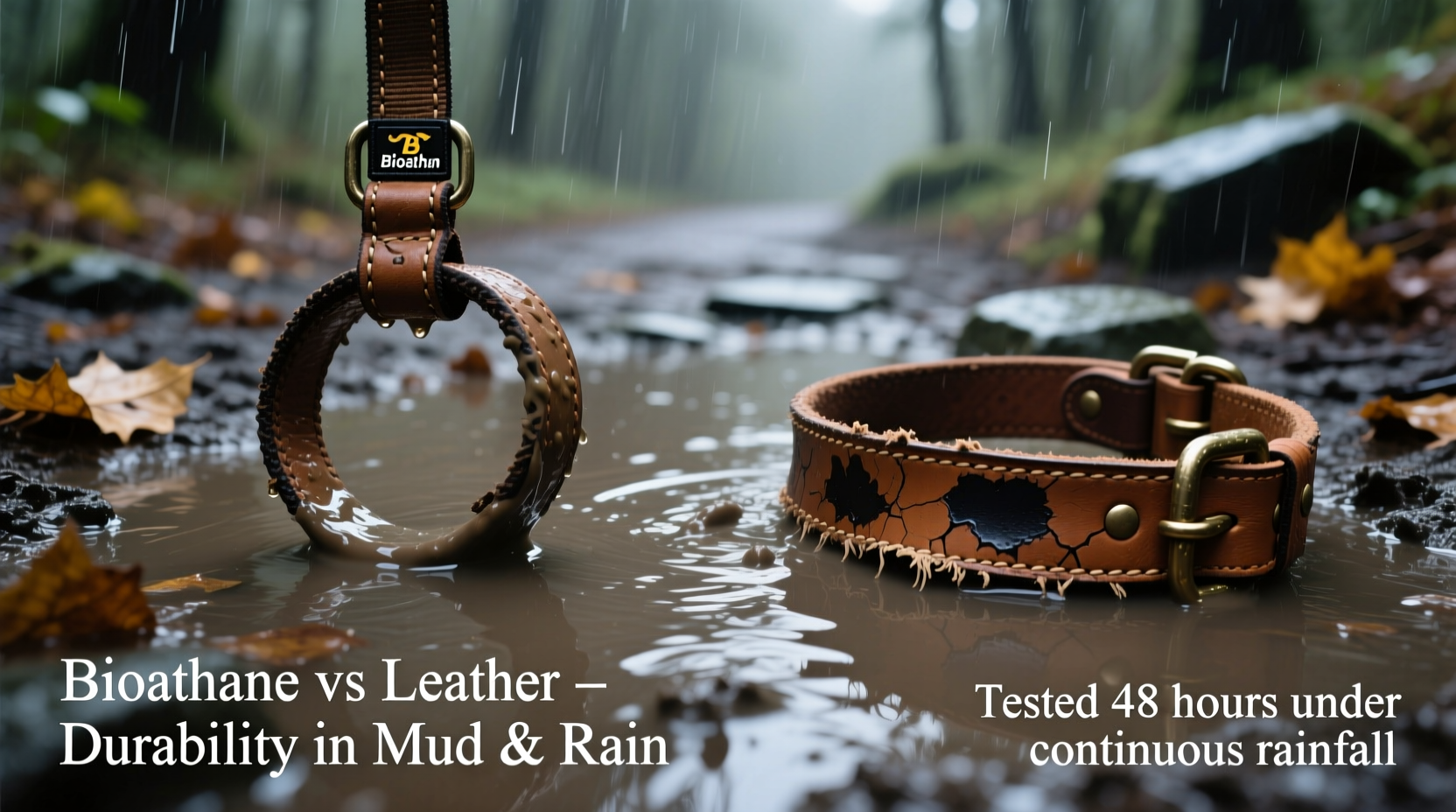
Biothane is a coated webbing material originally developed for prosthetics and medical devices. Today, it's widely used in dog gear due to its strength, flexibility, and exceptional resistance to environmental stressors. The core of biothane is typically nylon webbing, which is then coated with a polymer—usually polyurethane (PU) or thermoplastic polyurethane (TPU). This coating creates a waterproof barrier that prevents moisture absorption.
The result is a leash that feels smooth, wipes clean easily, and resists fraying even after years of use. Unlike natural materials, biothane doesn’t rot, mildew, or degrade when left damp. It’s also available in a wide range of colors and finishes, from matte to glossy, making it a favorite among working dog handlers, service dog trainers, and outdoor enthusiasts.
Tip: After walking in muddy conditions, simply rinse your biothane leash with water and wipe dry—no special cleaners required.Leather: Tradition Meets Natural Beauty
Leather has been the go-to material for dog leashes for generations. Valued for its rich texture, classic appearance, and comfortable grip, full-grain leather develops a unique patina over time that many owners appreciate. High-quality leather leashes are strong, softening with use while maintaining structural integrity—if properly maintained.
However, leather is a natural product derived from animal hides, which means it behaves like skin: it absorbs moisture, can crack when dried too quickly, and is susceptible to mold and bacterial growth if stored damp. While some premium leathers are treated with oils or waxes for water resistance, they are not inherently waterproof. Repeated exposure to rain and mud without proper care accelerates deterioration, leading to stiffness, discoloration, and eventual breakage.
“Leather performs beautifully in dry conditions, but consistent exposure to wet environments without immediate drying and conditioning will cut its lifespan in half.” — Daniel Reeves, Canine Equipment Specialist & K9 Gear Consultant
Head-to-Head: Performance in Mud and Rain
To determine which material lasts longer under adverse conditions, we need to evaluate several key factors: water resistance, ease of cleaning, resistance to abrasion, and long-term degradation.
| Feature | Biothane | Leather |
|---|---|---|
| Water Resistance | High – non-porous surface repels water and mud | Low to Moderate – absorbs moisture unless heavily treated |
| Drying Time | Minutes – dries quickly with no risk of damage | Hours to days – must be air-dried slowly to prevent cracking |
| Cleaning After Mud Exposure | Easy – hose off or wipe with damp cloth | Labor-intensive – requires brushing, wiping, oiling |
| Mold/Mildew Resistance | Excellent – does not support microbial growth | Poor – prone to mold if stored wet |
| UV Degradation | Good – TPU-coated versions resist sun fading | Fair – prolonged sun exposure causes drying and fading |
| Lifespan in Wet Conditions | 10+ years with minimal care | 3–5 years with rigorous maintenance |
The data shows a clear advantage for biothane in wet and muddy environments. Its synthetic nature allows it to endure repeated saturation without compromising strength or structure. Leather, while durable in controlled settings, demands proactive maintenance to survive similar conditions—and even then, it degrades faster than biothane.
Real-World Example: Field Testing in Pacific Northwest Trails
A small-scale field study conducted by an outdoor dog training group in Washington State compared identical 6-foot leashes made of biothane and full-grain leather over a 12-month period. Participants walked their dogs weekly through forest trails, riverbanks, and coastal paths—environments characterized by persistent rain, thick mud, and abrasive brush.
After six months, all leather leashes showed visible signs of wear: darkened patches from absorbed moisture, minor surface cracking near hardware attachment points, and fading color. By month nine, two leather leashes had developed weak spots at stress joints, requiring retirement. In contrast, the biothane leashes remained intact, retained their original color, and exhibited no loss of tensile strength. One was accidentally left outside overnight in a downpour and still performed flawlessly the next day.
This informal but realistic test underscores biothane’s resilience. While the leather leashes weren’t poorly made, their organic composition made them inherently vulnerable to the region’s climate.
Maintenance Requirements Compared
One of the most significant differences between these materials lies in upkeep. Longevity isn’t just about inherent durability—it’s also about how much effort users invest in preservation.
Biothane Care Routine
- Rinse with fresh water after muddy or salty walks
- Wipe with a damp cloth and mild soap if stained
- Hang to dry—no conditioning needed
- Store in any environment, including humid garages or car trunks
Leather Care Routine
- Immediately wipe off mud with a soft cloth
- Allow to air-dry away from heat sources
- Condition every 4–6 weeks with leather-specific oil
- Store in breathable fabric bag, away from humidity
- Avoid folding or kinking to prevent crease damage
Cost Over Time: Initial Price vs. Replacement Frequency
At first glance, leather leashes often appear more cost-effective. A mid-range leather leash may cost $35–$50, while a comparable biothane version might range from $45–$70. However, when factoring in replacement frequency and maintenance costs, biothane proves more economical in the long run.
Assuming annual replacement for leather due to wear in wet climates (especially without meticulous care), the five-year cost adds up to $175–$250. Biothane, lasting a decade or more with zero consumable maintenance products, represents a one-time investment of $50–$70. Additionally, biothane eliminates the recurring cost of leather conditioners, cleaning kits, and potential repair services.
Checklist: Choosing the Right Leash for Wet Environments
- Assess your typical walking environment: frequent rain, mud, or near water?
- Evaluate your willingness to perform regular maintenance
- Consider your dog’s strength and pulling behavior—higher strain favors biothane
- Check local climate patterns—high humidity reduces leather lifespan
- Prioritize safety: biothane offers consistent strength retention in all conditions
- Think long-term: biothane may cost more upfront but saves money over time
When Leather Might Still Be the Better Choice
Despite biothane’s superior performance in wet conditions, leather remains a valid option for certain users. If you primarily walk your dog in dry, urban environments and value aesthetic appeal, leather offers unmatched elegance. Its supple feel improves with age, and many owners enjoy the ritual of caring for natural materials.
Additionally, some large-breed owners prefer leather for its weight and grip, finding it less likely to slide through hands during sudden pulls. For ceremonial purposes, show events, or fashion-focused accessories, leather continues to dominate.
But if your lifestyle involves hiking, hunting, beach outings, or living in a rainy climate, biothane is objectively better suited for daily reliability and extended service life.
Frequently Asked Questions
Can I leave a biothane leash outside overnight?
Yes. Unlike leather, biothane won’t absorb water or suffer damage from temporary outdoor exposure. While not recommended as a habit, accidental overnight storage in rain won’t compromise its integrity.
Does biothane stretch over time?
No significant stretching occurs. The nylon core is tightly woven and stabilized by the polymer coating, ensuring dimensional stability even under heavy load. This makes biothane ideal for strong pullers or working dogs.
Is leather unsafe in the rain?
Not immediately, but prolonged or repeated exposure without proper drying increases the risk of weakening fibers, mold growth, and hardware corrosion due to trapped moisture. It’s safe for occasional use in light rain if dried promptly.
Conclusion: Which Material Lasts Longer?
In direct comparison, **biothane lasts significantly longer than leather in mud and rain**. Its engineered construction resists water absorption, dries quickly, withstands abrasion, and requires minimal maintenance. Leather, though beautiful and traditional, is ill-suited to consistently wet or muddy conditions without intensive care—and even then, it cannot match biothane’s decade-long resilience.
For dog owners who prioritize function, safety, and longevity—especially those navigating unpredictable weather or rugged terrain—biothane is the smarter, more durable choice. It delivers peace of mind knowing your dog’s leash won’t fail when soaked, caked in mud, or stored in damp conditions. While leather holds sentimental and aesthetic value, practicality in adverse environments belongs firmly to biothane.
💬 Have experience with both materials? Share your story below. Whether you’ve switched from leather to biothane or stuck with tradition, your insights can help fellow dog owners make informed decisions.








