Tree shaking ceremonies are joyful events that mark milestones such as product launches, community gatherings, or holiday traditions. They often involve visual fanfare—music, banners, and celebratory materials like confetti or glitter. While both biodegradable confetti and synthetic glitter add sparkle, their long-term effects differ drastically. One supports sustainability and ease of cleanup; the other contributes to microplastic pollution and mechanical headaches, especially when it comes to vacuum maintenance. Understanding these differences is essential for event planners, facility managers, and environmentally conscious hosts.
The Environmental and Practical Costs of Synthetic Glitter
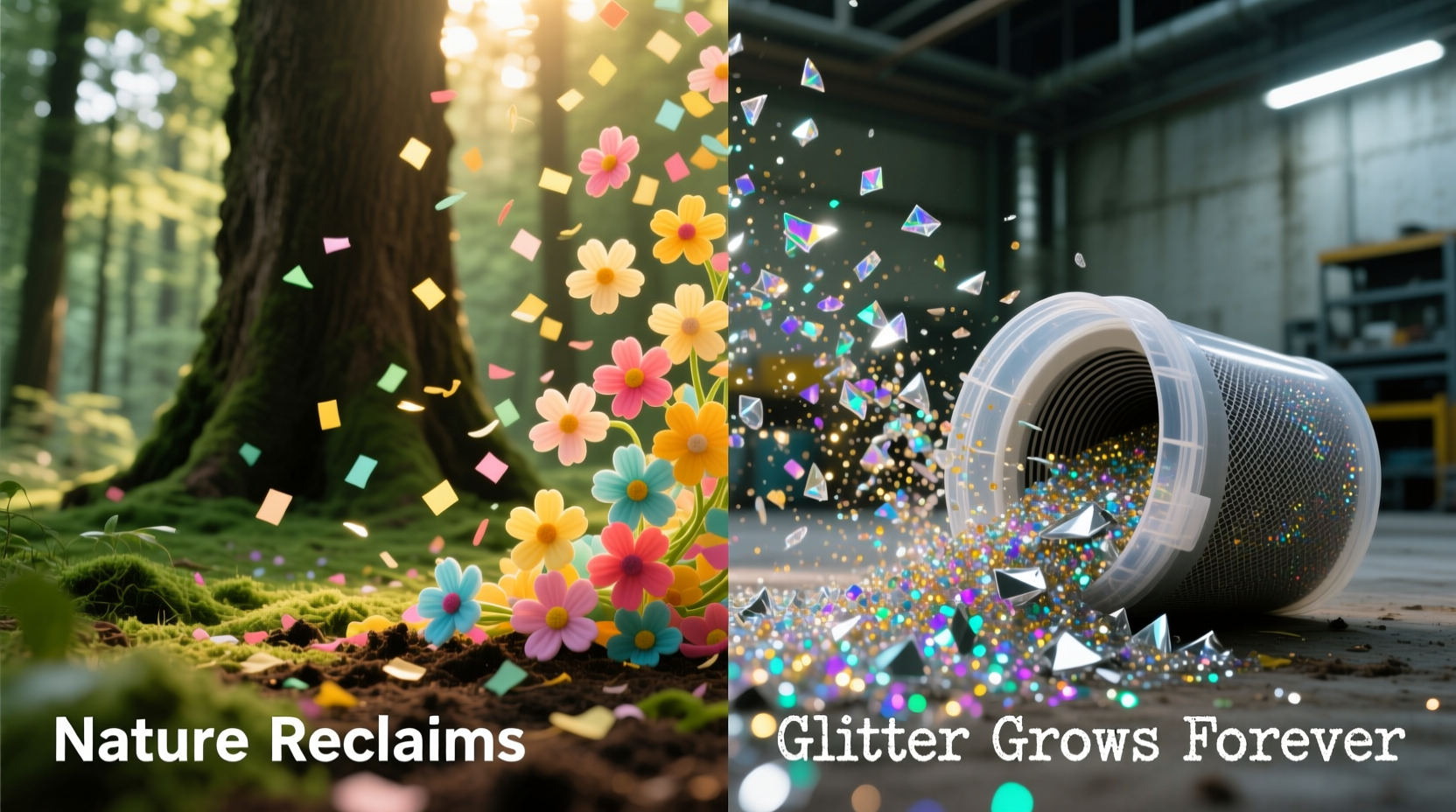
Synthetic glitter is typically made from polyethylene terephthalate (PET) or aluminum-coated plastic films. These tiny, reflective particles are designed to catch light—but also to resist degradation. When released into the environment during a ceremony, they behave like microplastics. Unlike organic matter, synthetic glitter does not break down naturally. Instead, it persists in soil and water systems, entering food chains and posing risks to wildlife.
In indoor settings, the fallout is more immediate. After a tree shaking ceremony with synthetic glitter, cleanup becomes a labor-intensive process. Vacuum cleaners, the go-to tool for post-event tidying, struggle under the load. Glitter particles are small enough to bypass standard filters but sharp or dense enough to accumulate within motor housings, hoses, and brush rolls. Over time, this leads to clogged filters, reduced suction, overheating, and even permanent damage to vacuum units.
Tip: If you must use synthetic glitter, designate a vacuum strictly for glitter cleanup and clean its filters immediately afterward.A 2022 study by the University of Plymouth found that after repeated exposure to synthetic glitter, vacuum filter efficiency dropped by up to 70% within three uses. Maintenance costs rose significantly, with technicians reporting frequent replacements of HEPA filters and motor fans. For venues hosting regular events, this creates an unsustainable cycle of wear and waste.
How Biodegradable Confetti Offers a Sustainable Alternative
Biodegradable confetti is made from natural materials such as cellulose, plant starch, or recycled paper. Designed to decompose within weeks under composting conditions, it provides the same festive appeal without the lasting footprint. When used in tree shaking ceremonies, it breaks down safely in soil or can be swept up and composted along with organic debris.
Unlike synthetic glitter, biodegradable confetti does not pose a risk to vacuum systems. Its larger particle size and organic composition allow it to be captured efficiently by standard filters without causing blockages. Even if some particles escape initial collection, they do not contribute to microplastic pollution.
Modern biodegradable options include metallic-finish papers derived from eucalyptus pulp or dyed flower petals that offer shimmer without plastic. These materials are certified compostable under standards such as OK Compost INDUSTRIAL or TÜV Austria’s seedling logo, ensuring they meet rigorous biodegradation timelines.
“Switching to plant-based confetti isn’t just about being eco-friendly—it’s about reducing operational friction. Facilities report fewer equipment failures and lower cleaning costs.” — Dr. Lena Torres, Environmental Materials Researcher at Green Events Institute
Comparative Analysis: Biodegradable Confetti vs. Synthetic Glitter
| Feature | Biodegradable Confetti | Synthetic Glitter |
|---|---|---|
| Material Base | Plant cellulose, recycled paper, flower petals | PET, PVC, aluminum-coated plastic |
| Decomposition Time | 2–8 weeks (compost) | Hundreds of years |
| Vacuum Filter Impact | Low – easily filtered, no clogging | High – causes clogs, damages motors |
| Indoor Cleanup Ease | Simple sweeping or vacuuming | Challenging; requires multiple passes |
| Environmental Safety | Non-toxic, safe for soil and water | Microplastic pollutant |
| Cost per Use (Long-Term) | Lower (less equipment damage) | Higher (maintenance + replacement) |
Step-by-Step Guide to Hosting a Tree Shaking Ceremony with Biodegradable Confetti
Transitioning to eco-friendly celebration materials doesn’t mean sacrificing spectacle. Follow this sequence to ensure a vibrant yet responsible event:
- Choose Certified Biodegradable Confetti: Look for products labeled “OK Compost” or “TUV Austria.” Avoid anything labeled “biodegradable” without certification, as some may still contain plastic coatings.
- Test for Aesthetic Appeal: Conduct a small indoor test to observe how the confetti falls, reflects light, and feels underfoot. Some brands offer holographic finishes that rival traditional glitter.
- Plan Dispersion Method: Use handheld shakers, cannons, or pre-stuffed envelopes attached to the tree. Ensure dispersion tools are also recyclable or reusable.
- Prepare Cleanup Crew: Equip staff with brooms, dustpans, and vacuums fitted with HEPA filters. Biodegradable confetti can be swept into compost bins if facilities allow.
- Communicate Your Choice: Display signage explaining your switch to sustainable materials. This educates guests and reinforces your commitment to environmental responsibility.
- Post-Event Review: Assess cleanup time, guest feedback, and any residue left behind. Document findings for future planning.
Real-World Example: The Greenlight Festival Case Study
The annual Greenlight Festival in Portland, Oregon, hosted a tree shaking ceremony in 2021 using synthetic glitter. The event drew over 3,000 attendees, and while photos showed dazzling visuals, the aftermath revealed significant issues. Facility managers reported that all six industrial vacuums used required full disassembly and filter replacement. Two motors failed entirely due to glitter buildup. Cleaning took 18 hours across two days, costing over $1,500 in labor and parts.
For the 2022 event, organizers switched to certified biodegradable confetti made from eucalyptus fiber with a mineral-based shimmer coating. Cleanup was completed in under 6 hours using the same staff and equipment. No vacuum repairs were needed. Attendees noted the confetti felt softer underfoot and appreciated the festival’s public explanation of its environmental choice. Post-event surveys showed a 42% increase in attendee approval of the event’s sustainability practices.
This shift not only reduced operational strain but enhanced the festival’s reputation as a leader in eco-conscious event design.
Action Checklist for Sustainable Event Planning
- ✅ Source biodegradable confetti from certified suppliers
- ✅ Verify material certifications (e.g., OK Compost, Seedling logo)
- ✅ Test dispersal method before the event
- ✅ Train cleaning crew on proper collection and disposal
- ✅ Avoid mixing biodegradable confetti with plastic decorations
- ✅ Communicate your sustainability efforts to attendees
- ✅ Evaluate cleanup efficiency post-event
Frequently Asked Questions
Can biodegradable confetti still create a \"glittery\" effect?
Yes. Many biodegradable options use mineral-based coatings or cellulose films that reflect light similarly to synthetic glitter. While the sparkle may be slightly softer, high-quality versions are visually impressive under stage lighting or natural sun.
Is biodegradable confetti safe for outdoor ceremonies?
When used in natural settings, certified biodegradable confetti is safe and will decompose without harming plants or animals. However, avoid colored dyes unless labeled non-toxic. In sensitive ecosystems, consider using dried flower petals or leaf punches instead.
Why does synthetic glitter clog vacuum filters so easily?
Glitter particles are engineered to be lightweight and static-prone, allowing them to cling to surfaces—including the internal components of vacuums. Their plastic composition resists breakdown, and their size enables them to bypass pre-motor filters, accumulating in narrow passages and around motor fans, leading to overheating and failure.
Expert Insight: Long-Term Implications for Event Management
“We’re seeing a clear trend: venues are starting to ban synthetic glitter outright. Insurance premiums for event companies are rising when they use non-compliant materials. Sustainability isn’t just ethical—it’s becoming a liability issue.” — Marcus Reed, Director of Operations at National Event Standards Board
The shift toward accountability in event planning means choices once considered minor now carry contractual weight. More corporate clients require proof of eco-friendly practices, and public institutions are adopting green procurement policies. Using biodegradable confetti isn’t merely a preference—it’s aligning with industry evolution.
Conclusion: Make a Lasting Impression Without Lasting Damage
Tree shaking ceremonies should celebrate growth, unity, and renewal—not leave behind a legacy of pollution and equipment failure. Synthetic glitter may shine brightly for a moment, but its consequences linger far longer than the event itself. Biodegradable confetti offers a responsible alternative that delivers visual impact without compromising environmental integrity or operational efficiency.
Every event is an opportunity to model better choices. By choosing materials that respect both people and planet, you elevate not just the celebration, but your reputation as a thoughtful organizer. The next time you plan a ceremonial shake, let the confetti fall knowing it will vanish as gently as it appeared—leaving only memories, not microplastics.
💬 Have you made the switch to biodegradable confetti? Share your experience, favorite brands, or cleanup tips in the comments—help others celebrate responsibly!








