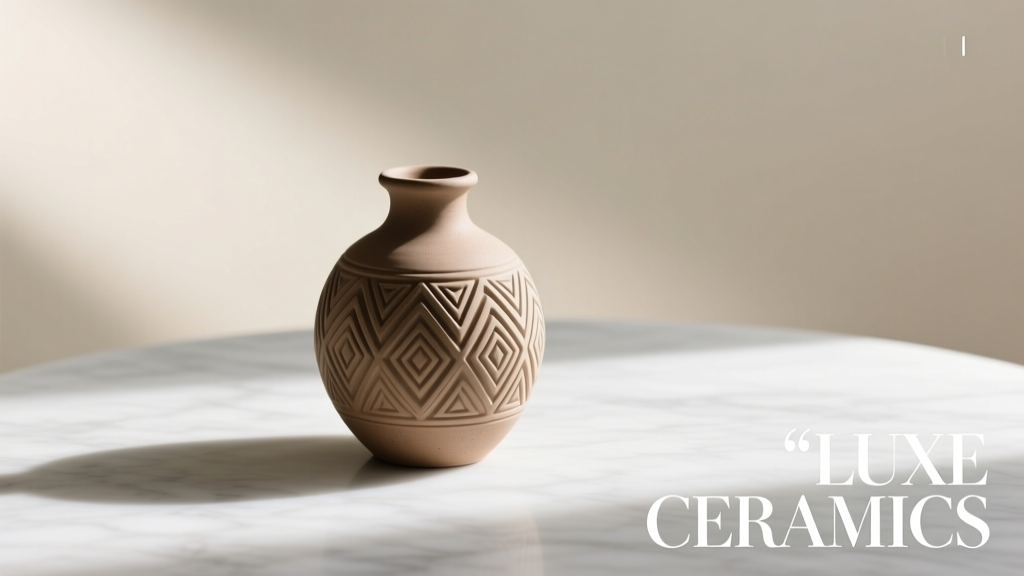
Types of Beveled Round Salad Bowls
A beveled round salad bowl is more than just a serving dish—it's a blend of function and artistry. The beveled edge, characterized by its angled or chamfered rim, adds visual depth, elegance, and a refined touch to the bowl’s design. These bowls are available in a variety of materials, each offering unique benefits in terms of durability, aesthetics, and functionality. Selection often depends on the occasion, desired style, and practical needs such as durability or presentation.
Wood Beveled Round Salad Bowls
Crafted from solid hardwoods like walnut, cherry, or maple, these bowls are often made from a single block or carefully joined staves. Their natural grain patterns and warm tones bring organic elegance to any table.
Advantages
- Warm, natural aesthetic enhances table settings
- Excellent for rustic, farmhouse, or artisanal decor
- Durable with proper care and oiling
- Unique grain patterns make each bowl one-of-a-kind
Limitations
- Not dishwasher safe; requires hand washing
- Porous surface may absorb odors or stains
- Needs regular oiling to prevent drying and cracking
Best for: Formal dinners, holiday gatherings, rustic or natural-themed events
Glass Beveled Round Salad Bowls
Made from tempered or hand-cut glass, these bowls feature a sleek, reflective surface with precision beveled edges. They offer a modern, elegant look and are ideal for showcasing colorful salads.
Advantages
- Transparent design highlights food presentation
- Resistant to stains and odors
- Dishwasher safe and easy to clean
- Can be etched or decorated for personalized style
Limitations
- Can chip or break if dropped
- Heavier than plastic or acrylic alternatives
- May show water spots or fingerprints
Best for: Elegant dinner parties, modern kitchens, buffet-style serving
Chip-Resistant Acrylic Beveled Round Salad Bowls
Lightweight and durable, acrylic bowls mimic the look of glass without the fragility. The beveled edge adds a touch of sophistication, making them suitable even for semi-formal events.
Advantages
- Highly durable and shatterproof
- Perfect for outdoor use, picnics, and children’s events
- Lightweight and easy to carry
- Available in a variety of colors and finishes
Limitations
- Can scratch over time with abrasive cleaning
- May develop a hazy appearance with prolonged use
- Not suitable for hot foods or microwave use
Best for: Outdoor gatherings, casual dining, family-friendly events
Stainless Steel Beveled Round Salad Bowls
These bowls combine industrial strength with refined design. The beveled edge softens the typically utilitarian look of stainless steel, making it suitable for both prep and presentation.
Advantages
- Extremely durable and resistant to dents and corrosion
- Hygienic and non-porous surface
- Ideal for mixing, tossing, and serving
- Easy to clean and dishwasher safe
Limitations
- Can show fingerprints and water spots
- Conductive—may feel cold or transfer heat
- Less visually warm compared to wood or ceramic
Best for: Professional kitchens, buffet lines, modern or industrial-themed settings
Ceramic Beveled Round Salad Bowls
Fired from clay and often glazed, ceramic bowls offer a handcrafted charm. The beveled edge can be glazed in contrasting colors or left matte for a subtle texture, enhancing both visual and tactile appeal.
Advantages
- Beautiful, artistic designs with hand-finished details
- Available in vibrant colors and unique patterns
- Oven, microwave, and dishwasher safe (depending on glaze)
- Excellent heat retention for warm salads or sides
Limitations
- Can chip or crack if dropped
- Heavier than other materials
- Potential for glaze imperfections over time
Best for: Artisanal dining, gift-giving, decorative serving
| Material | Durability | Aesthetic Appeal | Care & Maintenance | Ideal Use Case |
|---|---|---|---|---|
| Wood | High (with care) | Excellent | Moderate (hand wash, oil regularly) | Formal dining, rustic decor |
| Glass | Medium | Excellent | Low (dishwasher safe) | Elegant presentations, modern interiors |
| Acrylic | High | Good | Low (hand or machine wash) | Outdoor events, casual use |
| Stainless Steel | Very High | Good | Low (dishwasher safe) | Kitchen prep, professional use |
| Ceramic | Medium | Excellent | Moderate (check manufacturer guidelines) | Artistic serving, gift occasions |
Expert Tip: When choosing a beveled round salad bowl, consider both the occasion and the food being served. For vibrant, colorful salads, glass or ceramic bowls enhance visual appeal. For durability and outdoor use, opt for acrylic or stainless steel. Wooden bowls are perfect for creating a warm, inviting atmosphere during special meals.
Design of Beveled Round Salad Bowl
Beveled round salad bowls represent a harmonious blend of form and function, combining elegant design with practical usability. These bowls have become a staple in modern kitchens due to their refined aesthetic, ergonomic benefits, and adaptability to various dining settings. Whether used for everyday meals or special gatherings, their thoughtful design enhances both visual appeal and user experience.
Key Design Features of Beveled Round Salad Bowls
Beveled Edges
The defining characteristic of a beveled round salad bowl is its precisely angled rim. This subtle yet sophisticated detail replaces sharp corners with a gently sloped edge, enhancing both tactile comfort and visual elegance. The bevel is typically polished to a smooth finish, making it pleasant to touch and safe to handle during serving.
Available in varying degrees—from a soft 15° chamfer to a more pronounced 45° angle—the beveled edge can be customized to match different design preferences. Beyond aesthetics, this feature improves functionality by reducing surface friction when placing the bowl on tables or countertops, minimizing scratches and protecting delicate surfaces. It also provides a slight grip enhancement, making the bowl easier to lift and carry, especially when filled.
Minimalistic and Modern Aesthetics
Inspired by the "form follows function" philosophy, beveled round salad bowls embrace minimalism with clean lines, uncluttered surfaces, and balanced proportions. This design approach eliminates unnecessary ornamentation, focusing instead on symmetry, harmony, and usability.
The result is a timeless piece that seamlessly integrates into diverse interior styles—from Scandinavian and industrial to contemporary and rustic chic. Its understated elegance makes it equally suitable for casual weeknight dinners and formal dinner parties. Additionally, the streamlined shape facilitates easy stacking and storage, optimizing cabinet space and promoting kitchen organization without sacrificing style.
Versatile Sizing Options
Beveled round salad bowls are available in a wide range of diameters and depths to accommodate different culinary needs. Compact versions (6–8 inches) are ideal for individual servings of side salads, fruit, or snacks, making them perfect for brunches or family-style meals.
Larger models (10–14 inches) offer generous capacity for tossing and presenting main-course salads, pasta dishes, or appetizers for groups. Some premium sets include nested bowls of varying sizes, enabling users to serve multiple dishes simultaneously while maintaining a cohesive look. This scalability ensures that whether you're hosting a dinner party or preparing a quick lunch, there's a perfectly sized beveled bowl to match the occasion.
Color and Finish Variety
Manufacturers offer beveled round salad bowls in an extensive array of materials, each contributing unique visual and textural qualities. Wooden bowls—often crafted from acacia, walnut, or bamboo—feature natural grain patterns and warm tones, adding organic charm to the table. These are typically finished with food-safe oils or sealants to enhance durability and water resistance.
Glass and crystal variants provide transparency and brilliance, allowing the vibrant colors of fresh ingredients to shine through. Tinted options in smoky gray, emerald green, or amber add a touch of sophistication. Ceramic bowls come in matte, glossy, or reactive glaze finishes, with color choices ranging from neutral whites and grays to bold cobalt or terracotta hues. Acrylic versions offer lightweight durability and come in bright, modern colors, ideal for outdoor dining or casual settings.
| Design Feature | Functional Benefit | Style Impact |
|---|---|---|
| Beveled Edge (15°–45°) | Improved grip, reduced surface scratching, safer handling | Softened silhouette, refined elegance, tactile appeal |
| Minimalist Shape | Easy stacking, space-efficient storage, versatile use | Timeless look, complements modern decor, unobtrusive presence |
| Multiple Sizes (6"–14") | Adaptable for individual or group servings, multi-purpose use | Cohesive presentation in sets, scalable elegance |
| Material & Finish Options | Durability, ease of cleaning, temperature resistance | Personalization, mood enhancement, decorative versatility |
Design Considerations for Optimal Use
Note: When selecting a beveled round salad bowl, consider both its intended use and care requirements. High-gloss finishes may show fingerprints, while porous wood needs periodic oiling. Always follow manufacturer guidelines for cleaning and maintenance to preserve the bowl’s beauty and longevity. A well-chosen beveled bowl not only serves food but elevates the entire dining experience.
Scenarios of Beveled Round Salad Bowl
The beveled round salad bowl is more than just a serving dish—it's a versatile piece of tableware designed to enhance both functionality and aesthetics across various dining environments. Its signature beveled edge not only adds visual elegance but also improves grip, prevents spillage, and elevates food presentation. Below are key scenarios where this thoughtfully designed bowl shines, tailored to different materials and user needs.
Elegant Dinner Parties
A ceramic salad bowl with a beveled round design is an excellent choice for formal gatherings and upscale dinner parties. The refined craftsmanship and smooth finish of ceramic convey sophistication, making it ideal for presenting gourmet salads, fresh fruit arrangements, or chilled appetizers.
- Beveled edges catch light beautifully, enhancing visual appeal on a curated table setting
- Heavy base provides stability, reducing the risk of tipping during service
- Heat-resistant properties allow for chilled or room-temperature dishes without thermal shock
- Available in matte, glossy, or hand-glazed finishes to match tableware themes
Design tip: Pair with matching ceramic platters for a cohesive, high-end dining experience.
Casual Family Meals
For everyday use, a wooden salad bowl featuring a beveled edge offers a warm, organic aesthetic that complements modern and traditional kitchens alike. Its ergonomic shape and smooth finish make it easy to handle, especially when passing dishes around the table.
- Natural wood grain adds character and charm to family-style dining
- Beveled rim provides a comfortable grip and prevents ingredients from shifting
- Durable construction withstands frequent washing and long-term use
- Non-reactive surface preserves the flavor of acidic dressings and fresh produce
Care note: Hand wash and occasionally oil the wood to maintain longevity and prevent cracking.
Outdoor Gatherings
When hosting picnics, barbecues, or garden parties, lightweight and shatterproof materials like acrylic or stainless steel are ideal. The beveled round design ensures food stays contained, even during transport or breezy conditions.
- Acrylic bowls are virtually unbreakable and safe for children and outdoor settings
- Stainless steel resists dents, rust, and temperature extremes—perfect for hot or cold dishes
- Beveled edge acts as a barrier against spillage when moving from kitchen to patio
- Easily stackable for compact storage and transport
Pro tip: Choose bowls with a non-slip base for added stability on uneven surfaces.
Chef Presentations in Restaurants
In professional culinary environments, glass or stainless steel beveled round bowls are favored for their clean lines, durability, and hygienic properties. These bowls support precise plating and maintain a polished look in high-volume service.
- Crystal-clear glass showcases layered salads and vibrant ingredients
- Stainless steel offers industrial strength and is dishwasher-safe for commercial use
- Sharp beveled edges create a modern, architectural look on the plate
- Stackable design saves space in storage and simplifies inventory management
Chef’s insight: Use transparent bowls to highlight color contrast in composed salads for visual impact.
Everyday Use in Modern Homes
The beveled round salad bowl has become a staple in contemporary kitchens, blending practicality with minimalist design. As part of the broader “salad bowl doctrine”—a concept emphasizing multi-functional, aesthetically pleasing kitchenware—these bowls serve both utilitarian and decorative purposes.
- Streamlined silhouette fits seamlessly on countertops or open shelves
- Versatile enough for serving snacks, dips, or side dishes beyond salads
- Available in neutral and bold colors to complement interior décor
- Easy to clean and store, supporting efficient kitchen workflows
Lifestyle benefit: Doubles as a decorative object when not in use, enhancing kitchen aesthetics.
Material Comparison Guide
| Material | Best For | Key Benefit | Care Instructions |
|---|---|---|---|
| Ceramic | Formal dining, dinner parties | Elegant appearance, excellent heat retention | Dishwasher safe (check manufacturer) |
| Wood | Family meals, rustic settings | Warm texture, natural beauty | Hand wash only, occasional oiling |
| Acrylic | Outdoor events, kids’ meals | Lightweight, shatterproof | Hand or gentle machine wash |
| Stainless Steel | Commercial kitchens, modern homes | Durable, hygienic, corrosion-resistant | Dishwasher safe, no special treatment |
| Glass | Restaurant service, home entertaining | Transparent, showcases food | Dishwasher safe, avoid thermal shock |
Expert Recommendation: When selecting a beveled round salad bowl, consider the primary use case and material maintenance. For households with children or frequent outdoor use, prioritize durability and safety with acrylic or stainless steel. For formal or decorative purposes, ceramic or glass offers unmatched elegance. Wooden bowls strike a balance between warmth and functionality, making them ideal for daily family meals.
Additional Design & Functional Benefits
- Universal Compatibility: Fits standard serving utensils and is compatible with most kitchen storage systems
- Ergonomic Handling: Beveled rim improves grip, especially when hands are wet or greasy
- Food Safety: Non-porous surfaces (glass, ceramic, stainless steel) resist bacterial growth and staining
- Sustainability: Wood and ceramic options are eco-friendly and biodegradable at end-of-life
- Design Consistency: Matches a wide range of tableware styles—from Scandinavian minimalism to farmhouse chic
Specification & Maintenance of Beveled Round Salad Bowls
Beveled round salad bowls are elegant and functional serving pieces that enhance any dining experience. However, proper care and maintenance are essential to preserve their appearance, structural integrity, and longevity. The cleaning, handling, and storage requirements vary significantly depending on the material. Spills, improper cleaning methods, and exposure to extreme conditions can lead to damage such as warping, chipping, staining, or mold growth. This guide provides detailed care instructions for the most common materials used in beveled salad bowls.
Important Note: Always check the manufacturer’s care label before cleaning or storing your salad bowl. When in doubt, hand washing and air drying are the safest options for preserving delicate finishes and beveled edges.
Material-Specific Care Guidelines
- Wood Beveled Round Salad Bowls
Wooden salad bowls are prized for their natural beauty and warmth but require special attention to prevent drying, cracking, and microbial growth. Never place wooden bowls in a dishwasher, as the high heat and prolonged moisture exposure can cause warping and splitting.
Clean after each use with lukewarm water and a mild, non-abrasive soap using a soft sponge or cloth. Rinse thoroughly and dry immediately with a clean towel—never allow water to pool or soak into the wood. Store in a cool, dry place away from direct sunlight or heat sources.
To maintain the wood’s luster and water resistance, condition it every 4–6 weeks with food-grade mineral oil. Apply a generous coat, let it soak in for several hours or overnight, then wipe off any excess. Avoid using vegetable or cooking oils, as they can turn rancid and damage the wood over time.
- Glass Beveled Round Salad Bowls
Glass bowls are non-porous, easy to clean, and generally dishwasher-safe, making them a popular choice for everyday use. However, the delicate beveled edges are more prone to chipping, especially if subjected to impact or temperature shocks.
If using a dishwasher, place the bowl on the bottom rack to minimize contact with other items and reduce the risk of breakage. Avoid sudden temperature changes—never transfer a cold glass bowl directly to a hot oven or microwave, or vice versa.
For hand washing, use warm soapy water and a soft sponge. Pay special attention to the beveled rim, where food particles can accumulate. Dry with a lint-free cloth to prevent water spots. Store carefully, preferably with a soft cloth between stacked items, to avoid scratches or edge damage.
- Acrylic Beveled Round Salad Bowls
Acrylic (also known as Plexiglass or Lucite) is lightweight and shatter-resistant, ideal for outdoor or casual dining. However, it is highly susceptible to scratches and chemical damage.
Clean only with mild soapy water and a soft, non-abrasive cloth. Never use harsh cleaners, scouring pads, or solvents like acetone, ammonia, or alcohol-based products, as they can cloud or etch the surface. Avoid exposure to high heat, including dishwashers, ovens, and direct sunlight, which can cause warping or discoloration.
When storing, keep acrylic bowls separate from metal or ceramic items to prevent scratches. Use felt pads or soft dividers if stacking. If minor scratches appear, specialized acrylic polishing kits can help restore clarity.
- Stainless Steel Beveled Round Salad Bowls
Stainless steel bowls are durable, hygienic, and resistant to rust and staining, making them excellent for both serving and food prep. Most are dishwasher-safe, but hand washing with mild detergent is recommended to preserve the polished finish and beveled detailing.
Clean immediately after use, especially with acidic foods like citrus, vinegar, or tomatoes, which can leave residue or cause discoloration over time. Use a soft sponge and avoid steel wool or abrasive pads that can create fine scratches.
Dry thoroughly to prevent water spots. For stubborn stains or fingerprints, use a stainless steel cleaner or a vinegar-water solution (1:1 ratio), followed by buffing with a microfiber cloth. Store in a dry area to prevent moisture buildup.
- Ceramic Beveled Round Salad Bowls
Ceramic bowls offer a timeless aesthetic and are typically dishwasher-safe, but they require careful handling due to their fragility. Avoid thermal shock by not exposing them to rapid temperature changes (e.g., moving from refrigerator to oven).
Use gentle, non-abrasive cleaners and avoid bleach or chlorine-based products, which can degrade the glaze and lead to chipping or cracking over time. For hand washing, use a soft sponge and dry immediately with a towel.
Pay attention to colored or hand-painted designs—these may be prone to fading or bleeding if exposed to harsh detergents or stored in contact with other ceramics. Store with padding between pieces to prevent scratching. If the bowl has a metallic trim, avoid dishwashers to prevent tarnishing.
| Material | Dishwasher Safe? | Special Care Tips | Avoid |
|---|---|---|---|
| Wood | No | Hand wash, dry immediately, oil monthly | Dishwashers, soaking, cooking oils |
| Glass | Yes (bottom rack) | Handle beveled edges gently, avoid thermal shock | Top rack, sudden temperature changes |
| Acrylic | No | Use soft cloths, store separately | Harsh chemicals, heat, abrasives |
| Stainless Steel | Yes | Clean after acidic foods, dry thoroughly | Steel wool, prolonged moisture |
| Ceramic | Usually yes | Check glaze integrity, pad when storing | Bleach, thermal shock, stacking without protection |
Pro Tip: To extend the life of any beveled salad bowl, designate specific utensils for serving (preferably wood, silicone, or plastic) to prevent scratching the interior surface and damaging the delicate beveled edge.
General Maintenance Recommendations
- Always inspect your bowl for cracks, chips, or signs of wear before each use
- Clean immediately after serving acidic or strongly pigmented foods (e.g., beets, tomatoes, citrus)
- Store in a dry, temperature-controlled environment away from direct sunlight
- Use soft liners or cloth dividers when stacking or storing multiple bowls
- Rotate usage among multiple bowls to reduce wear on a single piece
- Consider using a bowl cover or cloche to protect from dust when not in use
By following these material-specific care instructions, your beveled round salad bowl will remain a beautiful and functional centerpiece for years to come. Proper maintenance not only preserves aesthetics but also ensures food safety and structural durability. When cared for correctly, these bowls can become cherished heirlooms passed down through generations.
Salad Bowl Selection & Care: Frequently Asked Questions
Q1: How does one size a salad bowl to suit one's needs?Choosing the right salad bowl size involves balancing practicality, portion needs, and table aesthetics. A well-sized bowl should comfortably hold the amount of salad typically served without overcrowding or appearing too large on the dining table.
- For individuals or couples: A bowl with a 6–8 inch diameter (1.5–2 quarts) is usually sufficient for daily use.
- For families or entertaining: Opt for 10–12 inch bowls (3–5 quarts) to serve 4–6 people comfortably.
- Buffet or serving purposes: Larger bowls (5+ quarts) with wide openings make tossing and serving easier.
- Proportion to table: The bowl should occupy no more than one-third of the table space to maintain visual balance.
Consider the depth as well—deeper bowls help prevent greens and dressing from spilling during mixing, while shallow bowls work well for plated presentation.
Q2: What materials are most salad bowls made of?Salad bowls are crafted from a variety of materials, each offering distinct advantages in durability, style, and functionality. The most common include:
| Material | Pros | Cons | Best For |
|---|---|---|---|
| Wood | Warm, natural aesthetic; gentle on ingredients; excellent grip | Requires hand-washing; not dishwasher-safe; needs oiling | Traditional settings, rustic decor, frequent home use |
| Stainless Steel | Durable, non-reactive, easy to clean, modern look | Can dent, may not retain cold well, less visually warm | Outdoor dining, commercial kitchens, modern tables |
| Glass | Transparent (great for presentation), microwave-safe, non-porous | Heavy, fragile, can chip or break | Serving salads at gatherings, layered dishes |
| Ceramic | Stylish, wide range of colors and finishes, retains temperature | Can crack if dropped, may contain lead in glaze (check safety) | Everyday meals, decorative tables, gift options |
| Plastic/Acrylic | Lightweight, shatterproof, affordable, kid-friendly | Can stain, may retain odors, less eco-friendly | Casual dining, picnics, outdoor events |
When selecting a material, consider your lifestyle, cleaning habits, and intended use to find the best balance between beauty and practicality.
Q3: Are salad bowls microwave-safe?Not all salad bowls are microwave-safe, and using the wrong type can lead to cracking, warping, or even safety hazards. Here’s a breakdown by material:
- Stainless Steel: Never microwave-safe—metal causes sparks and can damage the microwave.
- Glass: Most tempered or borosilicate glass bowls are microwave-safe, but avoid those with metallic trim or cracks.
- Ceramic: Many are microwave-safe, but check for labels; bowls with metallic paint or glaze can spark.
- Plastic/Acrylic: Only use if explicitly labeled "microwave-safe"; otherwise, they may melt or leach chemicals.
- Wood: Not microwave-safe—exposure to heat can dry, crack, or warp the wood.
Tip: When in doubt, transfer salad or ingredients to a known microwave-safe container before heating. Never microwave a bowl without verifying its safety.
Q4: What is the advantage of a beveled edge on a salad bowl?A beveled edge—where the rim of the bowl is slightly angled or chamfered—offers both functional and aesthetic benefits:
- Improved Grip: The angled edge provides a more comfortable and secure hold, reducing the chance of slipping when tossing or serving.
- Spill Prevention: The design helps guide ingredients inward, minimizing the risk of greens or dressing spilling over during mixing.
- Elegant Appearance: Beveled edges add a refined, handcrafted look that enhances the bowl’s visual appeal on the table.
- Ease of Use: Makes it easier to slide serving utensils in and out, especially with wooden or heavy spoons.
- Durability: Reduces chipping on ceramic or glass rims by distributing impact stress more evenly.
This subtle design feature is especially valuable in serving bowls used for tossing salads, where both control and presentation matter.
Q5: Why is it essential to care for a wooden salad bowl properly?Wooden salad bowls are prized for their beauty and durability, but they require proper care to maintain their integrity and food safety. Without it, the wood can degrade over time.
- Moisture Protection: Wood is porous and can absorb liquids, leading to warping, swelling, or bacterial growth if left wet.
- Preventing Cracks: Dry wood is prone to splitting, especially when exposed to heat or sudden temperature changes.
- Preserving Finish: Regular oiling with food-safe mineral oil or beeswax conditioner keeps the surface smooth and lustrous.
- Odor & Stain Resistance: Proper maintenance helps prevent the absorption of strong-smelling ingredients like onions, garlic, or vinegar.
- Longevity: Well-maintained wooden bowls can last decades and even become family heirlooms.
Care Tips: Hand-wash with mild soap and dry immediately. Avoid soaking or dishwashers. Re-oil every few months or when the wood looks dry. Store in a cool, dry place away from direct sunlight.









