Rabbits are intelligent, curious animals that thrive on mental stimulation and physical activity. Without proper entertainment, they can become bored, stressed, or develop destructive habits like chewing furniture or over-grooming. While commercial rabbit toys are available, they aren’t necessary for a happy bunny. In fact, some of the most effective forms of enrichment come from everyday household items and simple environmental changes. With a bit of creativity and understanding of natural rabbit behavior, you can provide endless fun and stimulation—without spending a dime.
Understanding Rabbit Behavior and Enrichment Needs
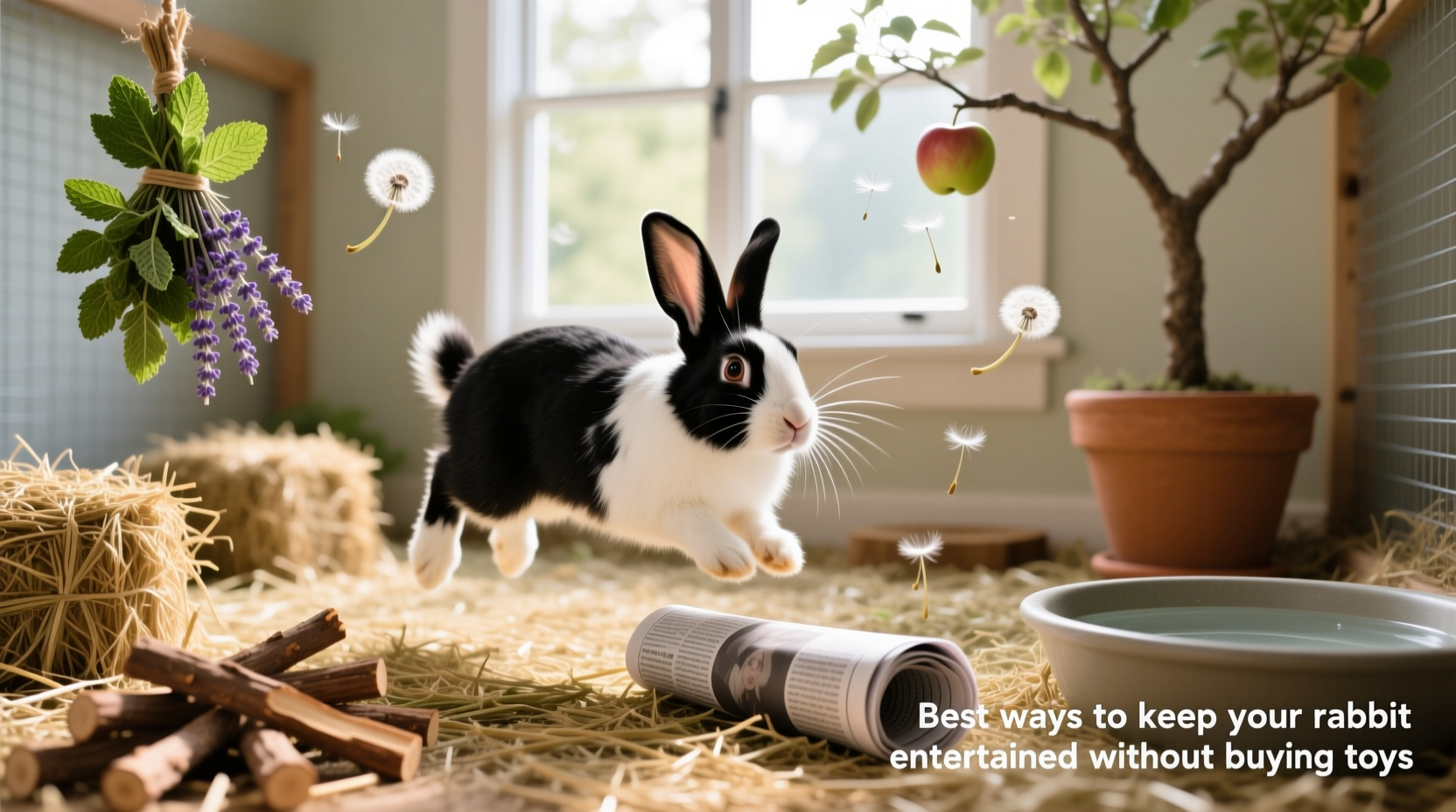
Rabbits in the wild spend much of their time foraging, digging, exploring tunnels, and staying alert for predators. Captive rabbits retain these instincts, and when unmet, behavioral issues often arise. Enrichment isn’t just about keeping them busy—it’s about allowing them to express natural behaviors in a safe environment.
Mental stimulation is as important as physical exercise. A rabbit that has opportunities to problem-solve, explore, and interact with its surroundings is less likely to suffer from anxiety or obesity. The key is variety: rotating activities and changing setups regularly keeps their environment novel and engaging.
“Rabbits don’t need expensive toys—they need opportunities to behave like rabbits.” — Dr. Lauren Harris, Exotic Animal VeterinarianTip: Observe your rabbit’s preferences. Some love chewing, others enjoy pushing objects or digging. Tailor activities to their personality.
Creative DIY Toys from Household Items
You likely already have materials at home that can double as excellent rabbit entertainment. The safest options are non-toxic, sturdy, and free of small parts or sharp edges.
- Toilet paper or paper towel tubes: Flatten one end slightly, stuff with hay or herbs like parsley, and let your rabbit unravel the treat. You can also link multiple tubes together with twine (safe, untreated cotton) to create a puzzle chain.
- Cardboard boxes: Cut holes of various sizes into shoeboxes or larger moving boxes. Fill with shredded paper or hay for digging. Stack boxes to make a mini maze or hide treats inside to encourage exploration.
- Newspaper or office paper: Shred and scatter it across the floor for digging. Rabbits love tossing paper aside with their paws. Avoid glossy pages or ink-heavy sections.
- Oatmeal or coffee cans (labels removed): Place a few pellets inside and let your rabbit bat it around to hear the rattle and earn rewards.
- Untreated wicker baskets: These provide great chewing opportunities and can be stuffed with hay or used as hiding spots.
Step-by-Step: Build a Foraging Tube Maze
- Gather 5–7 empty toilet paper rolls.
- Flatten one end of each roll slightly to close it off.
- Fill each tube with timothy hay and a few dried herbs or safe leafy bits (like crushed mint).
- Link the tubes together by threading untreated cotton string through them.
- Hang the chain loosely over a shelf edge or lay it on the floor.
- Let your rabbit tug, chew, and extract the contents.
This simple project encourages natural foraging and provides hours of engagement. Replace every few days or when soiled.
Environmental Enrichment: Transform Their Space
The layout of your rabbit’s living area plays a huge role in their mental health. A static cage or pen becomes boring quickly. Instead, think like a landscape designer—create zones that invite movement, discovery, and rest.
Build Tunnels and Hideaways
Rabbits feel safest in enclosed spaces. Use cardboard boxes with multiple entry points or PVC pipes (clean, wide-diameter, no sharp edges) to create tunnel systems. Arrange them in zigzags or circles to encourage running and exploration.
Place hideouts under tables or between furniture if your rabbit has free roam. Drape towels over chairs to make cozy covered areas. Just ensure there’s always an escape route in case they feel startled.
Elevated Platforms and Climbing Areas
While not natural climbers like cats, many rabbits enjoy hopping onto low platforms. Use sturdy wooden boards (untreated), old phone books wrapped in fabric, or dense foam blocks. Ensure surfaces are non-slip and no higher than 12 inches to prevent injury.
Tip: Rotate platform locations weekly to renew interest and encourage spatial learning.Foraging Zones
Hide food in unexpected places to mimic natural grazing patterns. Scatter hay in corners, tuck pellets under mats, or place leafy greens beneath upside-down cardboard boxes. This turns mealtime into a game and slows down fast eaters.
| Enrichment Type | DIY Option | Frequency |
|---|---|---|
| Tunnels | Cardboard boxes with cut entrances | Rotate weekly |
| Chewables | Wicker baskets, willow sticks | Replace when worn |
| Foraging | Stuffed paper rolls, hidden greens | Daily |
| Climbing | Low wooden platforms | Change position bi-weekly |
| Digging | Paper-filled box or soil-safe container | Available at all times |
Interactive Play and Bonding Activities
One of the most overlooked sources of entertainment is interaction—with you. Rabbits form strong bonds and enjoy attention, especially when it involves play.
- Chase games: Roll a crumpled paper ball or a small cardboard disc across the floor and let your rabbit chase it. They may even bring it back!
- Target training: Use a chopstick or stick with a colored tip. Hold it near your rabbit and reward with a treat when they touch it with their nose. Gradually move it to teach direction-following.
- Obstacle courses: Set up a simple course using tunnels, low hurdles (like stacked books), and platforms. Guide your rabbit through with treats and praise.
Bonding doesn’t require fancy tools. Simply sitting on the floor and letting your rabbit approach you on their terms builds trust. Gently petting, talking softly, or offering a hand to sniff can be deeply enriching.
Mini Case Study: Luna the Curious Lop
Luna, a 3-year-old Holland Lop, lived in a standard rabbit enclosure with a plastic igloo and chew stick. Her owner noticed she was chewing the cage bars and seemed lethargic. After consulting a vet, boredom was identified as the cause.
The owner began repurposing household items: a cardboard box became a dig pit filled with shredded paper, toilet paper rolls were stuffed with hay, and a low wooden board created a “hill” to hop onto. They also started daily 15-minute play sessions with a rolled-up sock as a chase toy.
Within two weeks, bar-chewing stopped. Luna spent more time exploring and less time sleeping. Her owner reported increased confidence and curiosity—she even began nudging the sock back after chasing it, mimicking a retrieve behavior.
No new toys were purchased. The change came from reimagining existing resources and prioritizing behavioral needs over convenience.
Safety Guidelines and What to Avoid
While household items offer great potential, safety must come first. Rabbits are sensitive to toxins, sharp edges, and choking hazards.
| Do | Don't |
|---|---|
| Use untreated cardboard, paper, or wood | Use plastic bags or cling wrap (choking risk) |
| Supervise play with new items | Leave rubber bands, string, or yarn unattended |
| Provide fresh water and hay alongside play | Use painted or varnished wood |
| Introduce one item at a time | Allow access to electrical cords (even if covered) |
| Wash reusable items weekly | Use scented paper or glossy magazines |
Always inspect DIY toys daily for wear. Discard anything with loose fibers, splinters, or signs of contamination. If your rabbit tends to swallow large pieces of paper or cardboard, limit those items and focus on tethered or larger structures they can’t ingest.
FAQ
Can I use toilet paper rolls if my rabbit eats them?
Yes, plain cardboard is non-toxic and generally safe in small amounts. However, excessive ingestion can cause blockages. Monitor your rabbit closely. If they’re eating large quantities, limit access and provide more chew alternatives like willow sticks.
How often should I rotate toys and activities?
Aim to change or rearrange enrichment every 3–5 days. Rabbits adapt quickly, and novelty is key to sustained interest. Even shifting a cardboard box to a new corner can reignite curiosity.
Are paper bags safe for rabbits to play with?
Plain brown paper bags (without handles or printing) can be safe for short supervised play. Many rabbits enjoy crawling inside or crinkling the material. Remove immediately if torn into small strips or if the rabbit starts ingesting pieces.
Checklist: No-Cost Rabbit Entertainment Plan
- ✅ Assess your rabbit’s current environment for monotony
- ✅ Gather safe household items: cardboard, paper, untreated wood
- ✅ Create at least one DIY toy (e.g., stuffed toilet roll or dig box)
- ✅ Rearrange their space to include tunnels, hides, and platforms
- ✅ Introduce foraging by hiding food in new spots daily
- ✅ Schedule 10–15 minutes of interactive play each day
- ✅ Rotate or refresh enrichment items every 3–5 days
- ✅ Monitor for signs of stress or over-ingestion
Conclusion
Keeping your rabbit entertained doesn’t require a shopping trip. The most meaningful enrichment comes from understanding their instincts and using creativity to meet their needs. From cardboard mazes to foraging games and quiet bonding moments, everyday solutions can transform your rabbit’s quality of life. The goal isn’t constant novelty—but consistent opportunity to behave like a rabbit.
🚀 Start today: Look around your home and pick one item to turn into a toy. Watch your rabbit’s eyes light up as they explore, dig, chew, and play—all without a price tag.








