
Fleas are more than just a nuisance—they’re a persistent threat to both pet health and household comfort. These tiny parasites reproduce rapidly, survive in hidden areas, and can trigger allergic reactions, skin infections, and even transmit diseases. Eliminating them requires a comprehensive strategy that targets every stage of their life cycle: eggs, larvae, pupae, and adult fleas. Relying on a single method rarely works. The most effective approach combines pet treatments, environmental control, and preventive maintenance. This guide outlines science-backed methods, expert-recommended products, and real-world strategies to help you reclaim your home and keep your pets flea-free.
Understanding the Flea Life Cycle
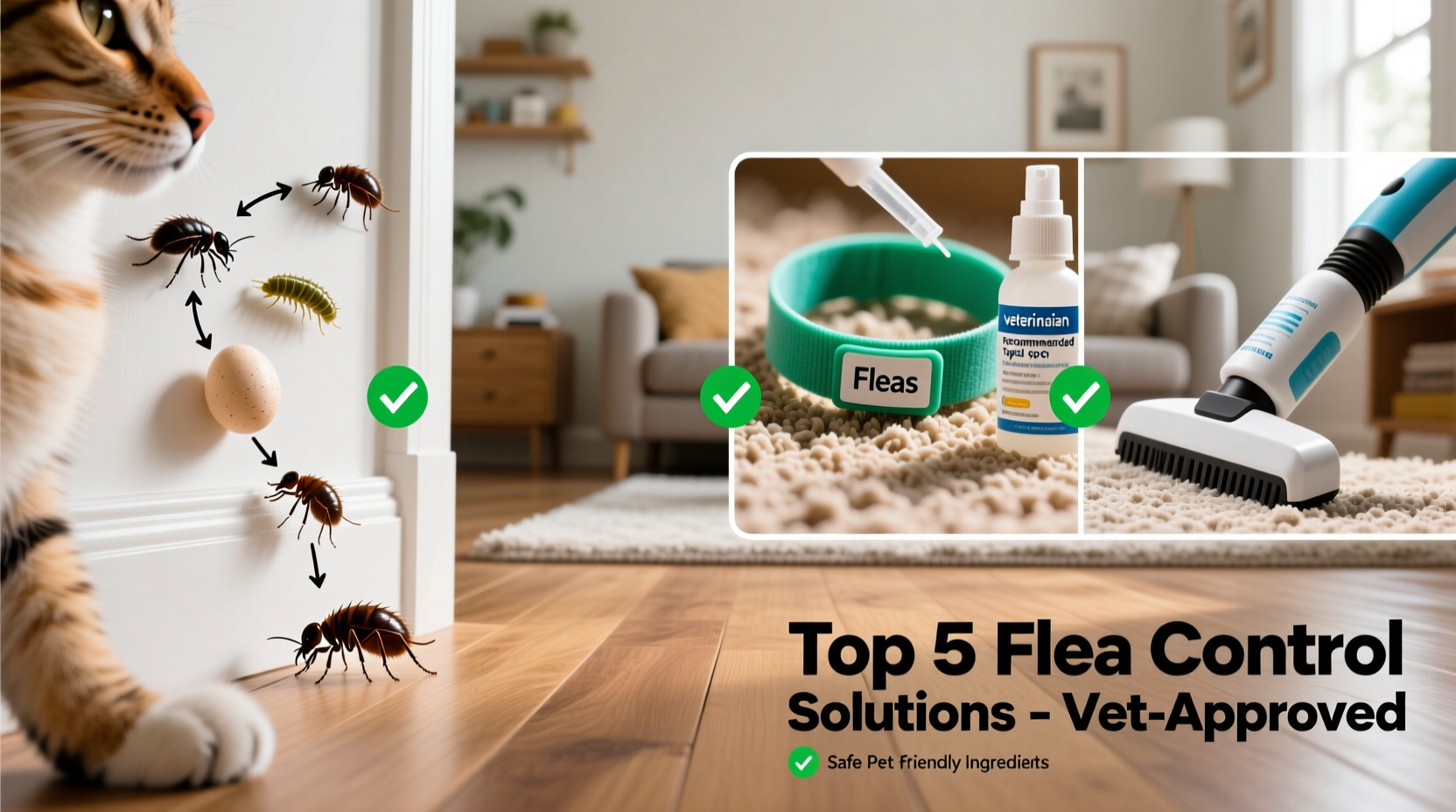
To defeat fleas, you must understand how they live and multiply. A single adult female flea can lay up to 50 eggs per day, which fall off your pet into carpets, furniture, and floor cracks. These eggs hatch into larvae within 1–10 days, feeding on organic debris and dried blood. After several molts, larvae spin cocoons and enter the pupal stage, where they can remain dormant for months, resistant to most treatments. Adults emerge when they sense heat, carbon dioxide, or vibrations—typically when a host is nearby.
This life cycle spans as little as two weeks or stretches to several months depending on temperature and humidity. Because only about 5% of the total flea population exists as adults on pets, treating the animal alone addresses less than a tenth of the problem. Effective flea control demands action on multiple fronts.
“Treating only the pet is like mopping the floor while the faucet runs. You have to shut off the source—the environment.” — Dr. Karen Becker, Integrative Veterinarian
Top Pest Control Solutions for Pets
The first line of defense is protecting your pet with reliable, vet-approved treatments. Options vary by species, age, and lifestyle, so always consult your veterinarian before starting any new product.
- Topical Treatments: Applied monthly to the skin between the shoulder blades, these liquids (such as Frontline Plus or Advantage II) kill adult fleas and prevent egg development. They are effective but may not be suitable for households with young children or other pets that groom excessively.
- Oral Medications: Chewable tablets like NexGard or Comfortis begin killing fleas within 30 minutes and offer full protection for 30 days. These are ideal for pets prone to swimming or bathing, as water doesn’t reduce efficacy.
- Flea Collars: Modern collars like Seresto release active ingredients slowly over eight months, repelling and killing fleas. They are convenient but should be used cautiously in multi-pet households to avoid transfer through contact.
- Flea Combs: While not a standalone solution, fine-toothed combs help detect infestations early and remove adult fleas during grooming sessions. Dip the comb in soapy water after each pass to drown captured fleas.
Effective Home Flea Elimination Strategies
Even the best pet treatment will fail if your home remains infested. Fleas thrive in warm, dark spaces: under furniture, along baseboards, in bedding, and deep within carpet fibers. A systematic indoor approach is essential.
Step-by-Step Guide to Cleaning Your Home
- Vacuum Daily: Focus on pet bedding, couches, rugs, and crevices. Vacuuming removes up to 90% of flea eggs and larvae. Immediately dispose of the vacuum bag or empty the canister into a sealed plastic bag to prevent re-infestation.
- Wash Bedding Weekly: Use hot water (at least 130°F) and dry on high heat to kill all life stages. Include pet beds, blankets, and any fabric your pet contacts.
- Use Insect Growth Regulators (IGRs): Products like methoprene or pyriproxyfen disrupt flea development by mimicking hormones that prevent larvae from maturing. Spray IGRs in baseboards, under furniture, and in pet resting areas.
- Apply Residual Insecticides: Choose EPA-registered sprays containing active ingredients like imidacloprid or fipronil. Target high-risk zones and follow label instructions carefully. Allow treated areas to dry completely before allowing pets or people back in.
- Consider Steam Cleaning: High-temperature steam kills fleas at all life stages, especially in carpets and upholstery. It’s chemical-free and highly effective when done thoroughly.
Do’s and Don’ts of Home Treatment
| Do’s | Don’ts |
|---|---|
| Use pet-safe insecticides labeled for indoor use | Use outdoor-only pesticides indoors |
| Vacuum before and after applying sprays | Leave food or water bowls uncovered during treatment |
| Keep pets out of treated areas until dry | Mix different chemicals without professional advice |
| Repeat treatment in 7–10 days to catch newly hatched fleas | Assume one treatment is enough |
Comparing Professional vs. DIY Pest Control
While many homeowners successfully manage flea infestations independently, severe cases often require professional intervention. Understanding the trade-offs helps determine the best path forward.
Tip: If fleas persist after two weeks of consistent treatment, consider hiring a licensed exterminator.When to Call a Professional
Signs include recurring bites on humans, visible flea dirt despite treatment, or widespread infestation across multiple rooms. Pest control companies use industrial-grade foggers, premise sprays, and whole-structure heat treatments that penetrate deep into walls and flooring—areas inaccessible to consumer products.
Most professionals also offer follow-up visits and guarantees, ensuring long-term results. Costs typically range from $150 to $400 depending on home size and severity. Though more expensive upfront, professional service often saves time, reduces stress, and prevents prolonged exposure to biting pests.
Real Example: The Thompson Family Infestation
The Thompsons adopted a rescue dog in spring. Within weeks, their two children developed itchy red bites, and their cat began scratching obsessively. Over-the-counter flea shampoo failed. After consulting their vet, they learned the issue wasn’t the pets—it was the house. They started daily vacuuming, washed all linens, applied an IGR spray, and treated both animals with oral medication. Two weeks later, no new fleas appeared. They credit success to consistency and treating both pet and environment simultaneously.
Frequently Asked Questions
Can fleas live on humans?
Fleas prefer animal hosts but will bite humans if necessary. Cat and dog fleas (Ctenocephalides felis) are the most common culprits. While they don’t live in human hair, they can cause itchy welts, especially around ankles and lower legs.
How long does it take to get rid of fleas completely?
A complete elimination process usually takes 3–8 weeks due to the resilience of flea pupae. Continuous treatment for at least one full life cycle (minimum 30 days) is critical to break the reproduction chain.
Are natural remedies like diatomaceous earth effective?
Food-grade diatomaceous earth (DE) can dehydrate and kill adult fleas and larvae when applied to carpets and baseboards. However, it’s less effective against pupae and must remain dry to work. Use it as a supplement—not a replacement—for proven medical and chemical treatments.
Final Checklist for Total Flea Eradication
- Treat all pets with vet-approved flea prevention
- Vacuum every room daily for at least two weeks
- Wash all pet bedding and human linens in hot water weekly
- Apply an IGR and residual insecticide to high-risk areas
- Schedule a second treatment 7–10 days after the first
- Monitor pets and home for signs of reinfestation
- Contact a pest control professional if fleas persist beyond three weeks
Take Action Today
Fleas won’t disappear on their own. Every day of delay allows hundreds more eggs to hatch and spread. By combining fast-acting pet treatments with thorough environmental cleanup, you can stop the cycle and restore peace to your home. Start now—treat your pets, clean aggressively, and stay consistent. With the right tools and persistence, a flea-free life is not only possible but sustainable.
💬 Have a flea battle story or tip that worked for you? Share your experience in the comments and help others win the war against pests!








