
Dog owners often overlook dental hygiene until problems arise—bad breath, yellow tartar, or even tooth loss. Yet, poor oral health can lead to serious systemic issues like heart, liver, and kidney disease. The good news? Most canine dental problems are preventable with consistent care. The best way to clean a dog’s teeth combines daily brushing, proper tools, and supportive products designed specifically for pets. This guide breaks down proven techniques, top-rated tools, and practical steps any pet owner can follow to ensure their dog enjoys fresh breath and lasting dental health.
Why Dental Care Matters for Dogs
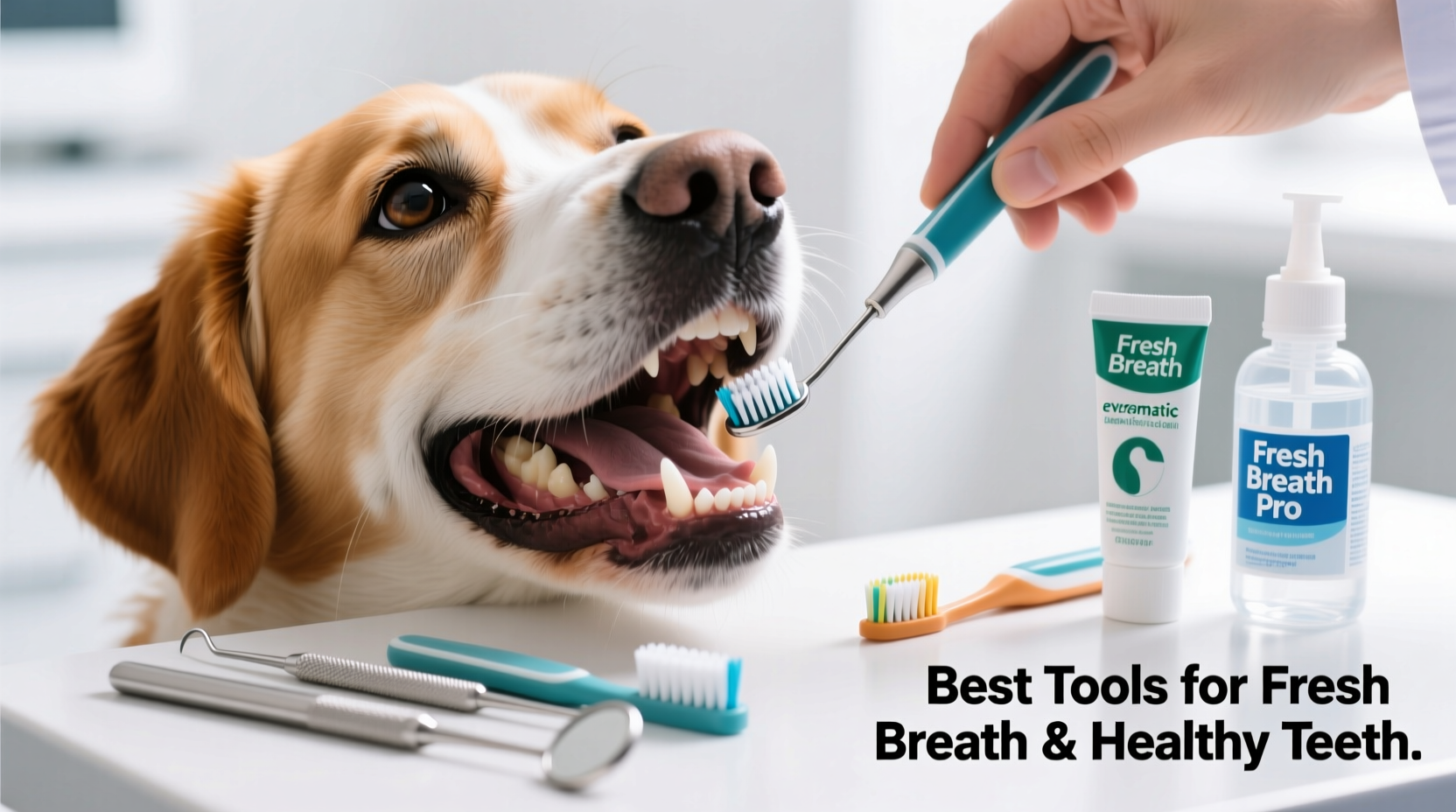
Over 80% of dogs over the age of three show signs of periodontal disease, according to the American Veterinary Dental College. Plaque builds up quickly on a dog’s teeth, hardening into tartar within days. Once tartar forms, it can only be removed by a professional cleaning under anesthesia. But prevention is far safer and more cost-effective.
Beyond aesthetics, healthy teeth support overall well-being. Bacteria from inflamed gums can enter the bloodstream, potentially damaging vital organs. Regular dental maintenance isn’t just about avoiding vet bills—it’s about giving your dog a longer, healthier life.
“Oral health is not optional in veterinary medicine. It directly impacts longevity and quality of life.” — Dr. Laura Greenspan, DVM, Board-Certified Veterinary Dentist
Step-by-Step Guide to Brushing Your Dog’s Teeth
Brushing remains the gold standard for at-home dog dental care. While it may seem challenging at first, most dogs adapt well with patience and positive reinforcement. Follow this timeline to build a successful routine:
- Day 1–3: Introduce the Tools
Let your dog sniff the toothbrush and taste pet-safe toothpaste. Apply a small amount of paste to your finger and let them lick it off. Never use human toothpaste—it contains ingredients like fluoride and xylitol that are toxic to dogs. - Day 4–7: Touch Training
Gently lift your dog’s lips and touch their teeth and gums with your finger for a few seconds. Reward immediately. Gradually increase duration. - Week 2: Introduce the Brush
Use a soft-bristled pet toothbrush or finger brush. Start with just a few front teeth. Focus on the outer surfaces where plaque accumulates fastest. - Week 3 Onward: Full Routine
Aim for 30 seconds per side, twice daily. Concentrate on the gumline at a 45-degree angle. Most dogs tolerate this well when treats or praise follow.
Top Tools for Effective At-Home Dental Care
Not all dental products are created equal. The right tools make the process easier and more effective. Here’s a breakdown of the best options available:
| Tool | Best For | Pros | Cons |
|---|---|---|---|
| Pet Toothbrush (angled handle) | Medium to large dogs | Reaches molars easily; durable bristles | May be too large for small breeds |
| Finger Brush | Small dogs or beginners | Feels familiar; easy control | Less effective on back teeth |
| Enzymatic Toothpaste (poultry flavor) | All dogs | Breaks down plaque; safe if swallowed | Must be used consistently |
| Dental Wipes | Resistant dogs or travel | No training needed; convenient | Less thorough than brushing |
| Water Additives | Supplemental care | Easy to use; reduces bacteria | Doesn't remove plaque physically |
Look for products approved by the Veterinary Oral Health Council (VOHC). These have been clinically tested to reduce plaque and tartar. Brands like Virbac C.E.T., Petlab Co., and TropiClean earn high marks for efficacy and safety.
Comprehensive Dental Care Checklist
To maintain optimal oral health, integrate these actions into your routine:
- ✔️ Brush teeth daily using enzymatic pet toothpaste
- ✔️ Use VOHC-approved dental chews 3–4 times per week
- ✔️ Provide chew toys made of rubber or rope to encourage natural cleaning
- ✔️ Add water additive to drinking water every other day
- ✔️ Schedule annual veterinary dental exams
- ✔️ Watch for warning signs: drooling, chewing on one side, red gums, loose teeth
Real Example: How Max Went from Bad Breath to Bright Smile
Max, a 5-year-old Cavalier King Charles Spaniel, had persistent bad breath and visible tartar on his premolars. His owner, Sarah, avoided brushing because Max would snap and turn away. After consulting her vet, she started slow: introducing chicken-flavored toothpaste and using a finger brush for just five seconds a day. Within two weeks, Max allowed full brushing sessions. She combined this with daily Greenies dental chews and a weekly water additive. Six months later, Max’s next vet check revealed minimal tartar buildup and significantly improved gum health. His breath was noticeably fresher, and he chewed with renewed enthusiasm.
This case illustrates that consistency—not perfection—drives results. Even short, frequent efforts compound over time.
Common Myths and Mistakes to Avoid
Misinformation can undermine even well-intentioned care. Be aware of these common pitfalls:
- Myth: Dry food cleans teeth.
Reality: Most kibble crumbles without scrubbing the tooth surface. Some prescription dental diets do help, but they’re not a substitute for brushing. - Myth: Bones clean teeth safely.
Reality: Hard bones can fracture teeth or splinter, causing internal injury. Opt for flexible rubber toys instead. - Mistake: Skipping vet checkups.
Even diligent home care can’t replace professional evaluation. Annual cleanings catch hidden issues below the gumline.
FAQ: Your Top Dental Care Questions Answered
How often should I brush my dog’s teeth?
For maximum benefit, brush daily. However, brushing three to four times per week still provides significant protection against plaque buildup. Frequency matters more than duration—short, regular sessions beat infrequent long ones.
Are dental chews as effective as brushing?
No single chew replaces brushing, but VOHC-approved chews like Greenies, Whimzees, or Purina DentaLife can reduce tartar by up to 70% when used consistently. Think of them as supplements, not substitutes.
Can I use baking soda to clean my dog’s teeth?
Avoid baking soda. While mildly abrasive, it has a high pH that can irritate the stomach if swallowed and doesn’t contain enzymes needed to break down plaque biofilm. Stick to veterinary-formulated pastes.
Conclusion: A Healthy Mouth Means a Healthier Dog
Cleaning your dog’s teeth doesn’t require expensive gadgets or hours of effort. The best approach combines simple daily brushing with smart tools and regular veterinary oversight. Fresh breath is just the beginning—what you’re really protecting is your dog’s long-term vitality. Start today, even if it’s just one tooth. Small habits create big changes over time.
🚀 Take action now: Pick up a pet toothbrush and enzymatic paste tonight. Begin the first step of touch training tomorrow. Your dog’s smile—and health—will thank you for years to come.








