As dogs age, their physical capabilities change. Senior dogs often slow down, sleep more, and show less interest in high-energy play. But just because a dog has retired from fetch doesn’t mean they’ve lost their capacity for joy. In fact, mental stimulation, gentle interaction, and sensory engagement become even more important as dogs enter their golden years. The right toys can spark curiosity, reduce anxiety, and strengthen the bond between pet and owner—all without requiring a sprint around the yard.
The key is choosing toys that match a senior dog’s evolving needs: soft textures, easy-to-manipulate designs, scent-based challenges, and calming features. These aren’t just distractions—they’re tools for emotional well-being and cognitive health. Whether your dog has arthritis, reduced vision, or simply prefers napping over zoomies, there are thoughtful, joyful options available.
Why Play Still Matters in the Golden Years
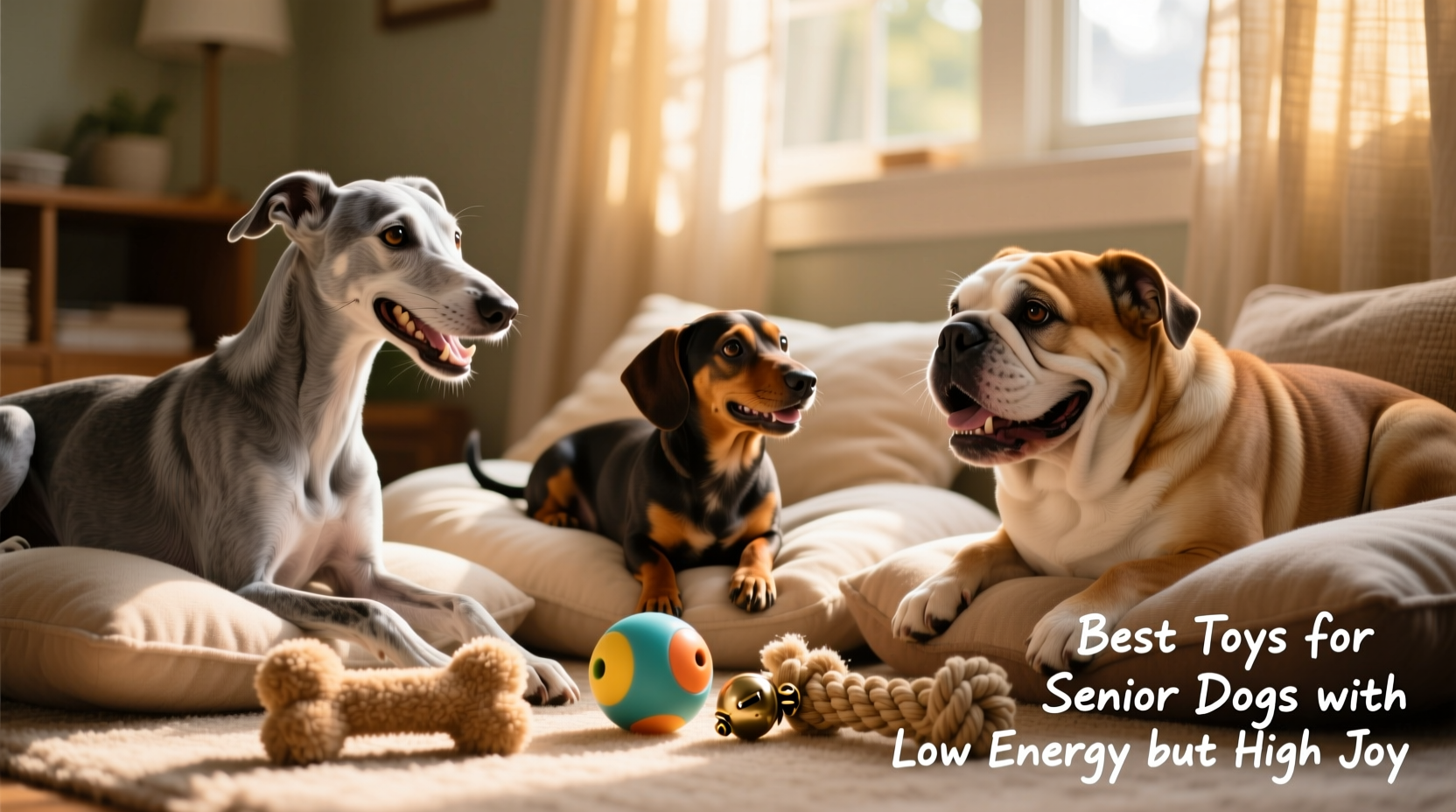
Many owners assume that once a dog slows down, playtime becomes irrelevant. This couldn’t be further from the truth. Cognitive decline, boredom, and loneliness are real risks for older dogs, especially those with limited mobility. Regular mental engagement helps preserve memory, delay confusion, and maintain a sense of purpose.
Studies have shown that enrichment activities—including toy interaction—can improve mood and reduce signs of canine cognitive dysfunction (similar to dementia in humans). Dr. Karen Overall, a leading veterinary behaviorist, emphasizes:
“Aging dogs need cognitive exercise just as much as physical exercise. Even small interactions with novel objects can make a significant difference in their quality of life.”
Moreover, play strengthens the human-animal bond. A simple game of “find the treat” or a quiet chew session on the couch reinforces trust, comfort, and companionship—emotional anchors during a time when routines may shift due to health or lifestyle changes.
Gentle Toys That Spark Joy Without Exhaustion
The best toys for low-energy senior dogs prioritize safety, accessibility, and sensory appeal. They don’t require jumping, chasing, or aggressive chewing. Instead, they invite sniffing, licking, nudging, and light manipulation. Here are several categories of effective, joy-inducing toys:
- Puzzle feeders with minimal difficulty: Low-challenge food puzzles encourage problem-solving without frustration. Look for models where treats are easily accessed with a nudge or paw swipe.
- Soft plush toys with crinkle sounds: Lightweight, machine-washable plush animals or shapes with internal crinkle material provide auditory stimulation and cozy cuddling.
- Scent-based games: Hiding treats under cups or in shallow boxes taps into a dog’s natural tracking instincts—no running required.
- Lick mats and slow-feed pads: Spread peanut butter, wet food, or mashed banana on textured silicone mats. Licking is inherently calming and promotes relaxation.
- Chew-safe rubber toys: Soft rubber bones or hollow toys filled with soft treats offer oral satisfaction without stressing aging teeth or jaws.
Top 5 Toy Types for Senior Dogs: Features & Benefits
| Toys Type | Key Features | Best For | Avoid If |
|---|---|---|---|
| Interactive Food Puzzles (Level 1–2) | Sliding trays, flip lids, no complex mechanics | Dogs with mild cognitive slowing | Dog shows signs of frustration or gives up quickly |
| Ultra-Soft Plush Toys | No plastic eyes, sewn-on parts; crinkly fabric inside | Companionship seekers, dogs who like to carry things | Aggressive chewers or dogs prone to swallowing stuffing |
| Lick Mats / Snuffle Pads | Food-grade silicone with raised textures | Anxious dogs, those needing calming activities | Allergic to certain foods used as spreadables |
| Hollow Rubber Toys (Soft Flex) | Flexible rubber, wide openings for soft filling | Dogs who enjoy chewing gently | Missing molars or diagnosed dental disease |
| Scent Trails & Hide-and-Seek Games | Uses treats or favorite toys hidden nearby | Dogs with good smell but limited mobility | Severe hearing or vision loss without compensatory training |
This table highlights how functionality should align with individual ability. The goal isn’t challenge for its own sake—it’s meaningful engagement tailored to the dog’s current state.
Step-by-Step: Introducing New Toys to a Senior Dog
Older dogs can be cautious about new items. Sudden changes may cause stress rather than excitement. A gradual, positive approach ensures acceptance and enjoyment.
- Choose a calm environment: Introduce the toy when your dog is relaxed—after a meal or nap, not during household chaos.
- Add familiar scents: Rub the toy with a cloth that smells like you or place a well-loved treat inside (for puzzle toys).
- Demonstrate use: Gently push a slider on a puzzle toy while your dog watches, then let them see the treat fall out.
- Offer encouragement, not pressure: Sit nearby and speak softly. Let your dog investigate at their own pace.
- Pair with praise or touch: When they interact—even briefly—offer verbal praise or a gentle stroke.
- Limit initial sessions to 3–5 minutes: Short, positive experiences build confidence better than forced play.
- Retire the toy after success: Store it after a win to maintain novelty for next time.
Consistency matters more than intensity. Repeating this process over several days increases familiarity and reduces hesitation.
Mini Case Study: Max, the 12-Year-Old Basset Hound
Max, a 12-year-old Basset Hound from Asheville, NC, had become increasingly withdrawn after his sister passed away. He spent most days lying on the living room rug, barely responding to calls or treats. His owner, Linda, worried he was slipping into depression.
Her vet suggested introducing low-effort enrichment. She started with a simple lick mat, spreading a thin layer of low-sodium chicken broth mixed with pumpkin puree. At first, Max ignored it. But after placing it near his bed and gently guiding his nose to it, he began licking slowly. Within three days, he would lift his head when she brought out the mat.
Next, she introduced a soft deer-shaped plush toy with a gentle crinkle sound. She placed it beside him while watching TV. One evening, Max picked it up and carried it to his bed—a behavior he hadn’t shown in years.
Today, Max rotates between four gentle toys: a lick mat, a stuffed squirrel, a Level 1 puzzle feeder, and a fabric snuffle mat. While he still sleeps most of the day, his moments of alertness and interaction have doubled. “It’s not about energy,” Linda says. “It’s about giving him little reasons to care again.”
Checklist: Selecting the Right Toy for Your Senior Dog
Before purchasing or introducing any toy, consider your dog’s unique condition. Use this checklist to guide your decision:
- ✅ Is the toy free of small, detachable parts that could be swallowed?
- ✅ Can my dog manipulate it without standing or jumping?
- ✅ Is the material soft enough for sensitive teeth or gums?
- ✅ Does it engage one or more senses (smell, touch, sound)?
- ✅ Can I supervise its use, at least initially?
- ✅ Is it easy to clean? (Plush toys should be machine washable; rubber should be dishwasher-safe.)
- ✅ Does it align with my dog’s current interests? (e.g., if they love food, prioritize treat-dispensing options.)
If you answer “no” to any of the first three, reconsider the toy. Safety and accessibility come before novelty.
Frequently Asked Questions
Can senior dogs still benefit from play if they don’t seem interested?
Yes. Lack of interest doesn’t always mean lack of need. Many older dogs respond to subtle stimuli they wouldn’t have noticed in youth—like the scent of lavender in a calming toy or the warmth of a microwavable plush. Start small, observe closely, and adjust based on response. Sometimes, re-engagement begins with just a sniff or a single lick.
Are squeaky toys safe for senior dogs?
Only if designed for gentle play. Traditional squeakers are often housed in tough plastic enclosures that can damage worn teeth. However, some brands now offer “quiet crinkle” alternatives or soft squeakers embedded in plush with no hard components. Always supervise first use and remove the toy if your dog tries to tear it apart.
How often should I replace my senior dog’s toys?
Inspect toys weekly for wear. Replace plush toys if seams split or stuffing leaks. Rubber toys should be discarded if cracked or brittle. Even if a toy looks fine, retire it every 3–4 months to prevent bacterial buildup, especially for items used with food. Freshness supports both hygiene and interest.
Expert Insight: What Veterinarians Recommend
Dr. Rachel Stevens, DVM, and geriatric pet specialist at the Pacific Coast Animal Wellness Center, advises:
“We underestimate how much mental fatigue affects older dogs. Just like humans, they get overwhelmed by too much stimulation. The ideal toy offers just enough novelty to spark attention, but not so much that it causes stress. Think ‘mindful enrichment’—short, soothing, and rewarding.”
She also cautions against assuming all soft toys are safe: “Some ‘senior-friendly’ products still contain polyester fillings that expand when wet. If ingested, even in small amounts, they can cause intestinal blockages. Always check labels and opt for recycled fiber or cotton stuffing when possible.”
Final Thoughts: Joy Isn’t Measured in Motion
The essence of play evolves with age. For senior dogs, joy isn’t found in leaps or sprints, but in the slow blink after a satisfying lick, the soft nudge of a paw against a puzzle toy, or the comfort of carrying a crinkly companion to bed. These quiet victories matter deeply.
Choosing the right toys isn’t about reversing age—it’s about honoring it. It’s recognizing that dignity, delight, and connection persist long after the days of frisbee chases have passed. With thoughtful selection and patient introduction, you can give your senior dog something invaluable: the consistent feeling of being seen, engaged, and loved.
🚀 Start today: Pick one gentle toy from this guide, introduce it with kindness, and observe the small signs of joy. Share your experience in the comments—your story might inspire another caregiver to bring a little more light into their senior dog’s world.








