Modern dog ownership has evolved far beyond leashes and chew toys. Today’s pet parents have access to a growing ecosystem of smart technology designed not just for convenience, but for meaningful improvements in canine behavior and safety. From GPS trackers that prevent lost dogs to training collars that reduce anxiety, the right tech can transform your dog’s well-being—and your peace of mind.
But with so many gadgets flooding the market, it's easy to fall for flashy features that don’t deliver real results. This guide focuses exclusively on devices proven to make a measurable difference. We’ll explore tools backed by behavioral science, trusted by trainers, and validated through real-world use.
Why Pet Tech Matters: Beyond Novelty
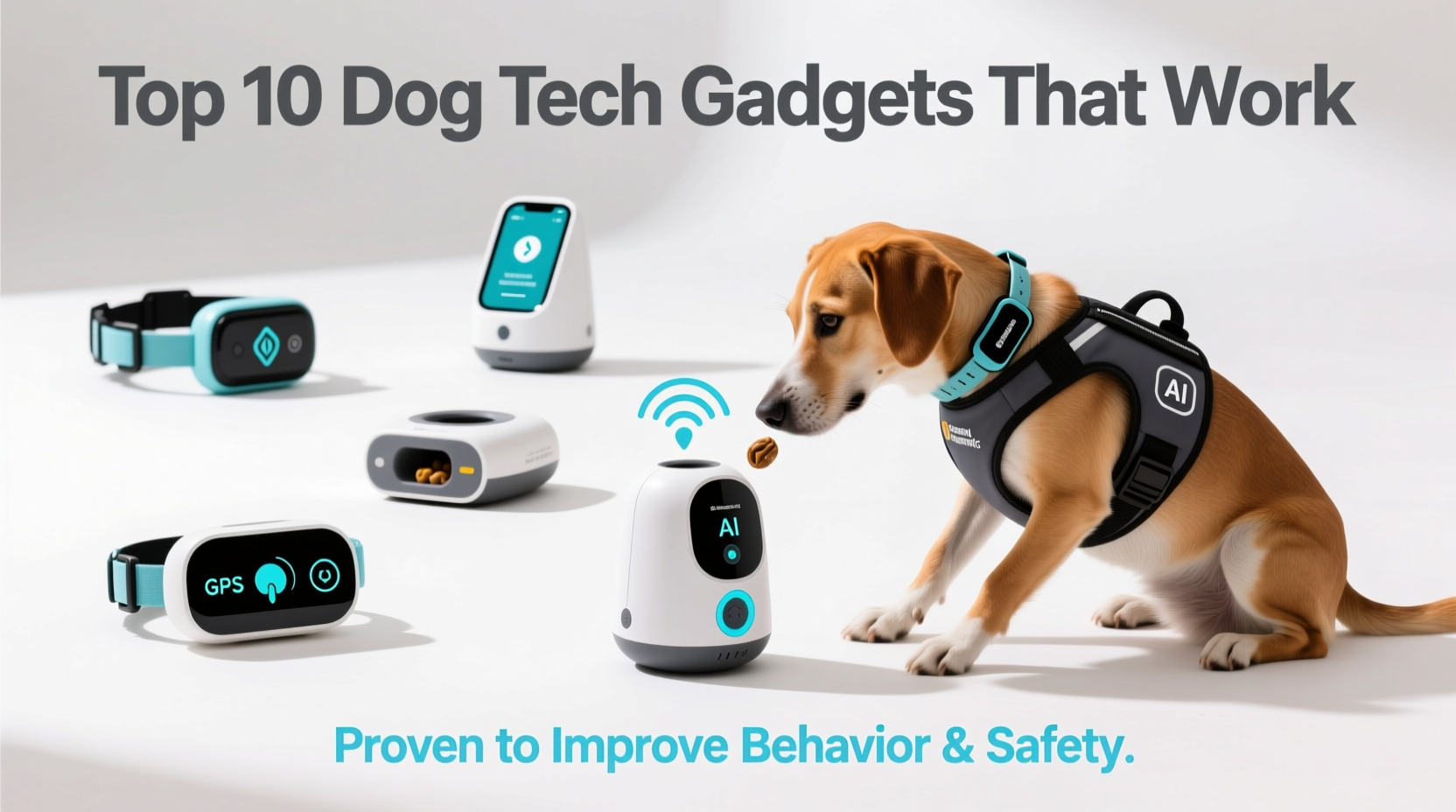
Pet technology isn't about gimmicks—it’s about solving real problems. Dogs can suffer from separation anxiety, get lost during walks, or develop destructive habits due to boredom. Traditional solutions like crates or obedience classes remain essential, but they’re increasingly enhanced by intelligent devices that provide data, feedback, and proactive alerts.
According to Dr. Sarah Benson, a veterinary behaviorist at the American College of Veterinary Behaviorists, “Technology that supports consistent reinforcement and monitoring allows us to address issues earlier and more effectively. It doesn’t replace training—but it amplifies it.”
The most effective pet tech works quietly in the background: collecting data, offering gentle corrections, or alerting you when something’s off. The goal is not control, but communication and safety.
Top 5 Pet Tech Gadgets That Actually Work
After evaluating dozens of products across categories—from GPS trackers to interactive feeders—these five stand out for their reliability, scientific grounding, and real impact on dog behavior and safety.
1. Fi Series 3 Smart Dog Collar
The Fi Series 3 is a premium GPS and activity tracker built into a durable collar. Unlike basic trackers, Fi uses LTE-M cellular networks for nationwide coverage without relying on Bluetooth or Wi-Fi. This means you can monitor your dog’s location even in remote parks or rural areas.
It also tracks daily activity levels, helping identify changes in behavior. A sudden drop in movement might indicate illness or discomfort. The geofencing feature sends instant alerts if your dog leaves a designated safe zone—ideal for homes with insecure fencing.
Tip: Set up multiple geofences—for your yard, favorite hiking trail, and vacation rental—to stay aware of your dog’s boundaries wherever you go.2. Garmin Delta Smart XL
This training collar system combines GPS tracking with humane behavior correction. It offers vibration, tone, and (optional) static stimulation cues, all remotely controlled via an app. What sets it apart is its ability to auto-correct based on behavior.
For example, if your dog lunges toward a squirrel, the collar can automatically deliver a gentle vibration cue—reinforcing training without needing constant supervision. It’s especially useful for dogs with high prey drive or reactivity.
“Remote training tools are most effective when used correctly and sparingly. Devices like the Garmin Delta Smart XL allow owners to reinforce commands at a distance, which is critical for off-leash training.” — Mark Lopez, Certified Professional Dog Trainer (CPDT-KA)
3. Furbo 360° Dog Camera
Furbo’s latest model rotates 360 degrees, providing full-room visibility. Its standout feature is real-time barking detection with AI-powered alerts. If your dog barks while you're away, you’ll receive a notification and can view live video instantly.
You can also talk through the camera or toss treats remotely—a powerful tool for reducing separation anxiety. Studies show that auditory contact with owners can lower cortisol levels in stressed dogs. Over time, consistent use helps dogs adjust to being alone.
4. Whistle GO Explore
More than a GPS tracker, Whistle GO Explore monitors both location and health metrics. It tracks active minutes, rest quality, and even licking behavior—which can signal allergies or pain.
The device syncs with a vet-reviewed dashboard that flags anomalies. For instance, if your normally active Lab suddenly spends 80% of the day resting, the app will prompt you to consult a veterinarian. Early detection of such changes can prevent long-term issues.
5. Petcube Bites 2 with Laser Pointer
While primarily marketed as a treat-tossing camera, the Petcube Bites 2 includes a built-in laser pointer controllable via smartphone. This is invaluable for mentally stimulating high-energy breeds when physical exercise isn’t possible.
Mental fatigue reduces destructive behaviors like chewing and digging. Using scheduled laser play sessions during work hours keeps dogs engaged and less likely to develop anxiety-related habits.
How These Gadgets Improve Behavior: The Science Behind the Tech
Effective pet tech doesn’t just react—it anticipates and reinforces. The core principle behind behavior-modifying devices is operant conditioning: rewarding desired actions and discouraging unwanted ones through timely feedback.
Take vibration-based collars: they serve as neutral stimuli that, when paired consistently with commands, become reliable cues. A 2022 study published in *Applied Animal Behaviour Science* found that dogs trained with vibration signals showed faster response times than those using verbal cues alone—especially in noisy environments.
Likewise, remote cameras with two-way audio enable positive reinforcement at critical moments. Hearing your voice when your dog resists chewing a shoe creates a stronger associative memory than scolding after the fact.
| Gadget | Primary Benefit | Behavioral Impact | Safety Feature |
|---|---|---|---|
| Fi Series 3 | GPS + Activity Tracking | Encourages consistent exercise routines | Geofence alerts prevent escapes |
| Garmin Delta Smart XL | Remote Training | Reduces reactivity and off-leash wandering | Real-time location monitoring |
| Furbo 360° | Bark Detection & Interaction | Decreases separation anxiety | Instant alerts for unusual activity |
| Whistle GO Explore | Health & Location Monitoring | Identifies stress or illness early | Vet-integrated health reporting |
| Petcube Bites 2 | Interactive Play | Reduces boredom-driven destruction | Live monitoring prevents accidents |
Real-World Example: How Tech Helped Max, a Rescue Terrier
Max, a 3-year-old Jack Russell mix adopted from a shelter, struggled with severe separation anxiety. His owner, Lisa, returned home daily to chewed furniture and puddles of urine. Traditional crate training made things worse—Max would bark nonstop until hoarse.
She installed the Furbo 360° and began using scheduled check-ins. Whenever Max started pacing, she’d speak calmly through the speaker and toss a treat. Within two weeks, his barking decreased by 70%. She combined this with the Petcube’s laser game during lunch breaks to tire him mentally.
After a month, Max stayed calm for up to four hours alone. The turning point came when Furbo detected barking while Lisa was grocery shopping. She responded immediately, reinforcing calm behavior with praise. Over time, Max learned that being alone didn’t mean abandonment.
“The camera didn’t fix everything,” Lisa said. “But it gave me a way to be there when I physically couldn’t. That made all the difference.”
Choosing the Right Tech: A Practical Checklist
Not every gadget suits every dog. Use this checklist to select tools that align with your dog’s needs and your lifestyle:
- Assess your dog’s primary challenge: Is it anxiety, distraction, escape risk, or lack of stimulation?
- Determine your connectivity needs: Do you need LTE coverage, or is Wi-Fi sufficient?
- Check battery life: Devices with frequent charging needs may miss critical events.
- Ensure compatibility: Confirm the app works with your smartphone OS.
- Look for adjustable settings: Vibration intensity, sensitivity levels, and alert frequency should be customizable.
- Verify return policy: Test the device for at least two weeks to assess real-world effectiveness.
- Consult your trainer or vet: Some tools require professional guidance for ethical use.
Avoid These Common Pitfalls
Even the best gadgets fail when misused. Here are three mistakes to avoid:
- Over-relying on static correction: Shock-based training can increase fear and aggression if used improperly. Always start with vibration or sound modes.
- Ignoring baseline behavior: Without knowing your dog’s normal activity level, alerts lose context. Track for a week before setting thresholds.
- Using cameras as surveillance only: Passive watching does little. Engage with your dog regularly through two-way audio to build trust.
FAQ: Your Top Questions Answered
Are GPS collars safe for small dogs?
Yes, provided the collar is lightweight and properly fitted. Look for models under 2 ounces, like the Whistle GO Explore, which weighs just 1.2 oz. Always ensure two fingers fit between the collar and your dog’s neck.
Can tech replace professional training?
No. While gadgets support training, they cannot substitute for structured learning and human interaction. Think of them as tools that extend your reach, not replacements for skilled instruction.
Do bark-detecting cameras work for all breeds?
Most do, but accuracy varies. High-pitched or infrequent barks (common in small breeds) may trigger false negatives. Choose models with AI learning capabilities—like Furbo—that adapt to your dog’s vocal patterns over time.
Getting Started: A 4-Week Integration Plan
Introducing new tech gradually prevents overwhelm. Follow this timeline:
- Week 1: Install the device and let your dog get used to wearing or interacting with it. Pair it with treats and praise.
- Week 2: Begin passive monitoring. Review GPS routes, activity logs, or bark alerts without intervening.
- Week 3: Start interactive use—talk through the camera, send vibrations for known triggers, or initiate play sessions.
- Week 4: Analyze patterns. Adjust settings based on observed behavior and set up automated routines (e.g., daily laser play at 1 PM).
By the end of the month, you’ll have a clear sense of what’s working—and whether adjustments are needed.
Conclusion: Smarter Care Through Thoughtful Technology
The best pet tech doesn’t impress with bells and whistles—it delivers quiet, consistent improvements in your dog’s safety and emotional well-being. Whether it’s preventing a dangerous escape or easing the loneliness of an anxious pup, these tools bridge gaps in care that were once unavoidable.
What matters most isn’t how advanced a gadget is, but how thoughtfully it’s used. When paired with empathy, consistency, and professional guidance, technology becomes a powerful ally in raising a happier, healthier dog.
💬 Have a pet tech success story? Share your experience in the comments and help other dog owners discover what really works.








