Leaving your dog alone at home can be stressful—especially if they suffer from separation anxiety. Barking, chewing furniture, or pacing are common signs that your dog is distressed. While training and routines play a vital role in managing anxiety, modern technology offers an immediate way to comfort your pet: pet cameras with treat-tossing capabilities. These smart devices allow you to see, speak to, and even reward your dog remotely, helping to ease their stress and reinforce positive behavior.
Not all pet cameras are created equal. For anxious dogs, features like two-way audio, high-definition video, motion tracking, and most importantly, automated treat dispensing can make a meaningful difference. This guide explores the top-rated pet cameras with treat tossers, explains what makes them effective for anxious dogs, and provides practical advice on choosing and using one effectively.
Why Treat-Tossing Cameras Help Anxious Dogs
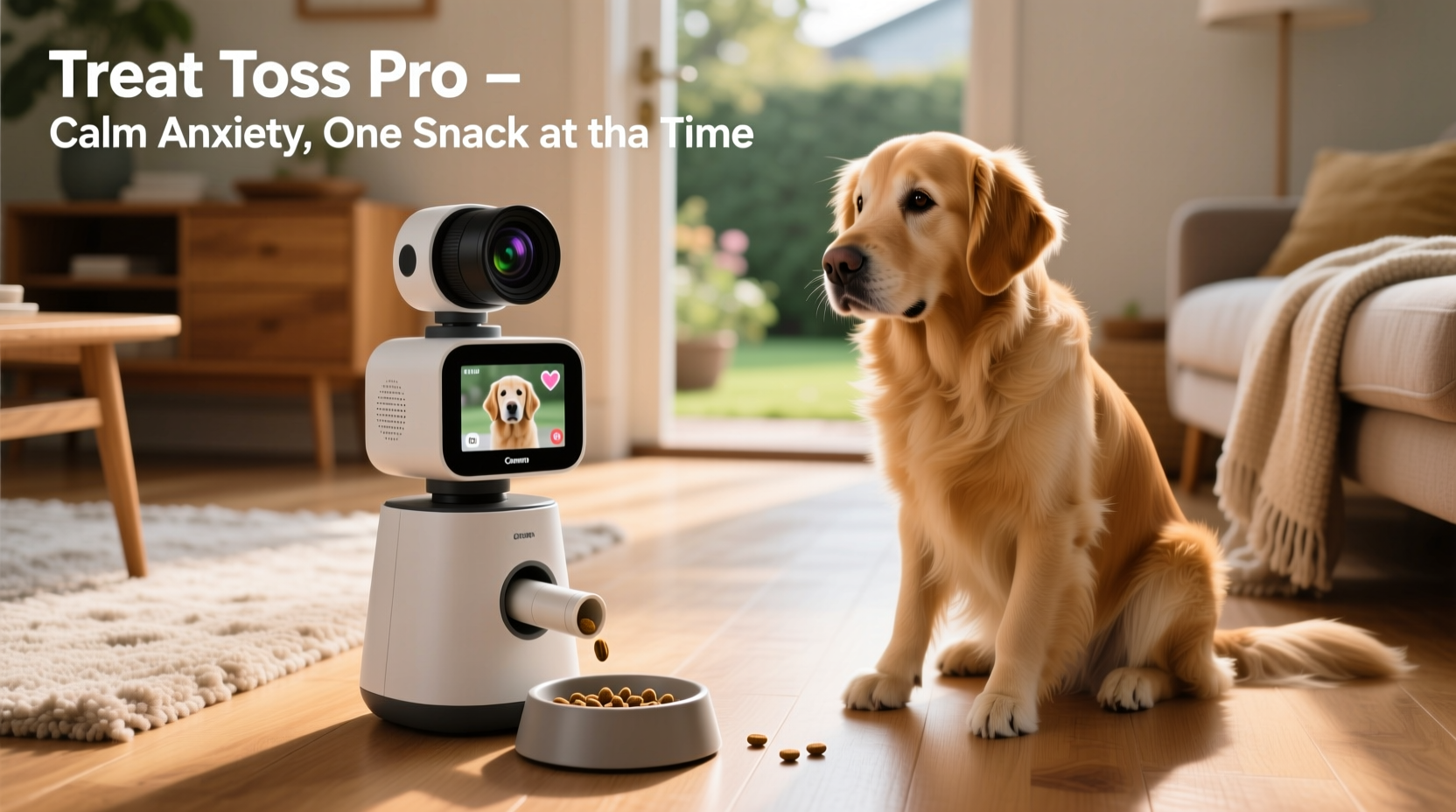
Dogs thrive on routine, attention, and reinforcement. When left alone, the absence of these elements can trigger anxiety. A treat-dispensing camera acts as a remote companion, offering both distraction and positive reinforcement. The ability to deliver treats on command helps redirect your dog’s focus during moments of stress, reinforcing calm behavior through operant conditioning.
Behavioral experts emphasize the importance of timely rewards. According to Dr. Karen Overall, a renowned veterinary behaviorist, “Timing is everything in behavior modification. A treat delivered within seconds of calm behavior can strengthen that response.” Remote treat tossers bridge the gap when you're not physically present.
“Timing is everything in behavior modification. A treat delivered within seconds of calm behavior can strengthen that response.” — Dr. Karen Overall, Veterinary Behaviorist
In addition to treats, many cameras offer live audio, allowing you to soothe your dog with your voice—a familiar sound that can significantly reduce anxiety. Some models even include laser pointers or night vision, adding layers of engagement and reassurance.
Top 5 Pet Cameras with Treat Tossers for Anxious Dogs
After evaluating dozens of models based on reliability, ease of use, treat mechanism design, video quality, and customer feedback, these five stand out as the best options for owners of anxious dogs.
| Model | Video Quality | Treat Mechanism | Key Features | Best For |
|---|---|---|---|---|
| Furbo Dog Camera | 1080p HD, 160° wide-angle | Motorized treat toss (up to 10 ft) | Bark alerts, two-way talk, night vision, Alexa-compatible | Dogs needing instant interaction and alert notifications |
| Petcube Bites 2 | 1080p HD, 160° view | Manual treat release via app | 360° pan & tilt, night vision, laser play mode | Active dogs who benefit from play and engagement |
| Wopet Smart Camera | 720p HD, 110° angle | Rotating tray dispenses treats | Auto-schedule feeding, two-way audio, low-light vision | Routine-based households needing scheduled rewards |
| Chsoula Wi-Fi Pet Camera | 1080p HD, 120° view | Push-button treat drop | Remote control pan, night vision, compact design | Budget-conscious owners wanting basic functionality |
| YI 1080P Home Camera + Treat Dispenser Mod | 1080p HD, 90° view | DIY attachment (separate purchase) | Excellent video, affordable base unit, customizable | Tech-savvy users comfortable with add-ons |
The Furbo consistently ranks as the top choice due to its responsive treat-tossing mechanism and real-time bark detection. It sends smartphone alerts when your dog barks, allowing you to jump into the live feed, speak calmly, and toss a treat—all within seconds. This immediacy is crucial for interrupting anxious behaviors before they escalate.
Petcube Bites 2 stands out for interactive play. Its built-in laser pointer can distract an anxious dog and encourage physical activity, which naturally reduces cortisol levels. Meanwhile, Wopet appeals to owners seeking scheduled treat delivery, useful for reinforcing calmness at predictable times like midday or after a thunderstorm.
Tip: Always use small, dry treats compatible with your camera’s dispenser. Soft or sticky treats may clog the mechanism.How to Use a Treat-Tossing Camera Effectively
Simply owning a treat-dispensing camera isn’t enough. To truly support an anxious dog, you need a strategy. Here’s a step-by-step approach to maximize its impact:
- Introduce the device gradually. Set it up without activating treats at first. Let your dog investigate it while you’re home. Reward curiosity with praise to create a positive association.
- Pair the camera’s sound with treats. Manually dispense a treat while saying a calming phrase like “Good boy” over the speaker. Repeat this several times so your dog links your voice through the device with rewards.
- Use treats to interrupt anxiety. When you notice pacing or whining via the live feed, speak soothingly and toss a treat. The goal is to redirect focus and reinforce quiet behavior.
- Schedule surprise treats. Even when your dog is calm, occasionally send a treat. This unpredictability builds trust and keeps the camera associated with positive outcomes.
- Monitor long-term patterns. Use the camera’s recording or alert history to identify when anxiety peaks—such as during storms or rush hour—and adjust your intervention accordingly.
Avoid using the treat tosser punitively. Never withhold treats as punishment or use the device to startle your dog. The camera should be a source of comfort, not confusion.
Real-Life Example: Helping Max Through Separation Anxiety
Max, a three-year-old Border Collie mix, began showing signs of distress whenever his owner, Sarah, left for work. He would bark excessively, chew shoes, and sometimes urinate indoors. After consulting her vet, Sarah decided to try the Furbo Dog Camera.
She spent a week introducing Max to the device, letting him sniff it and rewarding him when he approached it. She then began using the two-way talk feature to call his name and toss a treat while she was still at home. Within days, Max started looking toward the camera when he heard it activate.
When Sarah returned to full-time office work, she used the Furbo to check in every few hours. If Max was pacing, she’d calmly say, “It’s okay, Max,” and toss a treat. Over time, Max began going to his bed near the camera when left alone, anticipating a treat. After six weeks, the destructive behaviors stopped, and bark alerts decreased by 80%.
“It wasn’t a magic fix,” Sarah said, “but having a way to connect with Max during the day made me feel less guilty—and helped him feel less alone.”
What to Look for When Choosing a Camera
Selecting the right model depends on your dog’s temperament, your home setup, and your personal needs. Consider these key factors:
- Treat Toss Range: Cameras like Furbo can launch treats across a room, ideal for large or energetic dogs. Others simply drop treats, requiring your dog to stay close.
- Reliability of Dispensing Mechanism: Motorized systems are faster and more engaging than gravity-fed drops. Check user reviews for reports of jams or misfires.
- Audio and Video Clarity: Clear visuals and crisp two-way audio ensure you can assess your dog’s mood accurately. Look for noise-canceling microphones and night vision.
- Alert Systems: Bark or motion detection alerts help you respond quickly. Some cameras differentiate between normal movement and anxious behavior.
- App Usability: The companion app should be intuitive, with minimal lag between command and action. Frequent crashes or delays undermine effectiveness.
- Security: Ensure the camera uses end-to-end encryption. Avoid models with known data vulnerabilities.
Checklist: Setting Up Your Pet Camera for Success
Follow this checklist to ensure your treat-tossing camera supports your anxious dog effectively:
- Choose a central location with clear sightlines to your dog’s favorite spots.
- Ensure strong Wi-Fi signal strength where the camera will be placed.
- Fill the treat compartment with small, dry kibble or training treats.
- Download and test the app on your phone or tablet.
- Perform a trial run while you’re home to observe how treats are dispensed.
- Train your dog to associate the camera’s sounds with positive outcomes.
- Set up notifications for motion or barking.
- Establish a daily check-in routine to monitor behavior trends.
Frequently Asked Questions
Can a treat-tossing camera replace professional training?
No. While these cameras are helpful tools, they should complement—not replace—behavioral training. For moderate to severe anxiety, consult a certified dog trainer or veterinary behaviorist. Cameras provide temporary relief; training addresses root causes.
Are treat dispensers safe for all dog sizes?
Most are suitable for small to large dogs, but consider treat size and portion control. Large breeds may consume too many treats if owners aren’t careful. Limit remote dispensing to 2–3 times per day unless directed otherwise by a vet.
Can other pets access the treats?
Possibly. If you have multiple pets, position the camera where only your target dog can reach the treats. Some models allow scheduling, so you can restrict access to certain times. Alternatively, use verbal cues unique to your dog to encourage only them to approach.
Final Thoughts and Next Steps
A pet camera with a treat tosser is more than a gadget—it’s a lifeline for dogs struggling with anxiety and the owners who care for them. By enabling real-time connection and positive reinforcement, these devices help bridge the emotional gap created by distance. They won’t solve deep-seated behavioral issues alone, but they can significantly improve day-to-day well-being and provide invaluable peace of mind.
The best choice depends on your dog’s needs and your lifestyle. Whether you prioritize instant treat launching, interactive play, or scheduled rewards, there’s a model designed to fit. Take the time to research, set up the device thoughtfully, and integrate it into a broader care plan that includes exercise, mental stimulation, and consistent routines.
🚀 Ready to help your anxious dog feel safer at home? Explore the top-rated cameras today, start with a trusted model like Furbo or Petcube, and take the first step toward a calmer, happier pet.








