Leaving your dog alone at home can be stressful—for both of you. Many dogs experience separation anxiety, manifesting in destructive behavior, excessive barking, or pacing. Fortunately, technology has evolved to help bridge the emotional gap when you're not around. One of the most effective tools available today is the pet camera with a treat-tossing function. These smart devices allow you to monitor your dog remotely, talk to them through two-way audio, and even reward calm behavior with a surprise treat. This guide explores the best pet cameras that combine surveillance and positive reinforcement to support anxious dogs while their owners are away.
Why Treat-Tossing Cameras Help Anxious Dogs
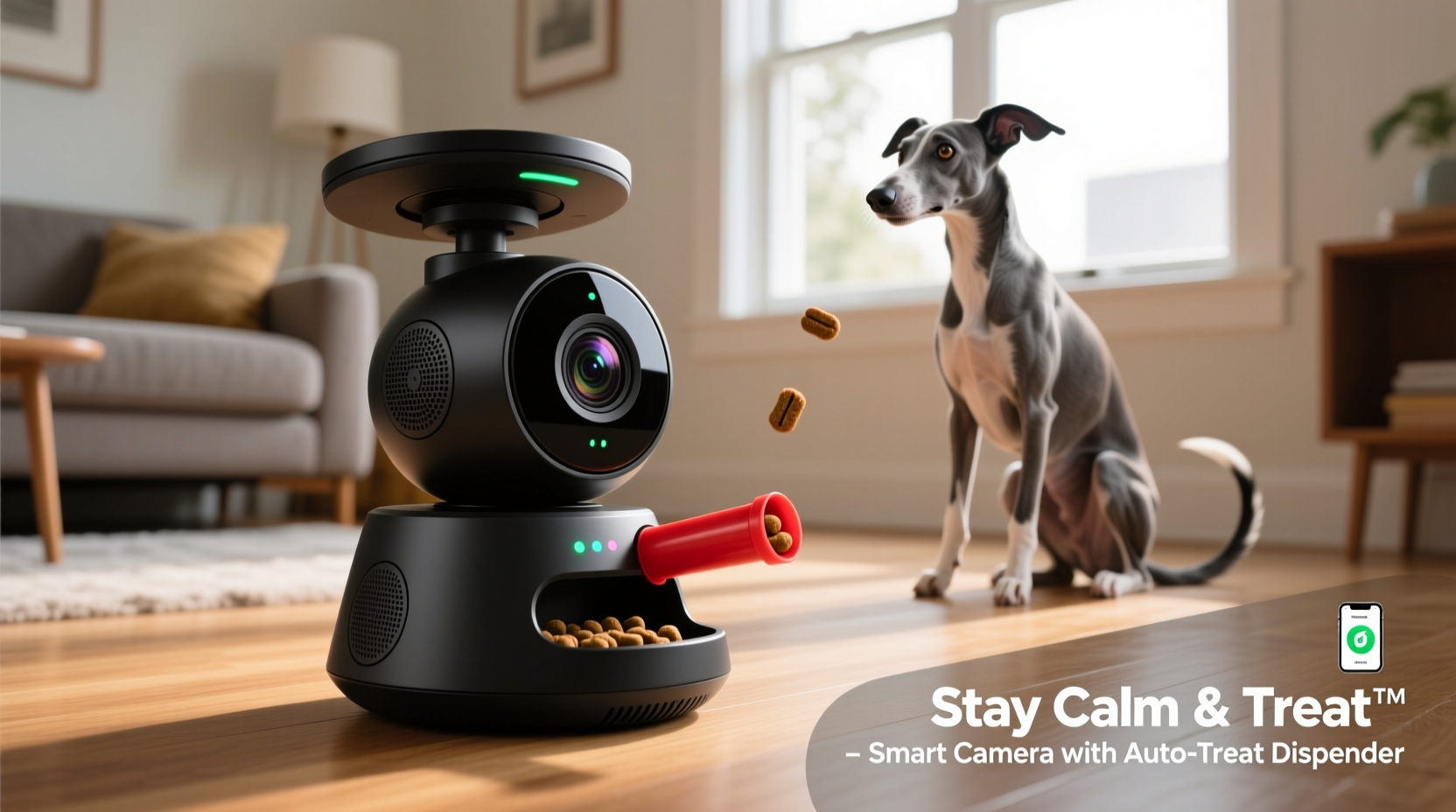
Dogs thrive on routine, attention, and positive reinforcement. When left alone, they may feel isolated or uncertain, triggering anxiety. A treat-tossing camera offers more than just visual monitoring—it provides interaction. The ability to dispense treats remotely gives owners a way to redirect their dog’s focus, reinforce calm behavior, and provide mental stimulation during solitude.
Behavioral experts emphasize the importance of consistent engagement. Dr. Karen London, a certified applied animal behaviorist, explains:
“Dogs benefit from predictable interactions. Even brief moments of positive reinforcement via remote treat delivery can reduce stress and build confidence over time.” — Dr. Karen London, Canine Behavior Specialist
The combination of sight, sound, and reward makes treat-tossing cameras a multifaceted tool—not just for convenience, but for emotional well-being.
Top 5 Pet Cameras with Treat Toss for Anxious Dogs
Not all treat-dispensing cameras are created equal. For dogs with anxiety, features like reliability, treat size compatibility, ease of use, and clear audio/video are crucial. Below is a comparison of the leading models designed to support dogs emotionally while their owners are away.
| Model | Video Quality | Treat Capacity | Two-Way Audio | App Compatibility | Special Features |
|---|---|---|---|---|---|
| Furbo 360° Dog Camera | 1080p HD, 360° pan & tilt | Holds up to 40 treats | Yes, noise-canceling mic | iOS & Android | Bark detection alerts, treat-throwing accuracy, night vision, Alexa-compatible |
| Petcube Bites 2 | 1080p HD, wide-angle lens | Up to 20 standard treats | Yes, with speaker clarity | iOS & Android | Laser play mode, scheduling treats, activity tracking |
| Wopet Smart Feeder Camera | 720p HD | Stores ~100g of food/treats | Basic two-way audio | iOS & Android | Scheduled feeding, manual dispensing, motion alerts |
| Chaseit Pet Camera with Treat Dispenser | 1080p HD, rotating base | ~30 small to medium treats | Yes | iOS & Android | IR night vision, voice recording, customizable toss distance |
| YI 1080p Home Camera + Treat Dispenser (DIY Setup) | 1080p HD | Requires external dispenser | Yes | iOS & Android | Affordable, integrates with third-party treat launchers |
Among these, the **Furbo 360°** stands out as the top choice for anxious dogs due to its responsive treat-toss mechanism, intelligent alerts, and seamless integration with daily routines.
Tip: Choose treats that are small, dry, and non-crumbly to prevent clogging in the dispenser.How to Use a Treat-Toss Camera Effectively for Anxiety Relief
Simply owning a treat-dispensing camera isn’t enough. To genuinely help an anxious dog, it must be used strategically. Here’s how to maximize its impact:
- Introduce the device gradually. Let your dog investigate the camera while you’re home. Turn it on, speak through it, and manually dispense a few treats so they associate the device with positivity.
- Use treats to interrupt anxious behaviors. If your dog starts pacing or barking, use the app to call their name and toss a treat in the opposite direction. This redirects focus and rewards new, calmer behavior.
- Reinforce quiet moments. When your dog lies down calmly, reward them remotely. Over time, this teaches them that relaxation leads to rewards—even when you’re not physically present.
- Pair voice commands with treats. Say “Good boy” or “Settle” just before tossing a treat. This strengthens verbal cues and builds trust in your remote presence.
- Maintain consistency. Use the camera daily during short absences to build predictability. Avoid only using it during high-stress events like thunderstorms or long workdays.
Consistency turns the camera into a reliable source of comfort, not just a novelty.
Real-Life Example: Helping Max the Rescue Dog
Max, a 3-year-old mixed breed adopted from a shelter, struggled with severe separation anxiety. His owner, Sarah, returned home to chewed shoes, scratched doors, and puddles of urine. After consulting a trainer, she installed the Furbo 360° camera.
At first, Max barked at the device. But Sarah spent a week pairing it with treats and praise while she was home. She then began using the camera during short errands. When Max started pacing, she’d say his name through the speaker and toss a treat across the room. Within three weeks, Max began lying down within minutes of her departure. The bark alerts decreased by 80%, and he no longer destroyed household items.
“It wasn’t magic,” Sarah said. “But having a way to interact with him—even briefly—made him feel less alone. The treats were a distraction at first, but now they’re a signal that everything’s okay.”
Key Features to Look for in a Pet Camera for Anxious Dogs
When selecting a pet camera with treat-toss functionality, prioritize features that support emotional regulation and usability:
- High-Quality Video with Night Vision: Clear visuals let you assess your dog’s body language—tucked tail, panting, or restlessness—which informs how and when to intervene.
- Reliable Two-Way Audio: Your voice is calming. Ensure the microphone picks up ambient sounds and the speaker delivers your voice clearly.
- Precise Treat Tossing Mechanism: The treat should land within a safe range, not too far to frustrate or too close to startle the dog.
- Real-Time Alerts: Look for models that send push notifications for barking, movement, or unusual activity so you can respond promptly.
- Large Treat Compatibility: Some dispensers only handle small kibble. Opt for one that accommodates soft treats or dental chews if those are part of your training plan.
- Mobile App Stability: The app should load quickly, maintain connection, and allow instant control without lag.
Step-by-Step Guide: Setting Up Your Treat-Toss Camera for Anxiety Management
Follow this timeline to integrate your pet camera effectively into your dog’s routine:
- Day 1–3: Introduction Phase
Place the camera in the room, power it on, and let your dog explore. Use the app to speak soothingly and toss one treat per day while you’re present. Pair the sound of the mechanism with immediate reward. - Day 4–7: Association Building
Begin using verbal cues like “Treat!” before launching. Repeat several times daily. Monitor your dog’s reaction—curiosity is good; fear means slowing down. - Week 2: Short Absence Testing
Leave for 10–15 minutes. Watch via the app. If your dog shows mild anxiety, intervene with voice and a treat. Gradually increase duration. - Week 3–4: Reinforcement Scheduling
Plan to check in 2–3 times during longer absences. Reward calm behavior, not attention-seeking. Avoid overusing treats—quality over quantity. - Ongoing: Maintenance and Monitoring
Continue periodic checks. Use the camera’s history or alert logs to identify patterns. Adjust placement or timing as needed.
This structured approach helps your dog form a positive association with both the device and being alone.
Common Mistakes to Avoid
Even with the best equipment, poor usage can undermine progress. Steer clear of these pitfalls:
- Using the camera only during high-stress times. This creates inconsistency. Use it regularly, even on low-anxiety days, to build familiarity.
- Tossing treats during hyperactive behavior. Rewarding excitement reinforces it. Wait for a moment of calm before dispensing.
- Ignoring technical issues. Clean the treat chute weekly. Check Wi-Fi strength and update firmware to prevent malfunctions during critical moments.
- Over-relying on the device. A camera is a tool, not a replacement for training, exercise, or environmental enrichment. Combine it with puzzle toys, background music, or a dog walker.
FAQ
Can a treat-toss camera replace professional anxiety treatment?
No. While helpful, these cameras are best used as part of a broader strategy that may include behavior modification, veterinary consultation, and environmental adjustments. Severe anxiety often requires intervention from a certified dog trainer or veterinary behaviorist.
Are soft treats safe to use in automatic dispensers?
Some soft treats can stick or degrade inside the mechanism. Stick to dry, firm treats unless the manufacturer explicitly approves softer options. Always test a few first.
Will my dog become dependent on the camera for comfort?
Dependency is unlikely if used correctly. The goal is to build confidence, not create reliance. Over time, many dogs generalize the sense of safety and remain calm even when the camera isn’t actively dispensing treats.
Final Checklist Before Buying
Before purchasing a pet camera with treat-toss functionality, ensure it meets these criteria:
- ✅ High-definition video with wide viewing angle
- Essential for monitoring subtle signs of stress.
- ✅ Real-time bark or motion alerts
- Allows timely intervention.
- ✅ Smooth two-way audio with minimal delay
- Your voice should be clear and immediate.
- ✅ Adjustable treat-toss distance
- Prevents startling your dog or missing the target.
- ✅ Mobile app with stable performance
- Crucial for reliable access during emergencies.
- ✅ Easy-to-clean treat compartment
- Prevents mold and jamming over time.
Conclusion: Empower Your Absences with Thoughtful Technology
A pet camera with treat-toss capability is more than a gadget—it’s a bridge between you and your dog during separations. For anxious dogs, the ability to hear your voice, see your face, and receive a well-timed treat can transform solitude from a source of stress into a manageable experience. Devices like the Furbo 360° and Petcube Bites 2 offer powerful tools, but their success depends on how you use them. With patience, consistency, and a focus on positive reinforcement, you can help your dog feel more secure, even when you’re miles away.
💬 Have a treat-toss camera helping your anxious dog? Share your story or tips in the comments—your experience could inspire another pet parent to make a meaningful change.








