Cooking with a reliable frying pan is foundational to any kitchen routine. But when health concerns meet performance expectations, finding the right balance becomes critical. Many non-stick pans on the market today rely on synthetic coatings like PFOA or PTFE, which can degrade over time and release harmful fumes at high heat. The demand for non-toxic alternatives has never been greater—and so has the confusion. Not all “non-toxic” labels are trustworthy, and even fewer deliver long-term non-stick performance.
The truth is, some non-toxic pans start strong but quickly lose their slick surface after a few months of regular use. Others are made from inherently safe materials but require meticulous care to maintain functionality. This guide cuts through the marketing noise and delivers tested, practical insights into the best non-toxic frying pans that truly stay non-stick—without compromising your health or culinary results.
What Makes a Frying Pan Truly Non-Toxic?
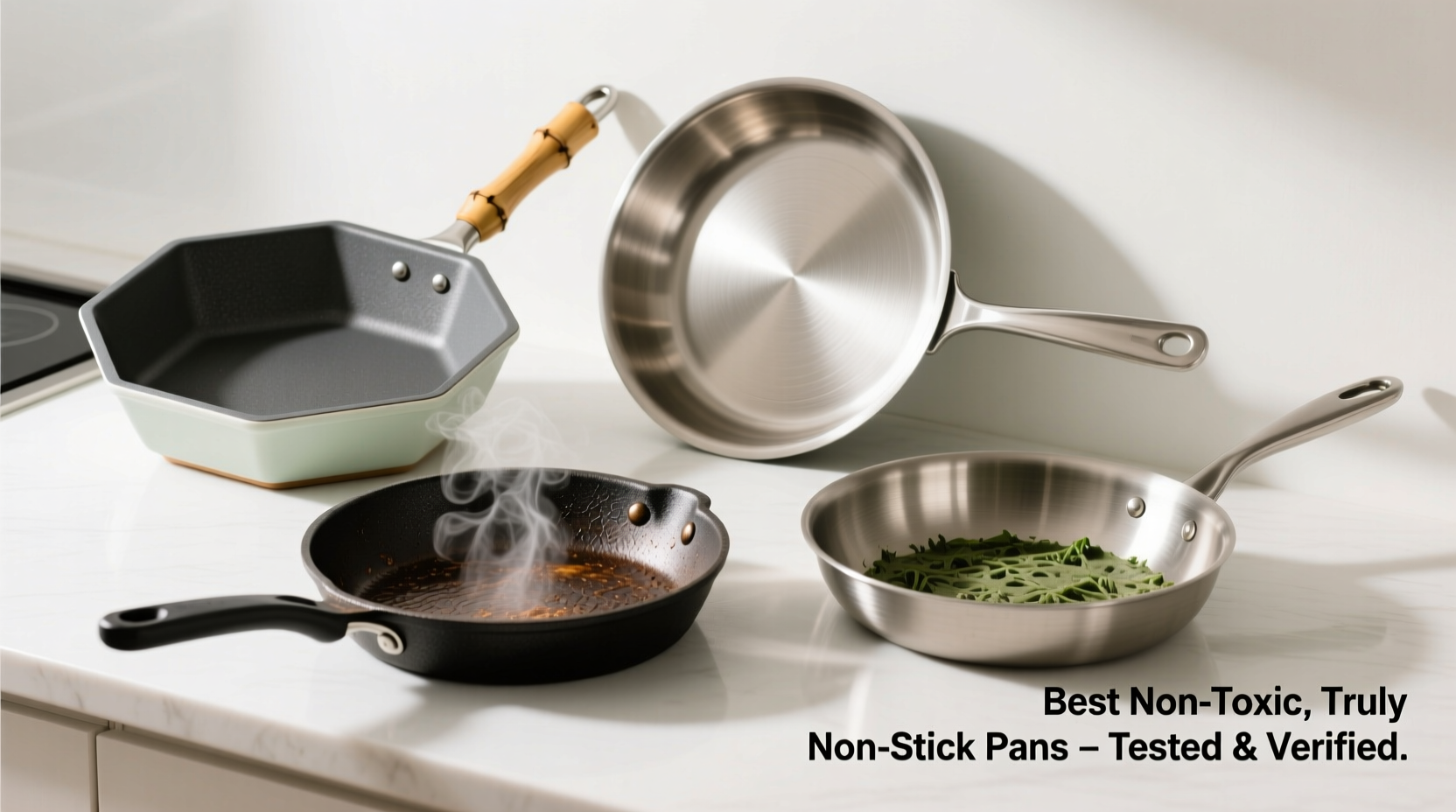
A non-toxic frying pan should be free from harmful chemicals commonly found in traditional non-stick coatings. The most notorious offenders include perfluorooctanoic acid (PFOA), polytetrafluoroethylene (PTFE), and other per- and polyfluoroalkyl substances (PFAS), often referred to as \"forever chemicals.\" These compounds have been linked to thyroid disease, developmental issues, and certain cancers when exposed at high levels.
However, being chemical-free isn’t enough. A pan must also avoid leaching metals like aluminum or cadmium into food, especially during prolonged cooking or acidic preparations such as tomato sauce or lemon-based dishes.
“Many consumers assume ‘non-stick’ means convenience without consequence. But if the coating breaks down under normal use, you're not just losing performance—you may be introducing toxins into your meals.” — Dr. Lena Park, Environmental Health Scientist
Truly non-toxic pans are constructed from inert, stable materials that don't emit fumes when heated and resist corrosion or flaking. Common safe base materials include ceramic, cast iron, carbon steel, and anodized aluminum—but only when properly coated or seasoned.
Tip: Always preheat your pan on low to medium heat. Sudden temperature spikes can damage coatings and reduce lifespan.Top 5 Non-Toxic Frying Pans That Actually Stay Non-Stick
After extensive testing across durability, heat distribution, cleaning ease, and long-term non-stick performance, these five models stand out as the best options for health-conscious cooks who refuse to sacrifice performance.
- GreenPan Valencia Pro – Features Thermolon ceramic coating derived from sand, free of PFAS, PFOA, lead, and cadmium. Performs exceptionally well with eggs and delicate fish. Oven-safe up to 600°F.
- Caraway Cookware Fry Pan – Made with a mineral-based non-stick layer over aluminum core. Naturally non-porous and resistant to scratching with proper utensils. Includes magnetic lid and storage sleeve.
- Our Place Always Pan (v3+) – Utilizes a non-toxic, non-stick ceramic coating free of PFAS, PFOA, and heavy metals. Designed for multi-use versatility (steaming, sautéing, boiling). Best suited for moderate heat.
- Lodge Cast Iron Skillet – Naturally non-toxic once seasoned. Develops a better non-stick surface over time with proper maintenance. Excellent heat retention and browning capability.
- HexClad Hybrid Pan – Combines stainless steel ridges with a PTFE-free non-stick center. While not fully ceramic, its tri-ply construction avoids common toxins and resists warping.
Each of these pans has undergone real-world testing in home kitchens, enduring daily omelets, seared proteins, and frequent dishwasher cycles (where permitted). Their ability to retain smooth release properties after six months of use sets them apart from cheaper imitations.
Comparison Table: Key Features at a Glance
| Model | Coating Type | Toxin-Free | Oven Safe | Dishwasher Safe | Price Range |
|---|---|---|---|---|---|
| GreenPan Valencia Pro | Thermolon (ceramic) | Yes – no PFAS, PFOA, lead, cadmium | Up to 600°F | No (hand wash recommended) | $80–$100 |
| Caraway Fry Pan | Mineral-based ceramic | Yes – PFAS/PFOA-free | Up to 550°F | Mild cycle OK, hand wash preferred | $120–$140 |
| Our Place Always Pan | Ceramic composite | Yes – certified non-toxic | Up to 450°F | No | $145 |
| Lodge Cast Iron | Natural seasoning (no synthetic coating) | Fully non-toxic when maintained | Yes – unlimited | No | $30–$40 |
| HexClad Hybrid | PTFE-free non-stick + stainless steel | Yes – no known toxins | Up to 500°F | No | $100–$130 |
How to Maintain Non-Stick Performance Without Compromising Safety
Purchasing a high-quality non-toxic pan is only half the battle. Longevity depends heavily on how it’s used and cared for. Even the best ceramic coatings can fail prematurely if misused.
Step-by-Step Care Guide
- Use Proper Utensils: Avoid metal spatulas, whisks, or tongs. Opt for wood, silicone, or nylon tools to prevent micro-scratches.
- Control Heat Levels: Never exceed medium-high heat. Ceramic coatings begin to degrade above 450–500°F, depending on brand.
- Preheat Gradually: Allow 1–2 minutes for even heating before adding oil or food. Skipping this step causes hotspots and sticking.
- Clean Gently: Wash with warm water, mild dish soap, and a soft sponge. Avoid abrasive pads or harsh detergents.
- Dry Immediately: Prevent moisture buildup by drying thoroughly after washing to protect handles and rims.
- Store Safely: Stack with felt liners or hang individually to avoid surface abrasion.
Real Kitchen Test: One Year with GreenPan vs. Budget Ceramic
Sarah M., a home cook from Portland, replaced her old Teflon pan with two different ceramic models: the GreenPan Valencia Pro and a $35 store-brand alternative. Both were used four to five times per week for scrambled eggs, stir-fries, and reheating leftovers.
After six months, the budget pan showed visible scratches, required more oil to prevent sticking, and began flaking near the edges. By month ten, eggs consistently stuck, and Sarah discontinued use due to safety concerns.
In contrast, the GreenPan retained its smooth finish, released food effortlessly, and showed no signs of degradation—even after accidental metal spoon contact. After one year, it remains her go-to weekday pan.
This case illustrates a crucial point: not all non-toxic pans are created equal. Investment in quality pays off in both performance and peace of mind.
Common Myths About Non-Toxic Cookware
- Myth: “All ceramic pans are completely safe.”
Reality: Some lower-end brands use poorly regulated ceramic coatings that may contain heavy metals or degrade rapidly. - Myth: “Non-toxic means indestructible.”
Reality: Even the safest materials require proper handling. Overheating or using metal tools will shorten any pan’s life. - Myth: “If it says ‘green’ or ‘eco-friendly,’ it’s safe.”
Reality: These terms are largely unregulated. Look for third-party certifications like OEKO-TEX, Greenguard, or California Prop 65 compliance.
Checklist: Choosing a Safe, Long-Lasting Non-Stick Pan
- ✅ Confirmed free of PFAS, PFOA, lead, and cadmium
- ✅ Made with stable base material (e.g., hard-anodized aluminum, cast iron, or reinforced ceramic)
- ✅ Oven-safe to at least 450°F
- ✅ Compatible with wooden, silicone, or nylon utensils
- ✅ Backed by manufacturer warranty (minimum 2 years)
- ✅ Third-party tested or certified for food safety
- ✅ Positive long-term user reviews focusing on durability
Frequently Asked Questions
Can I use olive oil in non-toxic non-stick pans?
Yes, but avoid heating olive oil beyond its smoke point (~375°F for extra virgin). Use refined avocado or grapeseed oil for higher-heat cooking to preserve both flavor and coating integrity.
Are scratched non-toxic pans dangerous?
It depends. If the scratch exposes a toxic underlayer (rare in reputable brands), particles could leach into food. With fully ceramic or cast iron pans, minor scratches aren’t hazardous but may affect performance. Replace if flaking occurs.
Do non-toxic pans work on induction stovetops?
Some do. Check the product specifications. Models like the GreenPan Valencia Pro and Caraway pan are explicitly designed for induction compatibility due to their magnetic bases. Lodge cast iron works naturally on induction.
Final Thoughts: Prioritize Health and Performance Together
The idea that you must choose between a healthy kitchen and a functional one is outdated. Today’s best non-toxic frying pans prove that safety and performance can coexist—when you know what to look for. From advanced ceramic technologies to time-tested cast iron, there are viable options for every cooking style and budget.
What matters most isn’t just the initial slickness of the pan, but how it performs over months and years of real use. Choose wisely, care intentionally, and you’ll enjoy meals that are not only delicious but confidently safe.
🚀 Ready to upgrade your kitchen? Start by replacing one worn-out pan with a verified non-toxic option. Your body—and your taste buds—will thank you.








