For millions of people with pet allergies, the dream of owning a dog often feels out of reach. Allergic reactions—ranging from sneezing and itchy eyes to asthma flare-ups—are commonly triggered not by fur, but by proteins found in a dog’s dander, saliva, and urine. While no dog is 100% hypoallergenic, certain breeds shed little to no hair and produce less dander, making them far more compatible with sensitive individuals. These non-shedding dogs offer companionship without the constant sniffles.
This guide ranks the top non-shedding dog breeds ideal for allergy sufferers, based on coat type, grooming demands, temperament, and real-world compatibility. Whether you live in an apartment or have a large yard, travel frequently, or need a calm companion, this list helps you find a dog that fits both your lifestyle and health needs.
Why Non-Shedding Dogs Matter for Allergy Sufferers
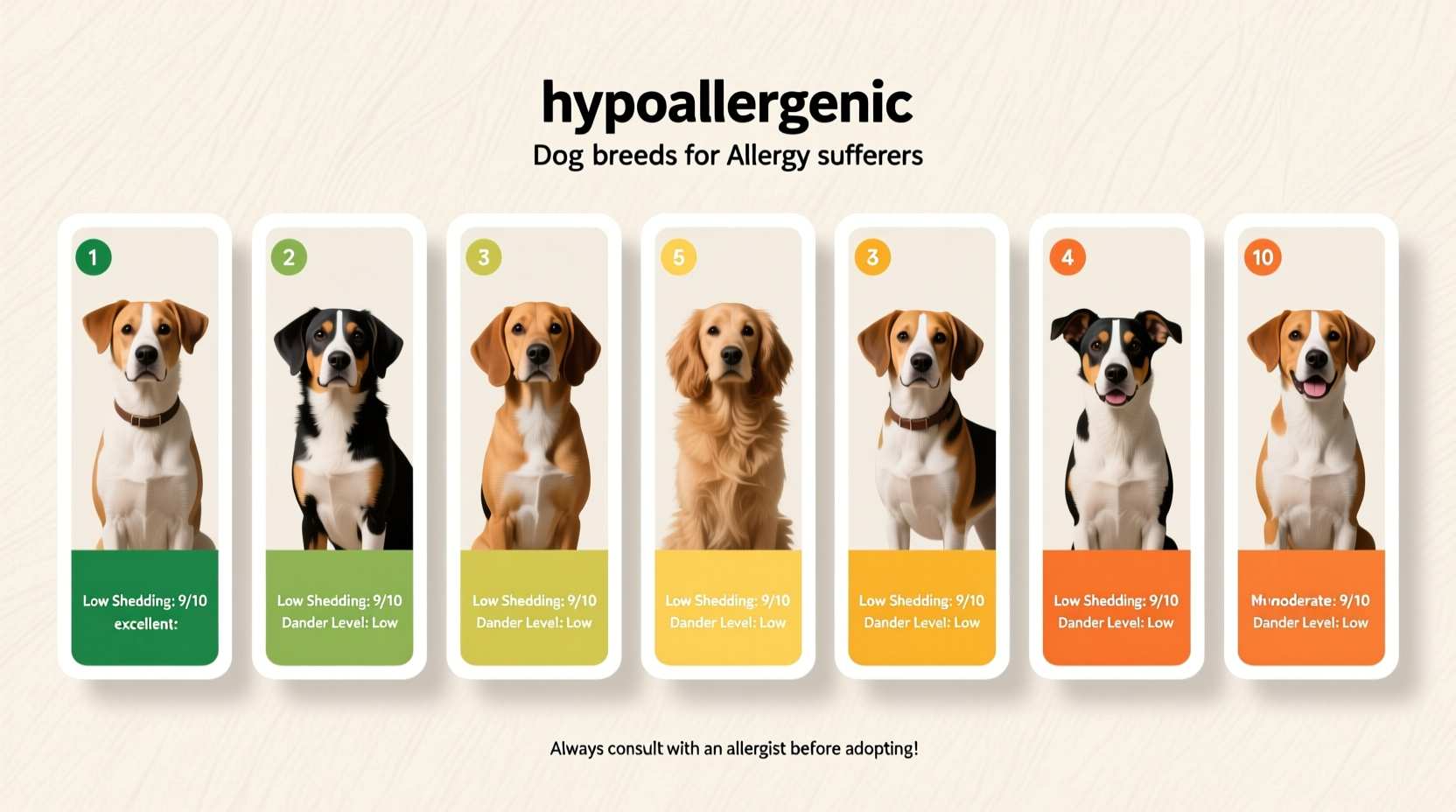
Allergies to dogs are primarily caused by allergens like Can f 1 and Can f 2, which are found in skin cells (dander), saliva, and urine. When dogs shed, they release dander trapped in their undercoat into the air and onto surfaces. Breeds that shed minimally reduce the spread of these allergens, lowering the risk of allergic reactions.
Non-shedding dogs typically have one of two coat types: a single-layered curly coat (like Poodles) or a silky, continuously growing coat (like Maltese). These coats trap loose hair and dander rather than releasing them into the environment. However, this benefit comes with a trade-off: regular grooming is essential. Without proper maintenance, mats can form, trapping more allergens close to the skin.
“While no breed is completely allergen-free, consistent grooming and choosing low-shedding breeds significantly reduce airborne allergens in homes.” — Dr. Lena Peterson, Veterinary Dermatologist, American College of Veterinary DermatologyTip: Bathe your non-shedding dog every 3–4 weeks using a hypoallergenic shampoo to minimize dander buildup.
Ranking Criteria: How We Evaluated the Breeds
To create a reliable ranking, each breed was assessed across five key factors:
- Hypoallergenic Potential: Coat type, shedding level, and dander production.
- Grooming Requirements: Frequency of brushing, professional grooming, and ease of home maintenance.
- Temperament: Suitability for families, children, seniors, and first-time owners.
- Size & Exercise Needs: Space requirements and activity levels.
- Allergy-Friendly Living: Compatibility with small homes, travel, and indoor living.
The final rankings reflect a balance between health considerations for allergy sufferers and practical ownership experience.
Top 7 Non-Shedding Dog Breeds for Allergy Sufferers
1. Poodle (Standard, Miniature, Toy)
Poodles consistently top lists of hypoallergenic dogs. Their dense, curly coats do not shed and trap dander effectively. Available in three sizes, Poodles adapt well to various living situations—from apartments to large homes.
Beyond their allergy-friendly coat, Poodles are among the most intelligent dog breeds. They excel in obedience training and thrive on mental stimulation. Regular grooming every 4–6 weeks is necessary to prevent matting.
Tip: Clip your Poodle’s coat short during warmer months to reduce grooming time and improve airflow.2. Bichon Frise
With its fluffy white coat and cheerful expression, the Bichon Frise is a favorite among allergy sufferers. This small breed has a soft, curly double coat that sheds almost nothing. Dander remains locked within the fur, reducing airborne allergens.
Bichons are social, playful, and excellent with children and other pets. They require daily brushing and professional grooming every four to six weeks. Due to their size and moderate energy, they’re ideal for city dwellers or retirees.
3. Maltese
The Maltese is a tiny lapdog with a long, silky coat that grows continuously—similar to human hair. Because it doesn’t shed, the Maltese is a top choice for those with mild to moderate allergies.
Despite their delicate appearance, Maltese dogs are surprisingly sturdy and affectionate. They bond closely with their owners and do well in quiet households. Daily brushing is essential to prevent tangles, and many owners opt to keep their Maltese in a shorter “puppy cut” for easier care.
4. Shih Tzu
Often mistaken for a heavy shedder due to their long coat, Shih Tzus actually shed very little. Their hair-like fur grows continuously and traps dander effectively when properly maintained.
Shih Tzus are known for their friendly, outgoing nature. They get along well with kids, seniors, and other animals, making them excellent family pets. Grooming is high-maintenance—daily brushing and monthly trims are recommended. For allergy sufferers, keeping the coat clipped short reduces allergen retention.
5. Portuguese Water Dog
Gaining fame as the Obama family’s White House pet, the Portuguese Water Dog is an energetic, intelligent breed with a water-resistant, wavy or curly coat that sheds minimally. Originally bred to assist fishermen, they love swimming and outdoor activities.
These medium-to-large dogs require substantial exercise and mental engagement. They’re loyal, trainable, and great for active families. Weekly brushing and professional grooming every 6–8 weeks help maintain their hypoallergenic qualities.
6. Soft Coated Wheaten Terrier
With a light, silky coat and upbeat personality, the Wheaten Terrier is another excellent option for allergy sufferers. Their single-layered coat sheds very little and produces minimal dander.
Wheatens are spirited and affectionate, thriving in homes where they receive attention and activity. They do best with weekly brushing and semi-annual clipping. Early socialization helps manage their sometimes-strong-willed nature.
7. Havanese
The national dog of Cuba, the Havanese is a small, cheerful breed with a long, flowing coat that doesn’t shed. Their hair traps dander, making them a solid choice for allergy-prone households.
Havanese dogs are highly social and bond deeply with their families. They adapt well to apartment living and enjoy learning tricks. Like other long-haired breeds, they need frequent brushing and regular trims to stay comfortable and clean.
Comparison Table: Key Traits at a Glance
| Breed | Size | Shedding Level | Grooming Frequency | Suitable For |
|---|---|---|---|---|
| Poodle | Toy to Standard | Negligible | Every 4–6 weeks | Families, singles, seniors |
| Bichon Frise | Small | Very Low | Every 4–6 weeks | Apartments, families |
| Maltese | Toy | None | Daily brushing | Lap companions, seniors |
| Shih Tzu | Small | Very Low | Weekly brushing + trims | Families, multi-pet homes |
| Portuguese Water Dog | Medium-Large | Low | Every 6–8 weeks | Active households |
| Soft Coated Wheaten Terrier | Medium | Very Low | Weekly + clipping | Active families |
| Havanese | Small | None | Daily brushing | City living, companionship |
Real-World Example: The Thompson Family’s Success with a Bichon Frise
The Thompsons had always wanted a dog, but both parents suffered from seasonal allergies, and their daughter had mild asthma. After researching hypoallergenic breeds, they adopted a Bichon Frise named Milo from a local breeder.
Before bringing Milo home, they implemented changes: replacing carpets with hardwood floors, purchasing a HEPA air purifier, and designating a “dog-free” bedroom for allergy relief. They committed to bi-weekly wipe-downs of Milo with pet-safe wipes and scheduled grooming appointments every five weeks.
After six months, all three family members reported no increase in allergy symptoms. In fact, the daughter’s mood improved significantly due to the companionship. “Milo didn’t just fit into our lives—he made them better,” said Sarah Thompson. “We were cautious, but with the right breed and routine, it worked.”
Action Plan: Steps to Safely Introduce a Non-Shedding Dog
Bringing any dog into an allergy-prone household requires planning. Follow this step-by-step approach to minimize risks:
- Research and Select a Breed: Choose from the top non-shedding breeds based on your space, lifestyle, and grooming capacity.
- Visit Before Committing: Spend time with the breed—visit a breeder, shelter, or friend’s dog—to test your reaction.
- Prepare Your Home: Install HEPA filters, remove carpeting if possible, and designate pet-free zones (especially bedrooms).
- Establish a Grooming Routine: Schedule regular baths, brushing, and professional grooming from day one.
- Monitor Symptoms: Keep a symptom journal for the first 3–6 months to track any changes in allergy severity.
- Consult an Allergist: Consider allergy shots or medications if mild reactions persist despite precautions.
FAQ: Common Questions About Non-Shedding Dogs and Allergies
Do non-shedding dogs still cause allergies?
Yes, though they are less likely to trigger reactions. Allergens come from dander, saliva, and urine—not just fur. Even non-shedding dogs produce some dander, so individual sensitivity varies. Proper grooming and home hygiene significantly reduce exposure.
Can I adopt a non-shedding dog from a shelter?
Absolutely. Many mixed-breed dogs inherit low-shedding traits from parent breeds like Poodles or Bichons. Look for “Poodle mixes” such as Cockapoos, Goldendoodles, or Maltipoos. Always spend time with the dog first to assess your reaction.
Are puppies better for allergy sufferers?
Not necessarily. While puppies may produce fewer allergens initially, this doesn’t last. As they mature, their dander and saliva production stabilize. Relying on a “hypoallergenic puppy” is misleading—focus instead on breed and coat type.
Checklist: Preparing for a Hypoallergenic Dog
- ☐ Identify your preferred non-shedding breed based on size and energy level
- ☐ Visit multiple dogs of that breed to test your allergy response
- ☐ Upgrade your vacuum to a HEPA-filter model
- ☐ Purchase grooming supplies: slicker brush, detangling spray, hypoallergenic shampoo
- ☐ Schedule initial vet and grooming appointments
- ☐ Create a cleaning routine: weekly wipe-downs, bi-weekly floor cleaning, monthly bedding wash
- ☐ Discuss potential immunotherapy options with your allergist
Conclusion: Finding the Right Companion Without Compromising Health
Owning a dog shouldn’t mean sacrificing comfort or health. With careful breed selection and proactive management, allergy sufferers can enjoy the emotional and physical benefits of canine companionship. The breeds listed here—ranked by hypoallergenic performance and livability—offer real solutions for those who thought dog ownership was impossible.
Start by evaluating your lifestyle, then take deliberate steps to prepare your environment. Test your tolerance, commit to grooming, and monitor your health. A well-chosen, non-shedding dog can become a joyful, lifelong partner.
💬 Have you successfully adopted a non-shedding dog despite allergies? Share your story in the comments and inspire others to take the leap!








