
Fleas are more than just a nuisance—they can cause severe itching, skin infections, anemia, and even transmit dangerous diseases like tapeworms and bartonellosis. While conventional flea treatments often rely on synthetic chemicals such as fipronil or imidacloprid, many pet owners are turning to natural alternatives out of concern for long-term safety, environmental impact, or their dog’s sensitivity.
The good news? Veterinarians increasingly acknowledge that certain natural flea repellents—when used correctly—can be both safe and effective. However, not all \"natural\" products live up to their claims. Some lack scientific backing, while others may irritate your dog’s skin or even be toxic if misused.
This guide explores vet-approved natural flea repellents grounded in research and clinical experience. From essential oils to dietary support and mechanical barriers, we break down what works, how to use it safely, and what to avoid—all based on expert recommendations.
Why Natural Flea Control Is Gaining Ground
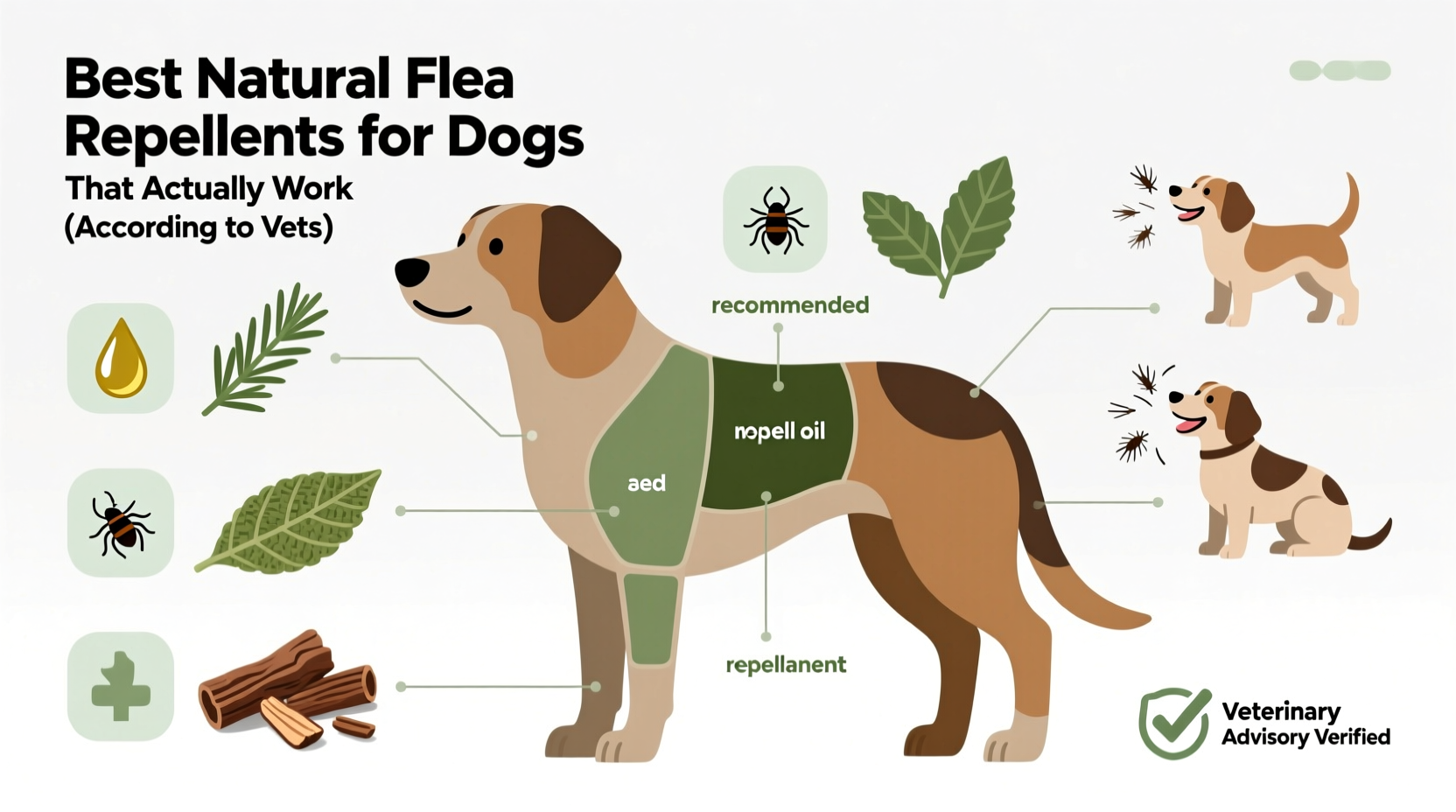
The shift toward natural flea prevention isn’t just a wellness trend—it reflects growing awareness about the potential side effects of long-term chemical exposure. Some dogs develop sensitivities to topical pesticides, and runoff from spot-on treatments has raised ecological concerns. Additionally, indoor environments with carpets and upholstery can trap residues, increasing household exposure.
Veterinarian Dr. Karen Becker, known for her integrative approach to pet care, emphasizes balance: “I’m not against conventional preventives when they’re truly needed, especially in high-risk areas. But for dogs with mild exposure or sensitivities, natural options can play a valuable role—provided they’re evidence-based and used responsibly.”
Natural doesn’t automatically mean safer. For example, tea tree oil, though popular, is highly toxic to dogs even in small amounts. The key lies in choosing substances proven to repel fleas without compromising your pet’s health.
Top 5 Natural Flea Repellents Backed by Vets
Below are the most consistently recommended natural flea deterrents supported by veterinary experts and peer-reviewed studies.
1. Diluted Apple Cider Vinegar (ACV) Spray
Apple cider vinegar alters the pH of your dog’s skin and coat, making it less attractive to fleas. While no large-scale clinical trials exist specifically on ACV as a flea repellent, its acidic nature disrupts the environment fleas prefer.
How to Use: Mix equal parts raw, unfiltered ACV and water in a spray bottle. Apply lightly to your dog’s coat—avoiding eyes, nose, mouth, and open wounds—after walks or baths. Reapply every few days.
Tip: Always dilute ACV before applying. Never use on puppies, dogs with sensitive skin, or near broken skin.2. Cedarwood Oil (Properly Diluted)
Cedarwood essential oil contains naturally occurring compounds like cedrol that repel insects. A study published in *Parasitology Research* found cedarwood oil demonstrated significant repellency against fleas in controlled settings.
Veterinary dermatologist Dr. Emily Torres notes: “Cedarwood is one of the safer essential oils when diluted correctly. I’ve seen clients reduce flea burden using sprays containing 0.5–1% concentration alongside regular grooming.”
Safe Application: Add 5–10 drops of food-grade cedarwood oil per 8 oz of water or carrier oil (like fractionated coconut oil). Spray lightly on the coat or apply with a cloth to collar or bedding.
3. Lemongrass Oil (With Caution)
Lemongrass contains citral and geraniol—compounds shown in lab studies to interfere with flea nervous systems. One 2011 study in *Veterinary Parasitology* showed lemongrass essential oil had over 95% repellency within four hours.
However, essential oils must be used with extreme caution. Dogs metabolize them differently than humans, and undiluted application can lead to toxicity.
Vet Recommendation: Use only in concentrations below 1%. Avoid use in households with cats, as they are especially vulnerable to essential oil toxicity.
4. Diatomaceous Earth (Food Grade Only)
Diatomaceous earth (DE) is a fine powder made from fossilized algae. It works mechanically—microscopic shards cut through the exoskeleton of fleas, causing dehydration and death.
Only food-grade DE should be used around pets. Pool-grade is chemically treated and hazardous.
Application Tips: Lightly dust DE onto your dog’s coat (avoiding face), then rub in gently. Also sprinkle on carpets, baseboards, and dog bedding. Vacuum thoroughly after 24–48 hours.
“Diatomaceous earth is non-toxic and effective when used properly. Just remember—it’s a desiccant, so don’t overapply and dry out your pet’s skin.” — Dr. Alan Foster, DVM, Integrative Veterinary Care Specialist
5. Flea-Repellent Herbs & Collars
Some herbal collars infused with essential oils like citronella, eucalyptus, and lavender have shown moderate efficacy in field studies. However, effectiveness varies widely by brand and formulation.
Vets recommend avoiding collars with unknown ingredients or those marketed as “100% natural” without transparency. Look for products tested for safety and labeled for canine use.
Alternatively, grow flea-repellent plants like rosemary, lavender, or marigolds around your yard to create a natural barrier.
What Doesn’t Work (And Could Be Harmful)
Despite widespread online claims, several natural remedies lack scientific support or pose risks:
- Garlic supplements: Often touted as a blood deterrent, but garlic is toxic to dogs—even in small doses. It can cause hemolytic anemia.
- Tea tree oil: Highly neurotoxic to dogs. Even low concentrations (1–2%) have caused tremors, lethargy, and liver damage.
- Brewer’s yeast alone: No strong evidence supports its ability to repel fleas, despite anecdotal reports.
- Undiluted essential oils: Never apply directly. They can cause chemical burns, respiratory distress, or seizures.
Step-by-Step Guide to Using Natural Flea Repellents Safely
Natural solutions require consistency and correct usage. Follow this timeline to maximize effectiveness:
- Week 1: Assess Your Dog’s Needs
Check for existing infestations. Comb your dog daily with a flea comb. Note any redness, scabs, or excessive scratching. - Day 1–3: Deep Clean Environment
Wash all bedding in hot water. Vacuum carpets, furniture, and baseboards. Dispose of vacuum contents outside. - Day 4: Begin Topical Spray Routine
Start with a diluted ACV or cedarwood spray. Test on a small patch first. Monitor for irritation. - Day 5: Introduce Diatomaceous Earth (Optional)
Sprinkle food-grade DE on carpets and dog beds. Reapply after vacuuming. - Ongoing: Weekly Maintenance
Reapply sprays 2–3 times per week. Groom regularly. Rotate natural methods to prevent adaptation. - Monthly: Evaluate Effectiveness
If fleas persist despite consistent use, consult your vet. You may need a temporary conventional treatment to break the life cycle.
Real-World Example: Managing Fleas in a Multi-Pet Home
Sarah, a pet owner in Portland, Oregon, struggled with recurring fleas during humid summers. Her two dogs were reactive to chemical spot-ons, developing rashes and lethargy. After consulting her holistic vet, she adopted a multi-pronged natural strategy:
- She began spraying a diluted mix of ACV and lemongrass oil (0.7%) on her dogs’ coats three times weekly.
- She applied food-grade diatomaceous earth to carpets and under furniture every two weeks.
- She washed bedding in hot water weekly and added a few drops of lavender oil to the rinse cycle.
- She planted marigolds along her backyard fence line—a known flea deterrent.
Within four weeks, flea sightings dropped by over 80%. Six months later, with continued diligence, she remained flea-free. Her vet noted improved coat condition and fewer allergy flare-ups.
This case illustrates that natural flea control isn’t passive—it requires active management and environmental control. But when done right, it can be highly effective.
Comparison Table: Natural vs. Conventional Flea Treatments
| Method | Natural Option | Conventional Option | Effectiveness | Safety Notes |
|---|---|---|---|---|
| Topical | Diluted cedarwood/lemongrass spray | Fipronil (Frontline) | Moderate (prevention); Low (active infestation) | Safe if diluted; avoid eyes and ingestion |
| Environmental | Food-grade diatomaceous earth | Insect growth regulators (IGRs) | High (with repeated use) | Non-toxic; wear mask when applying |
| Oral | None proven effective | Nitenpyram (Capstar), Spinosad (Comfortis) | Very High (rapid kill) | Natural oral options lack evidence |
| Collar | Herbal-infused collars (e.g., cedar, lavender) | Flumethrin/Imidacloprid (Seresto) | Low-Moderate | Check ingredient list; avoid unknown oils |
FAQ: Common Questions About Natural Flea Control
Can natural flea repellents eliminate an existing infestation?
No single natural method reliably eliminates a full-blown infestation. They work best as preventatives or in early-stage control. For established infestations, vets often recommend short-term conventional treatment to break the lifecycle, followed by natural maintenance.
Are essential oils safe for puppies?
Generally, no. Puppies have immature livers and are more susceptible to essential oil toxicity. Avoid all essential oils on dogs under 12 weeks old. For older puppies, use only highly diluted, vet-approved formulations—and only after patch testing.
How often should I reapply natural sprays?
Every 2–3 days for optimal protection, especially after bathing or swimming. ACV sprays may be used more frequently, but discontinue if skin becomes dry or irritated.
Checklist: Using Natural Flea Repellents the Right Way
- ✅ Consult your vet before starting any new regimen
- ✅ Patch test any new product on a small area of skin
- ✅ Dilute essential oils properly (never use undiluted)
- ✅ Use only food-grade diatomaceous earth (not pool-grade)
- ✅ Wash bedding weekly in hot water
- ✅ Vacuum carpets and furniture at least twice a week
- ✅ Monitor your dog for signs of irritation or toxicity
- ✅ Combine multiple methods for better results
- ✅ Reevaluate monthly—if fleas persist, consider temporary conventional treatment
Final Thoughts: Balance, Safety, and Realistic Expectations
Natural flea repellents can be effective tools in your pet care arsenal—but they require informed use. The goal isn’t to reject modern medicine, but to integrate safer, sustainable practices where appropriate.
Veterinarians agree: the best flea control strategy is tailored to your dog’s lifestyle, health status, and geographic risk. In low-exposure environments, natural methods may suffice. In high-risk areas (e.g., warm, humid climates with wildlife access), combining natural prevention with occasional conventional treatment may be the most responsible choice.
Always prioritize safety over convenience. Read labels, avoid unproven remedies, and stay vigilant for signs of infestation.
🚀 Start today: Pick one vet-backed natural method—like diluted ACV spray or food-grade diatomaceous earth—and implement it consistently. Pair it with grooming and environmental hygiene. Your dog will thank you with fewer itches, a shinier coat, and a healthier life.








