French Bulldogs are beloved for their expressive eyes, compact build, and affectionate personalities. However, they are also notoriously prone to digestive sensitivities and skin issues due to their unique physiology and genetic predispositions. Choosing the right kibble isn’t just about nutrition—it’s a critical step in managing discomfort, preventing flare-ups, and supporting long-term vitality. With so many options on the market, identifying a formula that balances gentle digestion, skin support, and palatability can feel overwhelming. This guide cuts through the noise, offering evidence-based insights into the best kibble choices tailored specifically for French Bulldogs with sensitive systems.
Why French Bulldogs Need Specialized Nutrition
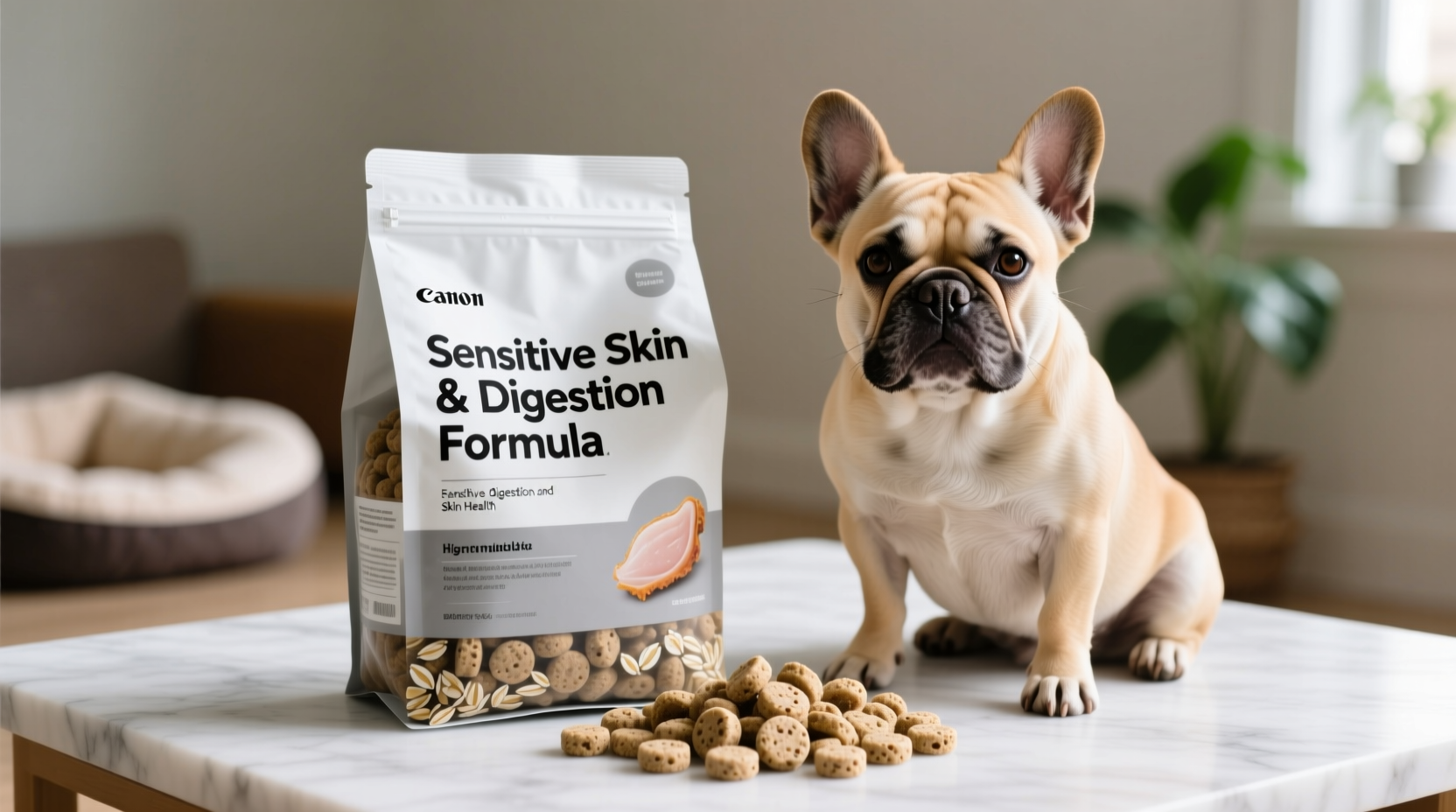
French Bulldogs have short digestive tracts and a higher likelihood of food intolerances, particularly to common allergens like chicken, beef, corn, and soy. Their brachycephalic (flat-faced) structure also affects how they eat, often leading to gulping air and bloating if meals aren’t properly managed. Skin conditions such as atopic dermatitis, yeast infections, and dry, flaky coats are frequent complaints among owners—often linked to underlying dietary imbalances or inflammatory ingredients.
A 2022 study published in *Veterinary Dermatology* found that over 60% of French Bulldogs with chronic skin irritation showed significant improvement after switching to limited-ingredient, hypoallergenic diets. The research underscores the role of diet not just in symptom management but in addressing root causes of inflammation.
“Diet is one of the most powerful tools we have in managing both gastrointestinal and dermatological health in breeds like the French Bulldog.” — Dr. Lena Patel, Veterinary Nutritionist, DACVN
Key Ingredients to Look For (and Avoid)
The foundation of a supportive kibble lies in its ingredient profile. Not all proteins and carbohydrates behave the same way in sensitive systems. Prioritizing highly digestible, novel ingredients can make a dramatic difference.
Beneficial Ingredients
- Novel Proteins: Duck, venison, rabbit, or salmon provide essential amino acids without triggering immune responses common with chicken or beef.
- Prebiotics & Probiotics: Inulin, chicory root, and strains like Bacillus coagulans promote healthy gut flora, reducing gas and irregular stools.
- Omega-3 Fatty Acids: Sourced from fish oil or flaxseed, these reduce skin inflammation and support a lustrous coat.
- Soluble Fiber: Pumpkin, psyllium, or beet pulp help regulate bowel movements without irritating the gut lining.
- Vitamin E & Zinc: Critical for skin barrier function and healing.
Ingredients to Avoid
- Artificial preservatives (BHA, BHT, ethoxyquin)
- Common allergens: chicken by-product meal, corn gluten, soybean meal
- Fillers like wheat, rice, or tapioca in high concentrations
- Synthetic colors and flavors
Top 5 Kibbles for Sensitive French Bulldogs
Based on veterinary recommendations, customer feedback, and nutritional analysis, the following kibbles consistently stand out for supporting both digestion and skin health.
| Brand & Product | Key Features | Protein Source | Potential Drawbacks |
|---|---|---|---|
| Royal Canin French Bulldog Adult | Tailored kibble shape, EPA/DHA for skin, prebiotics | Chicken, pork by-products | Contains chicken—may not suit all sensitive dogs |
| Nature’s Domain Limited Ingredient Salmon & Sweet Potato | Hypoallergenic, grain-free, omega-rich | Salmon | Sweet potato may cause gas in some dogs |
| Wellness Simple Limited Ingredient Duck & Oatmeal | Digestive support, single animal protein, no fillers | Duck | Oatmeal may not be suitable for grain-sensitive individuals |
| Blue Buffalo Basics Limited Ingredient Formula | LIFE SOURCE Bits for immunity, DHA for skin | Turkey | Pricier than average; availability varies |
| Earthborn Holistic Venture Grain-Free Venison | High protein, no grains, includes probiotics | Deboned venison | Strong odor reported by some owners |
Transitioning Your French Bulldog to a New Kibble
Switching food abruptly can worsen digestive upset. A structured transition plan allows the gut microbiome to adapt gradually.
- Days 1–2: Mix 25% new kibble with 75% old kibble.
- Days 3–4: Use a 50/50 blend.
- Days 5–6: Shift to 75% new, 25% old.
- Day 7 onward: Feed 100% new kibble.
Monitor your dog closely during this period. Signs of intolerance include loose stools, excessive gas, vomiting, or increased scratching. If symptoms persist beyond day 8, discontinue use and consult your vet.
“Slow transitions are non-negotiable with Frenchies. Their guts simply don’t handle sudden changes well.” — Dr. Marcus Tran, Small Animal Practitioner
Real-Life Example: Max’s Turnaround
Max, a 3-year-old French Bulldog from Portland, had chronic soft stools and itchy paws for over a year. His owner tried multiple brands labeled “sensitive stomach,” but saw little improvement. After a veterinary consultation, Max was switched to Wellness Simple Limited Ingredient Duck & Oatmeal. Within three weeks, his stool consistency normalized. By week six, his paw licking decreased significantly, and his coat regained a healthy sheen. Blood work confirmed reduced inflammatory markers. While not an overnight fix, the combination of a novel protein and targeted nutrients made a measurable difference.
Feeding Best Practices for Optimal Digestion
Nutrition doesn’t end at the bag. How you feed matters just as much as what you feed.
- Divide daily portions into two smaller meals to prevent bloat.
- Use slow-feed bowls to reduce air intake during eating.
- Avoid exercise within one hour of feeding.
- Store kibble in an airtight container away from heat and moisture.
- Always provide fresh water, especially when feeding dry food.
FAQ
Can I mix kibble with wet food for my French Bulldog?
Yes, combining kibble with grain-free, limited-ingredient wet food can enhance palatability and moisture intake. Just ensure both products align in quality and avoid mixing multiple protein sources unless advised by a vet.
How long does it take to see improvements in skin and digestion?
Most owners notice changes within 3–6 weeks. Skin renewal takes longer—up to 8–12 weeks—due to the hair growth cycle. Consistency is key.
Is grain-free always better for sensitive Frenchies?
Not necessarily. While some dogs benefit from grain-free diets, recent FDA studies have raised concerns about potential links to dilated cardiomyopathy (DCM) in certain breeds. Unless your dog has a diagnosed grain allergy, whole grains like oats or barley can be highly digestible and beneficial.
Final Checklist Before You Buy
- Confirm the primary protein is novel or easily digestible.
- Check for added omega-3s and probiotics.
- Avoid artificial additives and common allergens.
- Ensure the brand uses third-party testing for quality control.
- Verify return policy or trial options (some offer money-back guarantees).
Conclusion
Finding the best kibble for a French Bulldog with sensitive digestion and skin concerns requires patience, observation, and informed choices. The right formula can transform daily discomfort into consistent well-being, giving your Frenchie the energy and comfort they deserve. Don’t settle for marketing claims—look at ingredient integrity, clinical backing, and real-world results. Start with a high-quality limited-ingredient diet, transition carefully, and track progress diligently. Your dog’s gut and skin will thank you.
💬 Have a success story or question about feeding your French Bulldog? Share your experience below—your insight could help another owner find relief for their pup.








