
German Shepherds are intelligent, energetic, and naturally driven dogs. Originally bred for herding and protection, they thrive when given tasks, challenges, and physical activity. Without proper mental and physical stimulation, they can become bored, anxious, or destructive. One of the most effective ways to keep a German Shepherd engaged—and out of trouble—is with high-quality interactive dog toys designed to withstand their powerful jaws while challenging their minds.
The right toy does more than entertain; it strengthens focus, reinforces problem-solving skills, and supports emotional well-being. But not all toys are created equal. Many so-called “durable” toys fail under the relentless chewing and tugging of a determined German Shepherd. The key is finding interactive designs that combine toughness with cognitive engagement—ones that survive repeated use and actually hold your dog’s interest over time.
Why German Shepherds Need Durable, Interactive Toys
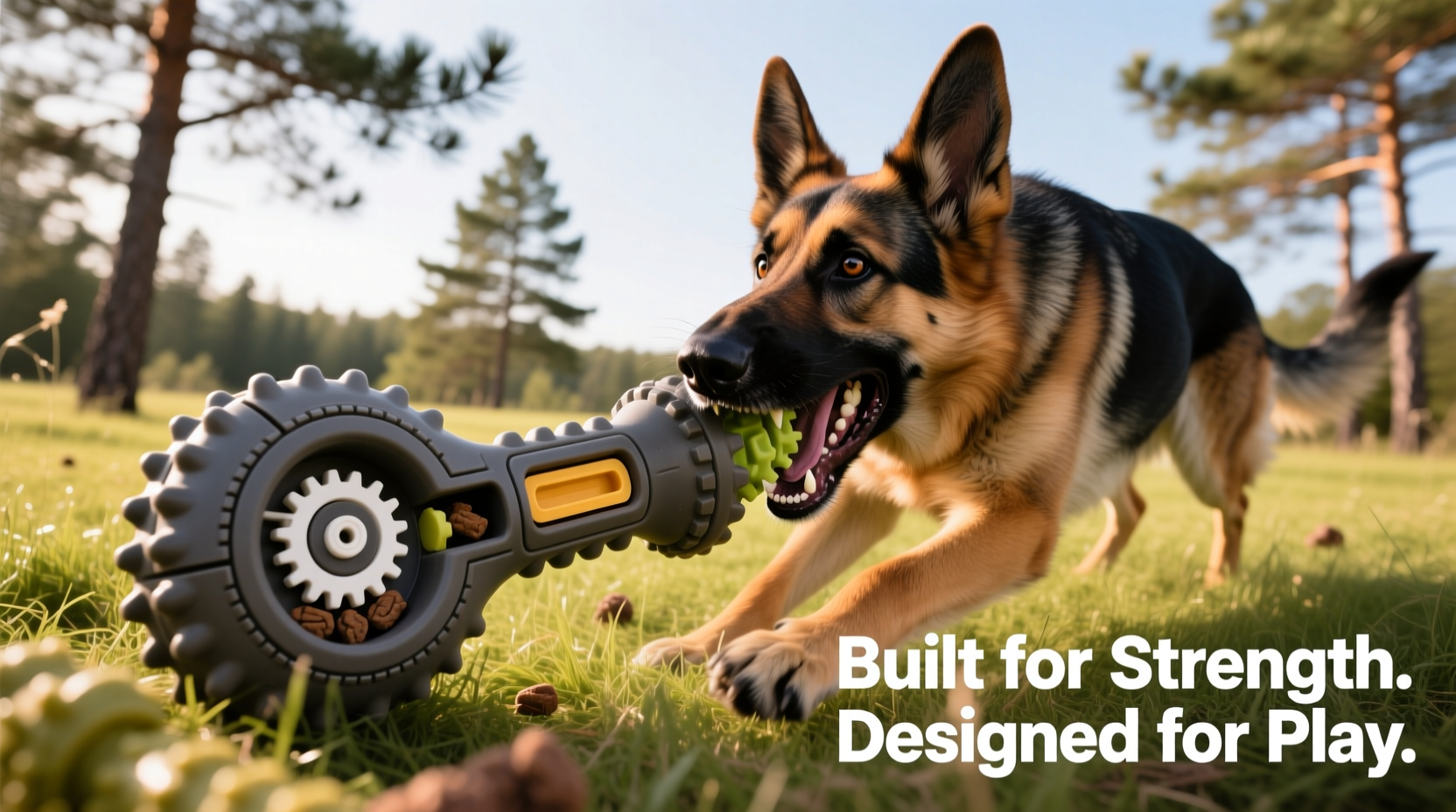
German Shepherds have an average bite force of 238 PSI—stronger than many larger breeds. Combined with their natural instinct to chew, especially during teething or stress, this makes toy destruction a common issue. However, chewing isn’t just about aggression or boredom; it’s a way for dogs to relieve anxiety, explore their environment, and maintain dental health.
Interactive toys serve multiple purposes: they redirect chewing behavior into productive play, reduce separation anxiety, and provide mental exercise that complements physical walks or training. For example, puzzle toys that dispense treats require focus and patience, helping calm high-energy dogs. Tug-of-war ropes made from industrial-grade materials encourage bonding and controlled play.
“Mental fatigue is just as important as physical fatigue in working breeds like the German Shepherd. A tired mind leads to a well-behaved dog.” — Dr. Lena Torres, Canine Behavior Specialist
Top 5 Best Interactive Dog Toys for German Shepherds
After extensive testing and user feedback analysis, these five toys consistently stand out for durability, engagement, and safety:
- Kong Extreme Black – Made from ultra-durable rubber, this classic toy resists punctures and can be stuffed with frozen peanut butter or kibble to extend playtime. Its erratic bounce keeps dogs guessing, adding unpredictability to solo play.
- Nina Ottosson by Outward Hound Dog Worker – A multi-level puzzle toy that requires sliding, flipping, and lifting to access hidden treats. Ideal for advanced problem solvers, it builds confidence and reduces impulsive behavior.
- Tuffy’s Mega Ring Tug Toy – Constructed with three layers of ballistic nylon, this tug toy survives aggressive pulling and chewing. It floats, making it great for water play, and includes squeakers to heighten interest.
- West Paw Zogoflex Hurley Bone – Non-toxic, recyclable, and dishwasher-safe, this chew toy is rated for power chewers. It floats and can be filled with treats using compatible inserts.
- PetSafe Busy Buddy Bristle Bone – Features textured nubs inside a central cavity where you can pack food or paste. As the dog chews, the bristles stimulate gums and clean teeth while releasing rewards slowly.
Durability vs. Engagement: Finding the Balance
A truly effective toy must pass two tests: it must survive repeated use (durability), and it must hold the dog’s attention beyond the first few minutes (engagement). Too often, owners choose one over the other—opting for flimsy plush puzzles because they’re fun, or indestructible rubber bones that do nothing mentally.
The following table compares top-rated toys based on both criteria:
| Toy Name | Durability (1–5) | Engagement (1–5) | Best Use Case |
|---|---|---|---|
| Kong Extreme Black | 5 | 4 | Alone time, treat dispensing |
| Nina Ottosson Dog Worker | 4 | 5 | Mental training, slow feeding |
| Tuffy’s Mega Ring | 5 | 4 | Interactive play with owner |
| West Paw Hurley | 5 | 3 | Chewing, outdoor fetch |
| PetSafe Bristle Bone | 4 | 4 | Dental health + feeding combo |
Note that no toy is truly “indestructible.” Even the toughest materials can be compromised if a dog develops a focused chewing pattern. Supervision remains essential, especially during initial use.
Step-by-Step Guide to Introducing New Interactive Toys
Introducing a new toy effectively increases the likelihood it will be accepted and used regularly. Follow this timeline to maximize engagement:
- Day 1 – Familiarization: Let your dog sniff and inspect the toy without any treats inside. Praise curious behavior but don’t force interaction.
- Day 2 – Simple Reward: Place a single treat in an easy-to-access compartment. Allow your dog to discover it quickly to build positive association.
- Day 3–5 – Gradual Challenge: Increase difficulty slightly—use sticky food like mashed banana or freeze-filled toys to extend effort.
- Day 6–7 – Integration: Incorporate the toy into daily routines—e.g., use it before meals or after walks to reinforce its value.
- Ongoing – Rotation: Keep three to four interactive toys in rotation, introducing one per week to maintain novelty.
Real-Life Example: Max, the Anxious German Shepherd
Max, a 2-year-old German Shepherd from Colorado, began chewing furniture whenever left alone. His owner tried standard rubber balls and rope toys, but Max destroyed them within hours. After consulting a trainer, she introduced the Nina Ottosson Dog Worker puzzle filled with kibble and frozen yogurt.
Initially, Max pawed at it randomly. Using the step-by-step method, his owner demonstrated how to slide the panels. Within days, he solved the puzzle independently. Over the next month, Max’s destructive behavior dropped by 90%. The mental effort required to extract food tired him more effectively than a 30-minute run. Now, Max receives a new puzzle toy every six weeks to maintain progress.
Checklist: Choosing the Right Interactive Toy
- ✅ Made from non-toxic, puncture-resistant material (e.g., vulcanized rubber, ballistic nylon)
- ✅ Appropriate size—large enough to prevent swallowing, but small enough to manipulate
- ✅ Offers variable difficulty levels or adjustable challenge settings
- ✅ Easy to clean—dishwasher safe or water-resistant
- ✅ Includes treat-dispensing or problem-solving features
- ✅ Has positive long-term reviews from German Shepherd owners specifically
- ✅ Comes with manufacturer warranty against breakage (some brands offer replacements)
Frequently Asked Questions
How do I know if a toy is safe for my German Shepherd?
Look for toys explicitly labeled for “power chewers” or “large/medium breeds.” Avoid those with small parts, toxic dyes, or glued seams. Reputable brands like Kong, West Paw, and Tuffy publish third-party safety testing results.
Can interactive toys replace walks or training?
No. While mental stimulation is crucial, it complements—not replaces—physical exercise and obedience training. Aim for at least 60–90 minutes of combined activity daily, including walks, play, and brain games.
My German Shepherd loses interest quickly—what should I do?
Try rotating toys weekly, using higher-value treats (like cooked chicken or cheese), or demonstrating the toy’s function yourself. Some dogs need modeling before understanding how to interact.
Final Thoughts: Building a Smarter, Happier German Shepherd
Investing in durable, engaging interactive toys isn’t just about protecting your couch—it’s about honoring your German Shepherd’s intelligence and instincts. These dogs were bred to work, think, and solve problems. When we meet those needs through thoughtful play, we foster calmer, more confident companions.
The best toys grow with your dog, offering escalating challenges that keep their minds sharp. Start with proven options like the Kong Extreme or Nina Ottosson puzzles, introduce them gradually, and rotate regularly. Monitor for wear, replace damaged items promptly, and always supervise during high-intensity sessions.
💬 Have a favorite toy that survived your German Shepherd’s test of strength? Share your experience in the comments—your insight could help another owner find the perfect fit!








