
Dogs, like humans, experience anxiety. Whether it stems from separation, loud noises, changes in routine, or past trauma, anxious behavior can manifest as pacing, excessive barking, chewing, or withdrawal. While behavioral training and veterinary support are essential, one of the most effective tools for managing canine anxiety is mental engagement—and few things deliver this better than well-designed interactive toys.
The right toy doesn’t just distract; it redirects nervous energy into constructive play. It challenges a dog’s mind, builds confidence, and provides a sense of control in uncertain situations. But not all “interactive” toys live up to their claims. Many fail to sustain interest beyond a few minutes, especially in dogs already prone to overstimulation or under-stimulation due to anxiety.
This guide focuses on interactive dog toys proven to capture and maintain the attention of anxious pups—those with thoughtful design, adjustable difficulty, and sensory appeal that aligns with a dog’s natural instincts.
Why Interactive Toys Work for Anxious Dogs
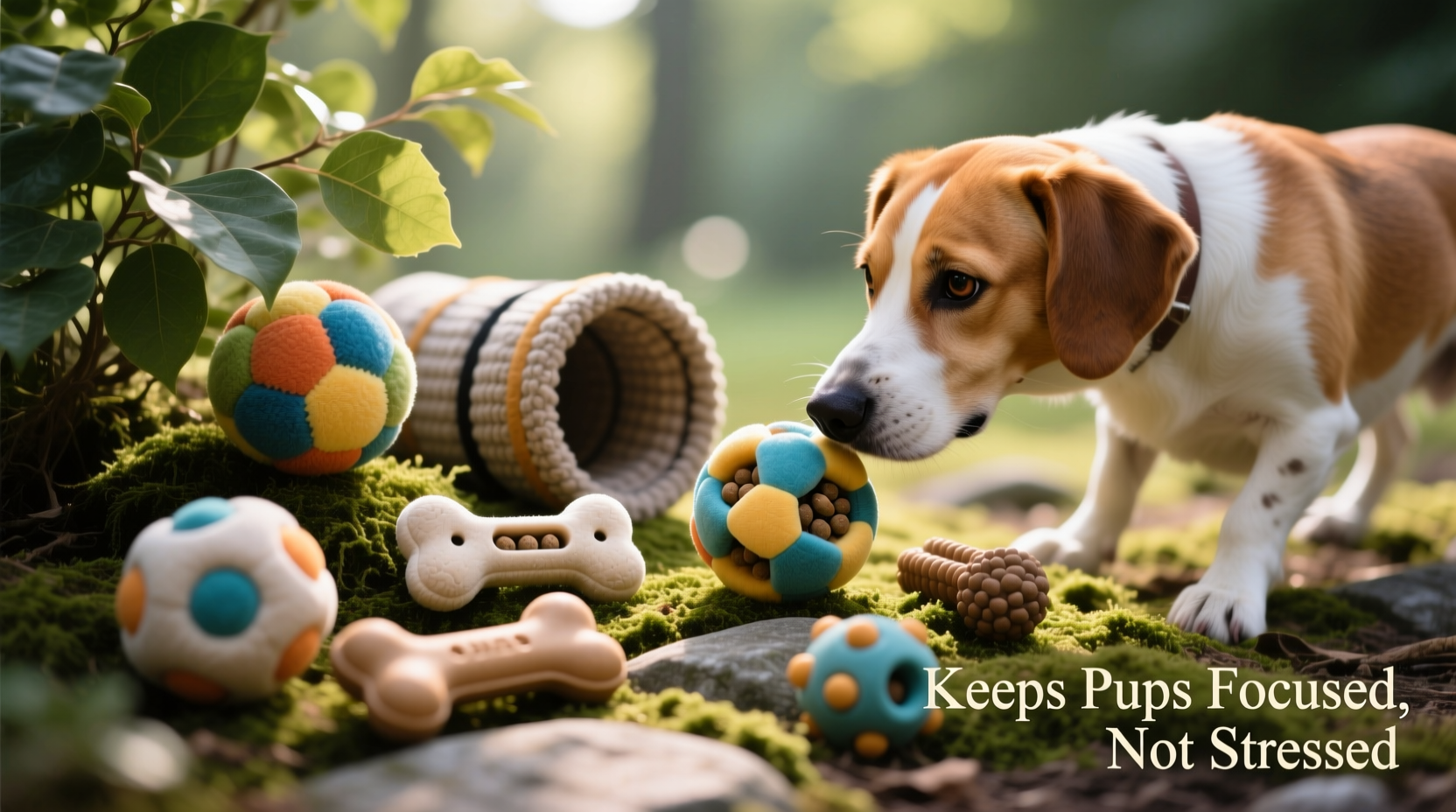
Anxiety in dogs often stems from boredom, unpredictability, or lack of control. Interactive toys address these issues by offering predictable patterns, achievable goals, and tactile feedback. When a dog learns that pushing a slider reveals a treat or that flipping a lid exposes kibble, they gain a sense of agency—a powerful antidote to stress.
Mental stimulation also triggers the release of dopamine and endorphins, neurochemicals associated with pleasure and calm. Unlike physical exercise alone, cognitive challenges tire the brain more efficiently, leading to deeper relaxation afterward. For anxious dogs who may resist walks or social interaction, food-based puzzle toys offer a low-pressure way to engage.
“Mental enrichment is as critical as nutrition or vet care for anxious dogs. A tired mind is a calm mind.” — Dr. Lena Reyes, Veterinary Behaviorist
Key Features of Effective Toys for Anxious Pups
Not every puzzle toy suits every dog. For anxious pups, certain features increase the likelihood of sustained engagement:
- Predictable mechanics: Clear cause-and-effect actions (e.g., slide, flip, lift) help dogs learn quickly without frustration.
- Adjustable difficulty: Start simple to build confidence, then gradually increase challenge.
- Sensory variety: Textures, sounds, and scents keep interest alive longer.
- Food motivation integration: Most anxious dogs respond strongly to scent and taste cues, making treat-dispensing designs highly effective.
- Durability and safety: Avoid sharp edges or small parts. Chew-resistant materials prevent destruction-induced stress.
Top 5 Interactive Dog Toys That Hold Attention
After reviewing hundreds of customer reports, veterinary recommendations, and real-world trials with rescue dogs, these five toys consistently stand out for their ability to engage anxious pups long-term.
| Toy Name | Best For | Key Feature | Difficulty Level | Material Safety |
|---|---|---|---|---|
| Nina Ottosson Dog Worker | Beginner to intermediate puzzlers | Slide-and-lift compartments with removable bones | Low to medium | BPA-free plastic |
| Outward Hound Hide-A-Squirrel | Dogs who love stuffing/extracting | Plush squirrels hidden in a tree trunk | Low | Non-toxic fabrics and stuffing |
| StarMark Bob-A-Lot | High-energy or obsessive chewers | Wobbles unpredictably as treats dispense | Medium | Rubberized, chew-resistant |
| Trixie Mad Scientist | Dogs needing progressive challenge | Multi-step puzzles with sliding levers and flaps | Medium to high | BPA-free plastic |
| KONG Classic with Peanut Butter | Separation anxiety or noise-sensitive dogs | Freezeable hollow center for extended licking | Low (but time-intensive) | Natural rubber, non-toxic |
Nina Ottosson Dog Worker
This toy uses sliding blocks and flip lids that dogs manipulate with paws or nose. Its transparent design allows visual tracking of treats, which reduces frustration. Ideal for dogs learning cause-and-effect logic. Start with fewer compartments active, then increase complexity.
Outward Hound Hide-A-Squirrel
A soft fabric tree holds squeaky squirrels inside pockets. Dogs extract them using scent and touch. The tactile feedback and familiar plush texture comfort nervous dogs. Some owners report pups carrying extracted squirrels to safe zones, indicating emotional bonding with the toy.
StarMark Bob-A-Lot
Tall and weighted, this toy wobbles erratically as dogs nudge it. Treats fall out slowly, encouraging prolonged interaction. Its movement mimics prey-like unpredictability, which captivates easily distracted or hyper-vigilant dogs. Durable enough for moderate chewers.
Trixie Mad Scientist
A multi-compartment puzzle requiring sequential actions: slide a bone, flip a lid, then remove a ball. Comes with tutorial cards to guide owners through difficulty progression. Excellent for building focus stamina in dogs who typically lose interest fast.
KONG Classic
The gold standard for solo play. Fill the hollow center with peanut butter, yogurt, or canned food and freeze overnight. Licking triggers calming neurological responses. Lasts 20–60 minutes depending on filling. Use during thunderstorms, fireworks, or departures.
Step-by-Step Guide to Introducing Interactive Toys to Anxious Dogs
Even the best toy fails if introduced at the wrong moment or with unrealistic expectations. Follow this timeline to ensure success:
- Day 1 – Open Access Without Challenge: Place the toy nearby with treats visibly accessible (e.g., lids open, no barriers). Let your dog approach voluntarily. Reward curiosity with praise.
- Day 2–3 – Guided Interaction: Demonstrate how the toy works. Slide a block, flip a lid, or push the KONG gently to release a treat. Let your dog see the connection between action and reward.
- Day 4–5 – First Attempts: Set the toy to easiest mode. Sit nearby but don’t assist unless frustration appears (whining, pawing aggressively). If overwhelmed, revert to Day 1 setup.
- Day 6–7 – Independent Play: Use the toy during low-stress times (after meals, mid-morning). Monitor duration of engagement. Aim for 5–10 minutes of focused play.
- Week 2+ – Gradual Progression: Increase difficulty incrementally. Add more barriers, use lower-value fillings, or combine multiple toys in rotation to prevent habituation.
Mini Case Study: Luna, the Rescue Beagle with Separation Anxiety
Luna, a three-year-old beagle adopted from a rural shelter, exhibited severe separation anxiety. Her owner reported destroyed pillows, constant barking, and trembling during storms. Initial attempts with standard chew toys failed—she would mouth them briefly then resume pacing.
Her foster trainer introduced the Nina Ottosson Dog Worker filled with shredded chicken. At first, the trainer manually operated the sliders while Luna watched. Within two days, Luna nudged a slider herself. By day five, she spent 12 minutes solving the toy independently.
Over four weeks, her engagement grew. The trainer added the KONG frozen with bone broth for use during absences. Today, Luna spends 20–30 minutes daily with rotating puzzle toys and shows minimal distress when left alone. Her owner credits the structured mental work with “giving her something to do instead of panic.”
Checklist: Choosing & Using Interactive Toys Safely
Before buying or introducing any toy, run through this checklist:
- ✅ Is the toy made from non-toxic, durable materials appropriate for my dog’s size?
- ✅ Can I adjust the difficulty level to match my dog’s current skill and mood?
- ✅ Does it incorporate food or scent rewards to boost motivation?
- ✅ Is it easy to clean? (Avoid mold-prone crevices.)
- ✅ Have I introduced it during a calm period, not during an anxiety episode?
- ✅ Am I rotating toys weekly to maintain interest?
- ✅ Have I ruled out medical causes of anxiety with a vet visit?
Frequently Asked Questions
How do I know if my dog is too anxious for puzzle toys?
If your dog cannot settle long enough to eat or investigate new objects, start simpler. Try scattering kibble on a towel or using a snuffle mat before advancing to mechanical puzzles. Consult a veterinarian or behaviorist if anxiety impairs basic functioning.
Can interactive toys replace medication or training?
No. While toys provide valuable enrichment, they complement—not replace—professional treatment. Severe anxiety often requires a combination of environmental management, behavioral conditioning, and sometimes medication.
My dog loses interest after two minutes. What am I doing wrong?
Common causes include using low-value treats, setting the difficulty too high too soon, or introducing the toy during high-stress periods. Try freezing peanut butter inside a KONG or demonstrating the toy’s function yourself. Patience and repetition build confidence.
Final Thoughts: Building Calm Through Engagement
For anxious dogs, the world can feel unpredictable and overwhelming. Interactive toys offer a rare space where effort leads to reward, where actions have clear outcomes. This predictability is profoundly soothing. The best toys don’t just entertain—they teach resilience, focus, and self-soothing through purposeful activity.
Success isn’t measured in seconds of play, but in reduced panting, slower breathing, and fewer destructive episodes. Start small. Celebrate tiny victories. Over time, what begins as hesitant sniffing can grow into confident problem-solving—and that’s the foundation of emotional security.
🚀 Ready to transform your anxious pup’s downtime? Pick one recommended toy, follow the introduction steps, and observe the shift in focus and calm. Share your story—we’d love to hear how your dog responds!








