For millions of people living with allergies or asthma, the dream of owning a dog often comes with hesitation. Pet dander, saliva, and urine can trigger symptoms ranging from sneezing and itchy eyes to severe respiratory distress. However, the right breed combined with proper care can make dog ownership not only possible but enjoyable. While no dog is 100% hypoallergenic, certain breeds produce fewer allergens and shed less, making them ideal for sensitive individuals. This guide explores the best hypoallergenic dog breeds, practical care strategies, and real-world insights to help allergy and asthma sufferers live comfortably with a canine companion.
Understanding Allergies and Dogs: What Triggers Reactions?
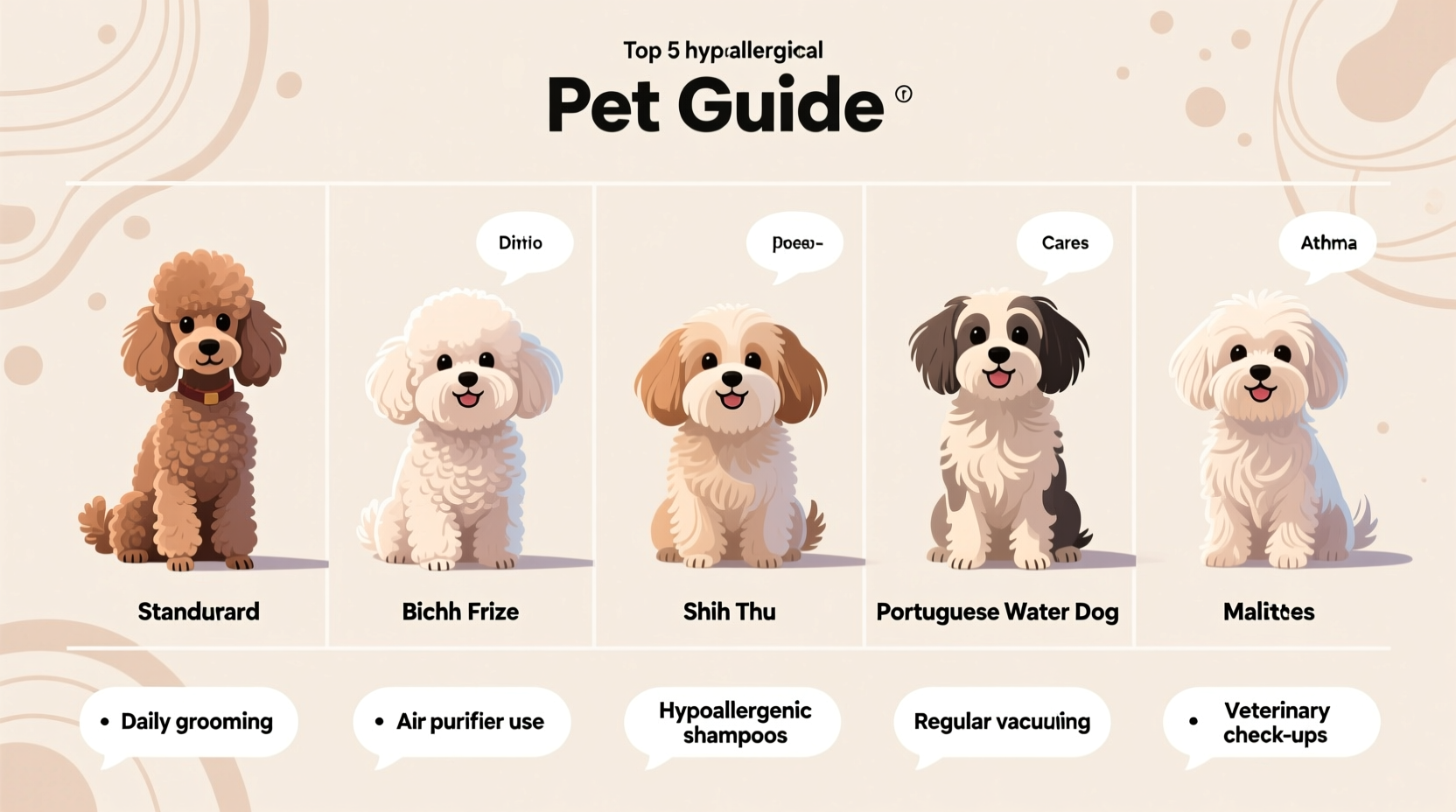
Allergic reactions to dogs are primarily caused by proteins found in their dander (dead skin cells), saliva, and urine—not the fur itself. When these allergens become airborne or settle on surfaces, they can be inhaled or come into contact with mucous membranes, triggering immune responses. Many assume that short-haired dogs are safer, but this isn’t always true. Some long-haired breeds that shed minimally and produce less dander are actually better suited for allergy sufferers than short-haired, heavy-shedding dogs.
The key factors influencing allergen levels include:
- Shedding frequency: Less shedding means fewer allergens released into the environment.
- Coat type: Curly or wiry coats tend to trap dander rather than release it.
- Grooming habits: Regular brushing and bathing reduce loose hair and dander.
- Drooling: Excessive saliva increases allergen spread when dried and aerosolized.
Top Hypoallergenic Dog Breeds for Allergy and Asthma Sufferers
Selecting a breed known for low shedding and minimal dander is the first step toward a comfortable coexistence. The following breeds are consistently recommended by allergists and veterinarians for individuals with sensitivities.
| Breed | Coat Type | Shedding Level | Allergy-Friendly Traits |
|---|---|---|---|
| Poodle (Toy, Miniature, Standard) | Curls tightly, wool-like | Very Low | Low dander, intelligent, easy to groom |
| Bichon Frise | Soft, curly white coat | Minimal | Nearly non-shedding, cheerful temperament |
| Maltese | Long, silky, straight | Low | Produces little dander, affectionate |
| Shih Tzu | Long, flowing double coat | Low (with grooming) | Traps dander in coat; requires frequent brushing |
| Portuguese Water Dog | Wavy or curly, single-layer | Very Low | Famous for low allergen output; used in service roles |
| Soft Coated Wheaten Terrier | Soft, wavy, single coat | Low | Minimal shedding; energetic and loyal |
“While no dog is completely non-allergenic, Poodles and Bichons are among the most tolerable for patients with moderate allergies.” — Dr. Lisa Chen, Board-Certified Allergist
Real-Life Example: Living Well with Asthma and a Dog
Sarah Thompson, a 34-year-old teacher with mild asthma, had always wanted a dog but feared flare-ups. After consulting her allergist, she adopted a Miniature Poodle named Milo. By implementing strict cleaning routines—vacuuming daily with a HEPA filter, keeping Milo out of the bedroom, and bathing him every two weeks—Sarah has not experienced any worsening of her condition. In fact, she reports improved mood and lower stress levels since becoming a pet owner.
“I was skeptical at first,” Sarah says, “but choosing a low-shedding breed and being consistent with care made all the difference. Milo is part of the family now—and my inhaler hasn’t been needed in months.”
Essential Care Tips to Minimize Allergens at Home
Even the most hypoallergenic dog produces some allergens. Managing your environment is just as important as choosing the right breed. These steps can significantly reduce exposure and improve air quality.
Step-by-Step Guide: Reducing Dog Allergens in Your Home
- Vacuum daily using a vacuum cleaner equipped with a HEPA filter to capture microscopic dander particles.
- Bathe your dog every 2–4 weeks with a gentle, hypoallergenic shampoo to remove surface allergens.
- Brush your dog outdoors at least twice a week to prevent loose hair and dander from spreading indoors.
- Wash bedding weekly in hot water (at least 130°F) to kill allergens.
- Install an air purifier with a HEPA filter in main living areas and bedrooms.
- Establish pet-free zones, especially the bedroom, to create a low-allergen sanctuary.
- Wash your hands after handling your dog and avoid touching your face until you do.
Checklist: Preparing Your Home for a Hypoallergenic Dog
- ✅ Choose a low-shedding, hypoallergenic breed suited to your lifestyle
- ✅ Schedule allergy testing to assess personal sensitivity
- ✅ Purchase a HEPA vacuum and air purifier
- ✅ Designate pet-free areas, especially sleeping spaces
- ✅ Stock up on vet-approved hypoallergenic shampoos and wipes
- ✅ Commit to regular grooming—either at home or professionally
- ✅ Wash hands and change clothes after prolonged contact if symptoms arise
Frequently Asked Questions
Are there truly hypoallergenic dogs?
No dog is completely hypoallergenic, but several breeds produce significantly fewer allergens due to low shedding and minimal dander. Breeds like Poodles, Bichon Frises, and Maltese are widely considered the best options for allergy sufferers.
Can I develop a tolerance to my dog over time?
Some people report reduced symptoms after prolonged exposure, but this is not guaranteed. In others, symptoms may worsen. It’s essential to monitor your health and consult an allergist if reactions persist.
Do puppies produce fewer allergens than adult dogs?
Not necessarily. While puppies may shed less initially, allergen production depends more on genetics and coat type than age. A hypoallergenic puppy will likely remain low-allergen as an adult, but crossbreeds or unknown lineage can be unpredictable.
Conclusion: Enjoy Companionship Without Compromise
Owning a dog while managing allergies or asthma is entirely feasible with informed choices and consistent care. By selecting a breed known for low allergen output and maintaining a clean, controlled environment, you can experience the emotional and physical benefits of pet ownership without sacrificing your health. The bond between humans and dogs is powerful—don’t let allergies stand in the way of finding your perfect match.
💬 Have you successfully adopted a dog despite allergies? Share your story or tips in the comments to help others navigate this journey with confidence.








