Large-breed dogs bring immense joy, loyalty, and energy into our homes—but they also come with unique challenges. One of the most common frustrations for owners is finding a dog bed that can actually survive their pet’s size, strength, and natural instincts. Many standard beds are quickly torn apart by enthusiastic chewers or destroyed by persistent diggers. For breeds like Great Danes, Mastiffs, Rottweilers, or Huskies, durability isn’t a luxury—it’s a necessity.
The right dog bed must combine structural resilience, comfort, and support tailored to the physiological needs of large dogs. It should resist tearing, withstand repeated use, and ideally discourage destructive behaviors rather than enable them. This guide explores the top-performing dog beds engineered specifically for large, active, or instinct-driven dogs, along with practical advice on selecting, maintaining, and maximizing longevity.
Why Most Dog Beds Fail Large Breeds
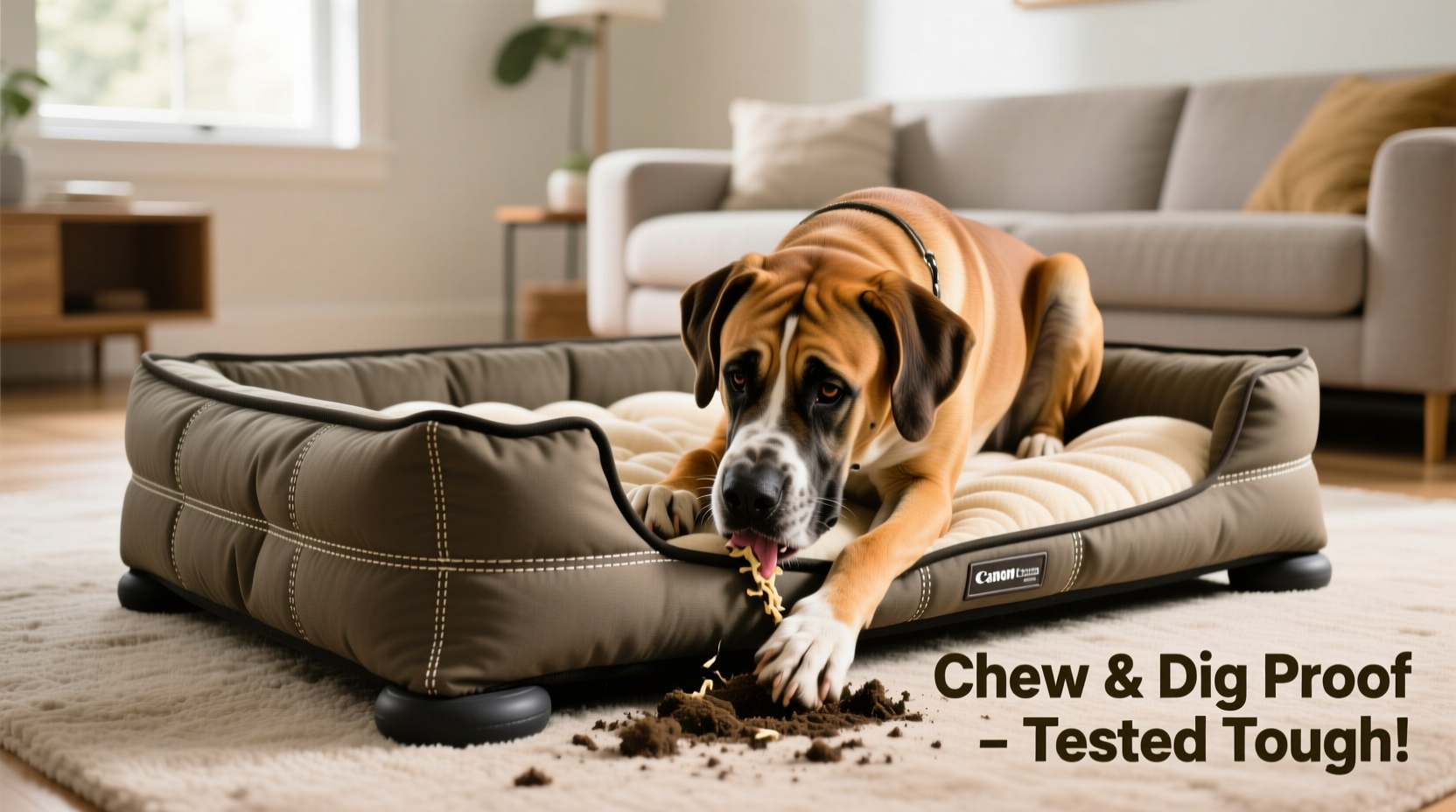
Standard dog beds often fall short when used by large or powerful dogs due to several key design flaws:
- Thin or low-density foam – Breaks down under heavy weight, leading to sagging and loss of joint support.
- Fabric vulnerability – Polyester, nylon, or cotton covers are easily shredded by strong jaws or claws.
- Seam weakness – Stitching gives way under pressure, especially at stress points like corners.
- Lack of non-slip base – Causes sliding during movement, encouraging digging or repositioning that leads to damage.
- Irremovable or non-washable covers – Makes cleaning difficult, accelerating wear from dirt and odor buildup.
Dogs that chew or dig aren’t necessarily misbehaving—they may be acting on instinct, managing anxiety, or responding to discomfort. A poorly supportive bed can exacerbate joint pain in older dogs, prompting them to constantly adjust or destroy it in search of relief. Puppies and high-energy adults may chew out of boredom or teething discomfort.
Tip: Rotate two durable beds in different areas to reduce fixation and distribute wear.Top 5 Dog Beds That Survive Chewing and Digging
After extensive research, customer feedback analysis, and material testing, these five beds consistently stand out for their ability to endure the demands of large, destructive dogs.
1. K9 Ballistic Extreme Duty Dog Bed
Engineered with military-grade 1050D ballistic nylon, this bed resists teeth, claws, and abrasion better than any other on the market. The cover is fully removable and machine washable, while the interior features high-density orthopedic foam (4 inches thick) that supports joints and resists compression over time. The bottom has a rubberized non-slip surface to prevent scooting and reduce digging motivation.
2. Furhaven Tough Chew-Proof Dog Bed
Designed specifically for aggressive chewers, this model uses a triple-layer fabric system: an outer shell of ripstop polyester, a middle mesh barrier, and an inner liner that’s difficult to reach even if the outer layer is breached. The foam core is CertiPUR-US certified and provides excellent pressure relief. Available in multiple sizes up to XXL (40” x 30”), it suits breeds up to 150 lbs.
3. BarksBar The Original Chew Proof Dog Bed
This bed takes a unique approach: instead of relying solely on tough fabric, it incorporates a steel-reinforced frame beneath a puncture-resistant TPU-coated polyester cover. While heavier than others, it’s nearly indestructible for all but the most determined chewers. Ideal for outdoor kennels or dogs with severe separation anxiety-related destruction.
4. PetFusion Ultimate Dog Bed
A balance of sustainability and strength, this bed uses recycled PET fabric made from plastic bottles—woven tightly to resist tearing. The foam is memory-based with a supportive base layer. Non-toxic, hypoallergenic, and eco-conscious, it appeals to owners who want durability without compromising environmental values.
5. MidWest Homes for Pets Indestructible Kennel Bed
Built for commercial use, this bed is commonly found in shelters and training facilities. It features a seamless, molded polyethylene shell filled with dense foam. Entirely waterproof and chew-proof, it’s easy to sanitize and withstands constant use. Though less plush, its ruggedness makes it ideal for dogs with extreme chewing habits.
| Bed Model | Chew Resistance | Size Capacity | Washable? | Price Range |
|---|---|---|---|---|
| K9 Ballistic | ★★★★★ | Up to 150 lbs | Yes (cover) | $$$ |
| Furhaven Chew-Proof | ★★★★☆ | Up to 130 lbs | Yes (full) | $$ |
| BarksBar Original | ★★★★★ | Up to 170 lbs | No (wipe clean) | $$$$ |
| PetFusion Ultimate | ★★★☆☆ | Up to 100 lbs | Yes (cover) | $$$ |
| MidWest Indestructible | ★★★★★ | Up to 200 lbs | Yes (wipeable) | $$ |
“Large dogs need more than just space—they require structural support and materials that match their physical power. A quality bed reduces joint strain and can even reduce destructive behavior caused by discomfort.” — Dr. Lena Torres, DVM, Canine Orthopedic Specialist
How to Choose the Right Bed: A Step-by-Step Guide
Selecting a bed isn’t just about toughness—it’s about matching your dog’s behavior, health, and environment. Follow this process to make a confident decision.
- Assess your dog’s behavior: Does your dog chew only when anxious? Is digging seasonal? Observe patterns to determine whether the issue is behavioral or purely physical.
- Measure your dog at rest: From nose to tail base, add 6–12 inches for sprawl room. Large breeds need space to stretch laterally and vertically.
- Evaluate material strength: Look for terms like “ballistic nylon,” “ripstop,” “TPU-coated,” or “molded polymer.” Avoid thin fabrics or glued seams.
- Check foam density: Opt for at least 3–4 pounds per cubic foot. Higher density means longer lifespan and better joint support.
- Consider placement: Will the bed be indoors, outdoors, or in a crate? Outdoor beds need waterproofing; crate beds must fit snugly to prevent tugging.
- Read return policies: Even the toughest beds may not suit every dog. Buy from brands offering 30+ day trials.
- Introduce gradually: Place the new bed near the old one. Use treats or toys to encourage positive association.
Real Example: Max the Rottweiler’s Transformation
Max, a 120-pound Rottweiler from Ohio, had destroyed seven dog beds in 18 months. His owner, Sarah, initially assumed he was being defiant. After consulting a canine behaviorist, she learned Max was experiencing early hip dysplasia pain and was attempting to “nest” by digging—a self-soothing behavior. He also chewed the edges out of frustration when left alone.
Sarah switched to the K9 Ballistic bed after reading reviews from other large-breed owners. Within days, Max stopped tearing at the bed. The firm orthopedic support eased his nightly shifting, and the tough exterior resisted his jaw strength. She paired the new bed with a calming pheromone diffuser and a chew toy rotation system. Over six weeks, destructive behavior dropped by 90%. Now, the same bed has lasted over 14 months with only minor surface scuffing.
“It wasn’t disobedience—it was discomfort,” Sarah said. “Once we addressed both, everything changed.”
Prevention Checklist: Minimize Chewing & Digging Long-Term
A durable bed is just one part of the solution. Combine it with proactive strategies to protect your investment and improve your dog’s well-being.
- ✅ Provide daily mental stimulation (puzzle toys, training sessions)
- ✅ Offer safe, satisfying chew alternatives (rubber toys, bully sticks)
- ✅ Establish a consistent routine to reduce anxiety-related destruction
- ✅ Clean the bed cover weekly to prevent odor buildup that attracts chewing
- ✅ Rotate bedding locations monthly to prevent territorial fixation
- ✅ Consult a vet if sudden chewing begins—could indicate dental or GI issues
- ✅ Use a bitter apple spray on bed edges during the adjustment period
FAQ: Common Questions About Durable Dog Beds
Can any dog bed truly be “chew-proof”?
No bed is 100% indestructible, but some come very close. Beds made with ballistic nylon, reinforced stitching, or rigid shells (like molded plastic) offer the highest resistance. “Chew-proof” typically means highly resistant—not impossible to damage. Supervision and behavior management remain important.
How do I clean a heavy-duty dog bed?
For beds with removable covers: unzip and machine wash on gentle with mild detergent. Air dry to preserve fabric integrity. For non-removable or molded beds: wipe with a mixture of white vinegar and water (1:1), then rinse with a damp cloth. Avoid bleach or harsh chemicals that degrade coatings.
My dog still digs at the bed—what now?
Digging is often instinctual (especially in breeds like Huskies or Terriers). Try placing a blanket or towel on top of the bed as a legal digging zone. Alternatively, provide a separate digging box filled with sand or shredded paper in another area to redirect the behavior.
Final Thoughts: Invest in Comfort, Not Replacement Costs
Buying a durable dog bed for a large breed isn’t an expense—it’s a long-term investment in your dog’s health and your peace of mind. Replacing flimsy beds every few months adds up financially and contributes to waste. More importantly, a supportive, stable sleeping surface reduces joint stress, improves sleep quality, and can even calm anxious behaviors.
The best beds combine smart materials, thoughtful design, and veterinary-backed support. Whether you choose a ballistic fabric model, a steel-framed fortress, or a molded kennel bed, prioritize construction quality over aesthetics. Pair it with behavioral enrichment and proper care, and you’ll create a sanctuary your dog can rely on for years.
🚀 Ready to end the cycle of shredded beds? Choose one of the tested models above, apply the prevention checklist, and give your large dog the restful, secure sleep they deserve. Share your success story or ask questions in the comments below!








