Rottweilers are powerful, intelligent dogs with a natural strength that demands thoughtful gear choices—especially when it comes to collars. A poorly designed collar can cause discomfort, lead to injury, or even fail during walks. The right collar balances durability, comfort, and safety. With so many options on the market, selecting one that suits your Rottweiler’s build, temperament, and lifestyle requires more than just guesswork. This guide cuts through the noise to deliver tested, expert-backed recommendations and practical advice to help you make an informed decision.
Why Rottweiler-Specific Collar Design Matters
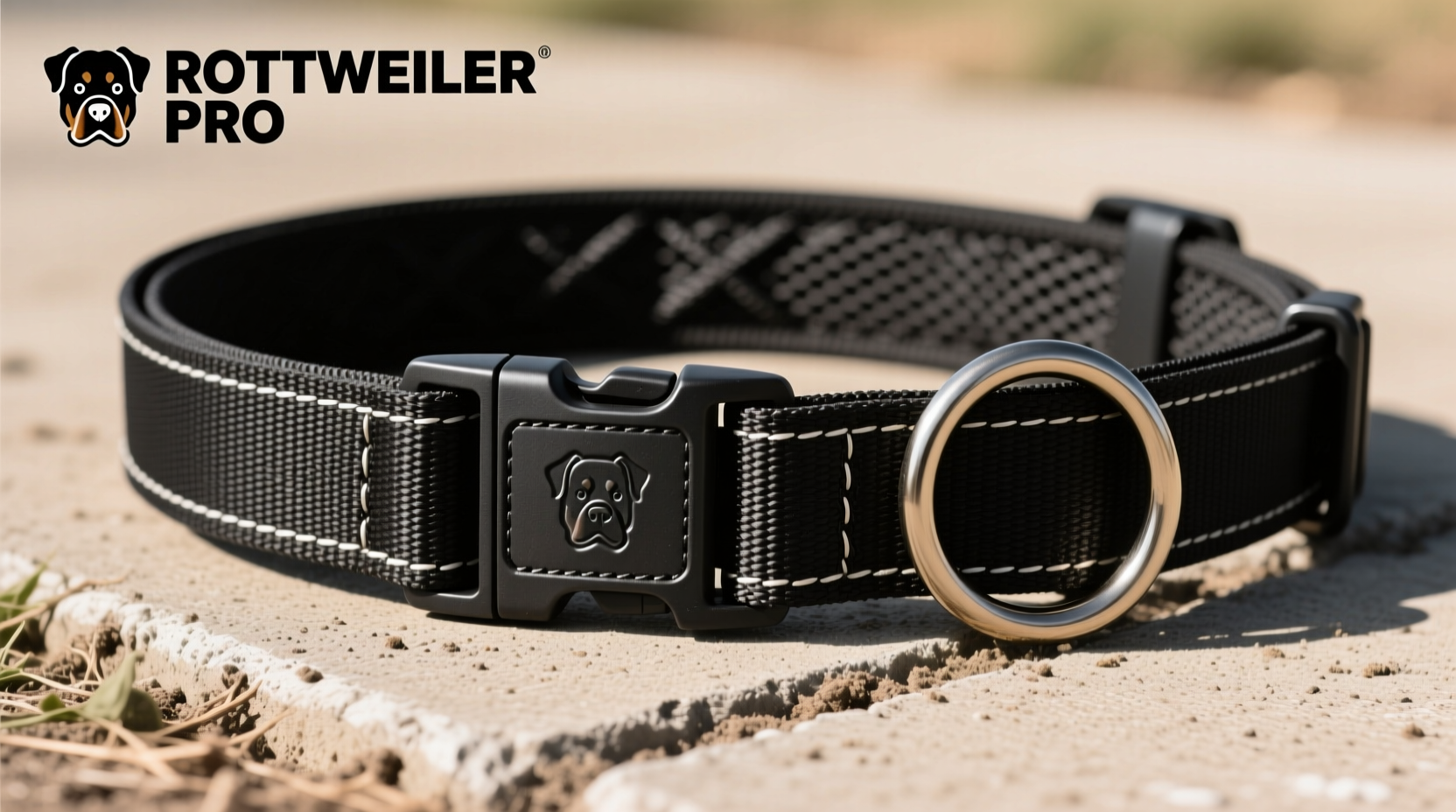
Rottweilers typically weigh between 70 and 130 pounds, possess strong necks, and have a tendency to pull when excited. Standard collars may not withstand their force or distribute pressure evenly. A collar designed with structural integrity, reinforced stitching, and appropriate width is essential to prevent tracheal damage and skin irritation.
The ideal Rottweiler collar should be at least 1.5 inches wide to disperse pressure across the neck. Narrow collars concentrate force, increasing the risk of injury. Additionally, materials like heavy-duty nylon, biothane, or genuine leather offer superior resistance to wear, moisture, and chewing.
“Large, powerful breeds like Rottweilers need collars engineered for load distribution and long-term resilience. Comfort isn’t optional—it’s a health necessity.” — Dr. Lena Torres, DVM, Canine Orthopedic Specialist
Top 5 Durable & Comfortable Collars for Rottweilers
After evaluating dozens of models based on material quality, customer feedback, veterinarian input, and real-world performance, these five collars stand out as top performers for Rottweilers:
| Collar Name | Material | Width | Key Features | Best For |
|---|---|---|---|---|
| Blue-9 Balance Harness (Neck Loop Option) | Nylon webbing with neoprene padding | 2 inches | Adjustable fit, pressure-distributing design, reflective stitching | Dogs that pull heavily |
| Stunt Puppy BioThane Double-Buckle Collar | Biothane (coated polyester) | 1.5–2 inches | Waterproof, odor-resistant, chew-proof, no stretching | Active outdoor Rottweilers |
| UltraDog Max Tough Dog Collar | Reinforced ballistic nylon | 2 inches | Triple-stitched seams, heavy-duty D-ring, reflective trim | Everyday use and training |
| Country Brook Design Solid Brass Buckle Collar | Full-grain leather with solid brass hardware | 2 inches | Hand-stitched, ages beautifully, hypoallergenic lining | Luxury feel and long-term durability |
| Sporn No-Pull Body Collar (Modified Neck Support) | Nylon with foam padding | Integrated chest support | Reduces neck strain, prevents pulling, front control loop | Dogs with respiratory sensitivities |
Material Comparison: What Works Best for Rottweilers?
The choice of material significantly affects longevity, hygiene, and comfort. Here’s how the top three materials compare:
- Biothane: Waterproof, easy to clean, resistant to bacteria and odors. Ideal for dogs that swim or live in humid climates. Retains strength over time without fraying.
- Heavy-Duty Nylon: Affordable and widely available. Look for triple-stitched versions with UV protection. Can absorb moisture and develop odor if not cleaned regularly.
- Leather (Full-Grain): Naturally durable and molds to the dog’s neck over time. Requires conditioning to prevent drying. Avoid low-quality bonded leather, which cracks under stress.
For Rottweilers, biothane often offers the best balance of toughness and ease of maintenance. It performs well in rain, mud, and snow, making it ideal for active dogs.
Real-World Example: How One Owner Solved Pulling and Chewing
Mark, a Rottweiler owner from Colorado, struggled with his two-year-old male, Bruno, who would snap cheap collars during hikes and chew through nylon ones at home. After consulting a trainer, he switched to the Stunt Puppy BioThane collar. “It’s been over a year, and there’s zero wear,” Mark said. “Bruno still tries to chew it, but nothing happens. Plus, it dries fast after creek crossings.”
This case illustrates how material choice directly impacts both safety and convenience. Dogs with high drive or destructive tendencies benefit immensely from chew-resistant, non-porous materials.
Step-by-Step Guide: Choosing and Fitting the Right Collar
- Measure Your Dog’s Neck: Use a soft tape measure around the middle of the neck, where the collar normally sits. Ensure two fingers fit comfortably between the tape and skin.
- Determine Primary Use: Will the collar be used for daily walks, training, hiking, or identification only? Match the function to the collar type.
- Select Material: Choose biothane for wet environments, leather for everyday elegance, or reinforced nylon for budget-friendly durability.
- Check Hardware Quality: Buckles should be made of solid plastic or metal (not hollow). D-rings must be welded or riveted securely.
- Fitting Test: Once on, ensure you can slide two fingers beneath the collar. It should not twist or slip over the dog’s head easily.
- Monitor for Irritation: Check behind the ears and under the jaw weekly for redness or hair loss, especially with new collars.
Common Mistakes to Avoid
- Using a collar that’s too narrow—less than 1.5 inches—for a full-grown Rottweiler.
- Choosing fashion over function—decorative collars often lack structural integrity.
- Skipping regular inspections for fraying, loose stitching, or worn buckles.
- Leaving a wet collar on for extended periods, which can lead to skin infections.
- Using a choke chain or prong collar without professional guidance—these can cause serious injury if misused.
Frequently Asked Questions
Can I use a harness instead of a collar for my Rottweiler?
Yes, and in many cases, it’s recommended—especially if your dog pulls. A well-fitted harness distributes pressure across the chest and shoulders, reducing strain on the neck. However, a collar is still necessary for ID tags and licensing. Many owners use both: a harness for walking and a durable collar for daily wear.
How often should I replace my Rottweiler’s collar?
Inspect the collar monthly. Replace it immediately if you notice frayed edges, weakened stitching, cracked hardware, or deformation from chewing. Even high-quality collars should be replaced every 12–18 months with regular use, depending on wear.
Are martingale collars safe for Rottweilers?
Martingale collars are excellent for dogs with heads smaller than their necks, preventing escape. For Rottweilers, choose a heavy-duty martingale made from biothane or thick nylon with a robust chain. Ensure the tightening mechanism doesn’t constrict too quickly and always supervise initial use.
Final Checklist Before Buying
- ✅ At least 1.5 inches wide (2 inches preferred)
- Ensures even pressure distribution.
- ✅ Reinforced stitching (triple or box-stitched)
- Prevents seam failure under tension.
- ✅ Chew- and water-resistant material
- Extends life and reduces maintenance.
- ✅ Secure, rust-proof hardware
- Solid brass or marine-grade plastic buckles last longer.
- ✅ Reflective elements or visibility trim
- Improves safety during early morning or evening walks.
- ✅ Proper fit with room for growth (for young dogs)
- Adjustable sliders or multiple holes allow flexibility.
Conclusion: Invest in Safety, Comfort, and Peace of Mind
Choosing the best collar for your Rottweiler isn’t just about durability—it’s about respecting the bond you share with a loyal, powerful companion. The right collar supports your dog’s physical health, enhances control during walks, and withstands the rigors of an active life. Whether you opt for rugged biothane, timeless leather, or a hybrid harness-collar system, prioritize fit, function, and quality craftsmanship.
💬 Have a favorite collar that’s stood the test of time with your Rottweiler? Share your experience in the comments—your insight could help another owner make a safer, smarter choice.








