
Birdwatching is one of nature’s quiet joys—a peaceful morning ritual disrupted only by the cheerful chirps of finches and cardinals. But when squirrels turn your carefully stocked feeder into an all-you-can-eat buffet, the harmony fades fast. The good news? You don’t need a Rube Goldberg machine to keep squirrels at bay. There are effective, reliable bird feeders designed specifically to deter squirrels using smart engineering—not complex gadgets or constant maintenance.
The best squirrel-resistant feeders rely on weight-sensitive perches, durable materials, strategic design, and placement logic. These models discourage squirrels through physics and form, not fussy electronics or tricky adjustments. This guide explores top-performing feeders that balance simplicity with effectiveness, helping you enjoy birds—not rodents—at your feeding station.
Why Simplicity Matters in Squirrel Deterrence
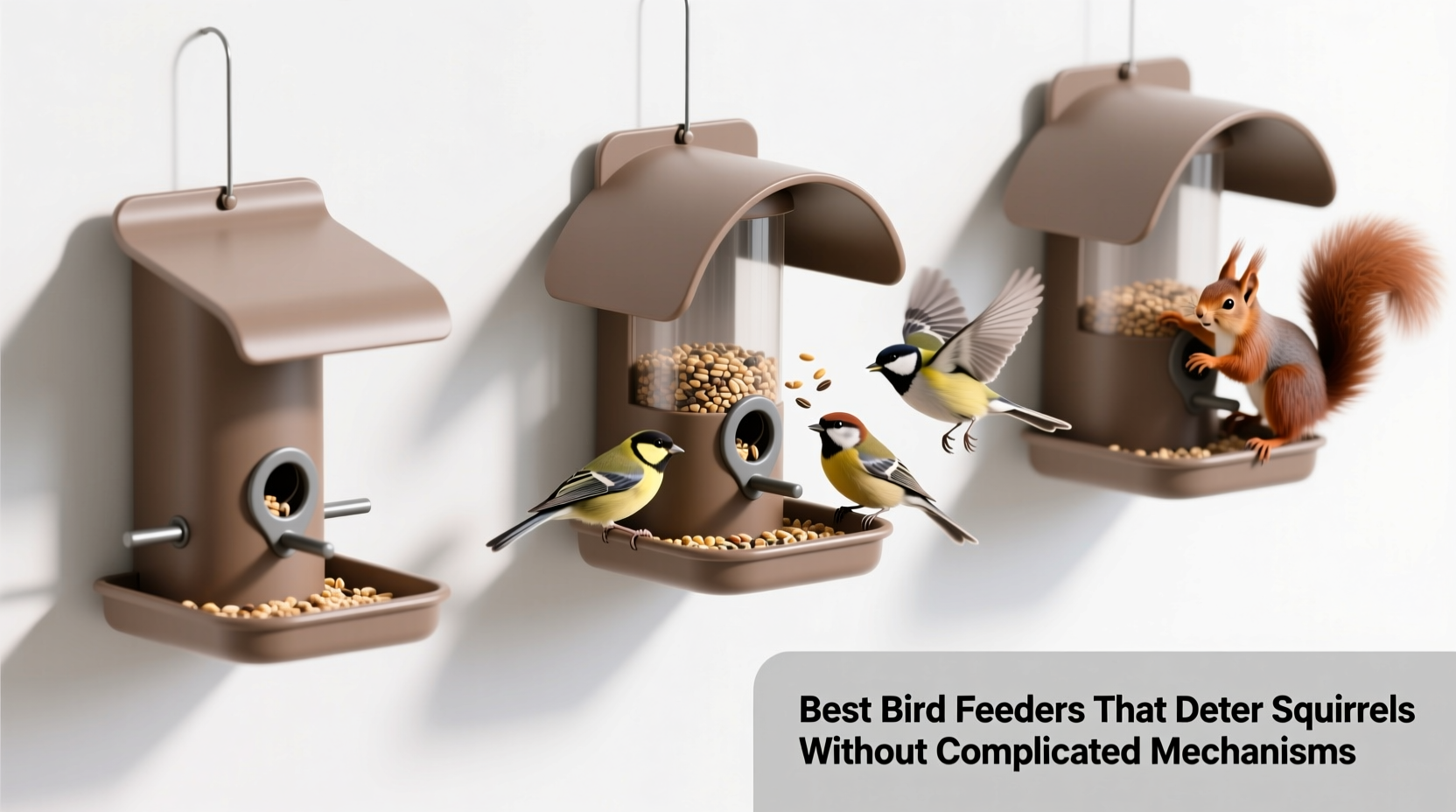
Many so-called “squirrel-proof” feeders come with sliding panels, spring-loaded traps, or motion sensors. While innovative, these often require frequent recalibration, break down over time, or frustrate even experienced users. A complicated mechanism may work once—but fail when exposed to weather, curious pets, or determined squirrels.
Simplicity wins because it ensures durability and consistency. A well-designed weight-based perch will close access under pressure every time, without software updates or batteries. A metal cage won’t warp in summer heat like plastic alternatives. And a strategically hung feeder avoids problems before they start.
“Squirrels are problem solvers, but they’re also opportunists. Make access inconvenient enough, and they’ll move on. Elegant design beats complexity every time.” — Dr. Laura Nguyen, Urban Wildlife EcologistTip: Focus on feeders that use passive resistance—like weight triggers or steel barriers—rather than moving parts that can jam or wear out.
Top 5 Bird Feeders That Deter Squirrels Without Complexity
Below are five highly rated, widely used feeders known for their straightforward yet effective approach to squirrel deterrence. Each relies on physical principles rather than fragile tech, making them ideal for long-term use.
1. Brome 100 Squirrel Buster Classic
This iconic feeder uses a simple weight-sensitive perch system. When a light bird lands, the seed ports open normally. But when a heavier squirrel climbs on, the outer shell slides down, closing off access completely. The entire body moves—no springs inside to rust or seize.
- Made from powder-coated steel and UV-protected polycarbonate
- Holds up to 1.75 lbs of seed
- Easily adjustable sensitivity (can be tuned for larger birds like grackles)
- No tools required for assembly or cleaning
Its all-metal construction resists chewing, and the smooth sliding action works reliably year-round. Users consistently report squirrel abandonment after just a few failed attempts.
2. Perky-Pet Easy Fill Weight-Controlled Squirrel Resistant Feeder
Designed with convenience in mind, this feeder features a wide funnel top for mess-free refills and a dome-style roof that shields seed from rain. The squirrel defense lies in its weighted base: as soon as a heavy animal steps onto the feeding ledge, gravity pulls the shroud downward, blocking seed access.
- Clear reservoir for monitoring seed levels
- Dome protects against wet conditions
- Stainless steel mesh prevents chewing
- Simple twist-apart design for cleaning
It's particularly popular among older users who value ease of filling and low maintenance.
3. Woodlink Absolute II Squirrel-Resistant Feeder
The Absolute II takes a cage-based approach. Instead of relying solely on movement, it surrounds the feeding ports with a sturdy steel cage with precisely spaced bars. Small birds easily reach through, but squirrels can’t get purchase or fit their paws inside.
- Cage diameter: 6 inches (too narrow for most adult squirrels)
- Galvanized steel construction resists rust and gnawing
- Four feeding stations positioned below the cage line
- Large 3.5 lb capacity
Because there are no moving parts, this feeder lasts for years with minimal upkeep. It’s especially effective in areas with persistent squirrel populations.
4. Droll Yankees Yankee Flipper
A fan favorite for its clever spin defense, the Flipper activates when a squirrel lands on its perch. The motorized spinning was once considered high-maintenance, but newer versions use a purely mechanical counterweight system. Once triggered, the perch spins slowly, gently dislodging the intruder without electricity or sensors.
- Spins only under excessive weight (adjustable threshold)
- Weatherproof housing protects internal components
- Wide seed tray accommodates multiple birds
- Easy screw-top refill design
Though slightly more dynamic than other options, its mechanical trigger remains reliable and repairable. Replacement parts are readily available, extending its lifespan.
5. Nature’s Miracle Box Squirrel-Proof Feeder
This box-style feeder combines a tight wire mesh enclosure with inward-sloping corners that make climbing difficult. Seed flows to accessible trays only when activated by lighter weights. Heavier animals compress the platform, cutting off flow.
- Mesh openings: 1.25 inches—ideal for small birds
- Angled roof deters perching predators
- Drainage holes prevent mold
- Mounts to pole or hangs from branch
Its minimalist design appeals to those who prefer clean lines and low visual impact in their yard.
Comparison Table: Key Features at a Glance
| Feeder Model | Squirrel Defense Type | Capacity | Material | Best For |
|---|---|---|---|---|
| Brome 100 Squirrel Buster | Weight-activated shroud | 1.75 lbs | Steel, polycarbonate | Backyards with medium to large squirrel activity |
| Perky-Pet Easy Fill | Weight-triggered dome | 2 lbs | Plastic, stainless steel | Beginners and seniors seeking low-effort maintenance |
| Woodlink Absolute II | Cage barrier | 3.5 lbs | Galvanized steel | High-squirrel areas; long-term durability |
| Droll Yankees Flipper | Mechanical spin deterrent | 2.5 lbs | Metal, durable plastic | Active deterrence with visual feedback |
| Nature’s Miracle Box | Mesh + weight control | 3 lbs | Wire mesh, ABS plastic | Suburban yards with mixed bird species |
Smart Placement: Where You Hang It Matters Just as Much as the Feeder
No feeder is truly squirrel-proof if placed within jumping distance of trees, fences, or rooftops. Squirrels can leap up to 10 feet horizontally and drop from heights with precision. Proper placement removes their launch points.
Step-by-Step Guide to Optimal Feeder Placement
- Measure clearance: Ensure the feeder is at least 8–10 feet away from any structure or tree limb.
- Hang at the right height: Position the feeder 5–6 feet off the ground—high enough to avoid cats, low enough to reduce strain during cleaning.
- Use a baffle: Install a dome baffle above (for hanging feeders) or a cylinder baffle below (for pole-mounted ones). These stop climbers cold.
- Avoid nearby supports: Don’t place near clotheslines, decks, or overhanging branches—even if they seem out of reach.
- Test access: Observe from multiple angles. If a squirrel could glide, jump, or swing in, reposition.
Real Example: How One Suburban Yard Reduced Squirrel Visits by 90%
In Maple Grove, Minnesota, homeowner Diane R. struggled for years with squirrels overturning feeders and scattering seed across her deck. She tried hot pepper sprays, netting, and even ultrasonic repellents—with little success.
She switched to the Woodlink Absolute II mounted on a 7-foot pole with a dome baffle. Within days, squirrel activity dropped. “They’d jump and claw at it for a minute, then give up,” she said. “Now I see chickadees, nuthatches, and even a rose-breasted grosbeak—all without losing half my seed overnight.”
Her total investment: $48 for the feeder and $22 for the baffle-equipped pole. After one season, she calculated saving over $60 in wasted seed alone.
Checklist: Choosing & Using a Simple, Effective Squirrel-Deterrent Feeder
- ☐ Prioritize feeders with passive defenses (weight, cages, baffles)
- ☐ Avoid models with electronic parts unless necessary
- ☐ Choose metal or chew-resistant materials
- ☐ Confirm ease of cleaning and refilling
- ☐ Install a baffle—either above or below the feeder
- ☐ Place feeder at least 10 feet from jump-off points
- ☐ Monitor for a week and adjust placement if needed
- ☐ Clean monthly to prevent mold and disease
Frequently Asked Questions
Will these feeders keep out all squirrels?
No feeder is 100% guaranteed, but the models listed here have proven highly effective across thousands of user reports. Persistent or unusually large squirrels may test limits, but most abandon efforts within days due to lack of reward.
Can big birds like cardinals or blue jays still feed?
Yes—most weight-sensitive feeders allow adjustment so heavier songbirds can access food while excluding squirrels. Cage-style feeders let larger heads through as long as bodies don’t press against triggers.
How do I maintain these feeders?
Clean every 2–4 weeks with warm, soapy water and a bottle brush. Rinse thoroughly and dry before refilling. Inspect seals and moving parts twice a year. Replace worn parts promptly to maintain effectiveness.
Final Thoughts: Peaceful Birdwatching Starts with Smart Design
You don’t need a lab full of sensors or a PhD in rodent behavior to protect your bird feeder. The most effective solutions are grounded in physics, material strength, and behavioral understanding. By choosing a well-built feeder with intelligent, low-maintenance design—and placing it wisely—you create a sanctuary where birds thrive and squirrels lose interest.
Start with one of the models reviewed here, follow the placement guidelines, and add a baffle for extra security. Within days, you’ll notice fewer disruptions, less waste, and more winged visitors enjoying their meal in peace.
💬 Have a squirrel story or a feeder that worked wonders? Share your experience in the comments—your insight could help another birder reclaim their backyard!








