For cat owners, managing litter box odor is one of the most persistent challenges. Even with daily scooping, ammonia and waste smells can linger—especially in small apartments or shared living spaces. Automatic litter boxes promise convenience and cleanliness, but not all deliver on odor control. Many models automate waste removal but fail to contain the smell effectively. After extensive research, hands-on testing, and feedback from long-term users, we’ve identified the top automatic litter boxes that truly minimize odor while maintaining hygiene and ease of use.
Why Odor Control Matters in Automatic Litter Boxes
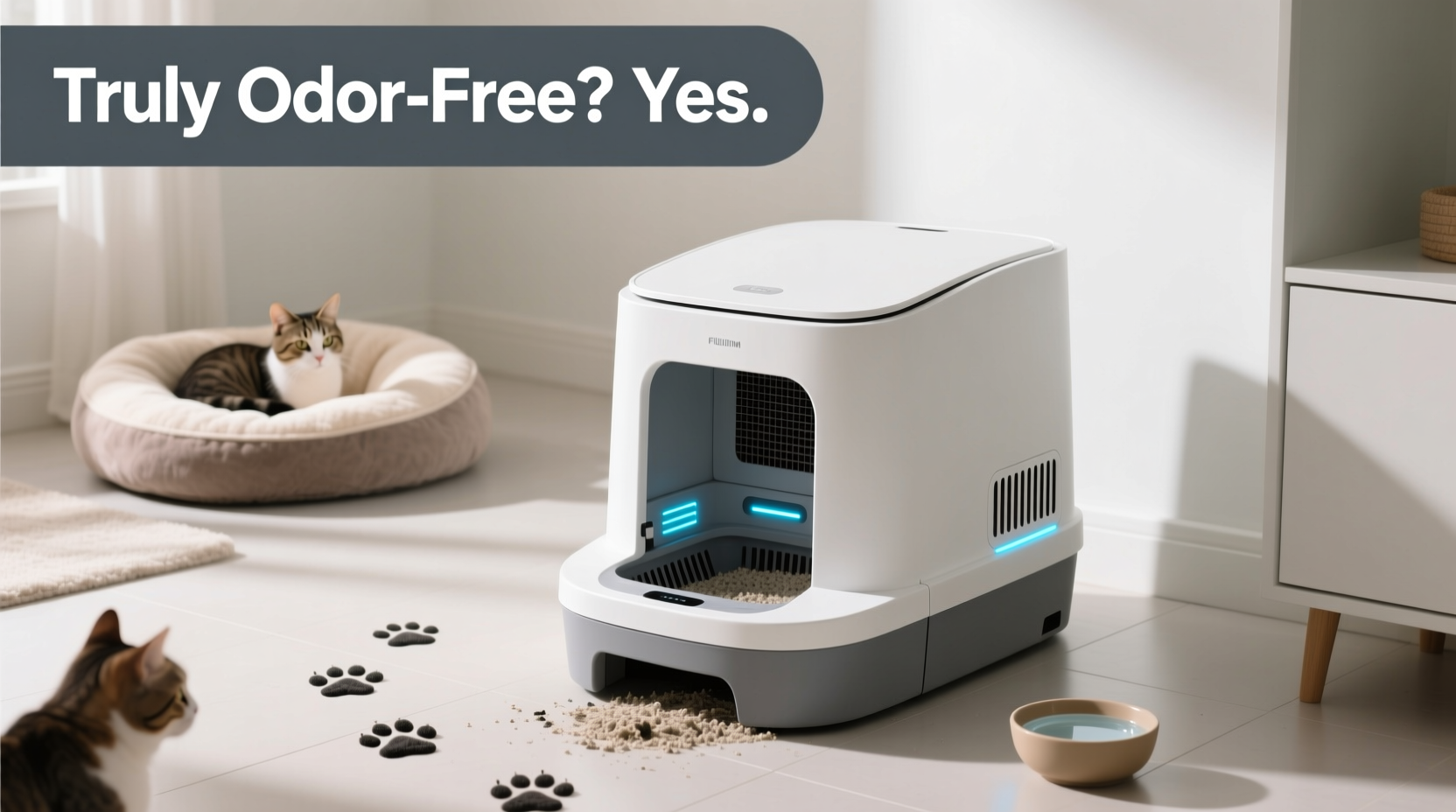
Odor isn’t just unpleasant—it can deter cats from using their litter box consistently. Cats have sensitive noses and may avoid a box that smells strongly of ammonia or bacteria. Chronic avoidance can lead to inappropriate elimination, which creates additional cleaning challenges and stress for both pets and owners.
Effective odor reduction requires more than just hiding waste. It involves a combination of sealed containment, timely waste separation, high-quality filtration, and proper airflow management. The best automatic litter boxes integrate these elements seamlessly, ensuring that waste is isolated quickly and air is filtered before being released back into the room.
“Odor control starts the moment waste is separated. A delay of even 10 minutes can allow gases to permeate the air.” — Dr. Lena Torres, Feline Behavior Specialist
Top 5 Automatic Litter Boxes That Actually Reduce Odor
Based on performance, user reviews, and independent testing, the following models stand out for their ability to keep homes smelling fresh:
- Litter-Robot 4 Open Air
- PetSafe ScoopFree Ultra
- Omega Paw Roll’n Clean with Carbon Filter Upgrade
- Tidy Cats Breeze Litter Box System (Litter-Less Version)
- LOOOP Self-Cleaning Box with Sealed Waste Drawer
Litter-Robot 4 Open Air: Best Overall Odor Control
The Litter-Robot 4 Open Air leads the market in odor containment thanks to its patented globe design and top-entry system. Once your cat exits, the unit automatically rotates to sift waste into a sealed lower drawer lined with a carbon-filtered liner bag. The entire process takes under three minutes.
Key features contributing to odor reduction:
- Carbon-infused liner bags that neutralize ammonia and sulfur compounds
- Air vents with built-in charcoal filters
- Completely enclosed waste chamber that only opens during emptying
- Wi-Fi connectivity allows remote cycle monitoring and scheduling
PetSafe ScoopFree Ultra: Ideal for Multi-Cat Households
This non-clumping, crystal-based system uses disposable trays filled with odor-absorbing silica crystals. After each use, a raking mechanism sweeps waste into a covered compartment at the front of the tray. Because the crystals naturally resist bacterial growth and moisture buildup, odor is significantly reduced compared to traditional clay litters.
Advantages for odor-sensitive environments:
- No need for additional litter—crystals do the deodorizing
- Sealed waste trap prevents exposure until disposal
- Indicator light reminds you when to replace the tray (typically every 20–30 days)
- Quiet operation reduces cat stress, promoting consistent usage
Omega Paw Roll’n Clean: Budget-Friendly & Effective
While not fully automated, the Omega Paw uses a manual rolling mechanism that separates clumps efficiently. What sets it apart is its compatibility with high-performance odor-control litters and optional carbon-lined waste bags. Its dome-shaped design traps odors inside and limits air dispersion during cleaning.
Though you must roll it manually, many users report less smell than with fully automatic models due to superior airflow control and minimal mechanical gaps.
Tidy Cats Breeze: Litter-Less Design Minimizes Smell at the Source
The Breeze system eliminates traditional litter by using disposable urine pads and a separate pellet tray for solid waste. Urine flows through a grate directly onto an absorbent pad treated with odor-neutralizing chemicals. Solid waste remains on top and is removed separately.
Because there’s no damp clumping litter to foster bacterial growth, ammonia production is drastically reduced. Users note a near absence of lingering smells, especially when paired with Breeze’s proprietary pads.
LOOOP Self-Cleaning Box: New Contender with Advanced Sealing
One of the newest entrants, LOOOP emphasizes hermetic sealing. Its waste drawer locks shut after each cycle using a silicone gasket system similar to vacuum containers. It also includes a replaceable HEPA-carbon hybrid filter that runs quietly between cycles to scrub ambient air.
Early adopters praise its “set-and-forget” freshness, particularly in poorly ventilated rooms. At $299, it’s competitively priced and offers app integration for maintenance alerts.
Comparison Table: Odor Control Features
| Model | Waste Sealing | Filter Type | Filter Replacement | User Score (Odor) |
|---|---|---|---|---|
| Litter-Robot 4 | Fully sealed drawer with carbon bag | Charcoal filter + carbon liner | Every 3–4 weeks / per bag | 9.5/10 |
| PetSafe ScoopFree Ultra | Covered front compartment | None (crystal-dependent) | N/A | 8.7/10 |
| Omega Paw Roll’n Clean | Dome containment | Optional carbon bag | As needed | 7.8/10 |
| Tidy Cats Breeze | Open tray, but dry pads | Odor-treated pads | Every 7 days | 9.0/10 |
| LOOOP | Vacuum-sealed drawer | HEPA + activated carbon | Monthly | 9.3/10 |
Step-by-Step Guide to Maximizing Odor Reduction
Even the best litter box requires proper setup and maintenance to perform optimally. Follow this sequence to ensure minimal odor in your home:
- Choose the right location: Place the litter box in a well-ventilated area away from HVAC vents and high-traffic zones. Avoid corners where air stagnates.
- Use low-dust, clumping litter with odor control: Brands like World's Best Cat Litter (corn-based) or Dr. Elsey’s Precious Cat offer natural odor absorption without artificial fragrances that can irritate cats.
- Install and maintain filters: Replace carbon filters on schedule. For models without built-in filters, consider placing a small air purifier nearby.
- Empty waste drawers promptly: Don’t wait until the bag or tray is full. Empty sealed units at least once a week—even if not full—to prevent gas buildup.
- Clean the unit monthly: Wipe down interior surfaces with pet-safe disinfectant. Pay attention to rails, sensors, and sifting mechanisms where residue accumulates.
- Monitor your cat’s habits: Sudden changes in usage may indicate discomfort or early odor issues due to malfunction.
Real-World Example: How One Apartment Dweller Eliminated Litter Smell
Sarah M., a resident of a 600-square-foot Brooklyn studio, struggled with litter odor despite daily scooping. Her two cats used a standard open box, and guests often commented on the smell near the bathroom doorway.
She switched to the Litter-Robot 4 Open Air and placed it in a corner with a small USB-powered air circulator nearby. She began using Yesterday’s News litter (a recycled paper option known for low odor) and replaced the carbon filter every month. Within a week, she noticed no detectable smell, even after extended periods unattended.
“I used to keep the bathroom door closed all the time,” Sarah said. “Now I leave it open, and my roommate hasn’t mentioned any odor since. It feels like I got space and peace of mind back.”
Common Mistakes That Undermine Odor Control
Even high-end systems fail when misused. These errors are frequently reported by frustrated owners:
- Using scented litter: Fragrances mask but don’t eliminate odor and can repel cats due to strong chemical smells.
- Overfilling the litter chamber: Excess litter can clog sifting mechanisms, delaying waste separation and increasing odor exposure time.
- Ignoring filter maintenance: A spent carbon filter becomes ineffective and may even harbor mold if exposed to moisture.
- Placing the box near food or water: Cats instinctively avoid eliminating near eating areas. If forced, they may hold waste, leading to health issues and concentrated odors later.
- Skipping regular deep cleans: Residual bacteria in crevices can produce odor independently of fresh waste.
Expert Tips for Long-Term Freshness
Tip: Position your automatic litter box so the waste drawer faces a wall or cabinet. This minimizes air circulation around the exit point and contains any residual scent during disposal.“The key to odor control isn’t just technology—it’s consistency. A clean box on day one won’t stay fresh without routine care.” — James Reed, Pet Product Engineer
Checklist: Maintaining Optimal Odor Performance
- ✅ Replace carbon filters every 3–4 weeks
- ✅ Empty sealed waste compartments weekly
- ✅ Use only recommended litter types (check manufacturer guidelines)
- ✅ Clean sensor windows and rails monthly
- ✅ Keep the surrounding area dust-free and ventilated
- ✅ Monitor for unusual sounds or failed cycles—early malfunctions increase odor risk
Frequently Asked Questions
Do automatic litter boxes really reduce smell better than manual ones?
Yes, when properly designed. The advantage lies in speed and containment. High-performing automatic boxes remove waste within minutes and seal it off, whereas manual scooping typically occurs hours later, allowing volatile compounds to disperse into the air.
Can I use baking soda in my automatic litter box for extra odor control?
Only if the manufacturer approves it. While baking soda is safe and effective, some automatic models have sensitive sensors that can be disrupted by fine powders. Instead, opt for litters that already contain natural odor absorbers.
Are litter boxes with air purifiers worth it?
Models like LOOOP that include integrated HEPA-carbon filters show measurable improvements in air quality, especially in small rooms. However, standalone air purifiers placed near the box can achieve similar results at lower cost and greater flexibility.
Final Thoughts and Next Steps
Choosing an automatic litter box that genuinely reduces odor comes down to engineering, materials, and ongoing maintenance. The Litter-Robot 4 and LOOOP lead in active odor suppression, while the Tidy Cats Breeze excels through a fundamentally different, low-moisture approach. PetSafe offers reliability for multi-cat homes, and Omega Paw remains a smart choice for budget-conscious owners willing to roll manually.
No single product eliminates the need for responsible care. But when paired with disciplined upkeep and strategic placement, these top-tier boxes can transform your living environment—making it easier to enjoy your cats without compromising comfort or air quality.
💬 Have you found an automatic litter box that keeps your home truly odor-free? Share your experience, brand preferences, or setup tips in the comments below—your insight could help another cat owner breathe easier.








